Your Blackberry Season Roadmap
- When Exactly Are Blackberries in Season? (It's Not the Same Everywhere)
- How to Tell if a Blackberry is Perfectly Ripe and in Season
- What to Do When You Find the Motherlode: Picking, Storing, and Preserving
- Why Bother? The Amazing Benefits of In-Season Blackberries
- Simple, No-Fuss Ways to Enjoy Peak-Season Blackberries
- Answers to Common Blackberry Season Questions
- Final Thoughts on Catching the Blackberry Wave
Let's talk about blackberries. Not the ones from the plastic clamshell in the grocery store that can sometimes taste like faintly sweet water with seeds. I mean the real deal. The ones that stain your fingers a deep purple-red, that burst with a complex flavor that's equal parts sweet, tart, and downright juicy. The ones you only get when blackberries are truly in season.
That's what this is all about. If you've ever bitten into a bland, expensive berry in December and wondered what the fuss is about, you're in the right place. Getting your hands on perfect blackberries is all about timing. It's about knowing when your local landscape is practically giving them away, and how to make the most of that short, glorious window.
I remember one summer, I bought some out-of-season imports. They were massive and shiny, perfect looking. One bite and… nothing. A mealy texture and a sour finish. A total disappointment. It's a different universe compared to the warm, sun-ripened ones you find at the peak of their season.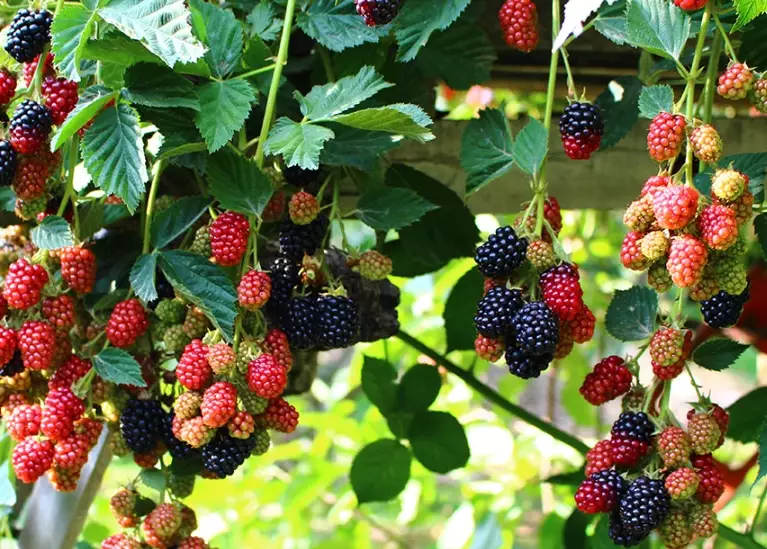
When Exactly Are Blackberries in Season? (It's Not the Same Everywhere)
This is the big question, right? "When are blackberries in season?" The short, frustrating answer is: it depends. Mostly on where you live. Blackberry season isn't a single date on the calendar; it's a wave that moves across the country.
Generally, in the United States, the prime blackberry season runs from late June through August. But let's break that down, because "the US" is a big place with wildly different climates.
In warmer southern states, the season kicks off earlier. Think late May or early June. The heat brings them on fast and furious. Up in the cooler Pacific Northwest, you might be waiting until mid-to-late July for the best picks, but boy, is the wait worth it. The longer, milder growing season there is famous for producing some of the most flavorful berries.
Here’s a more detailed look. This table should give you a much clearer picture of what to expect in your region when you're looking for blackberries in season.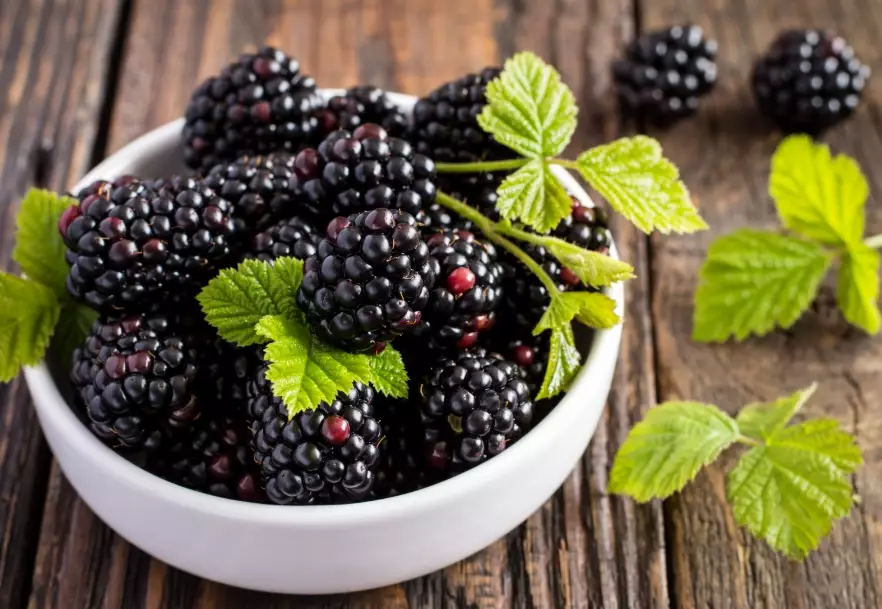
| Region | Typical Peak Season Start | Typical Peak Season End | Notes & Common Varieties |
|---|---|---|---|
| Southern US (e.g., Texas, Georgia, Florida) | Late May / Early June | Mid-July | Season starts early but can be shortened by intense heat. Look for early-ripening types like 'Ouachita' or 'Navaho'. |
| Midwest & Mid-Atlantic (e.g., Ohio, Pennsylvania, Missouri) | Early July | Early August | A solid, classic summer month of peak berries. 'Chester' and 'Triple Crown' are popular thornless varieties here. |
| Pacific Northwest (e.g., Oregon, Washington) | Mid-July | Late August / Early September | Long, prime season known for exceptional flavor due to mild temps. The 'Marionberry' (a blackberry cultivar) is king here. |
| Northeast & New England | Mid-July | Mid-August | A shorter but sweet window. Wild blackberries are abundant in many areas alongside cultivated patches. |
| California | June | August | Long season with staggered harvests in different microclimates. A major commercial producer. |
See how it changes? Your local farmer's market is the ultimate barometer. When the tables start groaning under pint after pint of deep-colored berries, that's your signal. The season is on.
Wild vs. Cultivated: Does Season Differ?
You bet it does. Wild blackberries, those hardy, thorny beasts that line country roads and forest edges, often fruit a bit later than their cultivated cousins. They're on nature's schedule, not a farmer's. So while a U-pick farm might have plump 'Chester' berries ready in early July, the wild brambles nearby might need another week or two of sun.
Wild berries are smaller, often seedier, and pack a more intense, sometimes more tart, flavor punch. Their season can be less predictable but finding a good patch is like finding gold. Just be sure you're 100% certain on identification—and be prepared for scratches. Those thorns are no joke.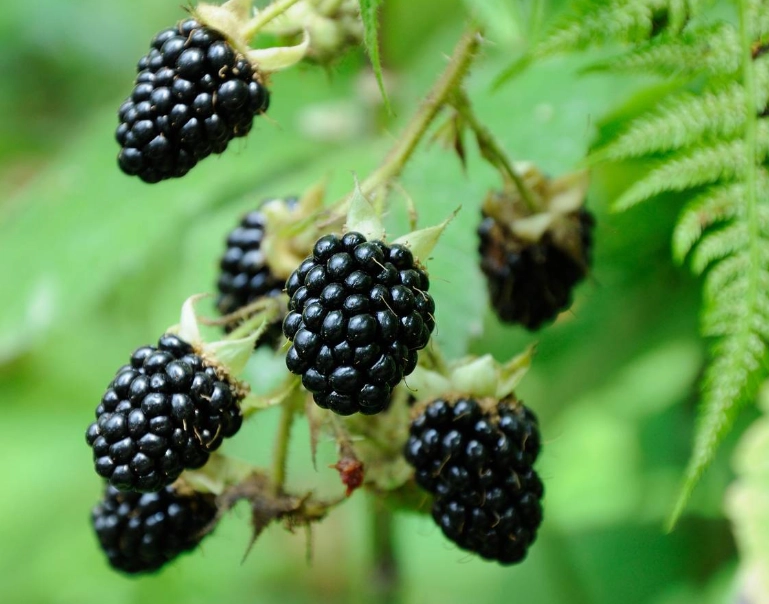
How to Tell if a Blackberry is Perfectly Ripe and in Season
This is the most important skill you can learn. Picking (or buying) at the right moment is everything. A berry picked too early will never develop that full sweetness. One picked too late turns to mush.
So, how do you spot a perfect, in-season blackberry?
- Color is Key: Forget any red. A ripe blackberry is a deep, uniform black or very dark purple. All drupelets (the little bubble segments) should be plump and dark. If you see any red or shiny glossiness, it's not ready. A dull, matte finish often indicates perfect ripeness.
- The Feel Test: It should feel plump and firm, but not hard. Give it a very gentle squeeze. It should have a slight give, like a tiny water balloon, but not feel soft or squishy. A soft berry is an overripe berry.
- The Pick Test (if you're foraging or at a U-pick): This is the golden rule. A ripe blackberry will release from the stem (the receptacle) with the gentlest tug. If you have to pull or fight with it, it's not ready. If it falls into your hand almost by itself, that's the one. The stem should stay on the plant, leaving a clean, hollow cup on the berry.
- Look at the Core: The spot where the berry was attached to the plant should be dry, not leaking or white. A wet core can mean it was picked too early or is starting to spoil.
And here's a personal gripe: I avoid those giant, log-shaped blackberries you sometimes see. They look impressive, but in my experience, they often sacrifice flavor for size and can be watery. I'll take a smaller, intensely flavored berry any day.
What to Do When You Find the Motherlode: Picking, Storing, and Preserving
Okay, you've found them. The bushes are heavy with fruit, and blackberries are in season right outside your door (or at the market). Now what? You can't possibly eat them all fresh in one sitting (though it's a noble goal).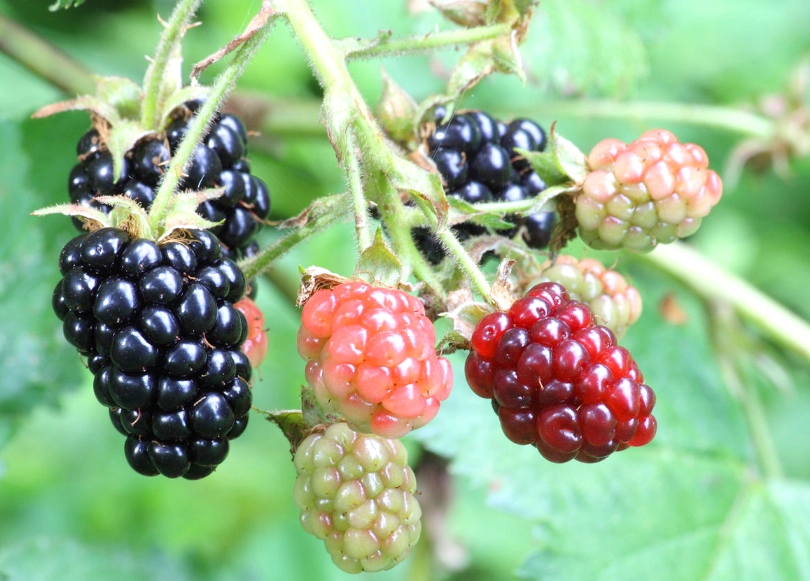
Picking Essentials
If you're heading to a U-pick farm or foraging (where legal and safe!), gear up.
- Clothing: Long, thick sleeves and pants are non-negotiable unless you enjoy a thorny acupuncture session. Denim or canvas is good.
- Containers: Use wide, shallow containers. Piling berries too deep in a bucket will crush the ones at the bottom. I like using plastic clamshell containers or baking sheets lined with towels.
- Mind the Heat: Don't let your picked berries sit in the hot sun. Get them into shade or a cooler as soon as you can.
Storing Fresh Blackberries (The Right Way)
Blackberries are fragile. They're not apples. How you store them determines if you have a delicious treat tomorrow or a moldy mess.
- Don't Wash Them Yet! This is crucial. Moisture is the enemy of freshness. Washing before storage dramatically speeds up decay.
- Inspect and Cull: As soon as you get home, gently spread them out on a towel. Pick out any berries that are crushed, leaking, or have mold starting (one bad berry can spoil the bunch, fast).
- Storage Method: Line a container (the one you'll store them in) with a paper towel. Place the berries in a single layer if possible, or at most two layers deep. Place another paper towel on top. Loosely cover with a lid or plastic wrap. Store in the coldest part of your fridge (usually the back, not the door).
- Wash Just Before Eating: When you're ready to eat, give them a very gentle rinse in a colander under cool, low-pressure water. Or better yet, place them in a bowl of water, swish gently, and lift them out. Pat dry with a clean towel.
Done right, perfectly ripe, in-season blackberries stored this way can last 3-5 days. Sometimes longer. But let's be honest, they rarely last that long.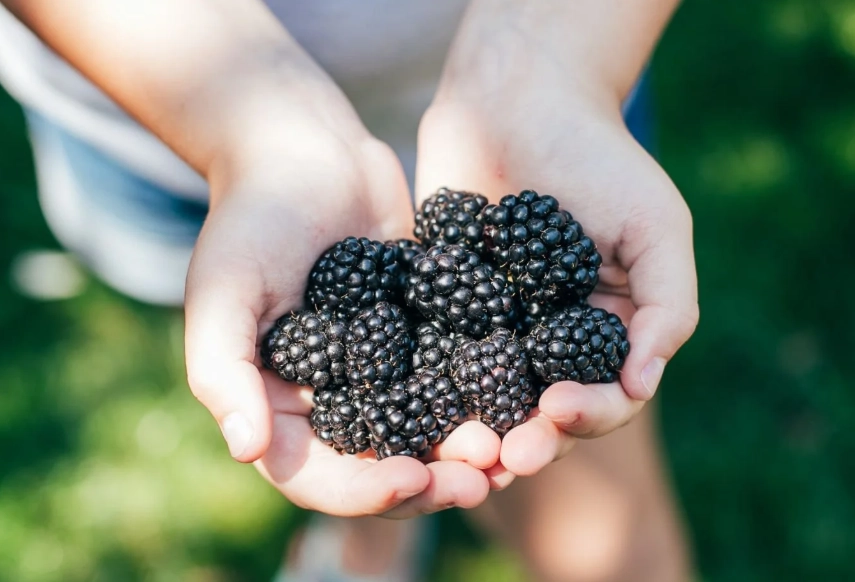
Preserving the Bounty
When you have more ripe blackberries in season than you can handle, it's time to think long-term.
- Freezing (The Easiest Method): This is my go-to. Wash and dry the berries thoroughly. Spread them in a single layer on a parchment-lined baking sheet. Freeze solid (this is called "flash freezing"). Once frozen, transfer them to a heavy-duty freezer bag, squeeze out all the air, and seal. They won't stick together, and you can pour out a cup for smoothies anytime. They'll keep for up to a year, though flavor is best within 6 months.
- Jam and Jelly: The classic. Cooking with sugar and pectin preserves that summer taste. Homemade blackberry jam on toast in January is a powerful mood lifter.
- Purees and Coulis: Cook down berries with a little sugar, then strain out the seeds for a smooth, vibrant sauce perfect for cheesecakes, pancakes, or drizzling over ice cream.
- Dehydrating: Makes delicious, chewy blackberry "raisins" that are great for trail mix or baking.
Why Bother? The Amazing Benefits of In-Season Blackberries
Flavor alone is reason enough. But there's a huge nutritional payoff too. Fruits eaten at their seasonal peak are often at their nutritional peak.
Blackberries are absolute superstars in the antioxidant department. We're talking about vitamins C and K, manganese, and a ton of fiber. They're packed with polyphenols and anthocyanins—those are the compounds that give them that deep color and are linked to all sorts of health benefits, from fighting inflammation to supporting brain health.
The USDA FoodData Central database shows that a cup of raw blackberries provides about 8 grams of fiber. That's a significant chunk of your daily needs.
But here's the thing about nutrients: they degrade over time. A berry that was picked underripe, shipped across continents, and sat on a shelf for days has almost certainly lost some of its nutritional oomph compared to one you pick and eat the same day. Eating blackberries in season, locally if you can, is one of the best ways to get the full benefit.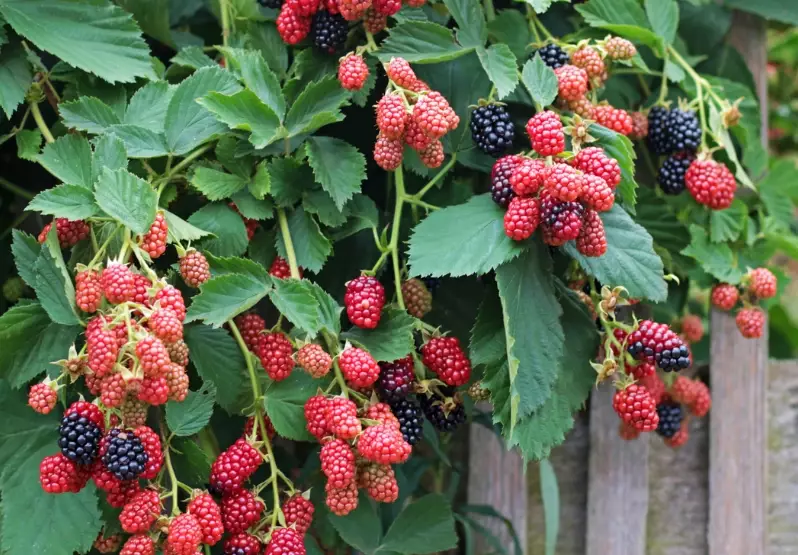
It's also usually cheaper. When there's a surplus, prices drop. It's basic economics.
Simple, No-Fuss Ways to Enjoy Peak-Season Blackberries
You don't need fancy recipes. When the fruit is this good, you want it to shine.
- Straight Up: In a bowl, maybe with a dollop of Greek yogurt or a splash of cream. Perfection.
- Summer Salads: Toss them into a spinach or arugula salad with goat cheese, walnuts, and a light vinaigrette. The sweet-tart pop is incredible.
- Breakfast Glory: On oatmeal, pancakes, waffles, or cereal. They make instant compote when warmed slightly.
- Blackberry Fool: An old-fashioned, easy British dessert. Just fold lightly sweetened, crushed berries into softly whipped cream. That's it. It's sublime.
- Freeze Them for Drinks: Drop a few in your glass of lemonade, iced tea, or even water. They look beautiful and add a hint of flavor.
I'm not a fan of complicated blackberry desserts that bury the fruit under pounds of sugar and dough. A simple crisp or cobbler where the berries are the star? Now that's a winner.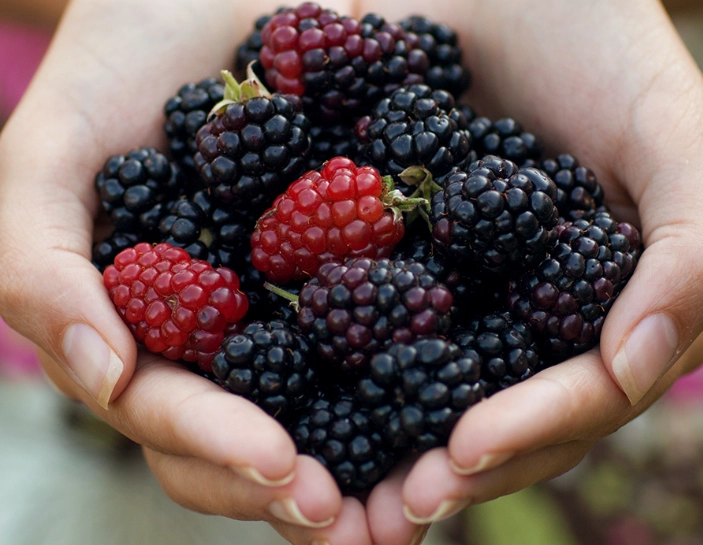
Answers to Common Blackberry Season Questions
Final Thoughts on Catching the Blackberry Wave
Chasing the perfect blackberry season is one of the true joys of summer. It connects you to the rhythm of the land where you live. It teaches patience (waiting for them to turn black) and rewards effort (those thorns!).
The difference between a mediocre berry and a perfect, in-season blackberry isn't subtle. It's the difference between hearing a song on a tinny radio and hearing it live in concert. The depth, the vibrancy, the sheer experience is on another level.
Keep an eye on the roadside stands and farmers' markets. Get your containers ready. And when the time comes, seize it. Pick (or buy) more than you think you need, because you'll eat more than you think you can. Freeze some, make a little jam, and just sit and eat a bowlful straight from the colander, juice running down your chin.
That's the taste of blackberries in season. It's worth the wait.
Reader Comments