Quick Navigation
Let's be honest, the first time you see a kabocha squash at the market, you might just walk right past it. It looks like a small, dark green pumpkin that's seen better days, with a dull, sometimes blotchy rind. It doesn't scream "eat me" like a shiny red apple. But trust me on this – that unassuming little squash is hiding a secret. Inside is some of the sweetest, densest, most flavorful flesh you'll find in the entire produce aisle.
I remember picking one up on a whim years ago, mostly because I liked the name. "Kabocha." It sounded fun. I had no idea what to do with it. I treated it like a butternut squash, which was my first mistake. The skin was so much tougher. My cheap knife struggled. But then I tasted it – roasted with just a bit of oil and salt – and it was a revelation. It was like the lovechild of a sweet potato and a chestnut, with a texture that was somehow both fluffy and substantial. I was hooked.
Now, it's a permanent fixture on my winter grocery list. If you're curious about this Japanese pumpkin (that's its other common name), you've come to the right place. This isn't just a list of facts. This is the guide I wish I'd had when I started. We're going to get into the nitty-gritty of what makes kabocha squash special, how to not mess it up in the kitchen, and why it might just become your new favorite vegetable.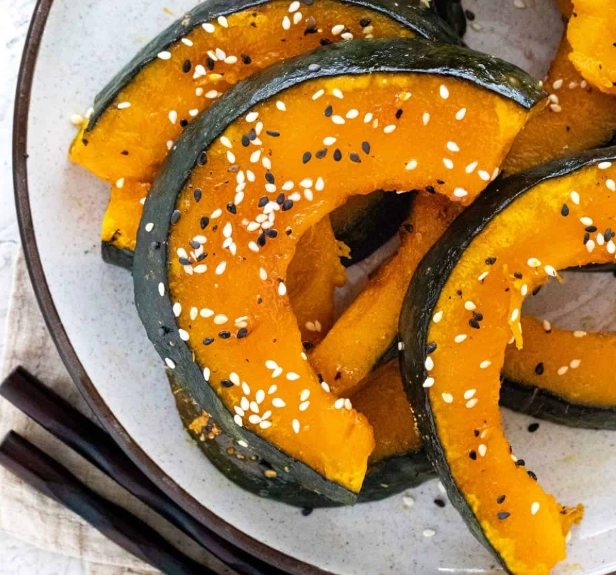
What Exactly Is Kabocha Squash?
Okay, basics first. Kabocha squash is a type of winter squash that originated in the Americas but was introduced to Japan by Portuguese sailors in the 16th century. The Japanese loved it, cultivated it extensively, and the name "kabocha" is actually the Japanese word for pumpkin. In North America, you'll often see it labeled as "Japanese pumpkin."
What sets it apart visually is its shape and skin. It's usually roundish and squat, like a little flattened ball. The skin is a deep, dark green, often with lighter green streaks or celadon-colored blotches. Sometimes you'll find varieties with more orange or greyish skin. The inside flesh is a vibrant, rich orange-yellow, and it surrounds a central cavity filled with stringy pulp and flat, white seeds (which, by the way, are totally roast-able, just like pumpkin seeds).
The flavor profile is where kabocha squash truly shines. It's notably sweeter than butternut or acorn squash. People often compare its sweetness and dense, dry texture to that of a sweet potato or even a chestnut. It has a subtle, earthy undertone that keeps it from being cloying. This natural sweetness means you often need less added sugar or maple syrup in recipes compared to other squash, which is a nice bonus.
A quick confession: I used to think all winter squash were basically the same. Big mistake. After trying a few side-by-side, the difference is night and day. Kabocha has a depth of flavor that butternut can lack, and it's never watery or stringy when cooked right.
Why You Should Care: The Health Bang for Your Buck
So it tastes good, but is it good for you? In a word, absolutely. Kabocha squash is a nutritional powerhouse disguised as comfort food. This is a big part of why it's gained such a loyal following among health-conscious eaters and chefs alike.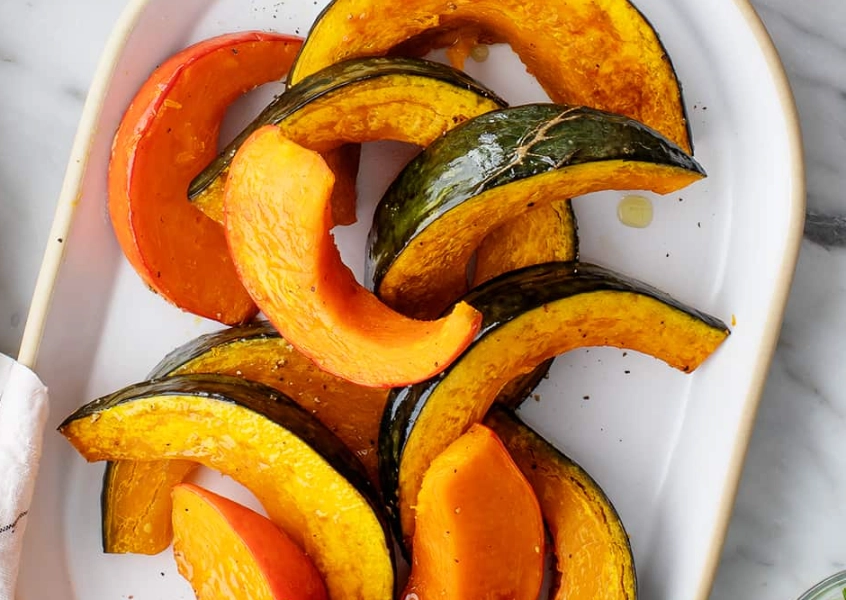
Let's break down what you're getting in a one-cup serving of cooked, mashed kabocha (about 245 grams), using data from the USDA's FoodData Central, which is my go-to for reliable nutrient info.
| Nutrient | Amount per Cup | % Daily Value (DV)* | Why It Matters |
|---|---|---|---|
| Calories | ~115 | -- | Relatively low-calorie for a satisfying, starchy side. |
| Vitamin A (as Beta-Carotene) | ~1700 mcg RAE | Over 180% | Crucial for vision, immune function, and skin health. The deep orange color is a dead giveaway. |
| Vitamin C | ~22 mg | ~25% | An antioxidant that supports immune health and collagen production. |
| Manganese | ~0.5 mg | ~20% | Important for bone health and metabolism. |
| Fiber | ~7 grams | ~25% | Promotes digestive health, helps with satiety, and can aid in blood sugar regulation. |
| Potassium | ~900 mg | ~20% | Essential for heart function, muscle contractions, and balancing fluids. |
*Percent Daily Values are estimated based on a 2,000 calorie diet.
That beta-carotene content is no joke. Your body converts it into vitamin A, and kabocha is one of the best plant-based sources out there. The high fiber content is another superstar feature. It's a mix of soluble and insoluble fiber, which helps you feel full longer and feeds the good bacteria in your gut.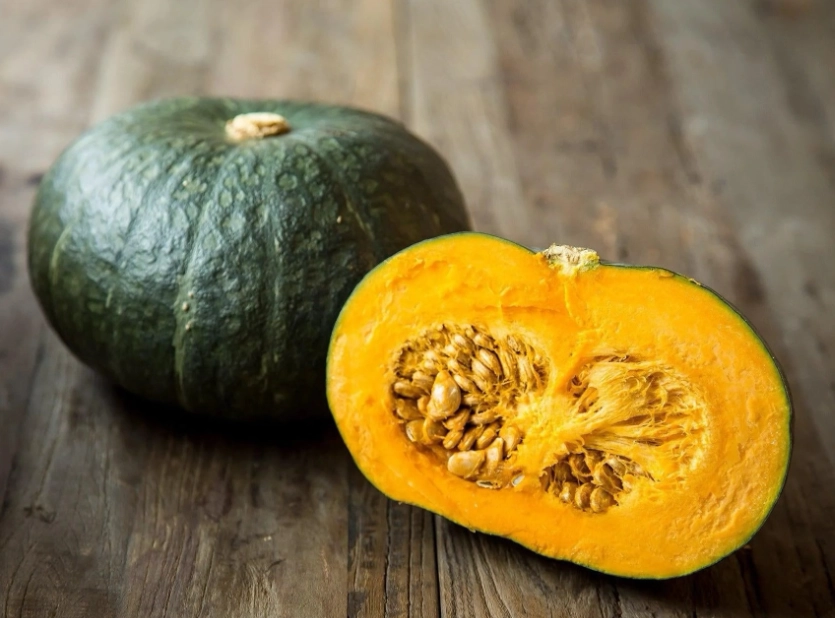
There's also some interesting stuff about its potential role in blood sugar management. While it is a starchy vegetable, its fiber content and specific type of carbohydrates may lead to a slower, more gradual rise in blood sugar compared to other high-carb foods. A review published by resources like the Harvard T.H. Chan School of Public Health consistently highlights the benefits of high-fiber, nutrient-dense vegetables like winter squash in a balanced diet. Of course, if you have specific health conditions like diabetes, you should always talk to your doctor or dietitian about portion sizes.
Pro Tip: Don't peel it! Well, not always. The dark green skin of a kabocha squash is completely edible once cooked. It softens up nicely and adds extra fiber and nutrients. If you're roasting chunks, leaving the skin on saves you time and boosts nutrition. It's a win-win.
Kabocha vs. The Competition: A Squash Showdown
You're probably wondering how it stacks up against the more common butternut squash. It's a fair question. Here’s my take, based on years of cooking both.
Flavor & Texture: Kabocha wins on sweetness and density. Butternut is milder and can sometimes be a bit watery. Kabocha's texture is fluffier and drier, almost like a baked potato, which makes it fantastic for mashing or using in soups where you want body without dilution.
Preparation: This is where butternut might seem easier at first glance. A butternut's neck is smooth and easy to peel. Kabocha's skin is notoriously tough. Its round shape can also make it a bit trickier to cut. However, once you learn a good technique (more on that below), it's not so bad. And you can often skip peeling altogether.
Versatility: Both are incredibly versatile. But I find kabocha squash has a slight edge in savory applications because its sweetness is so balanced. It plays incredibly well with salty, spicy, and umami flavors like soy sauce, miso, curry, and chili.
Acorn squash is another contender, but its flavor is more muted and its flesh is thinner and less substantial. For me, kabocha is the clear winner in the flavor department.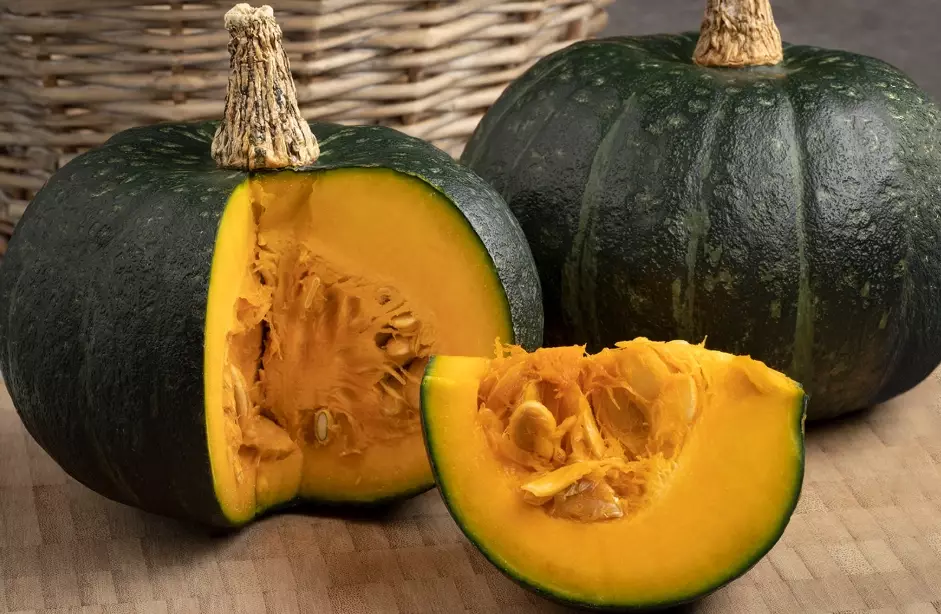
Your Kabocha Roadmap: From Store to Table
This is the practical part. Let's walk through the whole process so you feel confident.
Picking the Perfect Kabocha
You want one that's been allowed to fully mature and sweeten. Here’s what to look for:
- The Skin Color: Look for a deep, matte green. Some light green or grey speckling/streaking is totally normal and fine. Avoid ones with large soft spots, cracks, or cuts.
- The Stem: Check the stem (the little nub on top). It should be dry, corky, and intact. A green, moist stem can indicate it was picked too early.
- The Weight Test: This is the most important trick. Pick it up. A good kabocha squash should feel heavy for its size. This heaviness indicates dense, moist flesh inside, not dry or hollow spots.
- The Sound Test (Optional but fun): Give it a gentle tap with your knuckle. It should sound solid and dull, not hollow.
Don't be afraid of a few superficial scars or a dull-looking rind. That's just character. It's what's inside that counts.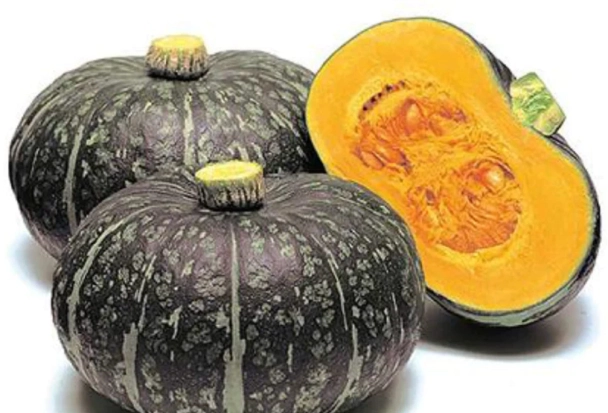
How to Store It
One of the best things about winter squash is its shelf life. An uncut kabocha can sit happily in a cool, dry place in your kitchen (not the fridge) for a month or more. Once you cut it open, wrap the unused portion tightly in plastic wrap and store it in the refrigerator for up to 5 days. You can also cook and mash or puree it and freeze it for several months. I often roast a whole one, scoop out the flesh, and freeze it in one-cup portions for quick soups or muffins later.
The Infamous Cut: How to Slice a Kabocha Safely
This is the hurdle that stops most people. The skin is hard. The shape is round. It can be intimidating.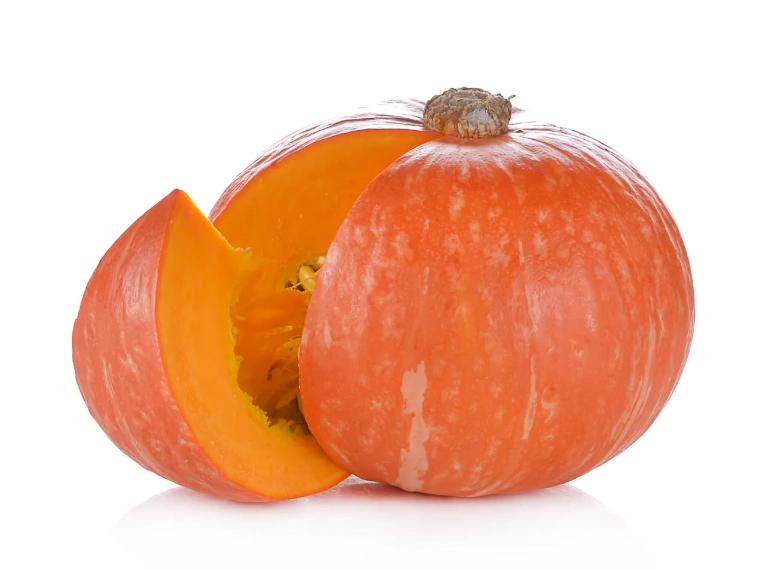
Safety First: Use a large, sharp chef's knife. A dull knife is more dangerous as it can slip. Place a damp towel under your cutting board to keep it from sliding. Go slow.
Here's my tried-and-true method:
- Stabilize: Place the squash on a sturdy cutting board. If it's rolling, slice a tiny piece off the bottom or top to create a flat surface. This is a game-changer.
- Top Off: With the squash stabilized, carefully slice off the stem end and a small piece of the bottom. You now have two flat ends.
- Halve It: Stand the squash upright on one of its flat ends. Carefully but firmly press your knife down through the center from top to bottom. You might need to rock the knife a bit or give the back of the blade a tap with a mallet (be careful!). Once the knife is embedded, you can sometimes just push down on the handle to crack the rest of the way through.
- Scoop and Slice: Use a sturdy spoon to scoop out the seeds and stringy pulp. Now, with the flat, cut-side down, you can slice it into wedges or cubes. For cubes, cut the half into slices, then cut the slices into chunks.
If the skin is still too daunting, you can microwave the whole squash for 2-3 minutes first to slightly soften it. Or, you can roast it whole! Poke a few holes in it with a fork and roast at 400°F (200°C) for 30-45 minutes until just tender enough to cut. Let it cool, then halve and scoop.
Cooking Methods: Unleashing the Flavor
Now for the fun part. How do you turn this hard green orb into something delicious? Here are the top ways, ranked by my personal preference.
1. Roasting (The King of Methods)
Roasting concentrates the natural sugars and creates beautiful caramelized edges. It's my absolute favorite way to cook kabocha squash.
For Wedges or Cubes: Toss your chunks with a high-heat oil (avocado, grapeseed), salt, and maybe a sprinkle of smoked paprika or curry powder. Spread on a parchment-lined baking sheet in a single layer. Roast at 425°F (220°C) for 25-35 minutes, flipping once, until fork-tender and browned at the edges.
For a Whole Half: Brush the cut side with oil, place cut-side down on a sheet, and roast at 400°F (200°C) for 45-60 minutes until very soft. You can then scoop out the flesh or eat it right from the shell.
Roasted kabocha is perfect as a side, tossed into salads (it's amazing with bitter greens like arugula and a tangy vinaigrette), or added to grain bowls.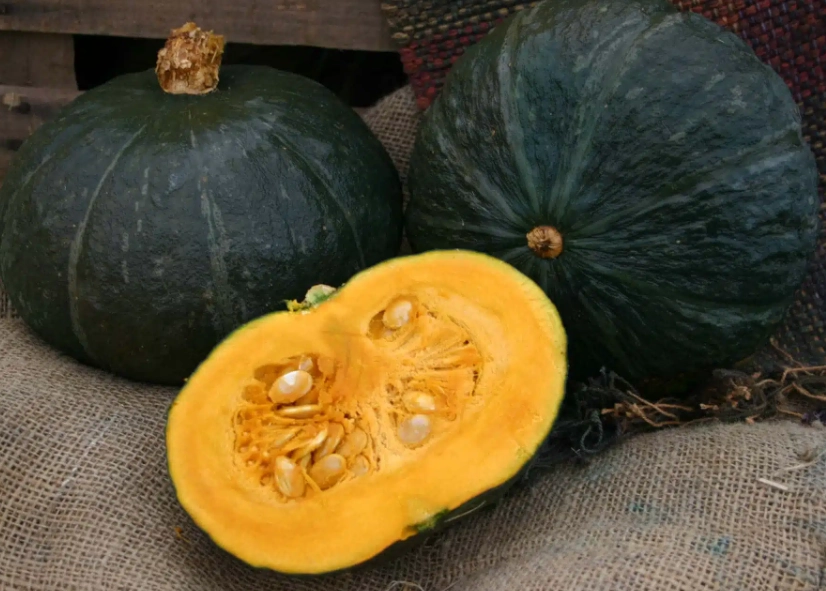
2. Steaming or Boiling (For Purees & Soups)
This is the gentlest method, perfect when you want a smooth, neutral-flavored puree for soups, pies, or baby food. Steam or boil chunks until very tender, 15-20 minutes. Drain well, then mash or blend. For an ultra-silky soup, a high-powered blender or an immersion blender is your best friend. A great base recipe can often be found on sites dedicated to foundational cooking techniques, like Serious Eats, which often explores the science behind the best methods.
3. Sautéing or Stir-Frying
Thin slices or small cubes of kabocha are fantastic in stir-fries. They hold their shape well. Par-cook them by steaming or microwaving for a few minutes first, then finish them in a hot wok or skillet with your other veggies and sauce. It's a common ingredient in Japanese dishes like kabocha no nimono (simmered squash).
4. In the Microwave (The Speed Demon)
In a pinch, place chunks in a microwave-safe dish with a tablespoon of water. Cover and microwave on high for 5-8 minutes, checking for tenderness. It works, but you won't get the caramelized flavor of roasting.
Recipe Inspiration: Beyond the Basic Side Dish
Once you've mastered the basic cooked kabocha squash, a world of recipes opens up. Here are a few ideas to get your creativity flowing:
- Savory Kabocha Soup: Sauté an onion, add roasted kabocha flesh and vegetable broth, simmer, and blend. Finish with a swirl of coconut milk and a sprinkle of toasted pepitas. The natural sweetness makes a fantastic curry soup base too.
- Kabocha Mash: Swap it for potatoes. Boil or steam chunks, mash with a bit of butter, roasted garlic, salt, and pepper. It's lighter and sweeter than potato mash.
- Roasted & Stuffed: Roast halves, then fill the "bowl" with a mixture of cooked quinoa, sautéed kale, onions, and crumbled feta or goat cheese. Bake again until warm.
- In Baked Goods: Use kabocha puree exactly like pumpkin puree. Kabocha muffins, bread, or even pancakes are incredible. The flavor is deeper and more complex.
- In a Salad: Add cold, roasted kabocha cubes to a salad with massaged kale, farro, dried cranberries, and a maple-dijon vinaigrette.
The key is to treat it as a versatile, sweet, and starchy vegetable. It pairs beautifully with flavors like sage, thyme, rosemary, nutmeg, ginger, cumin, chili, coconut, maple, and salty cheeses.
My personal favorite lazy meal? Roasted kabocha chunks tossed with chickpeas, red onion, and broccoli on a sheet pan. Drizzle everything with olive oil, salt, pepper, and lots of smoked paprika. Roast at 425°F until done. It's a complete, hands-off dinner.
No, you don't. The skin is edible once cooked. For roasting, I almost never peel it. For a super-smooth soup or puree where texture is paramount, you might want to peel it, but it's not a requirement for safety or digestibility. Try it with the skin on first—you might be surprised.
It's sweeter and denser than butternut squash. Think of the sweetness of a sweet potato combined with the earthy, nutty flavor of a chestnut or a roasted pumpkin. It's not bland at all.
Yes, in most recipes. The main differences are the sweeter flavor and the fact that kabocha puree will be thicker and less watery. If substituting in a soup, you might need a touch more liquid. In baking, it's a nearly 1:1 swap for pumpkin or butternut puree.
It was likely picked too early. A mature, properly stored kabocha is very sweet. The sweetness also intensifies with cooking methods that caramelize the sugars, like roasting. Boiling tends to preserve a more neutral flavor.
Technically, yes, it's not toxic. But it's extremely hard and starchy raw, with little flavor. Cooking is necessary to soften it, break down the starches into sugars, and make it palatable and digestible. Don't eat it raw.
You can find kabocha squash in most well-stocked supermarkets, especially during fall and winter. It's a staple at Asian grocery stores (where it's often very affordable), farmers' markets, and stores like Whole Foods or Trader Joe's (they sometimes have it seasonally).
The Final Verdict
So, is kabocha squash worth the extra effort of learning how to tackle its tough exterior?
Absolutely.
It offers a unique combination of exceptional flavor, incredible nutritional value, and real versatility in the kitchen. It's the kind of ingredient that can elevate a simple weeknight meal into something special. It's more than just another winter squash; it's a culinary experience.
Start with roasting. Get a feel for its flavor. Once you do, you'll understand the hype. You might just find yourself, like I did, scanning the produce section every fall, looking for those little dark green globes, knowing that a pot of sweet, creamy soup or a tray of caramelized roasted squash is in your near future.
Give it a try. Your taste buds (and your body) will thank you.
Reader Comments