Let's be honest. The dream of homemade pickles often crashes into the reality of a soggy, disappointing spear. You followed a recipe, waited weeks, and... mush. I've been there. My first batch was so soft you could drink it through a straw. The problem almost always starts before the jar—with the cucumber itself. Not all cucumbers are created equal for the brine.
What's Inside This Pickling Guide?
Why the Right Cucumber Variety is Everything
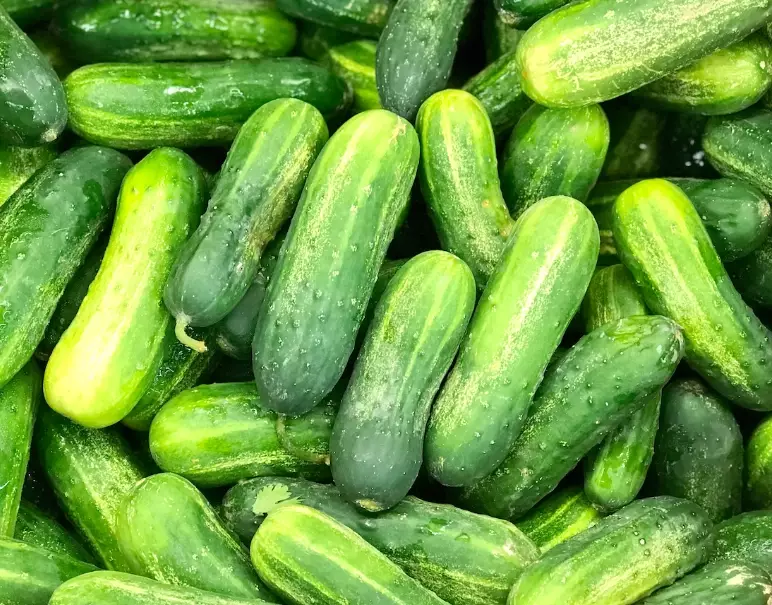
Walk into any grocery store and you'll see piles of long, dark green slicing cucumbers. Those are for salads. For pickling, you need a different beast entirely. Pickling cucumbers are bred for the job: they're smaller, blockier, and have thicker, bumpier skin that holds up under the acidic assault of vinegar or fermentation.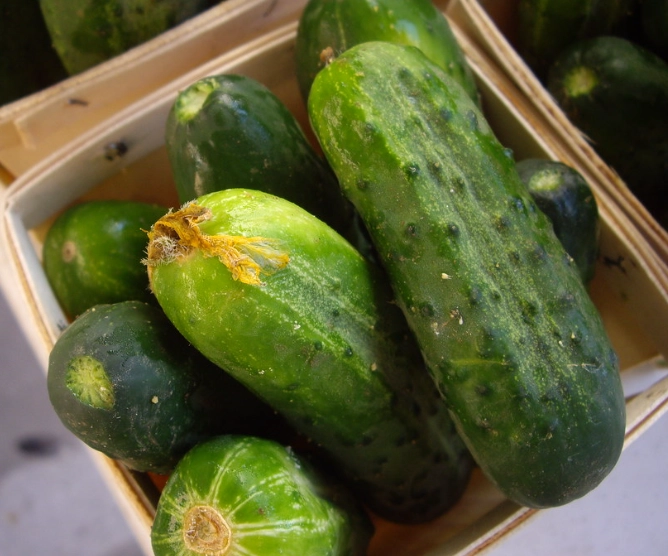
The skin is your pickle's armor. Thinner-skinned slicers let in too much brine too fast, turning the flesh waterlogged and weak. Pickling varieties also have firmer flesh and smaller seed cavities, which means more crunchy pickle and less hollow, slimy center.
Here’s a quick breakdown of the champions:
| Variety | Best For | Key Traits & Tips |
|---|---|---|
| Kirby | The gold standard. All-purpose. | Small (3-6 inches), super crunchy, bumpy skin. Perfect for spears, chips, whole gherkins. |
| Boston Pickling | Classic dill pickles, fermentation. | Slightly larger than Kirby, uniform shape, excellent texture. A heritage favorite. |
| National Pickling | Bread & butter chips, sweet pickles. | Straight, blocky fruit that's easy to slice uniformly. Reliable producer. |
| Gherkin | True cornichons, tiny pickles. | Very small (1-3 inches), prickly skin. Harvest them daily when they're tiny. |
How to Select the Perfect Pickling Cucumber
You've found a source for the right variety. Now, eyeing the pile, how do you choose?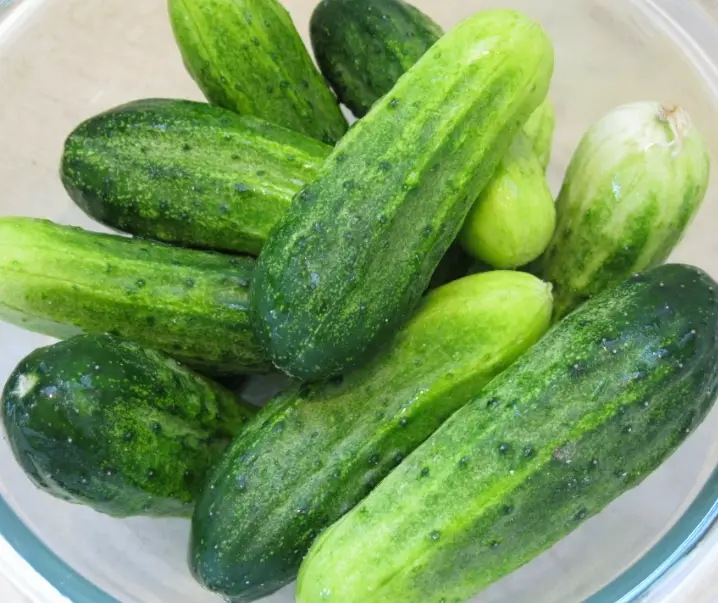
Size is critical. For the ideal crunch-to-brine ratio, pick cukes between 3 and 6 inches long. Anything larger starts to develop those big, watery seeds. I pass on anything bigger than my hand.
Feel is everything. A good pickling cucumber should feel rock-hard, with no give when you apply gentle pressure. If it has any soft spots or wrinkles, it's already past its prime for pickling. The skin should be a vibrant, consistent green. Avoid any with yellowing—that's a sign of over-maturity.
Shape matters for packing. Relatively straight cucumbers are much easier to pack into jars neatly than severe curves. A few bends are fine, but the corkscrew ones are best left for relish.
Timing is Everything: From Vine to Jar
This is the most overlooked step, and it happens before you even get to the kitchen. The enzyme activity that leads to mush starts as soon as the cucumber is picked. The goal is to minimize that time gap.
My rule? Pick or buy in the morning, and have them in the brine by dinner. If you must store them, don't leave them on the counter. Unwashed, place them in a breathable bag or container in the crisper drawer of your fridge. Even then, try to use them within 24 hours. That bag of cukes you forgot in the fridge for a week? They're pickle fodder now. Use them fresh instead.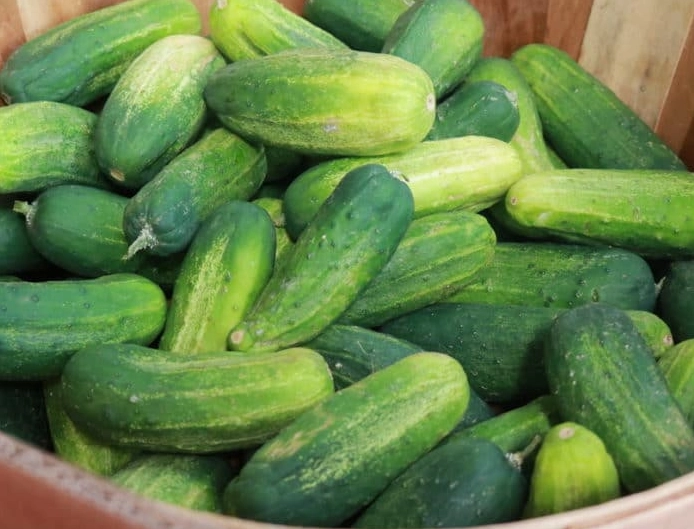
The Non-Negotiable Prep Steps Before Brining
Wash, scrub, trim. This isn't just busywork.
Wash & Scrub: Use cool water and a vegetable brush to remove any field dirt, especially around the bumpy spines. Soil harbors bacteria you don't want in your ferment or canned jar.
The Blossom End Trim: This is the single most important step to prevent mushy pickles. The blossom end (opposite the stem) contains an enzyme that breaks down pectin. You must cut it off. Slice at least 1/16th of an inch off. If you're processing a lot, it's easier to slice off the very end of each cuke and then cut it into spears or chips. Don't get lazy here.
To Soak or Not to Soak? An old trick is to soak the trimmed cucumbers in a ice water bath for 2-4 hours (or even overnight in the fridge). This plumps the cells with icy water, resulting in an extra-crispy texture. It works, especially if your cukes aren't garden-fresh. For a guaranteed crunch, I always do this. Just drain them thoroughly before packing.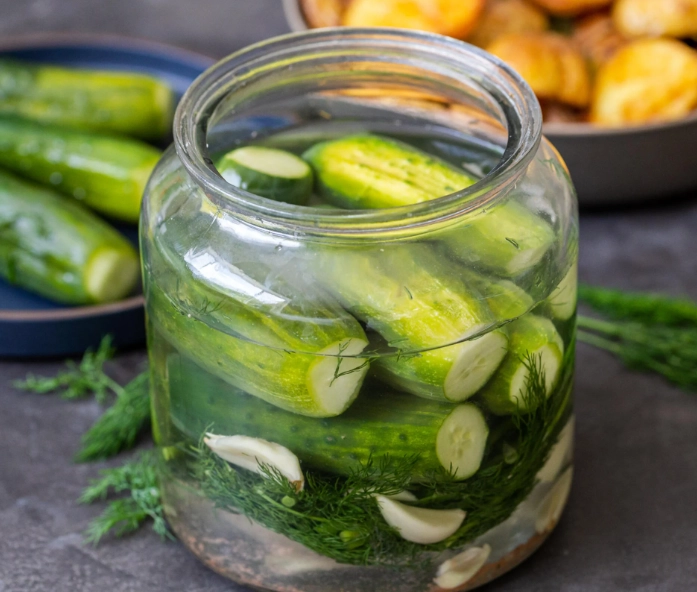
Why Are My Pickles Soft? (And How to Fix It)
Let's troubleshoot. If your pickles are soft, one of these culprits is likely to blame.
- Wrong Cucumber: You used a slicing cucumber. Solution: Start over with a proper pickling variety.
- Blossom End Not Removed: That enzyme did its work. Solution: Remember to trim next time.
- Over-processing: Boiling your jars in a water bath for too long cooks the crunch right out. For pickles, process only for the minimum time stated in a tested recipe from a source like the National Center for Home Food Preservation. For maximum crunch, make refrigerator pickles.
- Old or Wilted Cucumbers: They were soft before they went in. Solution: Source fresher produce.
A Simple, Reliable Refrigerator Pickle Recipe
No canner? No problem. Refrigerator pickles are your best friend. They're quick, require no special equipment, and stay incredibly crisp because they're never heated. This is my go-to base recipe for a 1-quart jar.
Ingredients:
- ~1.5 lbs fresh pickling cucumbers, washed, trimmed, cut into spears or 1/4" chips
- 1 cup distilled white vinegar (5% acidity)
- 1 cup water
- 1 tbsp pickling or kosher salt (non-iodized)
- 2 tbsp sugar (optional, for balance)
- 4 cloves garlic, smashed
- 2 tsp dill seed (or 4-5 fresh dill heads)
- 1 tsp black peppercorns
- 1/2 tsp red pepper flakes (optional)
Method:
Pack your prepped cucumbers tightly into a clean quart jar. Add the garlic and spices. In a saucepan, combine vinegar, water, salt, and sugar. Bring just to a boil, stirring to dissolve. Let this brine cool completely to room temperature. Pour the cooled brine over the cucumbers, ensuring they are fully submerged. Seal the jar and refrigerate. Wait at least 24 hours for flavors to develop. They'll keep for 2-3 months in the fridge, getting better each week.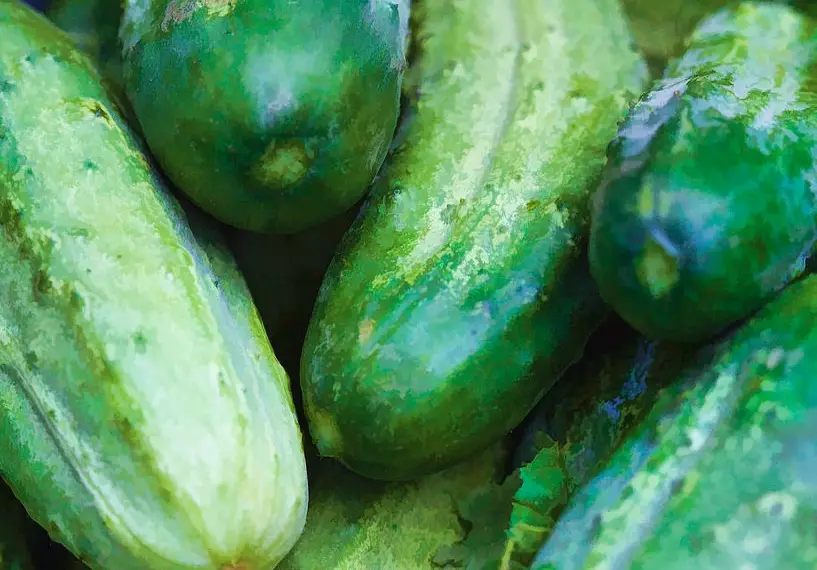
Storage, Shelf Life, and Enjoying Your Pickles
Refrigerator Pickles: Store in the fridge. They're ready in a day, good for months. The vinegar brine acts as a preservative in the cold environment.
Canned (Shelf-Stable) Pickles: Once processed in a boiling water bath, store in a cool, dark pantry for up to a year. For best flavor and texture, try to consume them within that year. The crunch will slowly diminish over time.
Fermented Pickles: These live in their salty brine at room temperature until fermented to your liking (taste them daily!). Once they're sour enough, move them to the fridge to slow down fermentation. They'll keep for several months refrigerated.
Use them. Don't just admire the jar. Chop them into potato salad, layer them on burgers, mince them into tartar sauce, or enjoy that cold, crunchy spear straight from the jar on a hot day. That's the reward.
Frequently Asked Pickling Questions
Can you use regular cucumbers for pickling?
Why did my pickling cucumbers get soft and mushy?
Do I need special equipment to start pickling cucumbers at home?
How long do home-pickled cucumbers need to sit before eating?
Reader Comments