Your Artichoke Season Roadmap
- What Exactly Does "Artichoke Season" Mean?
- The Major Factors That Shape Artichoke Season
- The Artichoke Season Calendar: A Region-by-Region Breakdown
- How to Find and Choose Artichokes in Their Prime
- What to Do With Your Seasonal Bounty
- Growing Your Own: Playing by the Season's Rules
- Your Artichoke Season Questions, Answered
Let's cut straight to the chase. If you're wondering when is artichoke season, the simple answer is spring. More specifically, the peak of the season runs from March through May, with a decent second act in the fall, around October. But honestly, that's like saying "pizza is from Italy." It's true, but it doesn't tell you about the amazing New York slice or the Chicago deep-dish. The real story of artichoke season is way more interesting and depends entirely on where you are and what you're looking for.
I remember the first time I tried to grow artichokes. I planted them in summer, thinking all vegetables loved the heat. Big mistake. The plants struggled, produced one puny, tough artichoke, and then gave up. It was a lesson learned the hard way about respecting a plant's natural cycle. Knowing when artichokes are in season isn't just trivia; it's the difference between a steamed leaf so tender you can eat the whole thing, and a fibrous, disappointing chore on your plate.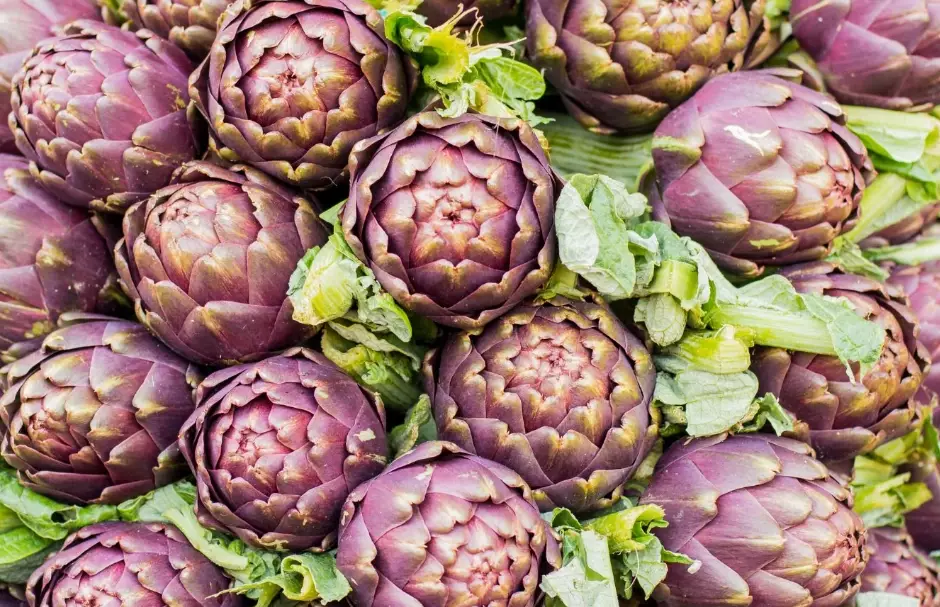
What Exactly Does "Artichoke Season" Mean?
We're talking about the globe artichoke here, the big, beautiful, edible flower bud you see in grocery stores. Its season is the time of year when these plants are actively producing their main harvest. It's not a single date, but a window. And this window is pried open by a combination of factors that farmers watch like hawks.
The plant itself is a perennial thistle. It needs a specific pattern of weather to trigger it to produce those delicious buds we love: a period of cool temperatures (what growers call "vernalization") followed by warmer, sunnier days. This is why the season has its distinct peaks. If you're asking when is the season for artichokes, you're really asking about this plant's internal clock and how it responds to its environment.
Quick Reality Check: You might see artichokes in stores year-round, especially if you live near a major growing region like California. That's thanks to modern farming, different varieties, and imports. But the ones you get in December? They're often not as sweet, tender, or affordable as the ones you'll find smack in the middle of the local peak season. There's just no beating nature's schedule for flavor.
The Major Factors That Shape Artichoke Season
Why isn't there one universal artichoke season calendar? A few big reasons.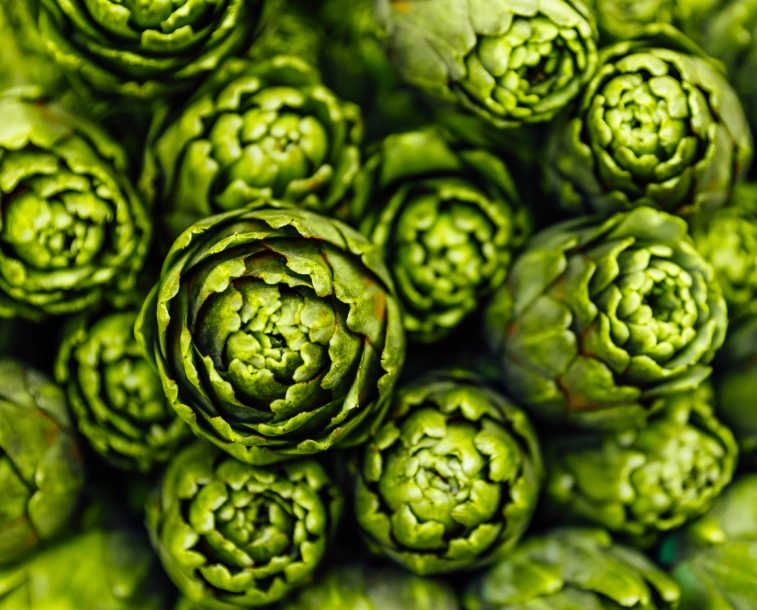
1. Geography is Everything (Sorry, Midwest)
Artichokes are picky. They thrive in mild, coastal climates with cool, foggy summers and frost-free winters. This is why California's Central Coast, particularly around Castroville (which calls itself the "Artichoke Center of the World"), dominates U.S. production. According to the California Department of Food and Agriculture, the state grows nearly 100% of America's commercial artichoke crop. Their season is the blueprint.
Other regions have to adapt. Coastal Oregon and Washington have shorter, later seasons. In the Mediterranean (think Italy, Spain, Egypt), the seasons shift slightly but follow the same cool-warm pattern. If you're trying to find local artichokes in, say, Minnesota, your season will be incredibly short and heavily dependent on a very kind summer.
2. The Weather Rollercoaster
A late frost can delay things. An unusually warm winter can make the plants confused and produce early, often smaller buds. A heatwave in spring can cause the artichokes to bolt—flower too quickly—making them woody and inedible. Drought stress? That leads to smaller size. When people ask when is artichoke season this year, farmers are often looking at the weather forecast from three months ago for the answer.
I've talked to small-scale growers who say this is the most frustrating part. You can do everything right, but one weird weather week can shorten or compromise your prime harvest window.
3. Variety Matters
Not all artichoke plants are the same. The big, round 'Green Globe' is the classic, but newer varieties like 'Imperial Star' have been bred to be more adaptable and produce well as annuals in different climates, which can slightly alter their harvest time. Some baby or purple artichoke varieties might have different peak moments within the broader season.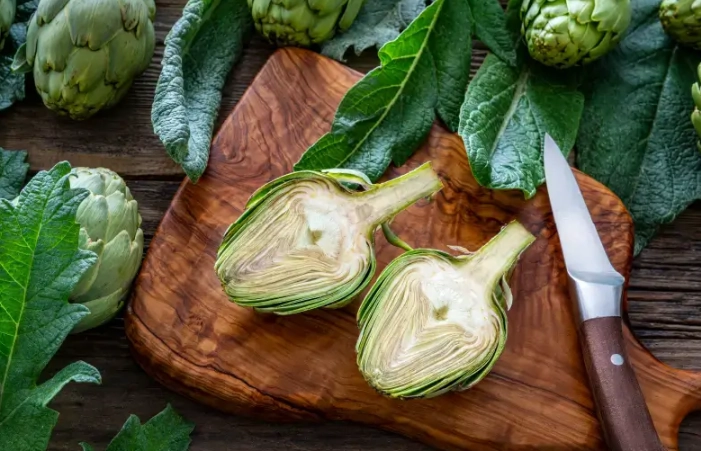
The Artichoke Season Calendar: A Region-by-Region Breakdown
Here’s where the rubber meets the road. This table gives you a clearer picture of when artichoke season hits in different places. Remember, these are typical peaks. A cold, wet spring pushes it later; a mild one brings it earlier.
| Region | Primary Peak Season | Secondary Harvest / Notes | What to Expect |
|---|---|---|---|
| California (Central Coast) | March – June | October – November (smaller fall crop) | The motherlode. Largest, most consistent supply and variety. This is where your supermarket artichokes likely come from in spring. |
| Pacific Northwest (OR, WA coast) | Late May – July | Sometimes a light fall harvest | Shorter, later season due to cooler springs. Artichokes from here can be exceptionally sweet. |
| Mediterranean (Italy, Spain, Egypt) | February – April (Spring) October – December (Fall) |
Varies by country; Egypt exports heavily in winter. | Two distinct peaks. European varieties can be slightly different in shape. Winter imports fill U.S. gaps. |
| Home Garden (Temperate Zones) | Late Spring (Year 2+) | N/A for most annual plantings | If you grow perennial types, you'll get a main harvest in late spring/early summer of the plant's second year and beyond. |
| Southern Hemisphere (Chile, Peru) | September – November | Their spring is our fall. | This is the source for many off-season imports in the Northern Hemisphere, helping with year-round supply. |
See how it changes? If you're in Chicago, your "local" season is practically non-existent, so you're at the mercy of California's timeline. But if you're in San Francisco, you have a front-row seat to the whole show from late winter onward.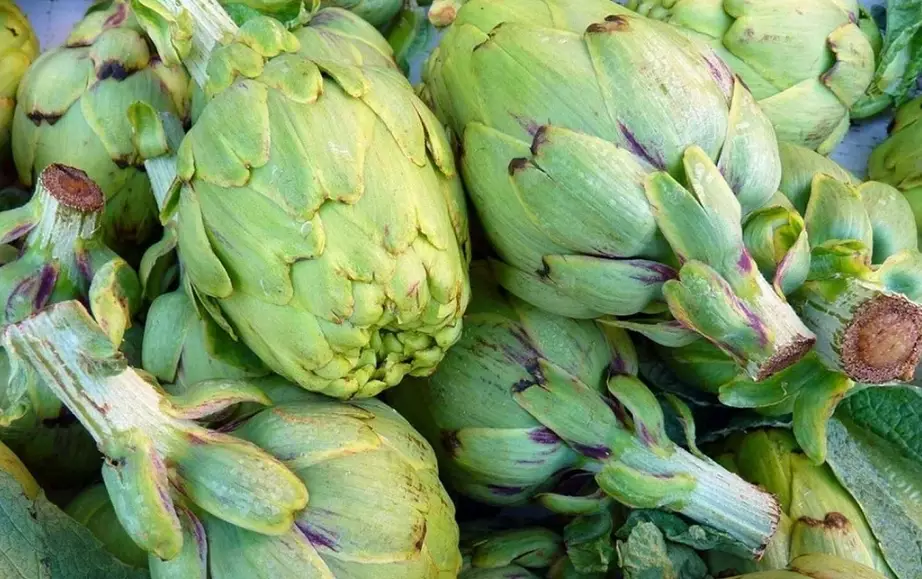
A Personal Gripe: The whole "year-round availability" thing has a downside. It has made some people forget what a truly in-season artichoke tastes like. The off-season ones are often stored for ages, have drier leaves, and a more muted flavor. They've made the exceptional seem ordinary, and that's a shame.
How to Find and Choose Artichokes in Their Prime
Knowing when artichokes are in season is half the battle. The other half is picking the good ones when you get there.
First, seek out the source. During peak season (March-May), don't just go to the big supermarket. Check farmers' markets. The difference is night and day. A farmer's market artichoke was likely picked within a day or two. It's heavier, squeakier, and just... livelier.
The Squeeze Test: A fresh, in-season artichoke should feel heavy for its size. Give it a gentle squeeze. The leaves should be tight together, not splayed open. Splayed leaves mean it's over-mature and will be tougher and have a larger, fuzzier choke inside. A tight, compact head is what you want.
Look at the color. It should be a consistent green (or purple, if it's a purple variety), not blackened at the tips or showing lots of brown. The stem is a great indicator, too—it should look freshly cut and be firm, not dry and shriveled. If the leaves squeak when you rub them together, that's a fantastic sign of freshness.
And size? This is a personal preference, but medium-sized artichokes are often the sweetest and most tender. The giant ones can be impressive, but sometimes the heart isn't proportionally larger, and you're just dealing with more leaves. The tiny "baby" artichokes are actually just smaller buds from the same plant—they're fully edible, choke and all, and are fantastic for roasting whole.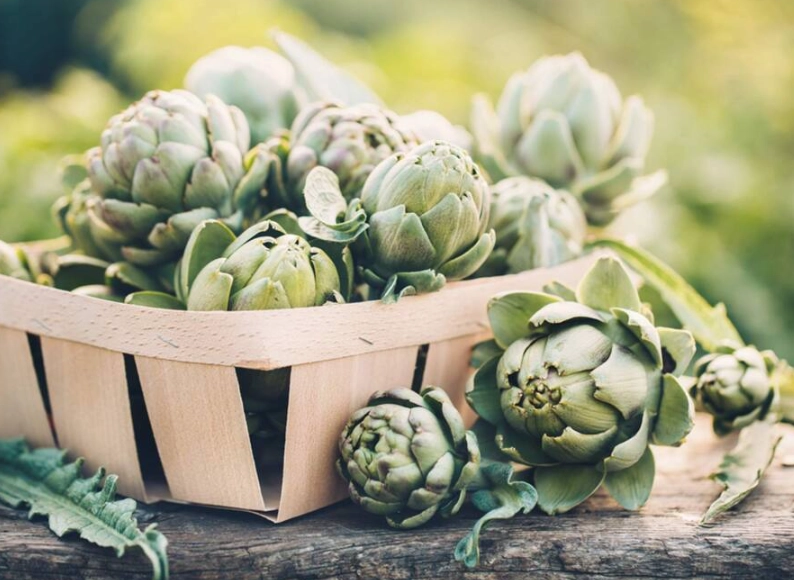
What to Do With Your Seasonal Bounty
You've nailed the timing and picked perfect artichokes. Now what?
Steaming is the classic for a reason—it's simple and preserves the delicate flavor. But don't stop there. Grilling halved artichokes (par-boil them first) with a little olive oil and garlic is a game-changer. The char adds a whole new dimension. Roasting them whole, stuffed with herbs and lemon, makes for an incredible, hands-off side dish. You can even shave them raw into salads if they're young and tender enough.
Storing them right is key. Don't wash them until you're ready to use them. Pop them in a plastic bag in the crisper drawer, and they should last a solid week. If you need more time, you can trim and cook them, then store the cooked hearts or leaves in their cooking liquid in the fridge for a few more days.
My favorite way? Honestly, just steamed with a bowl of melted butter mixed with a little lemon juice. When the artichoke is in peak season, it doesn't need much fuss. The flavor speaks for itself.
Growing Your Own: Playing by the Season's Rules
Want the ultimate control over when your artichoke season happens? Try growing them.
It's a commitment. In mild climates (USDA zones 7-11), you can grow them as perennials. Plant crowns in fall or early spring. The first year, the plant is establishing itself. You might get a small harvest late that first summer, but the real payoff comes in the spring of the second year, when you'll get your main flush of buds. This aligns perfectly with the commercial spring peak.
In colder areas, you can grow annual varieties like 'Imperial Star' from seed started indoors very early. You'll harvest your buds in mid to late summer—a different rhythm entirely, but still rewarding. The USDA Plant Hardiness Zone Map is your best friend here to figure out what's possible in your area.
It's not the easiest vegetable, but pulling a steaming artichoke from your own garden in June is a feeling that's hard to beat. Just be prepared for them to be space hogs—those silvery-green plants can get huge and architectural.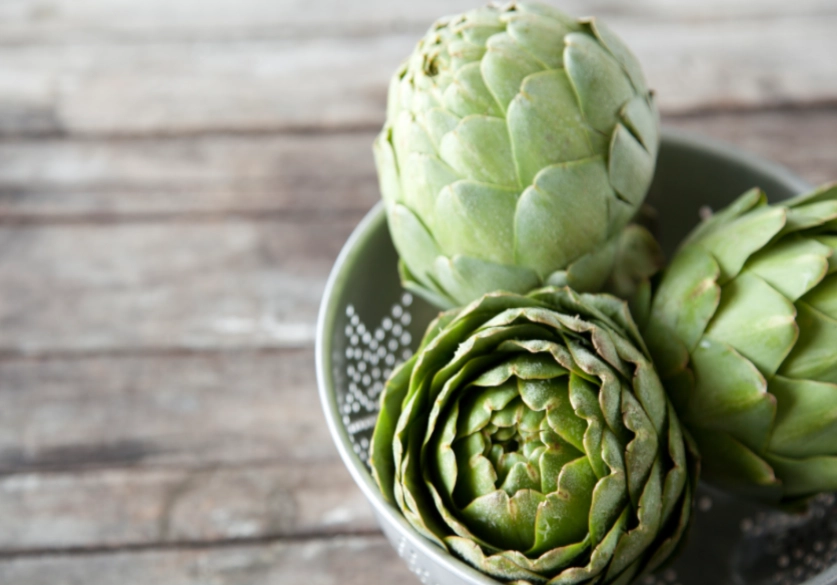
Your Artichoke Season Questions, Answered
Final Thought: Learning about when is artichoke season is more than just memorizing dates. It's about connecting with the rhythm of how real food grows. It makes you a smarter shopper, a more adventurous cook, and gives you a deeper appreciation for that weird, wonderful thistle bud on your plate. Chase the season, and you'll never be disappointed.
So mark your calendar for late March. Start checking your local farmers' market in April. Get the steamer ready. Because now you know exactly what to look for and when to find it. Happy hunting.
Reader Comments