Let's cut to the chase: Caesar dressing typically packs between 80 to 150 calories per tablespoon, depending on how it's made. That's a lot for a condiment, and if you're like me, you've probably poured it over a salad without thinking twice. But understanding those calories can help you make better choices, whether you're watching your weight or just curious about what's in your food.
What You'll Find in This Guide
How Many Calories Are in Caesar Dressing?
I remember the first time I checked the label on a bottle of store-bought Caesar dressing. It said 110 calories per tablespoon. My heart sank a little—that's almost as much as a small cookie! But it's not all doom and gloom. The calorie count varies widely based on the recipe.
Here's a quick breakdown from common sources:
| Type of Caesar Dressing | Calories per Tablespoon (approx.) | Notes |
|---|---|---|
| Store-bought, regular | 90-120 calories | Often higher due to added oils and stabilizers. Brands like Kraft or Newman's Own fall in this range. |
| Homemade, traditional | 80-100 calories | Based on a classic recipe with olive oil, egg yolk, Parmesan, and anchovies. You control the ingredients. |
| Light or reduced-fat versions | 40-70 calories | These use substitutes like yogurt or less oil, but taste can suffer. I've tried some that were downright watery. |
| Restaurant-style | 100-150 calories | Often richer, with more oil and cheese. A Caesar salad at a chain like Olive Garden can have over 300 calories just from dressing. |
Why such a range? It boils down to ingredients. Traditional Caesar dressing is an emulsion of oil, egg yolk, lemon juice, garlic, anchovies, and Parmesan cheese. Oil is the biggest culprit—each tablespoon of olive oil adds about 120 calories on its own. So, if a recipe calls for half a cup of oil, you're looking at nearly 1,000 calories from oil alone.
I once made a batch using a recipe from a famous chef. It called for a whole cup of oil! The dressing was delicious, but I ended up using it sparingly for weeks. That's a mistake many home cooks make: not realizing how calorie-dense these ingredients are.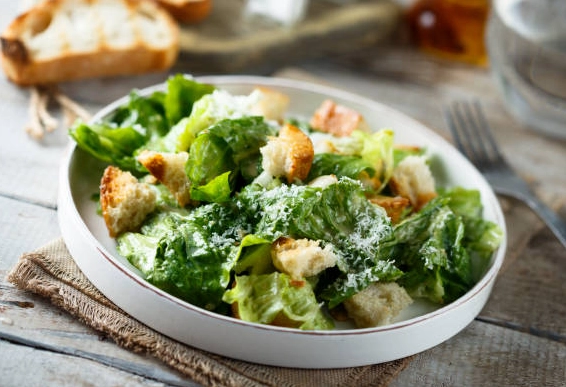
What Makes Caesar Dressing High in Calories?
Let's dive deeper. The high calories in Caesar dressing come from fats, and here's where it gets interesting. Fats aren't inherently bad—they provide flavor and texture—but they add up quickly.
Oil: This is the main player. Whether it's olive oil, canola oil, or something else, oil is pure fat. One tablespoon has around 120 calories. In a standard recipe, you might use 1/2 to 1 cup of oil, contributing 600 to 1,200 calories to the entire batch. That's why measuring matters. I've seen people just pour oil in without thinking, and the calorie count skyrockets.
Egg Yolks: Each yolk adds about 55 calories and more fat. They help emulsify the dressing, but if you use two or three yolks, that's an extra 100-150 calories.
Cheese: Parmesan cheese is another source. A quarter cup of grated Parmesan has about 110 calories. It adds that salty, umami kick, but it's not calorie-free.
Anchovies: These are low in calories themselves, but they're often packed in oil, which adds a bit more. Most recipes use only a few fillets, so the impact is minimal.
Combine all these, and you get a dressing that's rich and flavorful but also calorie-heavy. The USDA National Nutrient Database provides detailed breakdowns for these ingredients, which I often refer to for accuracy.
Here's a tip many overlook: the type of oil matters. Extra virgin olive oil has the same calories as regular olive oil, but it might have health benefits. However, for calorie counting, they're identical. I made the mistake once of thinking "healthy" oil meant fewer calories—nope, it's all about the quantity.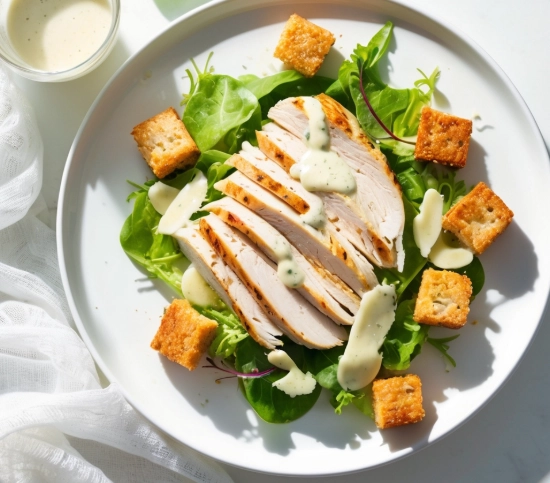
How to Calculate Caesar Dressing Calories for Your Salad
Let's get practical. You're at home, making a Caesar salad. How do you figure out the calories? It's easier than you think, but most people guess wrong.
First, weigh or measure your ingredients. I use a kitchen scale for precision. For example, if you're making a traditional dressing:
- 1/2 cup olive oil: 960 calories (based on 120 calories per tablespoon, with 16 tablespoons in a cup)
- 2 egg yolks: 110 calories
- 1/4 cup Parmesan: 110 calories
- Other ingredients (lemon juice, garlic, anchovies): negligible calories, say 20 total
Total for the batch: about 1,200 calories. Now, if this makes about 1 cup of dressing (16 tablespoons), each tablespoon has roughly 75 calories. But wait—that's lower than the store-bought version? Yes, because homemade often uses less filler. However, if you add more oil or cheese, it goes up.
For store-bought, just check the label. But here's a common pitfall: serving sizes are often listed as 2 tablespoons, but people pour way more. I've seen friends drown their salads in dressing, adding 4 or 5 tablespoons. That's 400-500 calories just from dressing!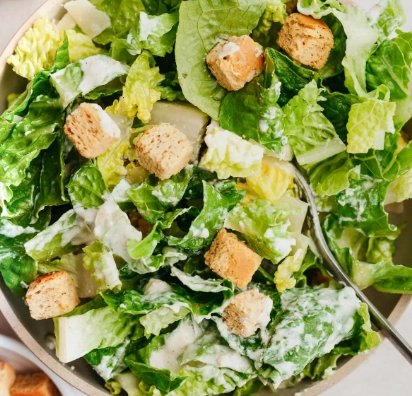
Imagine a scenario: you're at a restaurant. They don't list calories on the menu. A typical Caesar salad dressing portion there might be 3-4 tablespoons. Based on my experience, that's 300-600 calories. Add croutons and cheese, and your "healthy" salad could be over 800 calories. Ouch.
To avoid this, ask for dressing on the side. I always do. Then, use a spoon to measure out 1-2 tablespoons. It feels fussy at first, but it saves you from calorie overload.
Healthier Alternatives and Low-Calorie Recipes
Now, the fun part: making Caesar dressing that's lower in calories but still tastes good. I've experimented a lot, and here's what works.
Greek Yogurt Substitute: Replace half the oil with plain Greek yogurt. For example, in a recipe calling for 1/2 cup oil, use 1/4 cup oil and 1/4 cup Greek yogurt. Greek yogurt has about 15 calories per tablespoon, compared to oil's 120. That cuts the calories by almost half. The dressing becomes creamier and tangier. I prefer full-fat yogurt for flavor, but low-fat works too.
Reduce the Cheese: Use less Parmesan or try a stronger cheese like Pecorino, so you need less. A little goes a long way.
Add More Lemon Juice or Vinegar: These add flavor without calories. I sometimes use white wine vinegar for a sharper taste.
Use an Immersion Blender: This helps emulsify the dressing with less oil. I've found that blending thoroughly allows you to use 25% less oil without sacrificing texture.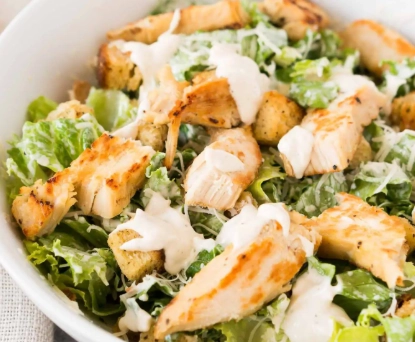
Here's a recipe I've perfected over the years. It has about 50 calories per tablespoon:
- 1/4 cup olive oil (480 calories)
- 1/2 cup Greek yogurt (about 120 calories)
- 1 egg yolk (55 calories)
- 2 tablespoons grated Parmesan (about 55 calories)
- Juice of 1 lemon (10 calories)
- 2 garlic cloves, minced
- 3 anchovy fillets, mashed
- Salt and pepper to taste
Blend everything until smooth. This makes about 1 cup, so per tablespoon: roughly 50 calories. It's not as rich as the traditional version, but it's still delicious. I served it at a dinner party once, and no one guessed it was lower in calories.
Another trick: add a splash of Worcestershire sauce instead of anchovies if you're not a fan. It adds depth without many calories.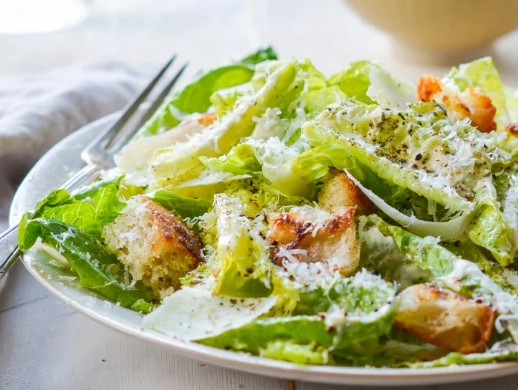
Remember, low-calorie doesn't mean no-calorie. Even with substitutions, Caesar dressing will have some heft. The goal is balance—enjoy it without overdoing it.
Frequently Asked Questions
Wrapping up, Caesar dressing calories aren't a mystery once you break down the ingredients. Whether you're dining out or cooking at home, a little knowledge goes a long way. Measure your portions, tweak recipes, and don't be afraid to try lighter versions. After all, food should be enjoyed, not feared.
Reader Comments