Quick Navigation
- The Four Unbeatable Signs Your Butternut Squash Is Ready
- The Calendar is a Guide, Not a Boss
- How to Harvest: Don't Just Twist and Pull!
- The Step Everyone Skips (And Then Regrets): Curing
- Long-Term Storage: Making Them Last All Winter
- Answers to the Questions You're Actually Asking
- A Quick Comparison: Butternut vs. Its Cousins
- Wrapping It Up: Your Harvest Checklist
Let's be honest. Figuring out the perfect butternut squash harvest time can feel like a guessing game. You've spent months watering, weeding, and watching those vines sprawl across your garden bed. The last thing you want is to cut them too early and end up with bland, starchy flesh, or wait too long and find them cracked open by the first frost. It's frustrating.
I've been there. One year I got overeager and pulled my entire crop in early September. They looked the part – a decent tan color – but when I cooked them up in November, they were watery and lacked that deep, sweet, nutty flavor we all love. Total disappointment. It taught me that color is just one piece of the puzzle.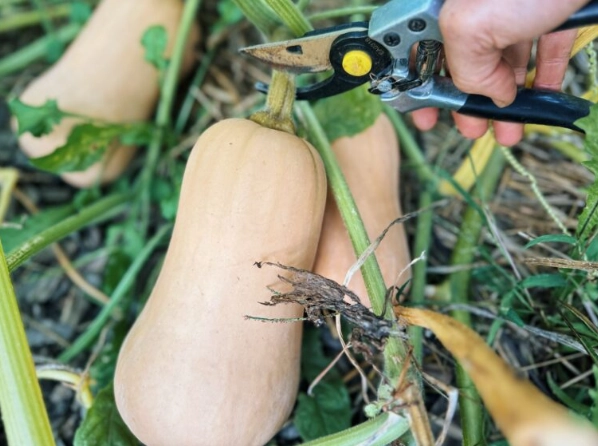
So, when exactly should you harvest butternut squash?
The short, and slightly annoying, answer is: it depends. It depends on your growing zone, the summer weather, and even the specific variety you planted. But don't worry, it's not pure mystery. There are clear, foolproof signs to look for. By the end of this guide, you'll know exactly how to nail the butternut squash harvest time in your own garden, turning that uncertainty into confidence.
The Four Unbeatable Signs Your Butternut Squash Is Ready
Forget complex formulas. Harvesting comes down to checking four simple things. Get three or four of these signs, and your squash is begging to be picked.
1. That Deep, Uniform Tan Skin Color
This is the most obvious sign. Immature butternut squash have a pale, yellowish or greenish skin. As they mature, they develop a rich, uniform beige or tan color. Think of the color of a manila folder or light caramel. The green streaks near the stem should be completely gone.
But here's the catch I learned the hard way: color alone can trick you. A squash can turn tan but still be immature inside if it happened quickly late in the season. So never rely on color by itself.
2. The Famous "Thumbnail Test"
This is the real deal, the gardener's secret weapon. Take your thumbnail and try to gently press it into the skin of the squash. Not the stem, but the main body. If the skin is soft enough for your nail to puncture or leave a deep indentation easily, it's not ready. A mature squash will have a hard, tough rind that resists your nail completely. You shouldn't be able to pierce it at all. If you can, give it another week.
It feels satisfying when you press and nothing happens. That's a good squash.
3. The Stem is Drying and Turning Corky
Look at the stem attaching the squash to the vine. A green, fleshy, flexible stem means the squash is still actively growing and receiving nutrients. When it's harvest time, that stem starts to dry out, shrivel, and turn brown and corky. It looks woody. Often, it may even start to crack where it meets the squash. This is the plant's way of beginning to sever the connection.
4. The Vine is Giving Up
Look at the leaves and the vine leading to your squash. Are they still lush and green, or are they starting to yellow, brown, and die back? As the plant completes its life cycle, the vine will naturally senesce. When the vine near your prime squash is starting to wither, it's a strong signal that the plant has put all its energy into the fruit and is done. This often coincides perfectly with the other signs.
The Calendar is a Guide, Not a Boss
People always ask for a specific month. It's usually late September through October for most temperate regions in the Northern Hemisphere. But that's too vague. A better way is to know your first average fall frost date (you can find this on sites like the USDA Plant Hardiness Zone Map) and count backwards.
Aim to harvest your butternut squash 1-2 weeks before that first frost date. This gives you a safety buffer and time for the crucial curing process. For example, my garden's first frost is around October 20th. So my target butternut squash harvest time window is October 5th-15th, but I start checking those four signs in late September.
| USDA Growing Zone | Typical Planting Time | Typical Butternut Squash Harvest Time Window | Key Consideration |
|---|---|---|---|
| Zones 3-4 | Late May - Early June | Late August - Mid September | Short season. Choose early-maturing varieties (e.g., 'Butterbaby'). Watch frost dates closely. |
| Zones 5-6 | Early - Mid June | Late September - Mid October | The classic timing for many. Ample time to develop full flavor. |
| Zones 7-8 | Mid June - Early July | Mid October - Early November | Long, warm fall allows for a later harvest. Less frost pressure early on. |
| Zones 9-10 | July - August | November - December | Grown as a winter crop. Frost is less of a concern, but maturity signs are king. |
See? It varies. That's why the visual and tactile tests are so much more reliable than any calendar.
How to Harvest: Don't Just Twist and Pull!
You've identified the perfect butternut squash harvest time. Now, how you pick them matters just as much for their storage life.
Use a sharp pair of pruning shears or a sturdy knife. Do not twist or pull the squash off the vine. This almost always tears the stem, leaving a jagged wound that's an open door for rot and mold. You want a clean cut.
Leave a generous stem. Cut the stem at least 2 to 4 inches long above the squash's shoulder. Think of it as a handle. A long, intact, corky stem acts like a seal, protecting the inner flesh. If the stem breaks off flush with the squash (it happens, don't panic), plan to eat that one first, as it won't store as long.
Handle them gently. These aren't baseballs. Avoid dropping, throwing, or bruising them. Any damage to the hard rind compromises its ability to protect the flesh during storage.
The Step Everyone Skips (And Then Regrets): Curing
This might be the most important part of the process after you've nailed the harvest time. Curing is not storage. It's a healing and hardening-off period.
After harvest, don't just stick your squash in the basement. Arrange them in a single layer (not touching) in a warm, dry, well-ventilated spot. Ideal conditions are 80-85°F (27-29°C) with good air circulation for about 10 to 14 days. A sunny porch, a greenhouse bench, or even a table in a warm garage works.
What's happening? The slight warmth helps heal any minor scratches and most importantly, it further hardens the rind. It also helps convert some of the starches to sugars, improving flavor. The stem end will dry and seal completely. This single step can add months to their storage life.
No space for curing? Do the best you can.
If you can't hit the perfect warm temperature, just let them sit in a dry room (like a kitchen or living room) out of direct sun for a couple of weeks before moving them to long-term storage. Something is better than nothing.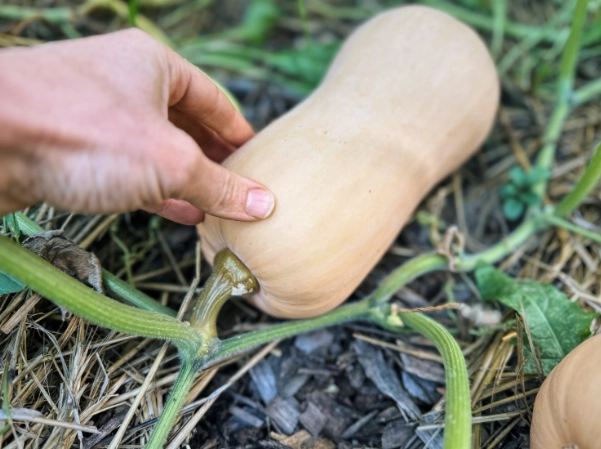
Long-Term Storage: Making Them Last All Winter
Properly cured butternut squash from the correct harvest time can last 3 to 6 months, sometimes longer. The goal is to slow down their respiration.
- Temperature: Cool is key. Aim for 50-55°F (10-13°C). A cool basement, an unheated spare room, or a root cellar is perfect. A refrigerator is too cold (below 50°F) and can cause chilling injury, leading to off-flavors and faster decay.
- Humidity: Moderately humid, around 50-70%. Too dry and they shrivel; too damp and they mold. Basements often have good humidity.
- Airflow: Don't pile them in a box. Store them in a single layer on a shelf, or in a crate where air can move around them. Never store them in a sealed plastic bag – that's a rot incubator.
- Darkness: Keep them out of direct sunlight, which can warm them up and cause them to deteriorate.
Check on your stash every few weeks. If you see a soft spot or mold starting on one, remove it immediately so it doesn't spread to its neighbors. Usually, the one with the broken stem goes first.
Answers to the Questions You're Actually Asking
Let's tackle the real-world stuff that keeps gardeners up at night.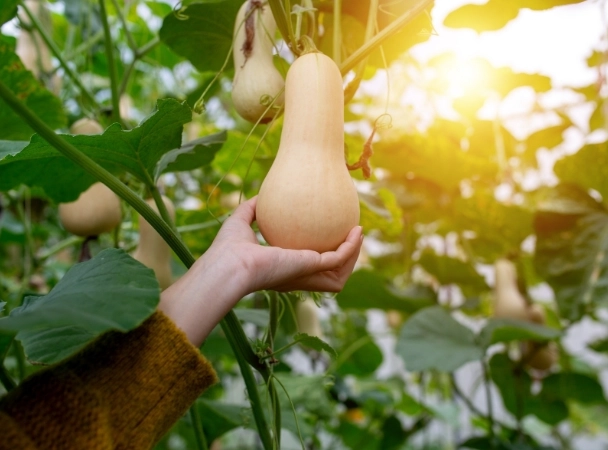
A Quick Comparison: Butternut vs. Its Cousins
It helps to know how butternut fits in. Acorn squash, for instance, are usually harvested earlier, when they're deep green (though some varieties turn orange). Their rind is softer, and they don't store nearly as long—maybe 1-2 months. Spaghetti squash is ready when it turns a solid, deep yellow. Pumpkins, of course, are harvested when fully colored and the rind is hard. Butternut is a storage champion, which is why getting its harvest time perfect is such a valuable skill.
For more detailed botanical information on cucurbits (the squash family), resources from university extensions like University of Minnesota Extension are incredibly reliable.
Wrapping It Up: Your Harvest Checklist
Let's make this simple. When you're walking your garden in early fall, run down this list for each squash:
- Is the skin a deep, uniform tan with no green streaks?
- Can I NOT pierce the skin with my thumbnail?
- Is the stem brown, dry, and corky?
- Is the attached vine starting to die back?
- Is a hard frost more than a week away? (If not, harvest everything now).
If you're checking most of these boxes, grab your shears. Harvest with a long stem. Cure them warmly for 10-14 days. Then store them in a cool, dry, dark place. That's the complete picture of butternut squash harvest time success.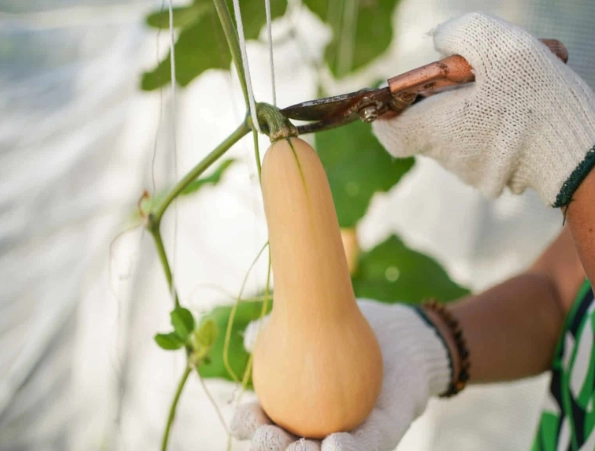
It might seem like a lot of steps, but once you do it right, it becomes second nature. The reward is pulling a perfectly sweet, firm butternut squash from your storage shelf in the dead of winter, long after your garden is asleep. That taste, and the satisfaction of getting it all right, is absolutely worth the effort.
Good luck with your harvest!
Reader Comments