In This Article
- Breaking Down the Basics: What's Actually in Your Bowl?
- Beyond the Numbers: The Real-World Health Benefits
- Maximizing the Nutrition: How to Build a Better Bowl
- Who Benefits Most from Split Pea Soup Nutrition?
- Answering Your Questions: The Split Pea Soup FAQ
- A Final Thought: It's More Than Just Numbers
Let's be honest. When you think of split pea soup, you probably picture a cozy, maybe slightly bland, beige bowl of comfort food from your grandma's kitchen. It's not exactly the flashy, Instagram-worthy smoothie bowl of the health food world. But what if I told you that you're seriously underestimating it? The nutrition of split pea soup is one of the best-kept secrets in healthy eating. We're talking about a dish that's cheap, easy to make, and packs a nutritional punch that can rival far trendier (and more expensive) superfoods.
I got into making split pea soup out of sheer laziness and budget constraints during my student days. A bag of dried peas cost pennies, and you could throw in whatever veggies were wilting in the fridge. It wasn't until I started paying more attention to what I was eating that I actually looked up the numbers. I was shocked. This unassuming soup I was making in giant batches for lunch all week was quietly delivering a powerhouse of protein, fiber, and micronutrients without me even trying. It wasn't just filler food; it was fuel.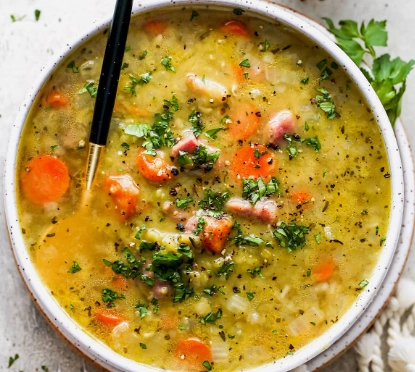
The Core Truth: Understanding the nutrition of split pea soup transforms it from a simple comfort meal into a strategic dietary choice for weight management, heart health, sustained energy, and gut function.
So, let's ditch the idea that it's just old-fashioned fare. We're going to dig deep into what makes this soup so good for you, how to make the most of its benefits, and answer all the questions you might have—whether you're a meal-prep fanatic, a vegetarian looking for protein, or just someone who wants a healthier, heartier lunch option.
Breaking Down the Basics: What's Actually in Your Bowl?
Before we get into the fancy health benefits, let's look at the raw data. What does a typical serving of homemade split pea soup really contain? The numbers can vary based on your recipe (with or without ham, the type of broth, extra veggies), but a standard one-cup serving of a classic, vegetable-heavy version gives you a solid foundation.
I find it most helpful to see it laid out. Here’s a detailed look at the key nutritional components you get in a hearty cup. This data is primarily sourced from the USDA's FoodData Central database, which is the gold standard for nutritional information, and is based on a soup made with split peas, carrots, onions, celery, and vegetable broth.
| Nutrient | Amount per 1 Cup (approx. 250g) | % Daily Value (DV)* |
|---|---|---|
| Calories | ~160-200 kcal | 8-10% |
| Protein | ~10-12 grams | 20-24% |
| Total Carbohydrates | ~30 grams | 11% |
| Dietary Fiber | ~8-10 grams | 29-36% |
| Sugars (natural) | ~5 grams | -- |
| Total Fat | ~1-2 grams | 1-3% |
| Iron | ~2-2.5 mg | 11-14% |
| Potassium | ~600-700 mg | 13-15% |
| Folate (Vitamin B9) | ~80-100 mcg | 20-25% |
| Manganese | ~0.5 mg | 22% |
*Percent Daily Values are based on a 2,000 calorie diet.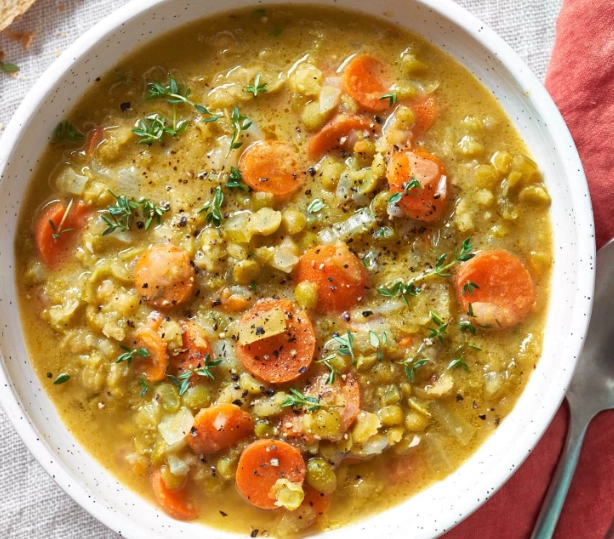
Just glancing at that table should raise an eyebrow. Look at the fiber and protein for the calorie count. That's the headline right there. But those vitamins and minerals are the supporting cast that make the story great.
The Macronutrient Power Couple: Protein and Fiber
This is where the magic of split pea soup nutrition really starts. Most foods are good at one or the other. Split peas deliver both in spades.
The Protein Punch: With about 10-12 grams per cup, this soup is a legitimate source of plant-based protein. It's not a complete protein on its own (it's low in the amino acid methionine), but that's an easy fix. Pair it with a whole grain like a slice of whole-wheat bread or some brown rice, and you've got a complete protein meal. For vegetarians, vegans, or even just people trying to cut back on meat, this is huge. It's the reason the soup feels so satisfying and keeps hunger at bay for hours.
The Fiber Champion: The 8-10 grams of fiber is arguably even more impressive. Most adults struggle to hit the recommended 25-38 grams per day. A single bowl of this soup gets you a third of the way there. And it's mostly soluble fiber, the kind that forms a gel in your gut. This slows down digestion (helping with blood sugar control) and acts like a broom for LDL cholesterol (the "bad" kind), helping to sweep it out of your system. The American Heart Association consistently highlights diets rich in soluble fiber for cardiovascular health.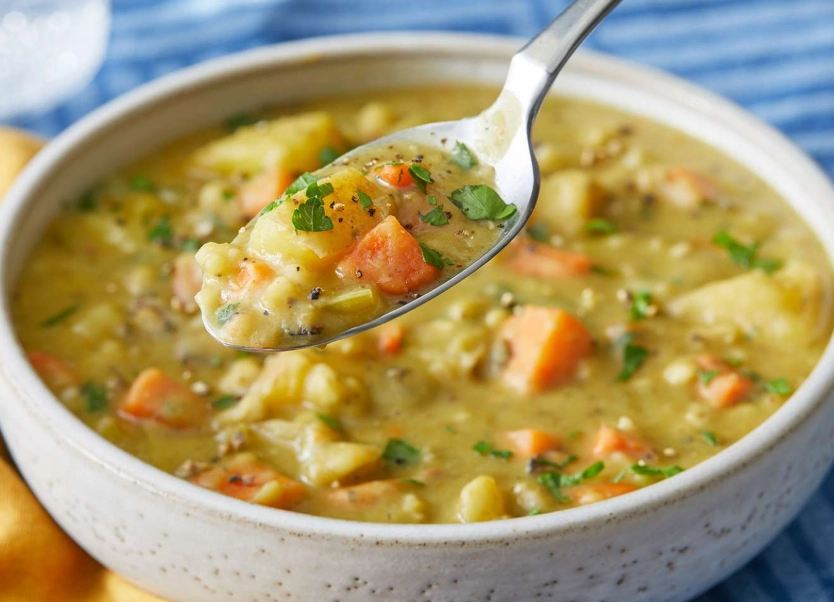
The Unsung Heroes: Vitamins and Minerals
While everyone talks about protein, the micronutrient profile is what makes the nutrition of split pea soup truly well-rounded.
- Iron: Plant-based (non-heme) iron. It's not as easily absorbed as the iron from meat, but you can boost absorption dramatically by including a source of vitamin C in your meal. A squeeze of lemon juice over the soup or having a side salad with bell peppers does the trick. It's a simple hack that makes a real difference.
- Potassium: This is a big one that flies under the radar. Potassium is crucial for counteracting the effects of sodium, helping to regulate blood pressure. With nearly 700mg per cup, this soup is a great way to support healthy blood pressure levels, as noted by resources like the Harvard T.H. Chan School of Public Health which emphasizes potassium-rich foods.
- Folate (B9): Essential for DNA synthesis, cell growth, and especially important for pregnant women. It's a workhorse vitamin that supports overall energy and brain function.
- Manganese: A trace mineral that supports bone health, metabolism, and has antioxidant functions. You don't hear about it often, but your body needs it.
Beyond the Numbers: The Real-World Health Benefits
Okay, so it has good stats. But what does that actually mean for your body? How does the nutrition of split pea soup translate into tangible benefits you can feel? Let's connect the dots.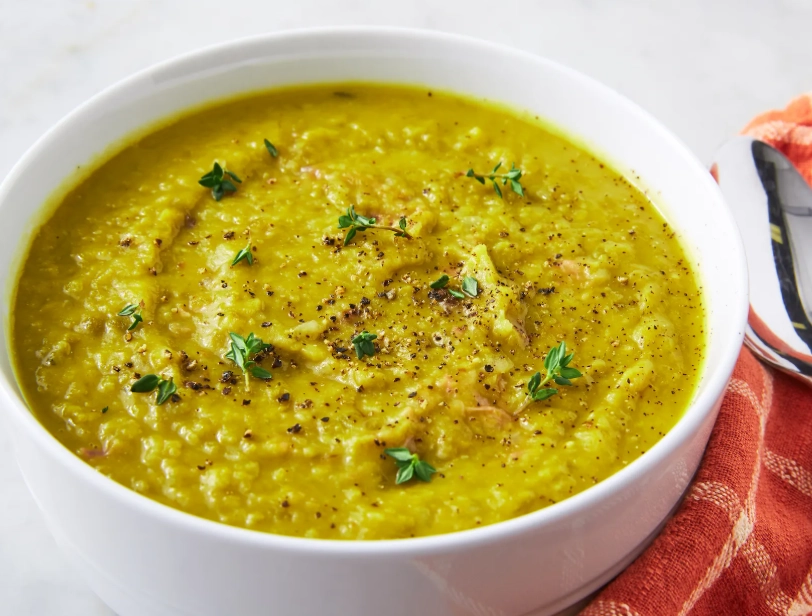
Heart Health Hero
This might be its strongest suit. The soluble fiber binds to cholesterol in the digestive system and removes it. The potassium helps manage blood pressure. The soup is naturally very low in saturated fat, especially if you make it with vegetable broth and go easy on any fatty meats. It's like a triple-action recipe for a healthier cardiovascular system. When you compare it to creamy, dairy-based soups, the difference in heart-healthy profile is night and day.
The Ultimate Friend to Your Gut
All that fiber is a feast for your gut microbiome—the trillions of bacteria that live in your intestines. Soluble fiber is a prebiotic, meaning it's food for the good bacteria. A healthy, diverse gut microbiome is linked to everything from better immunity and improved mood to reduced inflammation. Sure, the high fiber content might cause some... initial gaseous adjustments if you're not used to it. Start with a smaller portion and drink plenty of water. Your gut will thank you in the long run.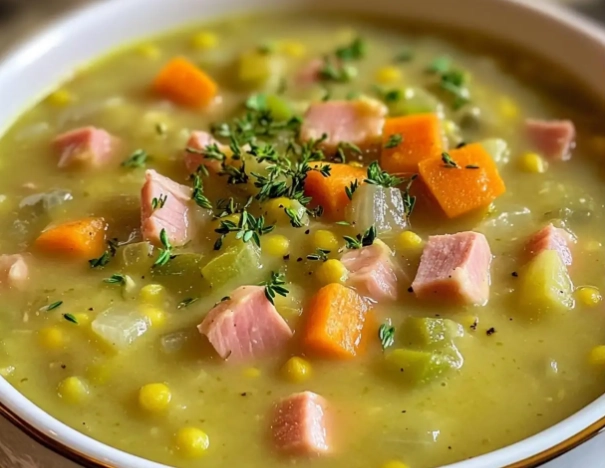
Pro-Tip for Newbies: If you're new to high-fiber foods, introduce split pea soup gradually. Have a half-bowl as a side first. Adding spices like cumin or fennel seeds while cooking can also help make the legumes more digestible for some people.
Blood Sugar Stabilizer
Because the fiber and protein slow the digestion of the carbohydrates in the peas, the sugars are released into your bloodstream slowly and steadily. This prevents the sharp spikes and crashes you get from eating refined carbs. For anyone managing insulin sensitivity, prediabetes, or just wanting steady energy levels, this is a major benefit. It has a low glycemic index, which is a fancy way of saying it's a slow-burning fuel.
Weight Management Tool
High satiety. Low calorie density. That's the golden formula for feeling full while consuming fewer calories. A big, warm bowl of split pea soup is incredibly filling for its caloric cost. It takes up space in your stomach, digests slowly, and keeps hunger hormones in check. It's the opposite of eating a bag of chips where you consume 300 calories and are hungry again in 20 minutes.
Honestly, the only downside I can think of is the potential for monotony if you make a giant pot and eat it all week. But that's a recipe problem, not a nutrition problem.
Maximizing the Nutrition: How to Build a Better Bowl
You can take the solid foundation of split pea soup nutrition and build it into a nutritional skyscraper with a few smart tweaks. The basic recipe is a canvas.
- Boost the Veggies: This is the easiest upgrade. The classic mirepoix (onions, carrots, celery) is just the start. Throw in a chopped sweet potato for extra vitamin A and a touch of sweetness. Add a bunch of chopped kale or spinach in the last few minutes of cooking for a hit of vitamins K, A, C, and iron. Mushrooms add umami and B vitamins. More veggies mean more vitamins, minerals, antioxidants, and volume without many extra calories.
- Rethink the Protein: Traditional ham or a ham hock adds flavor and protein, but also saturated fat and sodium. For a healthier twist, try smoked turkey leg or a few strips of chopped, well-cooked turkey bacon. For a plant-based power-up, stir in a cup of cooked red lentils (they'll dissolve and thicken the soup further) or a can of rinsed white beans at the end.
- Be Broth-Savvy: The liquid base matters. A low-sodium vegetable or chicken broth gives you control over the salt. Homemade bone broth can add collagen and minerals. If using regular broth, you likely won't need to add any extra salt until the very end, after tasting.
- Finish with Healthy Fats & Acid: A drizzle of extra-virgin olive oil or a sprinkle of avocado on top when serving adds heart-healthy monounsaturated fats, which also help absorb fat-soluble vitamins. That squeeze of lemon or dash of vinegar I mentioned earlier isn't just for flavor—the vitamin C boosts iron absorption.
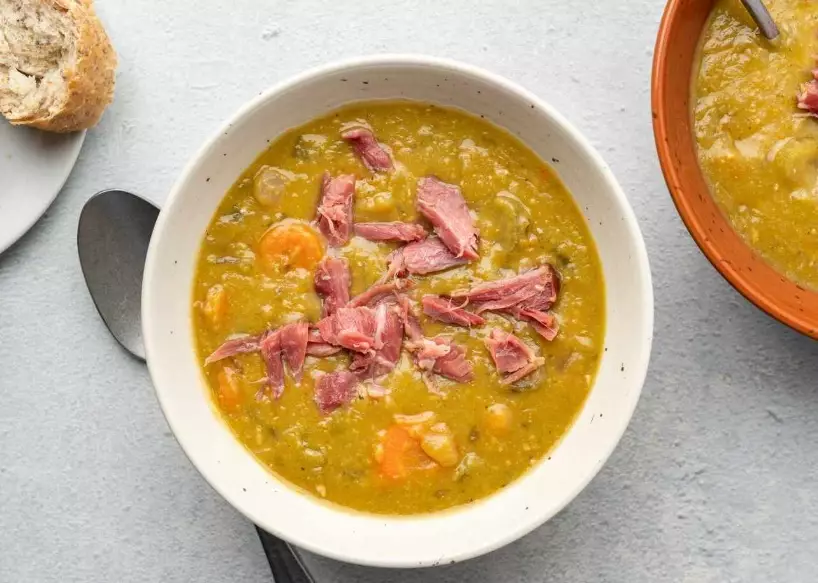
Who Benefits Most from Split Pea Soup Nutrition?
This isn't a one-size-fits-all food, but certain groups can get exceptional benefits from making it a regular part of their diet.
Plant-Based Eaters: It's a cornerstone food. The protein and iron content are too good to pass up. Just remember the vitamin C pairing for iron.
Meal Preppers & Budget-Conscious Cooks: Dried split peas are incredibly cheap, and the soup freezes beautifully. Make a pot on Sunday, portion it out, and you have healthy, inexpensive lunches for days. The nutrition of split pea soup holds up perfectly in the freezer.
Anyone Focusing on Heart or Gut Health: Given its fiber and potassium profile, it's practically a medicinal food for these goals.
Older Adults: Easy to chew, easy to digest (for most), packed with nutrients that sometimes become harder to get, and very gentle on the wallet.
Answering Your Questions: The Split Pea Soup FAQ
A Final Thought: It's More Than Just Numbers
When you really understand the nutrition of split pea soup, you see it for what it is: a testament to how simple, whole foods can be the most powerful. It's not a magic bullet, but it's a reliably healthy, affordable, and satisfying choice that delivers on its promises. It's food that nourishes you deeply without requiring exotic ingredients or complicated techniques.
Maybe the best part is that this knowledge turns an ordinary act—making a pot of soup—into something intentional. You're not just making dinner; you're crafting a pot of sustained energy, heart-healthy fiber, plant-based protein, and essential minerals. You're making something that truly feeds you, in every sense of the word.
So next time you see that bag of green or yellow split peas on the shelf, don't just pass it by as boring old-fashioned food. Grab it. You're holding the base for one of the most nutritionally complete, comforting, and smart meals you can make.
Reader Comments