You see them year-round, those fuzzy brown ovals sitting in the fruit section. But have you ever bought one, sliced it open, and been met with a tart, hard, green center that makes your mouth pucker? That's the taste of an out-of-season kiwi, picked too early and shipped too far. The real magic—a burst of sweet-tart flavor with a floral aroma—happens when you catch a kiwi at its peak. So, when is kiwi actually in season? Let's cut through the global supply chain noise and get to the juicy details.
What's In This Guide?
The Short Answer: It Depends on Your Hemisphere
Kiwi season is a tale of two hemispheres. The vine that bears kiwifruit (Actinidia deliciosa) follows a strict annual cycle: it blooms in spring, the fruit develops over summer, and it ripens in late autumn. Because of this, the season flips depending on where you are.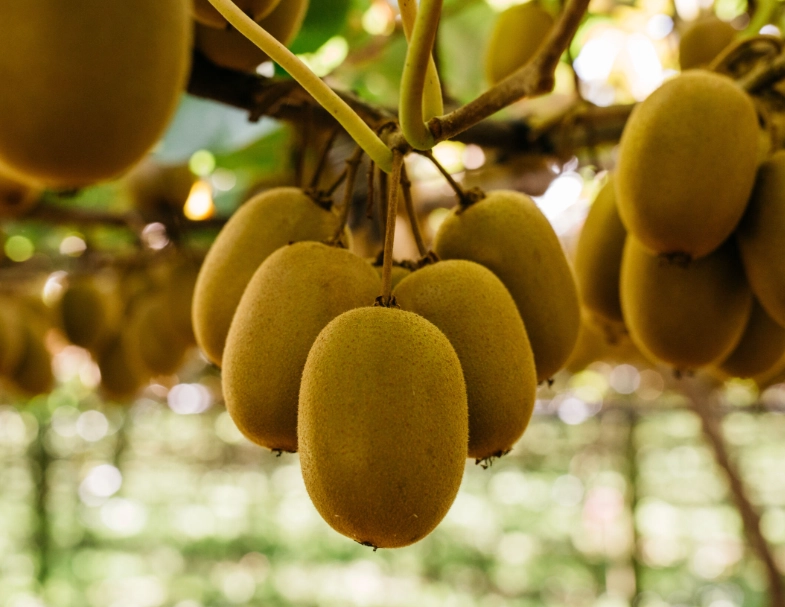
If you're in North America (California is the main producer) or Europe (think Italy, France, Greece), your local kiwi season runs from late October through May. The fruit is harvested firm in fall and can be stored for months in controlled atmospheres, which is why you might find decent local-ish fruit well into spring.
Flip the globe. In the Southern Hemisphere—home to giants like New Zealand and Chile—the season is opposite. Harvest kicks off in April and runs through October. This is why your supermarket has kiwis 365 days a year. When the Northern crop winds down, the Southern shipment arrives.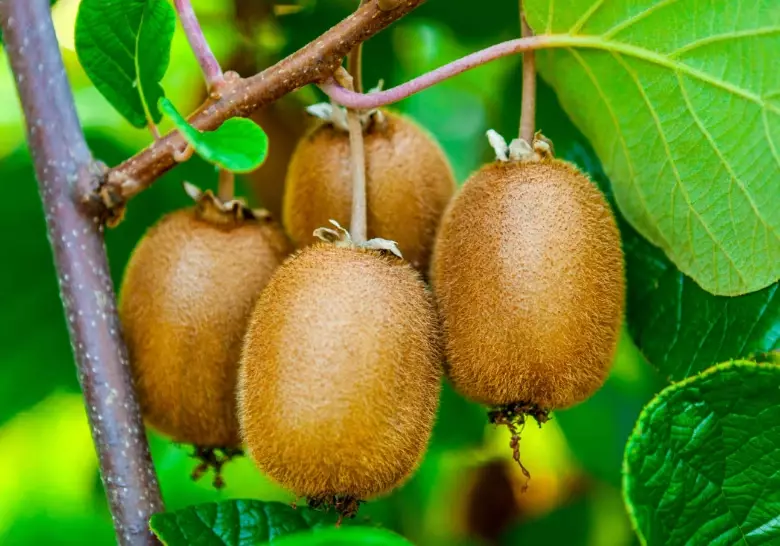
Here's the insider tip most generic guides miss: the absolute peak for flavor, when kiwis are so ripe they're almost falling off the vine and must be eaten quickly, is a much narrower window. In California, that's November to January. In New Zealand, it's May to July. That's when farmers' markets and specialty grocers get the good stuff that's too fragile for long-haul shipping.
Not All Kiwis Are the Same: Season by Variety
"Kiwi" isn't just one fruit anymore. Different varieties have slightly different calendars and personalities. Choosing by type can help you get better fruit, even outside the strict peak.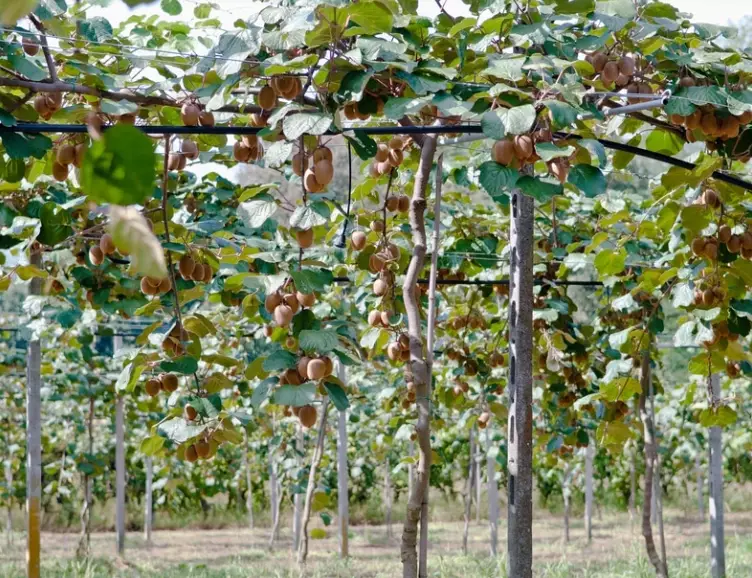
| Common Name | What It Looks Like | Flavor Profile | Peak Season Notes |
|---|---|---|---|
| Hayward (Green Fuzzy) | Classic brown, fuzzy skin, bright green flesh. | Tart, tangy, with a refreshing zing. | The standard. Follows the main hemispheric seasons above. Best flavor late in the harvest period. |
| Golden Kiwifruit | Smooth, bronze skin, sunny yellow flesh. | Noticeably sweeter, less acid, tropical notes. | Often has a shorter, later season than Hayward. In NZ, it's more prevalent from June onward. Tends to be softer and more perishable. |
| Baby Kiwi (Kiwi Berry) | Tiny, grape-sized, smooth green skin. | Intensely sweet and aromatic, eat whole. | A late-summer/early fall treat (Sept-Oct in NH). Highly perishable, almost exclusively found at farmers' markets. |
| Red Kiwi | Similar to Hayward outside, flesh has a red ring. | Berry-like sweetness mixed with classic kiwi tartness. | Niche variety. Season similar to green, but availability is very limited and regional. |
I made the mistake once of assuming all "golden" kiwis were created equal. I bought some in March, likely from a long storage cycle, and they were bland and fibrous. The variety matters, but freshness within that variety's cycle matters more.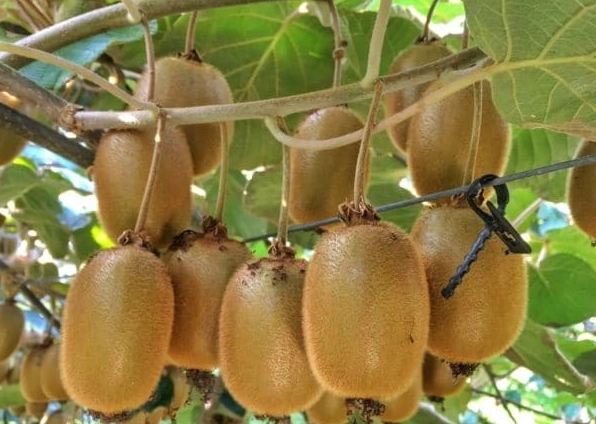
How to Pick a Perfectly Ripe Kiwi (The Thumb Test)
Knowing the season is half the battle. The other half is picking the winner from the pile. Forget fancy gadgets; your hands are the best tool.
For Immediate Eating: Gently press the area around the stem (the blossom end is often softer and can mislead you). It should yield slightly to pressure, like a ripe avocado or peach. Not mushy, but a gentle give. The skin might look a bit less "perfect"—slight shriveling is okay and can indicate sugar concentration. A fruity aroma at the stem end is a great sign.
For Ripening at Home: Choose firm, unblemished fruit. Hard as a rock is fine if you have a few days. Avoid any with soft spots, dark damp patches, or a fermented smell.
And let's bust a myth: color isn't a reliable indicator for green kiwis. They're always green inside. For goldens, a deeper golden hue under the skin can hint at maturity, but the thumb test reigns supreme.
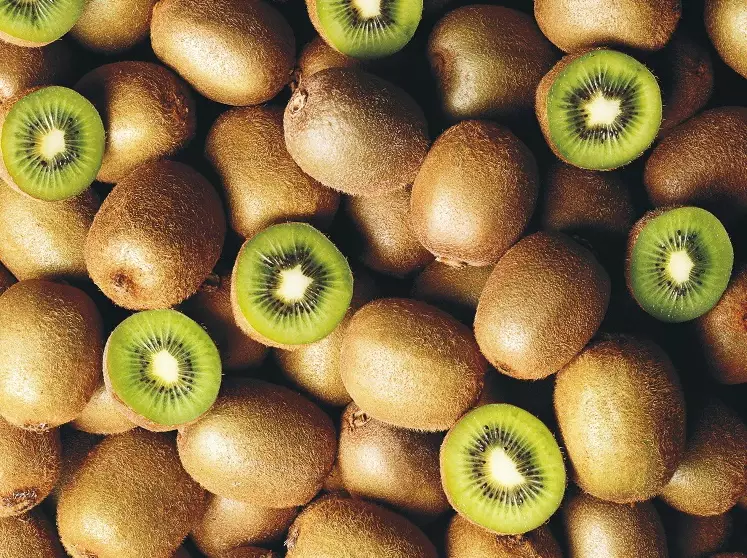
Make Them Last: Storing & Ripening Kiwis at Home
You've brought them home. Now what? Your strategy depends on their ripeness.
Ripening Hard Kiwis: Want them ready in 1-2 days? Do the opposite of the tip above. Place them in a paper bag with a banana or apple. Fold the top closed. The trapped ethylene gas accelerates the process. Check daily.
Storing Ripe Kiwis: Got fruit that's just right? Get them into the refrigerator immediately. Cold temperatures drastically slow down the ripening process. They can last in the fridge for 1-2 weeks, sometimes more.
Freezing for Smoothies: This is a game-changer for off-season months. Peel and slice kiwis, lay them on a parchment-lined tray to freeze individually, then bag them up. They'll keep for up to a year. The texture becomes soft, but the vibrant flavor is locked in—perfect for blending.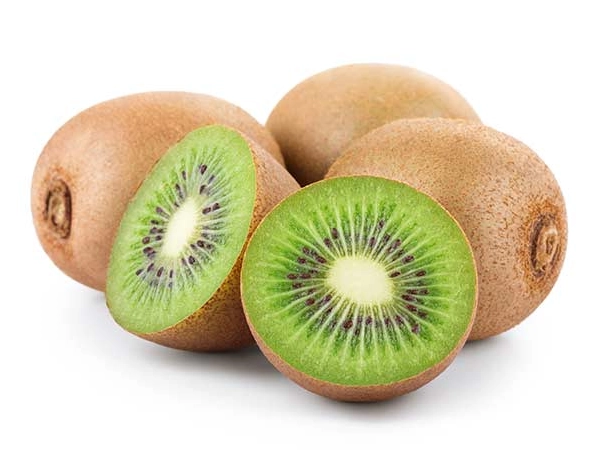
What to Make When Kiwis Are in Season
When you have a bounty of perfectly ripe, fragrant kiwis, don't just slice them over yogurt (though that's great too). Their enzymes make them a fantastic natural meat tenderizer—a trick used in some Asian cuisines. Try a kiwi-based marinade for chicken or beef.
Their high pectin content also means they help jams and chutneys set beautifully. A kiwi-lime jam is a revelation on morning toast.
But my favorite? A simple, uncooked kiwi salsa with red onion, jalapeño, cilantro, and lime juice. It's bright, spicy, and cuts through rich dishes like grilled fish or pulled pork. It only works with in-season kiwis that have a balanced sweetness, not the sour bullets you sometimes get.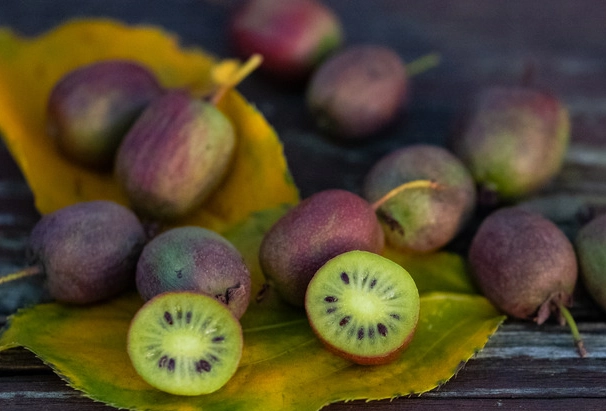
Your Kiwi Season Questions, Answered
So, when is kiwi in season? The calendar says late fall to spring in the North, spring to fall in the South. But your taste buds will tell you the real story. Seek out fruit during its local peak, learn the thumb test, and savor the difference. It turns a common grocery item into a seasonal delight.
Reader Comments