You've got a bag of soft, fragrant pawpaws. They smell like mango crossed with banana. Now what? Most guides tell you to make bread. That's fine, but it's just the start. After a decade of foraging and cooking with pawpaws from Ohio to Maryland, I've learned that the secret isn't just the recipe—it's handling the fruit right from the start. Get that wrong, and even the best recipe falls flat.
This fruit is fleeting. Its season lasts maybe three weeks. That pressure makes people rush. They use under-ripe fruit, or they don't process the pulp correctly. I've thrown away more than one gummy, undercooked pawpaw loaf in my time. Let's not do that.
What's Inside?
Finding and Preparing Your Pawpaws
Before we cook, we need to source. Pawpaws (Asimina triloba) grow in patches in the understory of eastern forests. If you're foraging, late August to mid-September is prime time. Look for small trees with large, droopy leaves. The fruit hangs in clusters.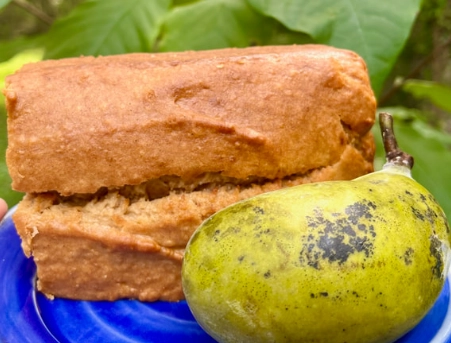
Here’s the non-negotiable first step: ripen them fully off the tree. Pawpaws picked hard-green will never develop their complex flavor. They'll just rot. Harvest when they yield slightly to a squeeze and have a faint aroma. Then let them sit on your counter until they're deeply fragrant and very soft—almost bruise-soft. This can take 3-5 days. Patience here defines your final dish.
Processing is messy. Cut the fruit in half lengthwise and scoop out the large, dark brown seeds. The pulp is custardy. I push it through a fine-mesh sieve to remove the stubborn fibrous bits clinging to the seeds. It’s a bit of work, but that smooth puree is worth it for any baking project. For ice cream or smoothies, you can be a little less meticulous.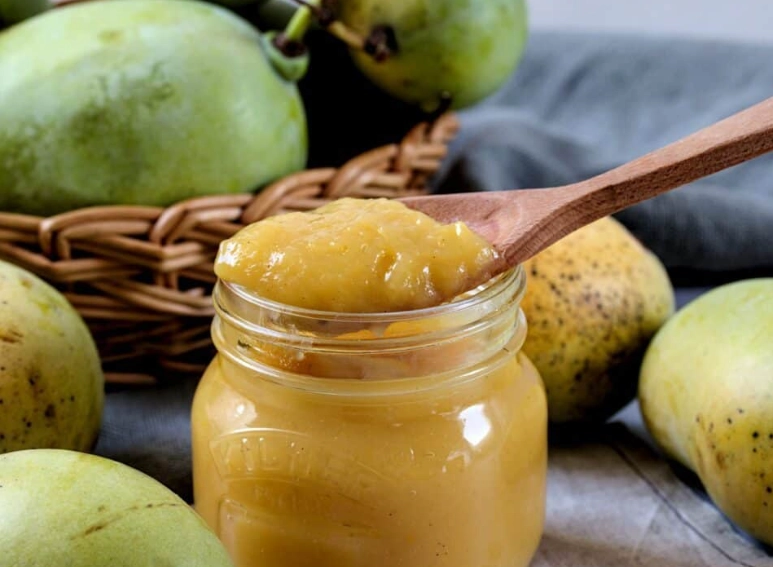
The Foundation: Simple Pawpaw Puree
This isn't a recipe. It's a technique. And it's the most important one.
Take your sieved pawpaw pulp. That's it. You now have puree. But think of it like canned pumpkin—it's a wet ingredient. Its moisture content is wildly high compared to mashed banana. This single fact is why so many baked goods fail. When a recipe calls for "1 cup of pawpaw pulp," measure it after sieving.
You can use this puree immediately, or freeze it (more on that later). For a raw treat, just mix a spoonful into plain yogurt or oatmeal. The flavor is tropical and rich.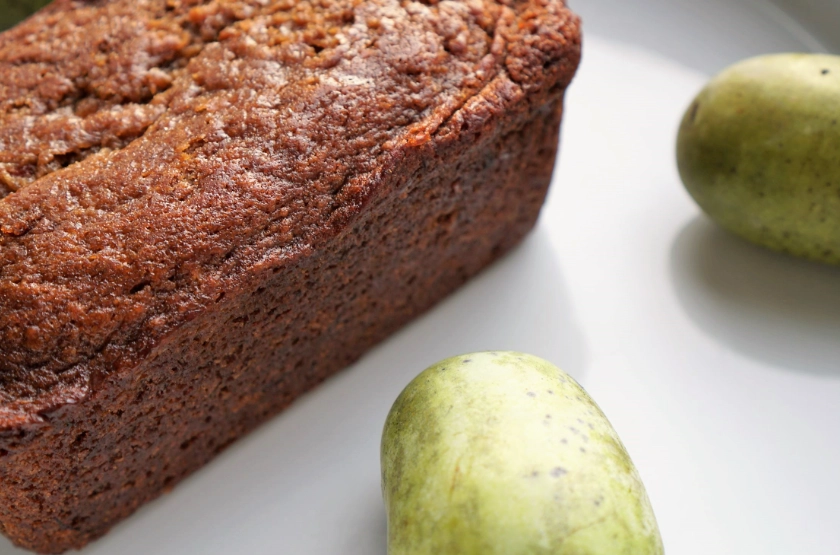
Three Can't-Miss Pawpaw Recipes
I'm avoiding the obvious "swap pawpaw for banana" list. These recipes work because they respect the fruit's nature.
1. No-Churn Pawpaw Ginger Swirl Ice Cream
Pawpaw's creamy texture is made for ice cream. This no-churn version requires no machine.
Whip 2 cups of heavy cream to stiff peaks. In another bowl, mix one 14-oz can of sweetened condensed milk with 1 cup of pawpaw puree and a pinch of salt. Gently fold the whipped cream into the pawpaw mixture until just combined. Pour half into a loaf pan. Drizzle over 1/4 cup of ginger syrup (from a jar of crystallized ginger) or pureed ginger. Add the rest of the mix and swirl with a knife. Freeze for 6 hours. The pawpaw flavor stays bright and clear against the spicy ginger.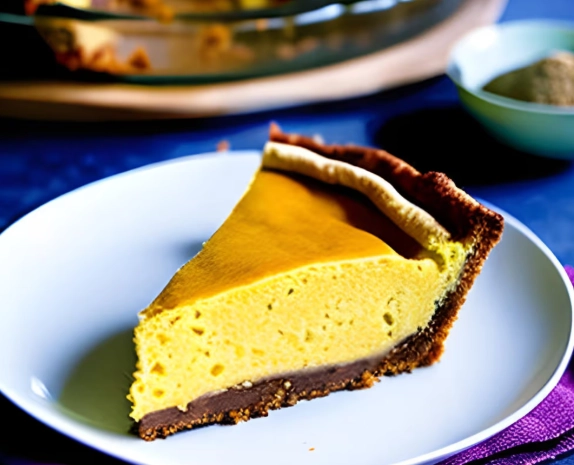
2. Savory Pawpaw BBQ Glaze
This is where you surprise people. The fruit's subtle tang works with smoke.
Simmer 1 cup pawpaw puree with 1/2 cup ketchup, 1/3 cup apple cider vinegar, 2 tbsp molasses, 1 tbsp soy sauce, 1 tsp smoked paprika, and a minced garlic clove. Cook for 15-20 minutes until thickened. Brush on chicken or pork ribs in the last 10-15 minutes of grilling. It caramelizes beautifully.
3. The Actually-Good Pawpaw Quick Bread
This recipe is adjusted for pawpaw's moisture. It works.
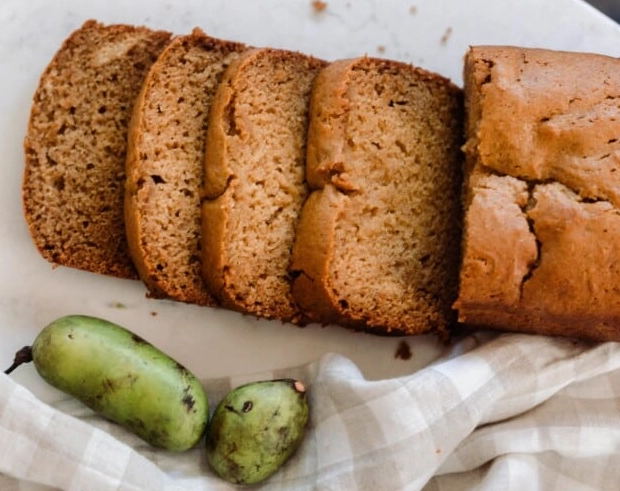
Method: Whisk dry ingredients. Cream butter and sugar. Beat in eggs, then pawpaw and vanilla. Mix in dry ingredients until just combined, then fold in nuts. Pour into a greased 9x5 loaf pan. Bake at 350°F (175°C) for 60-70 minutes, until a skewer comes out completely clean. Let cool in pan for 10 minutes, then finish on a rack. This is crucial—if you cut it warm, it's gummy city.
How to Store Pawpaw Pulp for Year-Round Use
Freezing is your best friend. Portion your puree into 1-cup amounts in freezer bags or containers. Press out the air. Label it. It keeps its flavor for a good 10-12 months.
Thaw overnight in the fridge. You might see some separation—a darker liquid on top. Just stir it back in. Don't drain it; that's flavor.
Common Pawpaw Recipe Mistakes (And How to Avoid Them)
| Mistake | What Happens | The Fix |
|---|---|---|
| Using under-ripe fruit | Bland flavor, starchy texture, poor sweetness. | Wait for strong aroma and soft feel. No shortcut. |
| Not sieving the pulp | Baked goods get weird, stringy bits. Unpleasant mouthfeel. | Take 5 minutes to press pulp through a sieve. Non-optional for baking. |
| Treating it 1:1 like banana | Soggy, dense, undercooked bakes. The #1 failure. | Reduce other liquids in the recipe. Extend baking time. Use the toothpick test. |
| Over-blending in smoothies | The delicate flavor gets lost, turns bitter. | Stir pawpaw puree in at the end, don't blast it. |
| Storing whole fruit too long | Ferments quickly. Becomes boozy and unpleasant. | Process ripe pawpaws within 1-2 days. Freeze the pulp immediately. |
Your Pawpaw Questions Answered
The real joy of pawpaw recipes isn't just in the eating. It's in the hunt, the brief season, the shared secret. It's a native fruit with a story. Handle it with a little know-how, and it rewards you with flavors you can't find anywhere else. Start with the puree. Master the bread. Then get creative. That tropical scent in your kitchen in the middle of fall? That's the real prize.
Reader Comments