Jump to What Matters Most
- A Bite of History: Where Caramel Apples Came From
- How to Make Caramel Apples That Don't Fall Apart
- The Sticky Truth: Common Caramel Apple Mistakes
- Finding Great Caramel Apples Near You
- Beyond Classic: Creative Caramel Apple Ideas
- Caramel Apples and Health: A Reality Check
- Your Burning Questions Answered
I still remember the first time I tried to make caramel apples. It was for a Halloween party, and I ended up with a kitchen covered in gooey caramel and apples that looked more like sad lollipops. That disaster taught me more than any recipe ever could. Now, after years of tweaking and testing, I want to share everything I've learned so you can skip the mess and make perfect caramel apples every time.
Caramel apples aren't just a fall treat; they're a symbol of cozy seasons and simple joys. But getting them right requires some know-how. This guide isn't just another list of steps—it's packed with insights from my own fails and wins, plus tips you won't find on most blogs.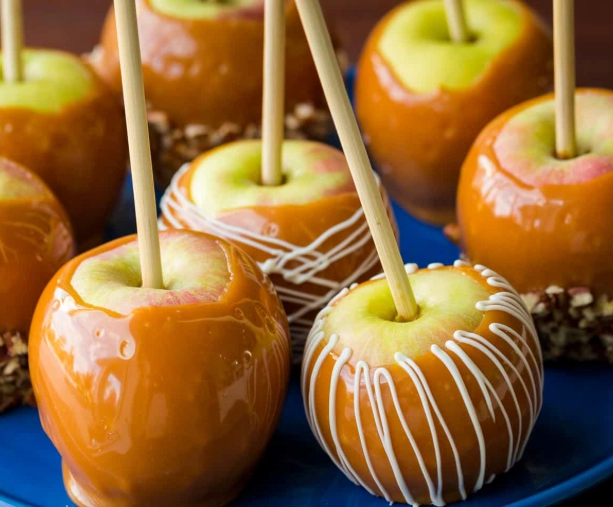
A Bite of History: Where Caramel Apples Came From
Most people think caramel apples are an ancient tradition, but they're surprisingly modern. They popped up in the 1950s, when a Kraft Foods employee, Dan Walker, experimented with leftover Halloween caramel. He dipped apples into the melted candy, and boom—a classic was born. It's a story of ingenuity, not centuries of tradition.
Today, they're a staple at autumn fairs and Halloween parties. But here's a nuance: the original used red delicious apples, which are actually terrible for holding caramel due to their waxy skin. That's one reason why early versions might have been hit or miss.
How to Make Caramel Apples That Don't Fall Apart
Let's cut to the chase. Making caramel apples isn't hard, but it's easy to mess up if you overlook details. I'll walk you through a foolproof method that balances simplicity with pro results.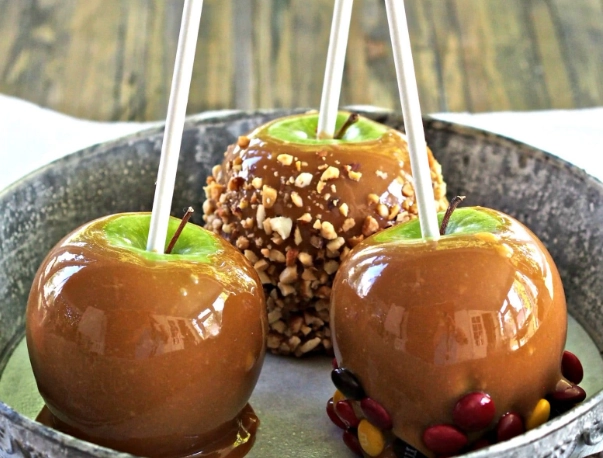
Choosing the Right Apples: It's Not Just About Tartness
Everyone says to use tart apples like Granny Smith. I disagree. While tartness contrasts with sweetness, firmer apples work better. Fuji or Honeycrisp hold up because they're crisp and less juicy. Avoid Red Delicious—their skin is too slippery. Wash and dry them thoroughly; any moisture is your enemy.
The Caramel: Homemade vs. Store-Bought
Store-bought caramel bits are convenient, but homemade gives you control. For a basic caramel, combine 1 cup sugar, 1/4 cup water, 1/2 cup heavy cream, and a pinch of salt. Cook to 245°F (118°C) on a candy thermometer. That temperature is critical—too low, and it's runny; too high, it's brittle.
A pro tip: add a tablespoon of corn syrup to prevent crystallization. It's a trick I learned from a candy-making class, and it makes the caramel smoother.
Dipping and Decorating Techniques
Insert sticks into the apple cores. Use craft sticks or wooden skewers. Dip each apple into the caramel, swirling to coat evenly. Let excess drip off for 10 seconds. Place on parchment paper—not wax paper, which can stick. If adding toppings like nuts or sprinkles, do it immediately before the caramel sets.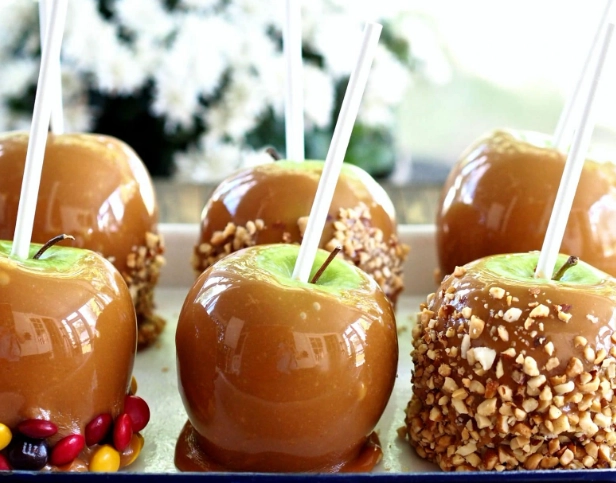
My Personal Hack: Chill the apples in the fridge for 30 minutes before dipping. Cold apples help the caramel set faster, reducing slippage. It's a small step that makes a huge difference.
The Sticky Truth: Common Caramel Apple Mistakes
Here are pitfalls I've seen time and again, and how to dodge them.
- Not Drying Apples Enough: Even a tiny bit of water causes the caramel to slide off. Pat them dry with a towel, then let them air-dry for an hour.
- Overheating the Caramel: If it smells burnt or turns dark brown, it's too hot. Use a thermometer religiously.
- Skipping the Salt: A pinch of salt in the caramel balances sweetness and enhances flavor. Without it, caramel apples can taste flat.
I once rushed the drying step and ended up with caramel pooling at the bottom of the apples. Lesson learned: patience pays.
Finding Great Caramel Apples Near You
If making them isn't your thing, here's where to buy quality caramel apples. I've scouted places that do it right.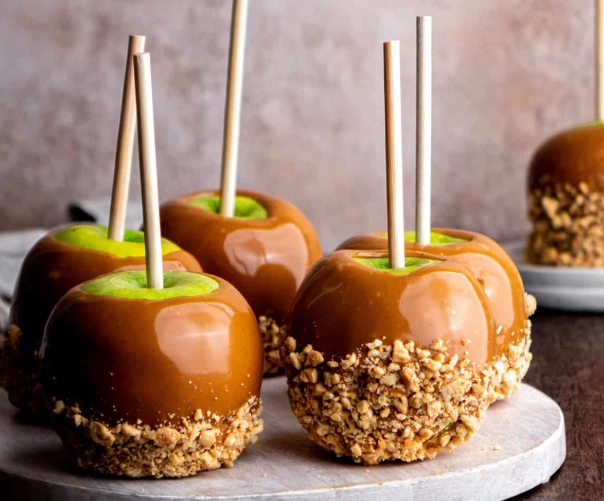
| Place | What Makes Them Special | Approx. Price | Notes |
|---|---|---|---|
| Rocky Mountain Chocolate Factory | Hand-dipped with premium chocolate options | $4-$6 per apple | Available nationwide; check for seasonal flavors |
| Local Farmers' Markets | Fresh, locally-sourced apples; often homemade | $3-$5 per apple | Best in fall; support small businesses |
| Disneyland Parks | Creative designs like Mickey-shaped caramel | $7-$10 per apple | More for experience; tends to be sweeter |
For online options, websites like Harry and David offer gourmet versions, but shipping can be tricky due to temperature. Always read reviews.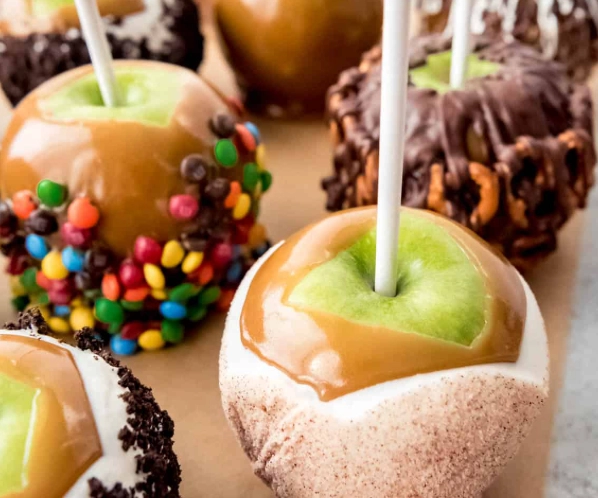
Beyond Classic: Creative Caramel Apple Ideas
Why stick to plain caramel? Experiment with these twists.
- Chocolate-Dipped: After caramel sets, dip in melted dark chocolate. Adds richness.
- Salty-Sweet: Sprinkle sea salt or crushed pretzels on top. It cuts the sweetness perfectly.
- Apple Pie Style: Roll in cinnamon sugar or add a drizzle of butterscotch.
I tried a bacon-caramel apple once—sounds weird, but the smoky saltiness was a hit. Don't be afraid to play around.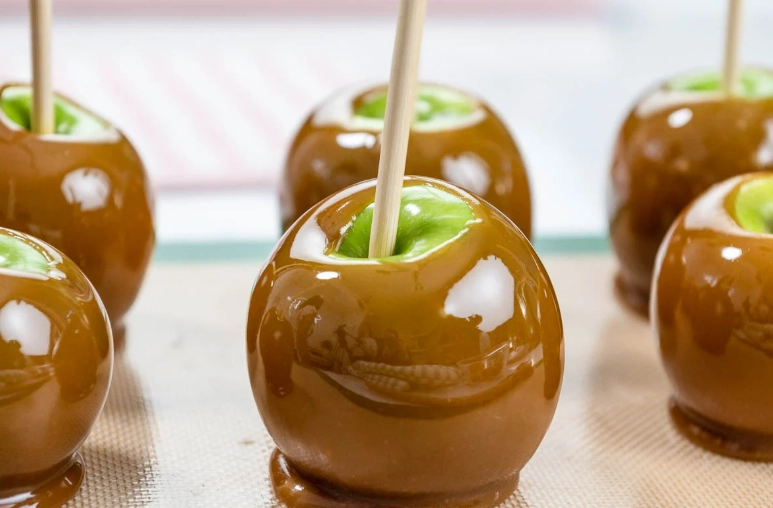
Caramel Apples and Health: A Reality Check
Let's be honest: caramel apples are a treat, not a health food. One medium caramel apple has about 300-400 calories, mostly from sugar. But you can make smarter choices. Use smaller apples, or slice them into pieces for portion control. Opt for dark chocolate coatings for antioxidants, but remember, it's still candy.
The American Heart Association recommends limiting added sugars, so enjoy in moderation. I keep them as an occasional indulgence, not a daily snack.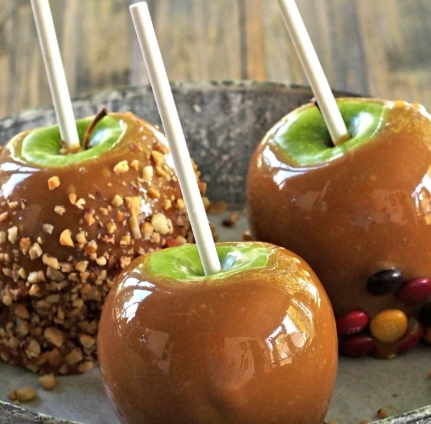
Your Burning Questions Answered
Caramel apples are more than just a sweet—they're a craft. With these tips, you can master them and maybe even start your own tradition. Whether you're making them for a fall gathering or just craving a nostalgic treat, remember: it's about fun, not perfection. Now go grab some apples and get dipping!
Reader Comments