Let's talk about Fuji apples for baking. You've seen them in the store, those gorgeous, blushing red and yellow apples that taste like candy. You snack on one and think, "This is amazing." Then you look at your grandma's apple pie recipe calling for Granny Smiths and wonder—could these sweet Fujis possibly work?
The short answer is yes, and they might just become your favorite. But tossing any apple into a pie dish is a recipe for disappointment. Baking with Fujis isn't a straight swap; it's a different strategy. I learned this after a pie that was simultaneously too sweet and too watery. It was a mess. Since then, I've spent years figuring out how to make Fuji apples sing in the oven.
What's Inside?
The Great Debate: Are Fuji Apples Actually Good for Baking?
Most baking guides will put apples into two camps: firm-tart (like Granny Smith, Braeburn) for pies, and soft-sweet (like Red Delicious, McIntosh) for sauce. Fuji apples, a hybrid of Red Delicious and Ralls Janet, awkwardly straddle that line. They're very sweet but also quite firm and dense.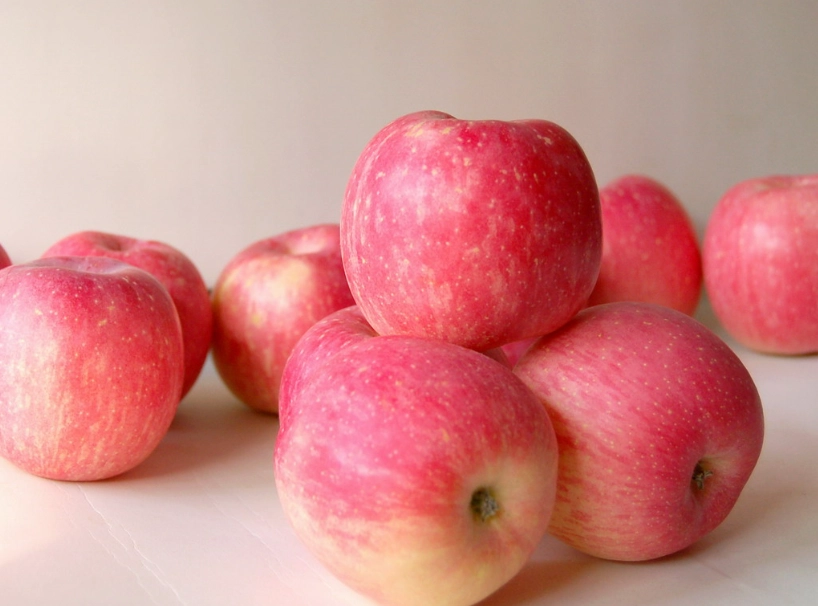
Here’s the breakdown that matters when the heat is on:
- Flavor Profile: Intensely sweet with hints of honey and pear. Their sugar content is among the highest of any apple variety, according to data from the USDA. This means they caramelize deeply, developing rich, almost butterscotch-like notes.
- Texture: Incredibly crisp and juicy when raw. When baked, they soften but maintain a distinct, tender bite if you slice them properly. They don't dissolve into mush.
- Acidity: This is the kicker. Fujis are low in acid. That's why eating one is so mellow. In baking, acidity balances sweetness and brightens flavor. Without it, desserts can taste flat or cloying.
So, are they good for baking? They're not the default choice for a classic, tangy apple pie. But if you treat them as their own ingredient—embracing their sweetness and managing their juice—they create uniquely delicious desserts. Think of them as the caramel apple in pie form.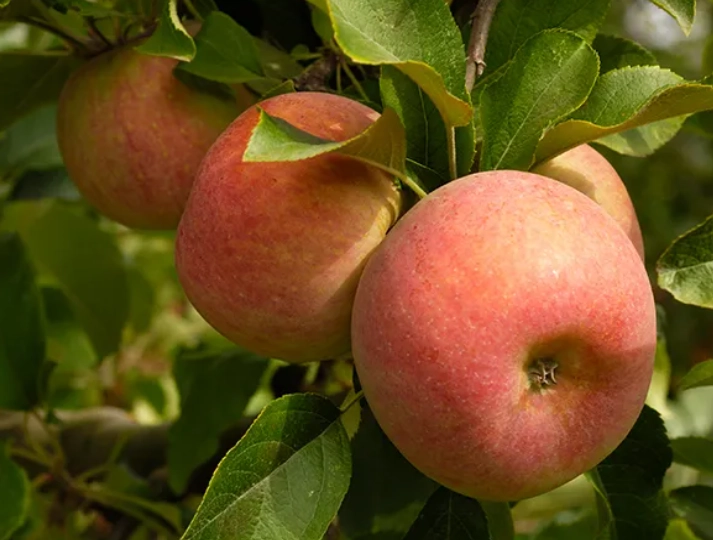
How to Pick and Store Fuji Apples for Baking
Not all Fujis are created equal, especially as the season progresses. Here’s what to look for:
Selecting the Best Bakers
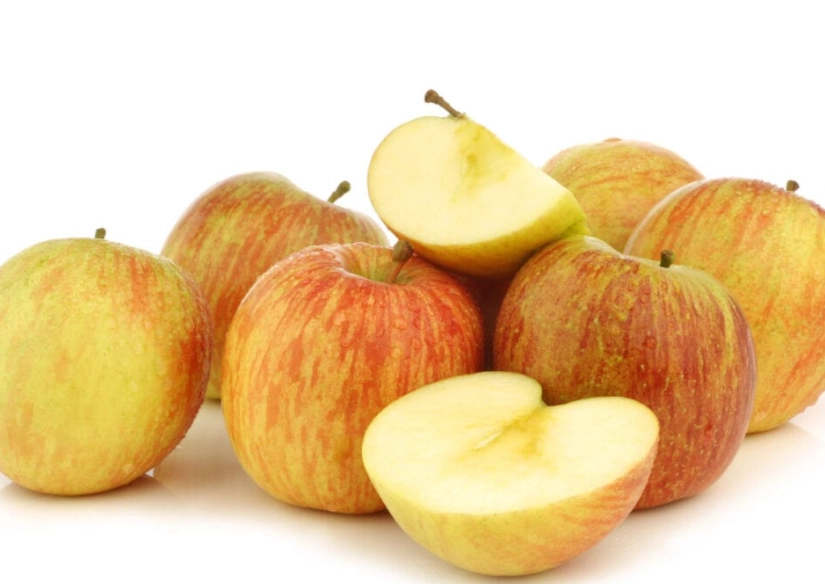
Go for apples that feel heavy for their size—that's the juice. The skin should be tight and smooth, not wrinkly. Color isn't a perfect indicator of ripeness, but a deep, red blush over a yellow-green background is usually a good sign. Avoid any with soft spots or bruises; that flesh will break down too fast.
A little secret? Sometimes the slightly smaller, less perfectly red Fujis from the middle of the pile have a better flavor balance than the giant, glossy ones on top.
Storing for Optimal Texture
Fuji apples store remarkably well. To keep them firm for baking:
- Fridge is your friend: Store them in the crisper drawer. The cold, humid environment keeps them crisp for months. I've used Fujis in March that I bought in October, and they baked up just fine.
- Keep them separate: Apples emit ethylene gas, which can cause other produce to ripen (and rot) faster. Bag them loosely or use the drawer.
- Countertop is short-term: If you'll bake within a week, the counter is fine. But for peak baking texture, cold storage is non-negotiable.
Prepping Fuji Apples: The Steps Most Recipes Skip
This is where you win or lose. The goal is to concentrate flavor and control moisture.
- Peel. I know, it's a chore. But Fuji skin can get leathery in a soft filling. Peel them.
- Slice Thick. This is critical. Don't make thin slices. Aim for 1/2-inch thick wedges or chunks. Thin slices of Fuji will overcook and lose all texture, turning into baby food.
- Macerate and Reduce (The Game-Changer). Toss your sliced apples with the sugar and spices from your recipe, plus a big pinch of salt. Let it sit for 30-45 minutes. You'll get a pool of amazing juice. Don't throw it out! Drain the apples, pour the juice into a saucepan, and simmer until it reduces to a thick, syrupy glaze. Toss the apples back in this glaze. This removes excess water (saving your crust) and makes the flavor incredibly intense.
- Add Acid. Remember the low acidity? Fix it. A tablespoon of fresh lemon juice or a teaspoon of apple cider vinegar mixed in at the end brightens everything up. Don't skip this.
The Best Recipes to Showcase Fuji Apples
Fuji apples excel in recipes where their sweetness and ability to hold shape are assets.
1. Deep-Dish Apple Crisp or Crumble
This is Fuji's best stage. The thick slices create distinct layers of tender fruit, and their natural sugars bubble up into the oat topping, creating incredible caramelization. Use brown sugar and warm spices like cinnamon and cardamom in your topping to complement their flavor.
2. Rustic Apple Galette
The free-form nature of a galette is forgiving. Arranging those thick Fuji slices in a beautiful pattern lets them hold their shape, and any extra juice gets absorbed by the galette's crust, not trapped. Brush the crust with the reduced apple glaze for a stunning, glossy finish.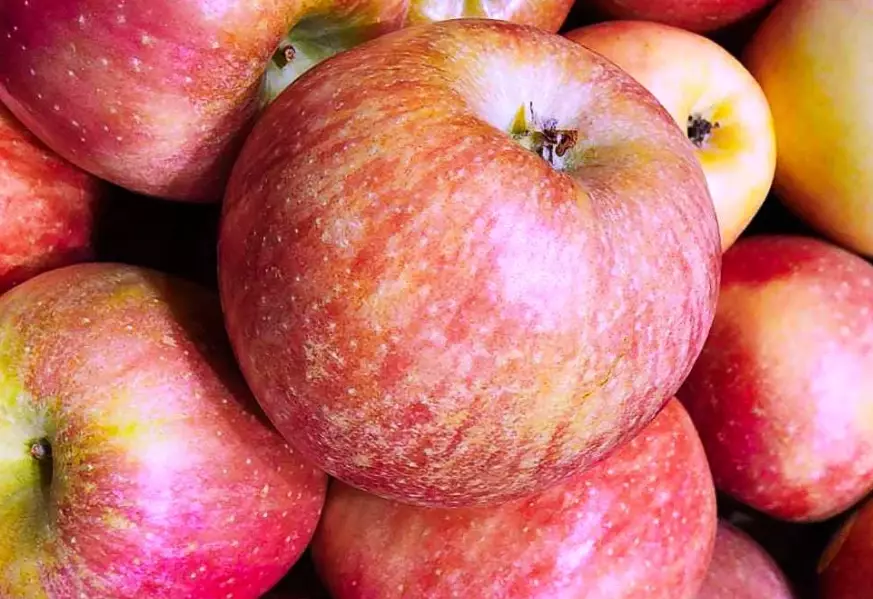
3. Apple Pie (The Adjusted Version)
You can make pie. Mix Fujis with one tart, firmer apple like Granny Smith or Pink Lady in a 2:1 ratio (2 parts Fuji, 1 part tart). This gives you the Fuji sweetness with added structure and acidity. Pre-cook your filling slightly using the maceration method above. This ensures a set slice.
4. Baked Apple Halves
Core a Fuji, fill the center with a mix of oats, nuts, butter, and a touch of maple syrup, and bake until tender. It's simple, elegant, and the apple's form stays intact, showcasing its natural flavor.
Common Baking Mistakes (And How to Avoid Them)
- Mistake: Using only Fuji apples in a pie.
Fix: Blend with a tarter variety, or be meticulous about pre-cooking and reducing the juices. - Mistake: Skipping the acid.
Fix: A splash of lemon juice is not optional. It's essential. - Mistake: Underseasoning.
Fix: Their sweetness can handle—and needs—bold spices. Don't be shy with cinnamon, nutmeg, or even a pinch of black pepper. - Mistake: Baking at too high a temperature.
Fix: A moderate oven (375°F / 190°C) allows the apples to cook through and sweeten without the topping burning.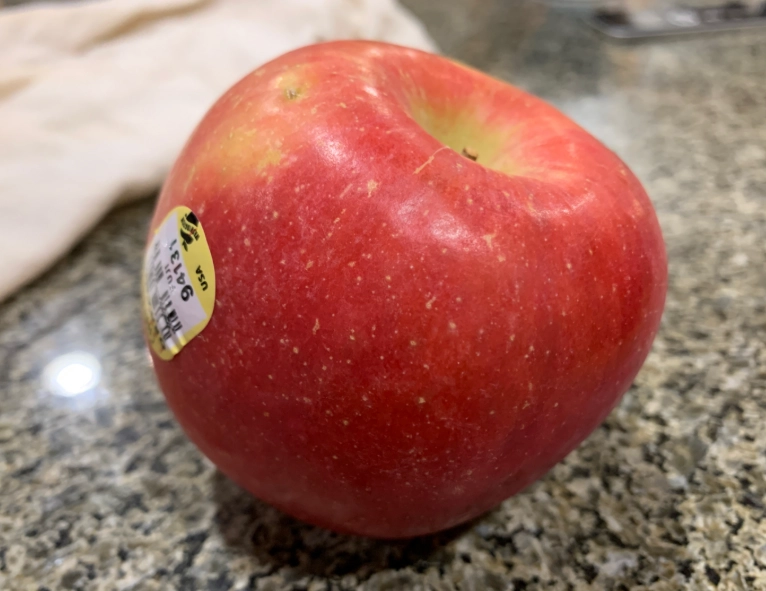
Your Fuji Apple Baking Questions, Answered
So, next time you see those beautiful Fuji apples, don't just walk by for the bag of Granny Smiths. Grab a few. With the right approach—thick slices, a quick maceration, a splash of lemon, and maybe a tart apple friend—they can transform your baking. You'll get a dessert that's deeply flavored, tender but not mushy, and complexly sweet in a way that other apples just can't match. Give it a try. Your taste buds will thank you.
Reader Comments