Butternut squash is ready to pick when the skin turns a deep, uniform tan and the stem hardens into a woody texture. Get this wrong, and you might end up with bland, mushy squash that spoils quickly. After growing butternut squash for over a decade, I've learned that timing is everything—harvest too early, and it lacks sweetness; too late, and it becomes fibrous. Let's dive into the specifics so you can nail the harvest every time.
What You'll Learn in This Guide
The Key Signs Your Butternut Squash Is Ripe
Many gardeners rely solely on color, but that's a rookie mistake. Ripeness involves a combination of factors. Here are the five telltale signs I've honed from years of trial and error.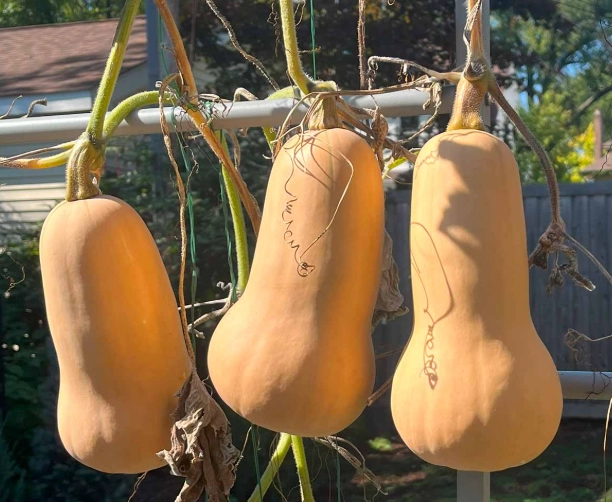
Color Transformation: From Green to Tan
The most obvious sign is color change. Immature butternut squash has a greenish hue, but as it ripens, it shifts to a deep, consistent tan. Don't expect it to be perfectly uniform—some streaks might remain, but the overall tone should be dull, not shiny. In my garden, I've noticed that squash in shadier spots takes longer to color up, so patience is key.
Stem Hardness: The Snap Test
This is where most people go wrong. The stem should be hard and brown, not green or flexible. Try bending it; if it snaps easily, it's not ready. A ripe stem feels woody and resists pressure. I once harvested squash with a slightly green stem, and within weeks, it started rotting at the attachment point. Trust me, stem hardness is non-negotiable.
Skin Texture: Tough and Dull
Press the skin with your thumbnail. If it dents easily, the squash is still immature. Ripe skin is tough and almost impossible to puncture. It should also lose its glossy sheen and become matte. This toughness helps protect the flesh during storage.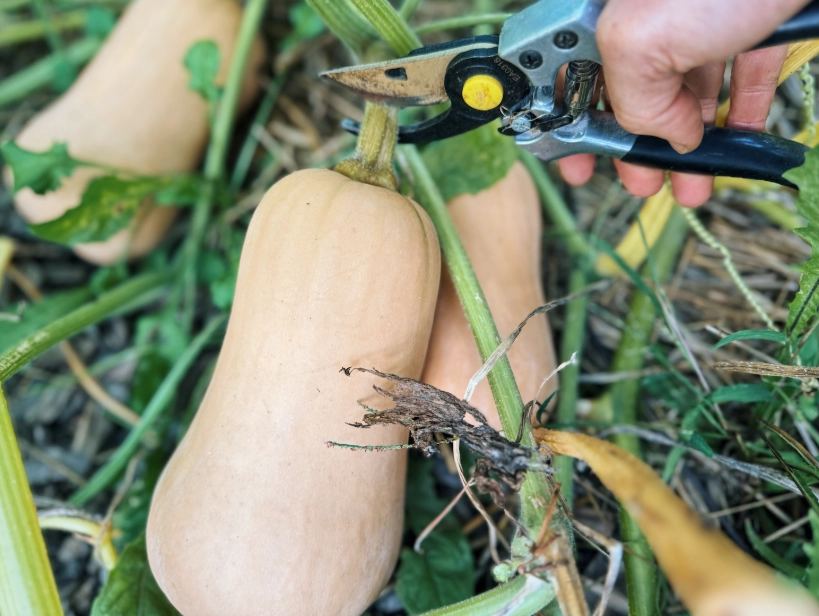
Size and Shape: Full Maturity
Butternut squash typically reaches 8-12 inches in length when ripe. The bulbous end should feel plump and heavy for its size. If it seems lightweight, it might need more time on the vine. According to the University of California Agriculture and Natural Resources, mature squash has a firm, filled-out shape without soft spots.
The Thump Test: Does It Work?
Some gardeners swear by thumping the squash like a watermelon. A hollow sound indicates ripeness, but I find this unreliable. In noisy environments or with thicker-skinned varieties, it's easy to misjudge. I'd rank this as a secondary check—use it only if other signs are ambiguous.
Pro Tip: Combine at least three signs before harvesting. For example, if the color is tan, the stem is hard, and the skin is tough, you're good to go. Don't rely on just one indicator.
How to Harvest Butternut Squash Properly
Harvesting isn't just about picking; it's about doing it right to avoid damage. Here's my step-by-step process, refined over the years.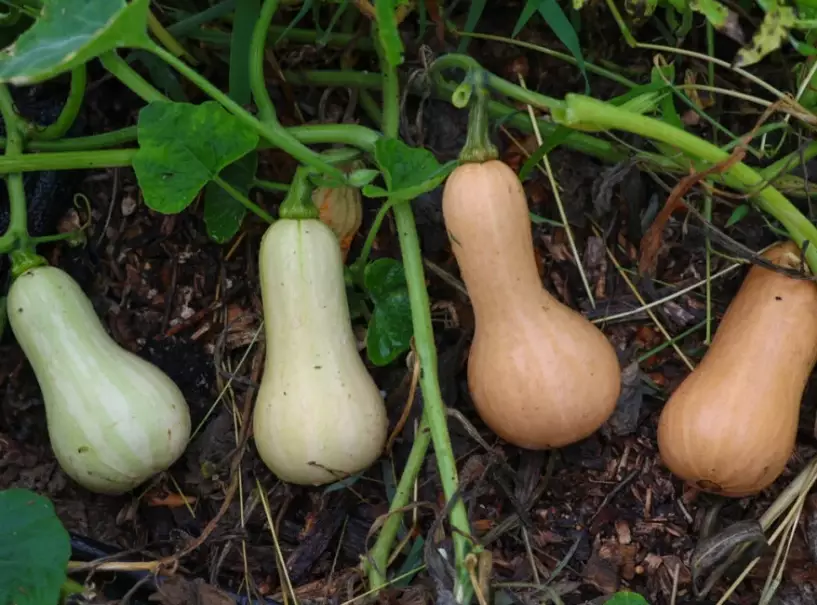
First, choose a dry, sunny day. Wet squash can invite mold during storage. Use a sharp pair of pruning shears or a knife—never twist or pull the squash off the vine, as this can tear the stem and create entry points for pathogens.
Cut the stem, leaving about 2-3 inches attached to the squash. This "handle" helps prevent rot and makes handling easier. I've seen squash with shorter stems decay faster because the scar is exposed.
Handle the squash gently to avoid bruising. Place it in a basket or crate, not a bag, to allow air circulation. If you notice any cuts or soft spots, set those aside for immediate use—they won't store well.
After harvesting, cure the squash. This step is often overlooked but crucial. Cure in a warm, dry place (70-80°F or 21-27°C) for 10-14 days. Curing hardens the skin and heals minor wounds, extending shelf life. I use a sunny porch for this, but a greenhouse works too.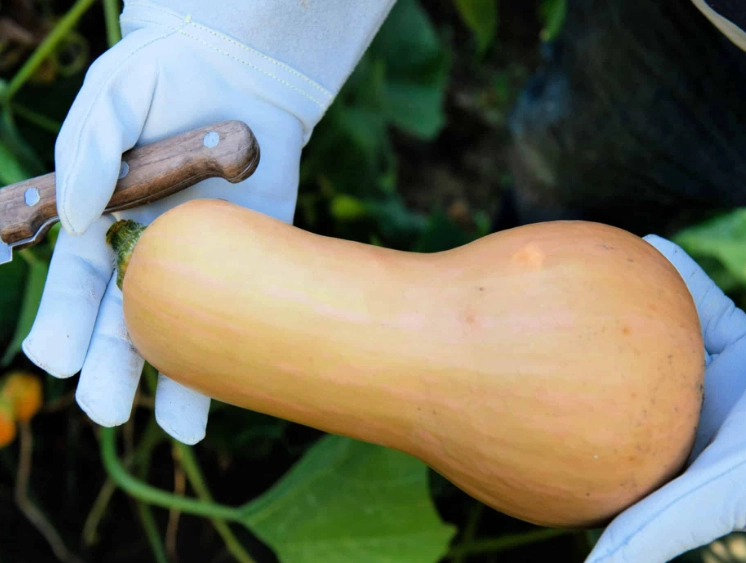
When to Harvest Based on Your Climate
Timing varies widely by region. Butternut squash is a warm-season crop, but frost can ruin it. Here's a breakdown based on climate zones.
In warmer climates (USDA zones 7-10), butternut squash is usually ready 80-90 days after planting, often in late summer to early fall. Watch for the signs rather than the calendar—I've had squash ripen as early as August in California.
In cooler climates (USDA zones 3-6), harvest time shifts to mid-fall, around September or October. Frost is the enemy; a light frost can damage the vines, but a hard freeze will ruin the squash. If frost is forecasted, harvest immediately, even if the squash isn't fully colored. It can continue ripening off the vine to some extent.
For reference, check local agricultural extensions like the USDA Plant Hardiness Zone Map. They provide tailored advice for your area.
| Climate Zone | Typical Harvest Time | Key Considerations |
|---|---|---|
| Warm (Zones 7-10) | Late August to October | Focus on color and stem hardness; longer growing season allows for delayed harvest. |
| Cool (Zones 3-6) | September to October | Monitor frost forecasts; harvest before first hard freeze to prevent damage. |
| Coastal Areas | Variable, often later | Higher humidity may delay ripening; ensure good air circulation to prevent mold. |
Common Harvesting Mistakes to Avoid
Even experienced gardeners slip up. Here are pitfalls I've encountered and how to steer clear.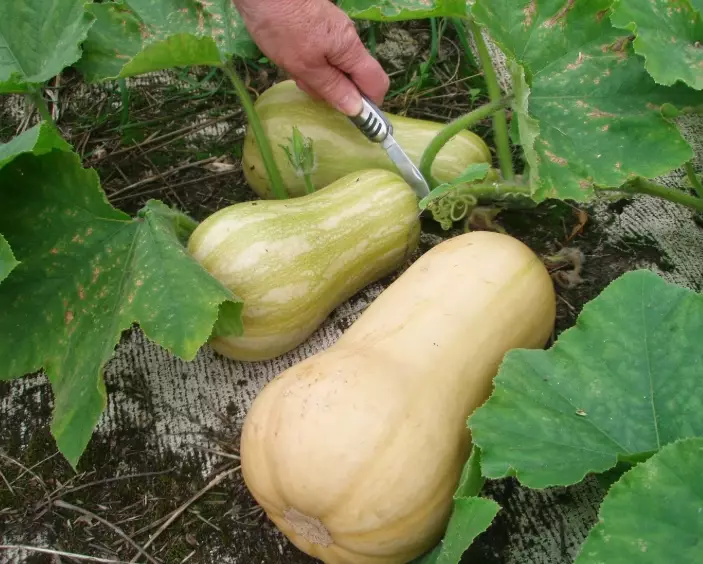
Harvesting too early: This is the most common error. Impatient gardeners pick squash when it's still greenish, resulting in poor flavor and short storage life. Wait until the stem is fully brown—it's worth the extra week.
Leaving squash on wet ground: If squash sits on damp soil, it can develop rot on the bottom. Use mulch or a board to elevate it. I lost a few squash one rainy season because I neglected this.
Ignoring pest damage: Squash bugs or vine borers can weaken the plant, causing premature ripening. Inspect regularly; if pests are severe, harvest early and cure thoroughly.
Using dull tools: A jagged cut from dull shears can invite disease. Always clean and sharpen your tools before harvest. I learned this the hard way when a squash developed mold at the cut site.
Overcrowding during curing: Piling squash too close together restricts air flow and promotes mold. Space them out during the curing process. A single layer on a rack works best.
Storing Your Harvest for Maximum Shelf Life
Proper storage lets you enjoy butternut squash for months. After curing, move squash to a cool, dry place with temperatures around 50-55°F (10-13°C). A basement, root cellar, or pantry is ideal.
Avoid storing near apples, bananas, or tomatoes—they release ethylene gas that speeds up ripening and spoilage. I once stored squash next to apples and noticed they softened within weeks.
Check stored squash every few weeks for soft spots or mold. Use any showing signs of decay first. Under optimal conditions, butternut squash can last 3-6 months. For longer storage, consider peeling, cubing, and freezing the flesh.
If you're short on space, butternut squash can tolerate slightly warmer temperatures, but shelf life shortens. Aim for humidity around 50-70% to prevent shriveling.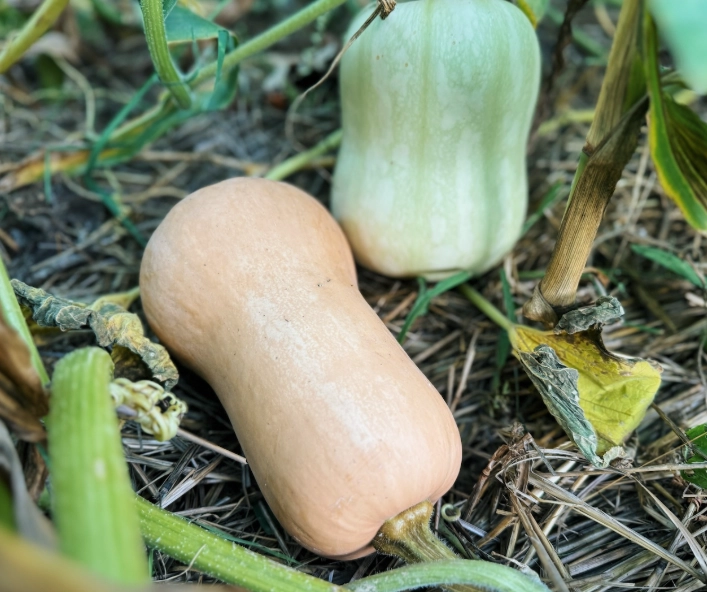
Reader Comments