You've seen them at the market, those elegant, bell-shaped butternut squashes promising sweet, nutty flesh. But picking the right one? That's where the anxiety kicks in. Is it ripe? Will it be flavorless and stringy? I've been there, bringing home a squash that looked perfect only to find it bland and hard as a rock. After years of gardening and cooking, I've learned that judging butternut squash ripeness isn't a guessing game. It's a skill based on a few concrete, foolproof signs. Let's cut through the confusion. A truly ripe butternut squash has developed its full sweetness and will store for months, transforming your fall and winter soups, roasts, and pies.
What You'll Learn in This Guide
How to Tell if a Butternut Squash is Ripe: The 4 Visual Checks
Forget just looking at the color. That's beginner stuff and often misleading. You need a full checklist. When I'm at the store or in my garden, I run through these four points in order. If it passes all four, you're almost certainly holding a winner.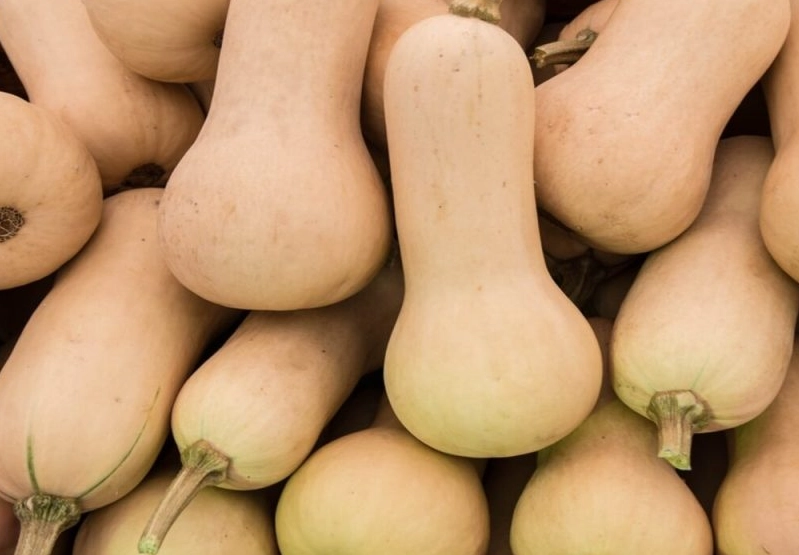
1. The Stem is Your First Clue
Look at the stem where the squash was attached to the vine. This is non-negotiable. A ripe butternut squash will have a hard, dry, corky, and brown stem. If the stem is green, soft, or looks freshly cut and moist, walk away. That squash was harvested too early and will never develop proper sweetness. A tough, woody stem is a sign the plant has sealed off the fruit, a key part of the ripening process.
2. Skin Color and Sheen
Yes, color matters, but it's about depth, not just hue. A ripe squash turns a uniform, deep tan or beige. The classic orange undertones come through, but the main color is a matte, earthy brown. Avoid squashes with large patches of green, especially at the top near the stem. Here's a nuance most miss: the skin should have a dull, matte finish, not a shiny, waxy one. That shine often indicates immaturity. The skin has fully hardened to protect the flesh inside.
3. The Skin Should Resist Your Thumbnail
This is the ultimate test for skin hardness. Take your thumbnail and gently try to press it into the skin of the squash. On a ripe butternut, your nail will not puncture or even leave a dent. It will glide right off. If you can pierce the skin easily, even a little, the squash is not mature. That thin skin means it hasn't developed its protective layer and will spoil quickly.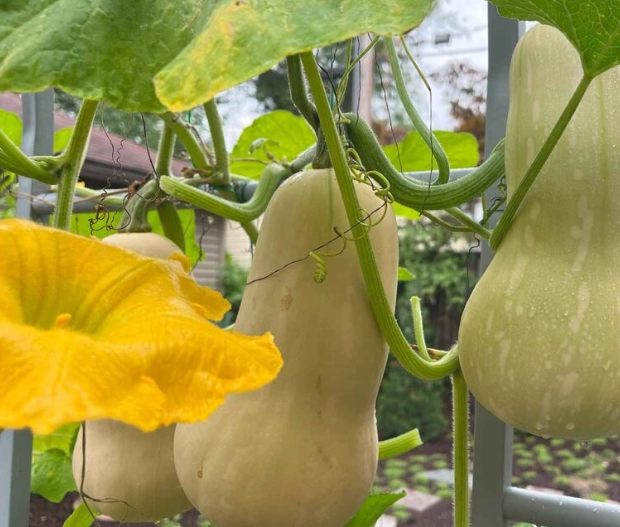
Pro Tip: Don't test this on every squash in the bin! Be respectful. Find one that looks good and give it a gentle press on the bottom or a less conspicuous area. One test is enough to judge the batch.
4. A Consistent Shape and Weight
A ripe butternut squash feels heavy for its size, dense with developed flesh and seeds. It should also have a consistent shape—no major soft spots, bruises, or cuts. The neck should be firm, not shriveled or flexible.
The Advanced Ripeness Tests: Touch and Sound
Once you've passed the visual exam, these next two methods confirm your diagnosis. They're especially useful if you're growing your own.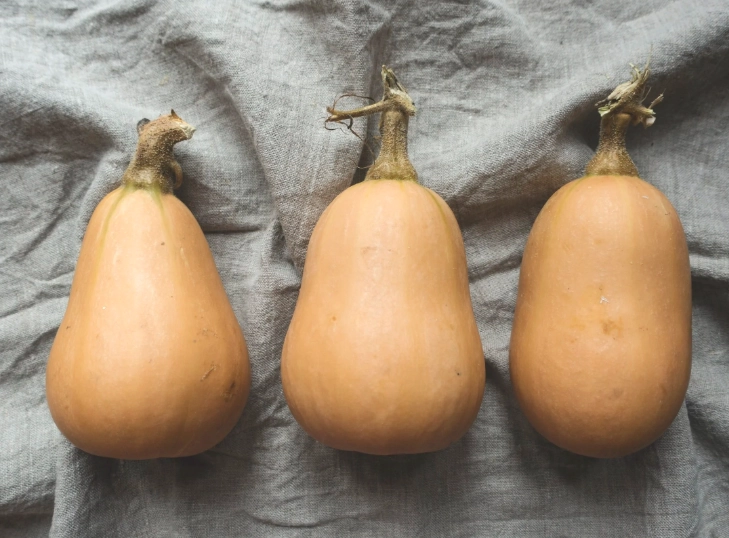
The Knock Test: Hold the squash up to your ear and give it a firm tap with your knuckles. A ripe, solidly fleshed squash will produce a deep, hollow sound. An unripe one sounds denser and more solid, almost like tapping a block of wood. It takes a bit of practice, but compare a few and you'll hear the difference.
The Feel Test: Run your hands over the squash. The skin should feel completely hard, like a shell, with no give whatsoever. Any softness, especially on the bottom or along the seams, is a red flag for rot or immaturity.
When to Harvest Butternut Squash From Your Garden
If you're a gardener, timing is everything. Harvest too early, and you get starch. Too late, and frost can damage your crop. Here’s my seasonal schedule.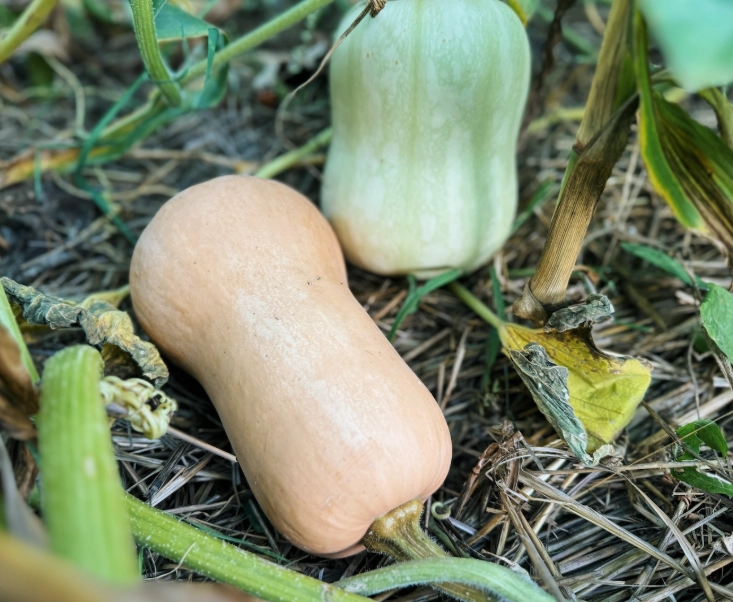
Most butternut squash varieties need 80-110 days to mature from planting. Start counting from the day you transplant seedlings or from seed germination. But days are just a guide. Watch the plant itself.
The Big Mistake: Don't harvest just because the vine starts to die back! This is a common error. The vine often begins to yellow and wither as the fruit redirects energy to final ripening. Use the vine's condition as a signal to start checking, not as the harvest command. The final call must be based on the squash's skin hardness and stem condition.
The ideal harvest window is in late September through October, before the first hard frost. A light frost (temps just below freezing for an hour or two) might nip the vines but usually won't harm the fruit if you harvest soon after. A hard frost (below 28°F / -2°C for several hours) can damage the skin and storage potential.
Use pruning shears or a sharp knife to cut the stem, leaving at least 2-3 inches attached. Never pull or twist it off the vine, as a torn stem creates an entry point for rot.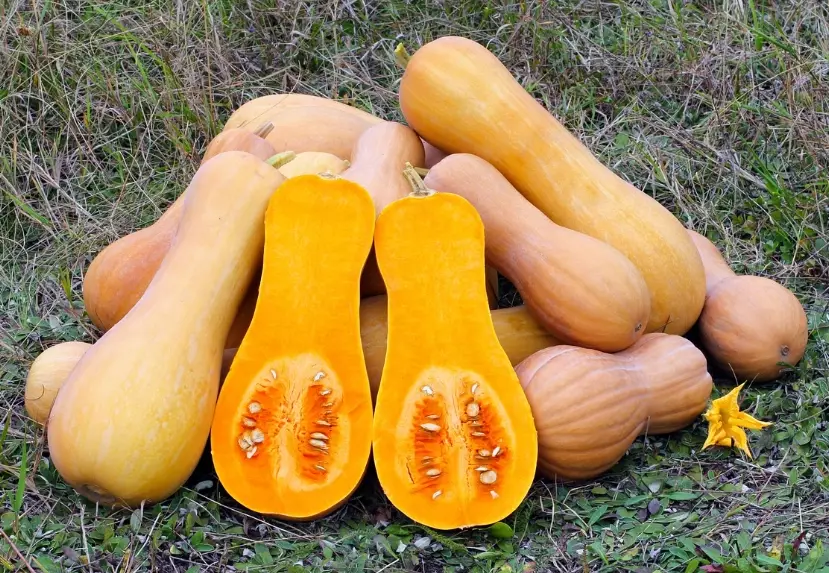
Post-Harvest: The Critical Steps of Curing and Storing
Harvesting isn't the finish line. For the best flavor and longevity, you need to cure and store properly. This is where homegrown squash really shines.
Curing: After harvest, place your squashes in a warm, dry, well-ventilated spot (like a sunny patio, garage, or porch) for about 10-14 days. Ideal curing temperatures are between 75-85°F (24-29°C). This process further hardens the skin, heals minor scratches, and, most importantly, converts starches into sugars. It's the final ripening boost. After curing, wipe off any dirt.
Storing: Now move them to a cool, dark, and dry place. A basement, cellar, or cool closet is perfect. The ideal storage temperature is 50-55°F (10-13°C). Do not refrigerate whole squash—the cold damages the flesh and texture.
| Condition | Storage Lifespan | Notes |
|---|---|---|
| Properly cured & stored whole | 3-6 months | Check monthly for soft spots. |
| Cut, raw (refrigerated) | 3-5 days | Wrap tightly in plastic wrap. |
| Cooked, mashed/puréed (frozen) | 10-12 months | Freeze in portion-sized containers. |
What if You Accidentally Pick an Unripe Squash?
It happens. Maybe you got excited, or a storm was coming. Don't toss it. An unripe butternut squash can often be salvaged through a process called "curing at room temperature."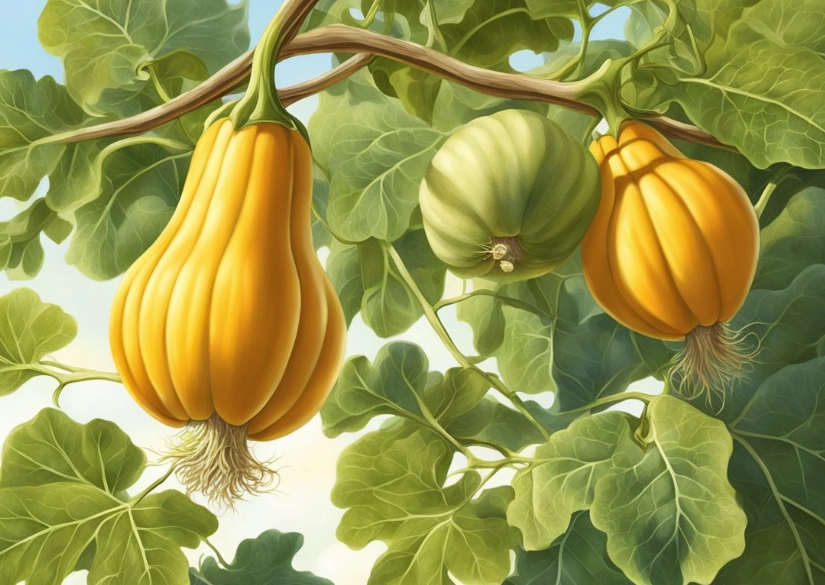
Place the squash in a warm, sunny spot inside your house (a windowsill, near a heater) for 2-4 weeks. Turn it occasionally. It may continue to ripen, developing more color and sweetness, though it will never reach the full potential of a vine-ripened one. The skin might not harden as much, so plan to use it within a few weeks.
If it's only slightly underripe, you can still cook with it. Roasting or simmering will soften it, but the flavor will be more vegetable-like (think raw pumpkin) than sweet and nutty. Consider using it in savory soups or stews where you can boost flavor with spices, rather than in a pie where sweetness is key.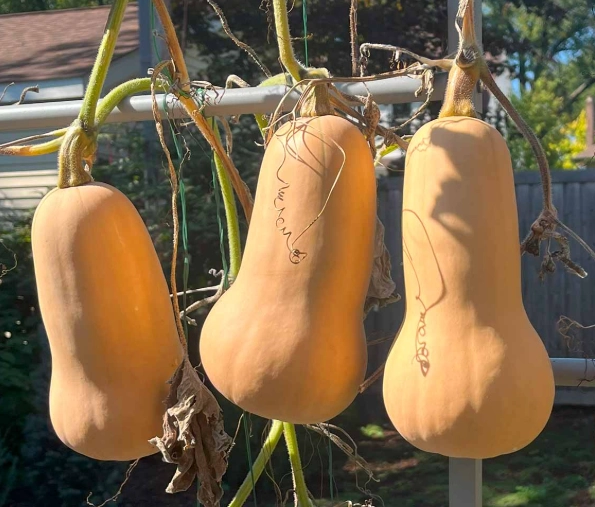
Reader Comments