What You’ll Learn
Cremini mushrooms. You see them all the time in the grocery store, sitting right next to their white button cousins, often for just a dollar or so more per package. But what’s the real difference? And more importantly, what can you actually do with them that will make them shine?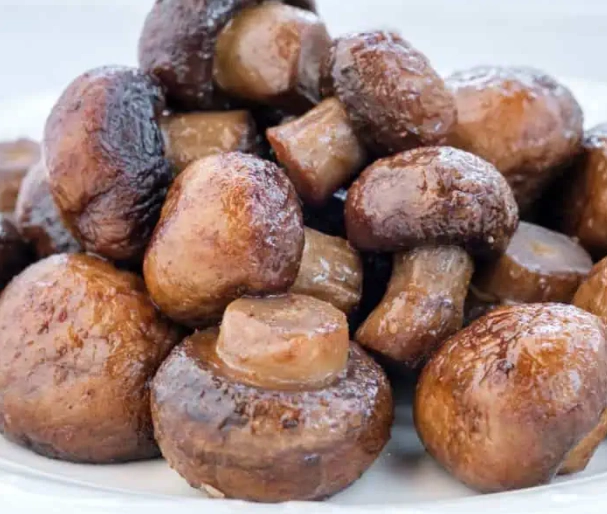
I’ve been cooking with cremini (and portobellos, and shiitakes, and morels) for over a decade, and I can tell you this: the cremini mushroom is your secret weapon for flavor. It’s the “baby bella” or “brown mushroom” that’s sold before it fully matures into the giant, open-capped portobello. That means it’s got all the earthy, umami depth of a portobello, but it’s still tender and quick-cooking like a white button. It’s the perfect middle ground.
This guide isn’t just a list of recipes. It’s a deep dive into how to treat this specific ingredient. We’ll cover what they are, how to pick the best ones, how to store them so they last, and then we’ll get into the real cooking techniques that make a difference. I’ll also point out a few mistakes I’ve made along the way so you can avoid them.
What Are Cremini Mushrooms?
Let’s clear this up first, because names can be confusing. Cremini mushrooms (sometimes spelled “crimini”) are simply the brown variety of the common white button mushroom (Agaricus bisporus). They’re the same species, just a different strain allowed to develop a bit more color and flavor.
Think of them like this: if a white button mushroom is a green bell pepper, a cremini is a red bell pepper. Same plant, more mature flavor. They are often marketed as “baby bellas” or “brown mushrooms.” When allowed to grow even larger, they become the massive, open-capped portobello mushrooms you see for stuffing.
Key takeaway: Cremini, baby bella, and portobello are all the same mushroom at different ages. Cremini are the youngest, then baby bellas, then finally the mature portobellos. This is important because it means any recipe that calls for “baby bella” mushrooms is calling for creminis. And any recipe that calls for portobellos can use creminis (you’ll just need to adjust the cooking time since they’re smaller).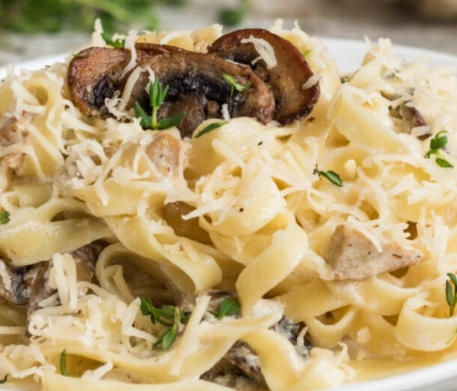
How to Select and Store Cremini Mushrooms
Picking good cremini mushrooms is easy, but most people get this wrong. Forget looking for the biggest ones. That’s often a sign they’re older and potentially starting to dry out.
Here’s what you actually want:
- A closed cap that hasn’t opened up to expose the gills underneath. This means the mushroom is younger and will have a firmer texture.
- A firm, dry stem that isn’t slimy or shriveled.
- A smooth cap without too many deep cracks or blemishes. Some minor spotting is fine, especially on organic ones, but avoid large, dark, wet-looking spots.
- Heavy for their size. This is the best indicator of freshness. Mushrooms are mostly water, so heavier ones have retained more moisture.
Once you get them home, do not store them in the plastic bag they came in. That bag traps moisture and speeds up decay. Instead, transfer them to a paper bag or a breathable container (like a bowl with a loose-fitting lid or a cloth over it). Place them in the main part of your refrigerator, not in the crisper drawer, which is often too humid. Stored this way, they can last for up to 7-10 days easily.
How to Clean and Prepare Cremini Mushrooms
Now, the question everyone asks: to wash or not to wash? The internet is full of strong opinions, usually stating “NEVER WASH MUSHROOMS, just brush them!” Here’s my take, based on cooking hundreds of pounds of them.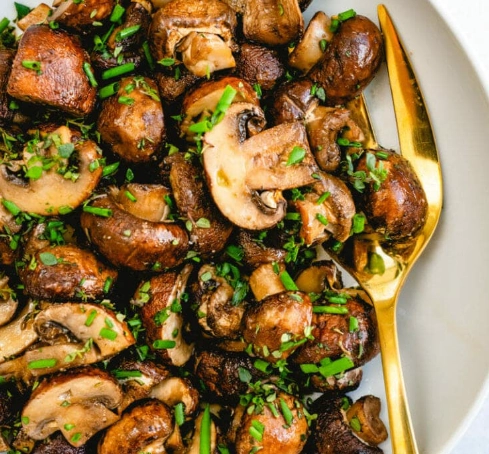
You can wash mushrooms. Yes, you read that right. The “never wash” rule is a myth for commercial mushrooms grown indoors (like creminis, buttons, portobellos). They are not covered in the same dirt as wild foraged mushrooms. A quick rinse under cool running water won’t kill them. The real problem isn’t the water itself; it’s leaving them wet.
If you submerge them in a bowl of water and let them sit for 20 minutes, they’ll absorb it like a sponge and become soggy. But if you rinse them under the tap, shake off the excess water, and immediately pat them dry with a paper towel (or better yet, use a clean kitchen towel), they’ll be fine. I do this every single time if they have visible dirt on them. The key is the immediate drying.
The bigger mistake I see is people spending 10 minutes meticulously brushing every single mushroom. For a simple sauté or roast, you don’t need to remove every speck of the thin, papery skin on the cap. It’s edible and will crisp up nicely. Just remove any major dirt clumps with your fingers or a quick brush. Save your energy for the actual cooking.
To Stem or Not to Stem?
This is a personal preference, but I almost always keep the stems on cremini mushrooms. They are completely edible, tender, and have great flavor. The only time I might trim the very end if it looks particularly dry or dirty, but that’s rare. Slicing them up with the stem attached is faster, and you get more mushroom for your effort.
How to Sauté Cremini Mushrooms Perfectly
Sautéing is the most common and quickest way to cook creminis, and it’s where most people go wrong. The goal is a golden-brown sear, not steaming them in their own liquid.
The biggest secret: Don’t move them for the first few minutes. Place your sliced creminis in a single layer in a preheated pan with enough oil or butter. Leave them alone. This allows the heat to properly sear the surface, creating that beautiful color and flavor. If you stir them too early, you’ll lower the pan temperature and they’ll start releasing water instead of browning.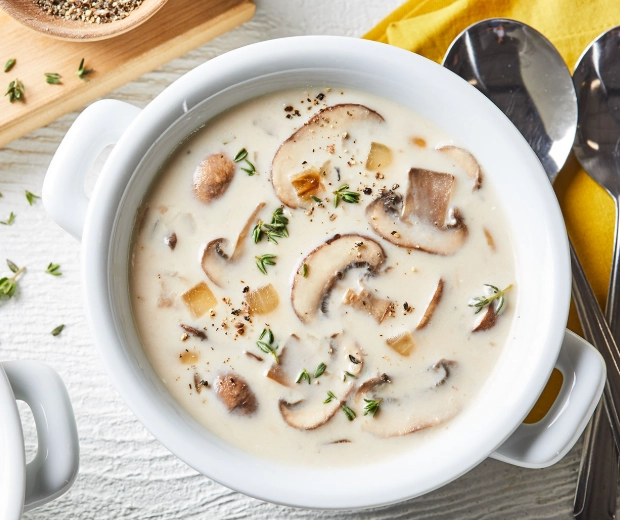
Here’s a step-by-step breakdown:
- Heat your pan first, then add the fat. A hot pan is non-negotiable. I use a stainless steel or cast iron skillet over medium-high heat. Wait until you see a light shimmer in the oil before adding the mushrooms.
- Don’t overcrowd the pan. This is the rule I break sometimes when I’m in a hurry, but I always pay for it. If you pile too many mushrooms in at once, they’ll steam instead of sauté. If you need to cook a large batch, do it in two batches.
- Season after they start to brown. Adding salt too early draws out moisture. Wait until you see some color developing on one side, then sprinkle with a good pinch of kosher salt and fresh black pepper.
- Finish with aromatics. Once the mushrooms are 80% done and have a nice sear, push them to the side. Add a minced clove of garlic (or shallots, or thyme) to the cleared space in the pan. It will sizzle almost instantly. Then toss everything together for the final minute of cooking. This prevents the garlic from burning.
That’s it. The entire process takes about 8-10 minutes. You’ll know they’re done when they’ve reduced in size by about half and are tender when pierced with a fork.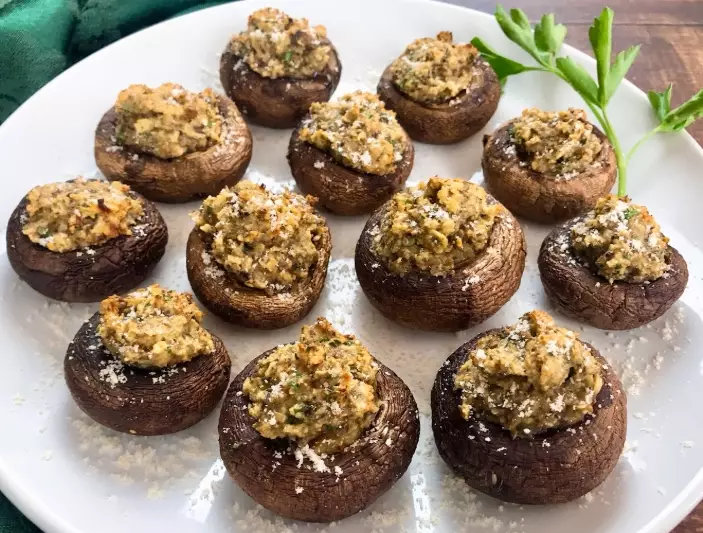
The Best Cremini Mushroom Risotto Recipe
If you want to truly showcase the flavor of cremini mushrooms, risotto is the way to go. It’s a dish that demands attention, but the payoff is immense. The mushrooms infuse the rice with their essence.
Here’s my go-to method, which is different from most recipes you’ll find online. Most recipes tell you to add the mushrooms at the beginning with the onions. I disagree. You should sauté the mushrooms separately first. Why? Because if you add them raw to the risotto, they’ll release all their water into the dish, making it harder to get a proper sear and concentrating their flavor. By sautéing them first, you cook off that excess moisture and caramelize their edges, locking in the flavor that then gets distributed throughout the rice.
Ingredients:
- 1 ½ cups Arborio or Carnaroli rice
- 1 lb cremini mushrooms, cleaned and sliced
- 1 small onion, finely chopped
- 2 cloves garlic, minced
- ½ cup dry white wine (optional)
- 5-6 cups hot chicken or vegetable broth, kept warm
- ½ cup freshly grated Parmesan cheese
- 3 tbsp unsalted butter
- ¼ cup olive oil
- Salt and freshly ground black pepper to taste
- Fresh parsley, chopped for garnish (optional)
Method:
- In a large saucepan, heat the olive oil over medium heat. Add the chopped onion and cook until softened and translucent, about 5 minutes.
- Add the minced garlic and cook for another minute until fragrant.
- Increase the heat to medium-high and add the sliced cremini mushrooms. Cook without stirring for 3-4 minutes to get a good sear on one side.
- Then stir and continue cooking until the mushrooms have released their liquid and it has mostly evaporated, and they are tender and browned, about 5-7 minutes more.
- Add the rice and stir to coat with the oil, toasting for 1-2 minutes.
- Pour in the white wine (if using) and stir constantly until it has been completely absorbed.
- Add the hot broth one ladleful at a time, stirring constantly and allowing each addition to be absorbed before adding the next. This process will take about 18-20 minutes.
- Once the rice is al dente (tender but still with a slight bite to it) and the mixture is creamy, remove from the heat.
- Stir in the butter and grated Parmesan cheese until fully melted and incorporated. Season with salt and pepper to taste.
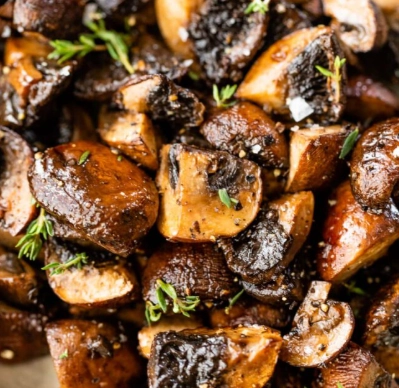
- Serve immediately, garnished with chopped fresh parsley if desired.
How to Roast Cremini Mushrooms for Deep Flavor
Roasting is my absolute favorite way to prepare cremini mushrooms. It’s a hands-off method that concentrates their flavor and gives them a meaty, almost steak-like texture. And it’s incredibly simple.
Here’s the only thing you need to remember: High heat. 425°F (220°C). Toss them with enough oil to coat, salt, pepper, and any herbs you like (rosemary and thyme are classics for a reason). Spread them out in a single layer on a baking sheet. Roast for 20-25 minutes, flipping halfway through, until they’re deeply browned and tender.
The high heat is what creates the Maillard reaction, the chemical process that gives them that deep, savory flavor and color. Don’t be afraid of a little char on the edges. That’s flavor.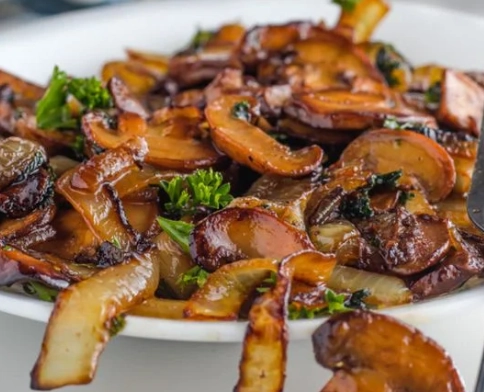
Your Cremini Mushroom Cooking Questions Answered
Cremini mushrooms are incredibly versatile. Whether you're a seasoned cook or just starting out, understanding these few fundamental techniques will unlock their potential in your kitchen. Don't be afraid to experiment. Try them in the recipes above, or use this guide as a reference to adapt them into your own creations. The most important thing is to have fun with the process.
Reader Comments