Let's clear something up right away. That glossy, sweet-tangy orange sauce coating your favorite takeout chicken isn't some mystical kitchen secret. It's a beautifully balanced emulsion you can absolutely make at home, often with better ingredients than any restaurant. The real magic isn't in a single ingredient, but in understanding how acidity, sweetness, and umami play together. I've spent years tweaking this, moving from syrupy glops to a sauce with real depth. It's simpler than you've been led to believe.
In This Article
What Is Orange Sauce for Chicken, Really?
Forget the neon-orange stuff. Authentic orange chicken sauce, tracing its roots to Hunan and Sichuan cuisine (though Americanized), is a stir-fry sauce built on a foundation of fresh citrus, aromatics, and a savory-sweet liquid. It's closer to a gastrique or a glaze than a traditional gravy. The goal is a coating that's sticky enough to cling, but fluid enough to pool slightly on the plate—not a candy shell. It should make your lips tingle first with zest, then sweetness, followed by a savory finish.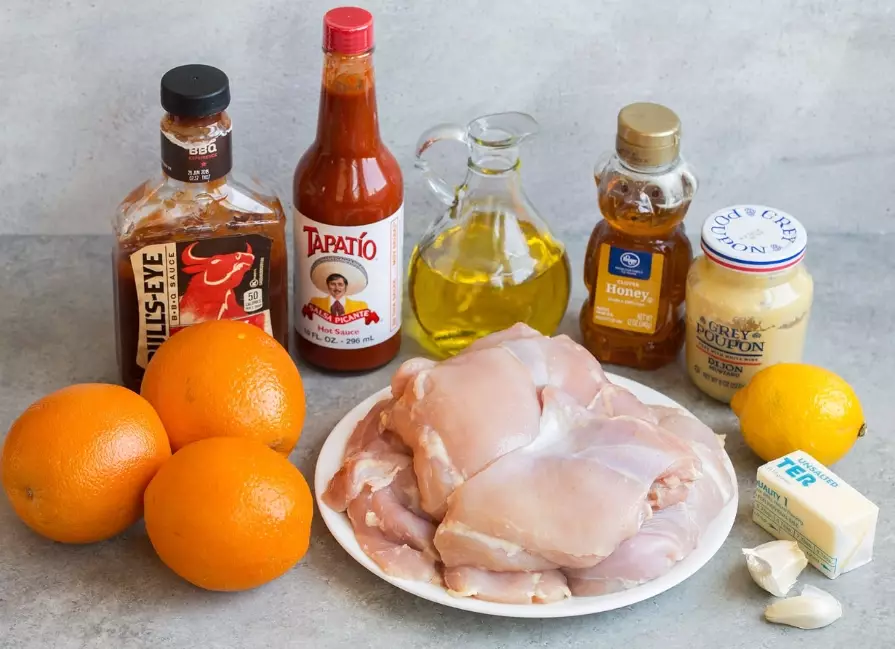
The Anatomy of a Perfect Orange Sauce
Every component has a job. Mess with the balance, and the whole thing falls apart.
The Core Ingredients & Their Roles
Fresh Oranges (Zest and Juice): Non-negotiable for bright, top-note flavor. The zest holds the fragrant oils; the juice provides the liquid base and primary acidity. Navel oranges work, but blood oranges or Cara Caras add a stunning color and complexity.
The Acid Counterpoint: Rice vinegar or fresh lemon juice. This is the secret weapon that keeps the sauce from being cloying. Most home cooks under-acidify. You need that sharp ping.
The Sweetness: Granulated sugar, honey, or brown sugar. Brown sugar adds a molasses note that pairs wonderfully with soy. Honey can make the sauce shinier.
The Savory Depth (Umami): Soy sauce is the standard. For a richer, darker flavor, I often use half soy sauce, half oyster sauce. This is what separates a glaze from a sauce with staying power.
The Aromatics: Fresh garlic and ginger, minced fine. Grate them if you want their flavor to disappear completely into the sauce. For a subtle heat, a teaspoon of chili-garlic paste or a dried red chili.
The Thickener: A cornstarch slurry (cornstarch mixed with cold water). This gives the sauce its signature glossy, clinging texture. The biggest mistake here? Adding the dry cornstarch directly to the hot liquid. You'll get lumps every time.
Your Foolproof Step-by-Step Recipe & Method
This is my weekday workhorse recipe. It scales easily and comes together in under 15 minutes while your chicken cooks.
Ingredients for the Sauce (Serves 4):
- Zest and juice of 2 large oranges (about ¾ cup juice)
- 2 tablespoons rice vinegar or lemon juice
- ¼ cup light brown sugar
- 3 tablespoons soy sauce (use tamari for gluten-free)
- 1 tablespoon oyster sauce (optional, but recommended)
- 3 cloves garlic, minced
- 1 tablespoon fresh ginger, minced
- 1 tablespoon cornstarch mixed with 2 tablespoons cold water (the slurry)
- 1 teaspoon toasted sesame oil (for finishing)
How to Make the Orange Sauce
1. Combine and Simmer: In a small saucepan, whisk together the orange juice, zest, vinegar, brown sugar, soy sauce, oyster sauce, garlic, and ginger. Bring it to a gentle simmer over medium heat. Let it bubble for 3-4 minutes. This melds the flavors and dissolves the sugar.
2. Thicken: Give your cornstarch slurry a final stir (it settles). While whisking the simmering liquid constantly, drizzle in the slurry. The sauce will look cloudy at first. Keep whisking and simmering for another 2-3 minutes. It will turn clear and glossy as it thickens. If it gets too thick, whisk in a splash of water or orange juice.
3. Finish: Remove from heat and stir in the sesame oil. This adds a nutty aroma that you'd miss if added during cooking. Taste it. Does it need more zip? A drop more vinegar. More depth? A pinch of salt. It's your sauce now.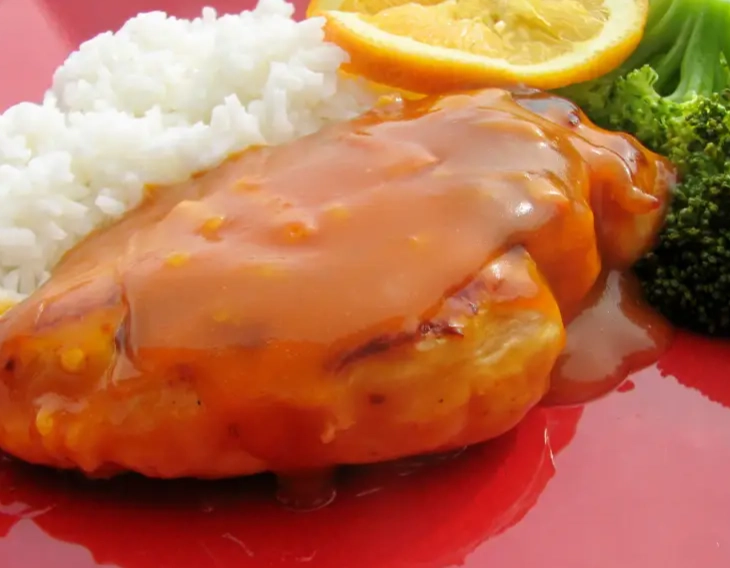
Pro Tip I Learned the Hard Way: Don't use pre-minced jarred garlic or ginger for this. They contain preservatives and moisture that give a bitter, off flavor when simmered. The five minutes it takes to mince fresh makes a world of difference.
How to Cook the Chicken: A Method Breakdown
The sauce is versatile. Here’s how to pair it with different chicken styles, ranked by effort and result.
| Method | Best For | Key Steps | When to Add Sauce |
|---|---|---|---|
| Stir-Fry | Authentic texture, quickest | Cube chicken breast/thigh, velvet in cornstarch & egg white, flash-fry in hot oil. | Toss fried chicken in sauce at the very end, just to coat. |
| Baking | Hands-off, healthier | Season chicken pieces (drumsticks, thighs), bake at 400°F (200°C) for 25 mins. | Brush with sauce last 10 mins of cooking to caramelize. |
| Air Frying | Crispy skin without deep frying | Pat chicken dry, lightly oil, air fry at 380°F (193°C) until cooked & crispy. | Toss or brush immediately after cooking while hot. |
| Slow Cooking/ Braising | Fall-off-the-bone tender meat | Brown chicken, add to slow cooker with half the sauce. | Add half sauce at start, reduce the rest on stove to glaze before serving. |
My personal favorite for a Tuesday night? Bone-in, skin-on chicken thighs. I season them, pop them in the oven, and make the sauce while they roast. The fat from the skin renders into the pan, and when I add the sauce towards the end, it mingles with those juices and becomes something incredible. Less fuss than stir-frying, more flavor than breasts.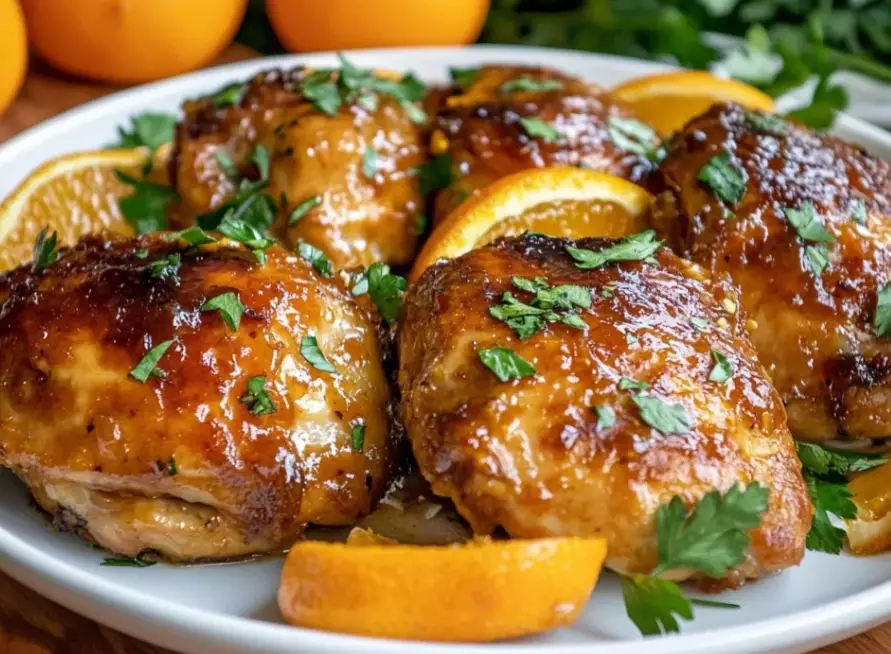
Two Recipe Variations to Try
For the Fast & Frugal Cook: Use the juice of one orange and supplement with a good-quality orange juice (not from concentrate). Boost the fresh ginger. The freshness of the ginger will carry the sauce.
For the Flavor Adventurer: Add a star anise pod to the simmering sauce, then remove it before thickening. Swap half the orange juice with fresh tangerine juice. Finish with a sprinkle of Szechuan peppercorn powder for a tingling numbness.
Common Questions Answered
Here are the things people don't usually talk about, the little hiccups that can ruin your dish if you're not prepared.
The final test? Make the sauce, taste it straight from the spoon, and then taste it again with a tiny piece of plain chicken. They should elevate each other. If the sauce overpowers, it needs more liquid or acid. If it disappears, it needs more reduction or a flavor boost. It's a dance, not a recipe. Now you know the steps.
Reader Comments