You've nurtured your butternut squash vines all summer, watching the little fruits swell. Now comes the big question: when are they actually ready? Picking too early means bland, starchy flesh. Wait too long, and a surprise frost could ruin your entire crop. Getting the timing right is everything. After growing squash for over a decade, I've learned it's less about the calendar and more about reading the subtle signs the plant gives you. Let's cut through the guesswork and get straight to how you know your butternut squash is ripe.
What's in this guide?
The 5 Non-Negotiable Signs of a Ripe Butternut Squash
Forget the "days to maturity" on the seed packet. That's just an estimate. Your squash will tell you when it's ready, but you have to know the language. Here are the five physical signs you need to check, in order of importance.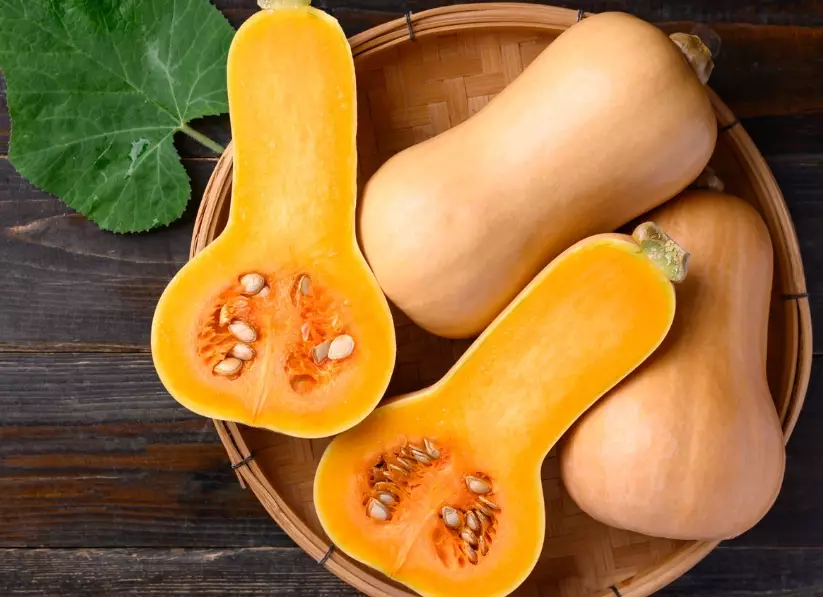
1. The Skin Color Has Fully Changed
This is the most obvious sign. A ripe butternut squash has turned from a pale, creamy yellow or greenish hue to a deep, uniform tan or beige. There should be no green streaks left, especially near the stem. The color change starts where the squash touches the ground and spreads. I see a lot of people get excited when the bottom turns tan, but if the top near the stem is still green, it needs more time. The skin also loses its sheen and becomes more matte.
2. The Stem is Tough and Corky
Reach down and feel the stem connecting the squash to the vine. An immature squash has a green, flexible, succulent stem. A ripe one? That stem transforms. It becomes hard, woody, and cork-like. It often starts to turn brown and look cracked. This is the plant's way of beginning to seal off the fruit. If you can easily bend the stem or puncture it with your thumbnail, the squash isn't ready. This is a critical sign many beginners miss because they're so focused on the squash itself.
3. The Skin is Hard and Resists Puncture
Try to press your thumbnail into the skin of the squash. On an immature squash, your nail will pierce the skin fairly easily. On a ripe butternut, the skin has hardened to a tough rind that your thumbnail cannot penetrate. It should feel solid, like a winter storage squash should. This hardened skin is what allows it to last for months in storage. If your nail leaves a mark or indentation, give it more time on the vine.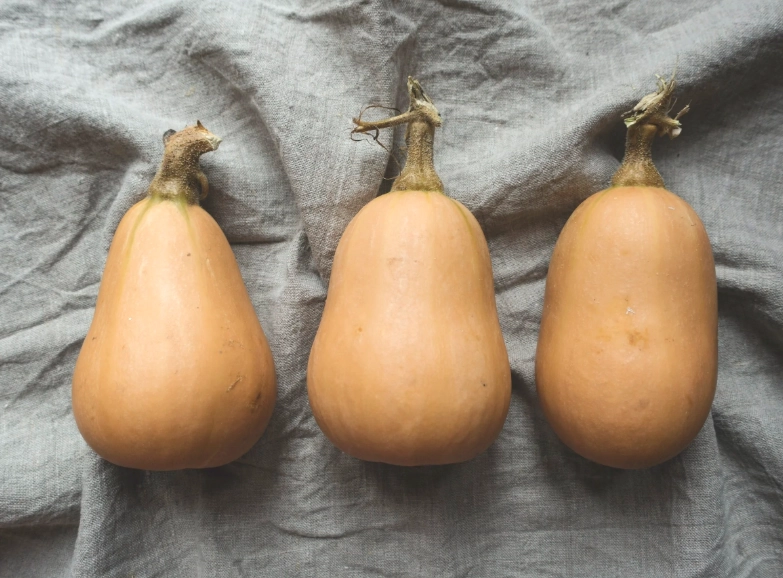
4. The Ground Spot Has Changed Color
Look at the spot where the squash has been resting on the soil. When immature, this spot is usually a pale white or yellow. As the squash ripens, this ground spot turns a rich, orangey-tan color, matching the rest of the squash. If that spot is still a starkly different, lighter color, the ripening process isn't complete.
5. The Vine Starts to Give Up
Finally, look at the vine attached to your squash. As the squash reaches full maturity, that section of the vine often begins to wither, turn brown, and die back. It's the plant's final signal that it has put all it can into the fruit. Don't rely on this sign alone—sometimes vines stay green—but when combined with the others, it's a strong confirmation.
Quick Reference Table: Ripe vs. Not Ready
| Sign | Ripe Butternut Squash | Not Ready Yet |
|---|---|---|
| Skin Color | Deep, uniform tan/beige; matte finish | Pale yellow, green streaks; shiny |
| Stem | Hard, woody, brown, and corky | Green, flexible, succulent |
| Skin Hardness | Cannot be pierced with a thumbnail | Yields to thumbnail pressure |
| Sound When Tapped | Hollow, firm sound | Dull, solid thud |
Finding the Perfect Harvest Window: Frost vs. Full Ripeness
Here's where theory meets reality. Ideally, you let the squash achieve all five signs of ripeness on the vine. The flavor and sugar content peak when this happens. But nature has other plans, especially in colder climates. The enemy is frost.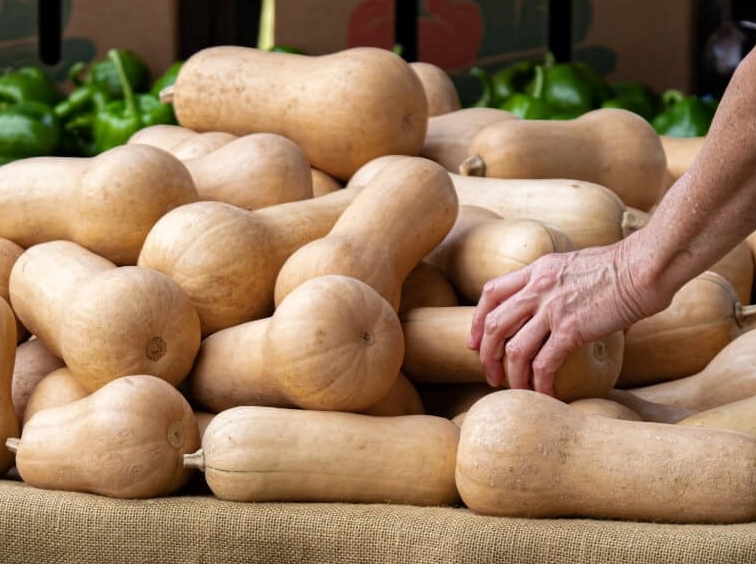
A light frost (temps just below 32°F/0°C for a short time) might not kill the vine immediately, but it damages the skin of the squash, creating entry points for rot that will ruin it in storage. A hard freeze is a death sentence for any unprotected fruit.
So you have a decision tree:
Scenario 1: No Frost in the Forecast. Perfect. Leave the squash on the vine until it meets all the ripeness criteria. This gives you the highest quality, longest-storing squash.
Scenario 2: A Light Frost is Coming, But Squash Are Close. This is the most common dilemma. If your squash are mostly tan and the stems are starting to cork over, but maybe the skin isn't rock-hard yet, harvest them before the frost hits. It's better to have a slightly immature squash than a frost-damaged one. They will continue to mature somewhat during the curing process.
Scenario 3: A Hard Freeze is Imminent, Squash Are Still Green. Harvest everything, even the pale ones. Frost-damaged squash are unusable. Immature squash can still be cooked and eaten immediately (think of them like summer squash), they just won't store. I've made this call in early October more than once.
Your average first frost date is your key planning tool. Resources like the Old Farmer's Almanac or your local university extension service (search for "[Your State] cooperative extension frost dates") provide localized maps and dates. Start checking your squash daily about 3 weeks before that date.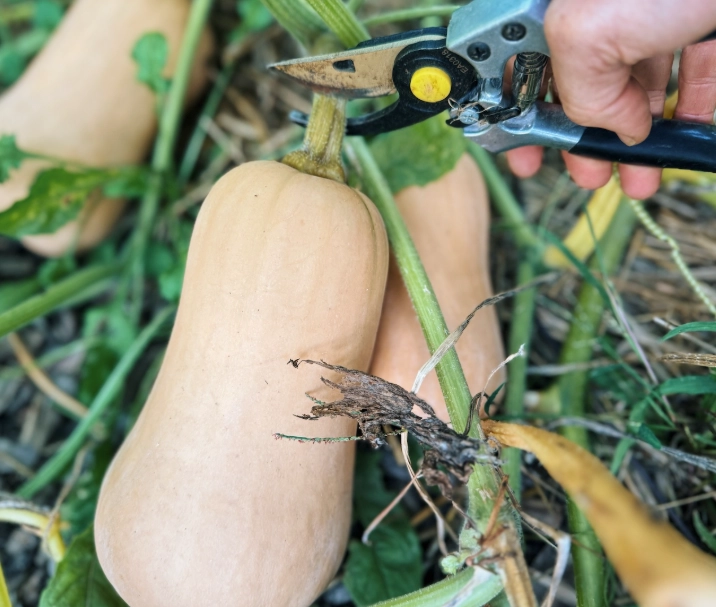
How to Harvest, Cure, and Store Squash Like a Pro
Harvesting isn't just yanking it off the vine. Doing it wrong can create a wound that spoils your squash in weeks. Here's the right way.
The Harvest: Use Pruners, Not Force
Never twist or pull the squash off. You'll tear the stem, leaving a jagged wound prone to rot. Use a sharp pair of pruning shears or a knife. Cut the stem, leaving a good 2 to 4 inches of stem attached to the squash. This "handle" acts as a protective seal. If the stem breaks off flush with the squash, that one needs to be eaten first, as its storage life is compromised. Handle them gently to avoid bruising.
Curing: The Secret to Sweetness and Long Life
This is the step most home gardeners skip, and it's a huge mistake. Curing is a 10-14 day process where the squash sits in a warm, dry place. This process:
- Hardens the skin further.
- Heals minor scratches and the stem cut.
- Converts starches into sugars, dramatically improving flavor.
I cure mine on a table in my sunny garage or on a bench in a sheltered, sunny spot outdoors if rain isn't forecast. Ideal conditions are 80-85°F (27-29°C) with good air circulation. Don't pile them on top of each other. Let them sit, turning them occasionally, for up to two weeks. You'll notice the skin get even harder.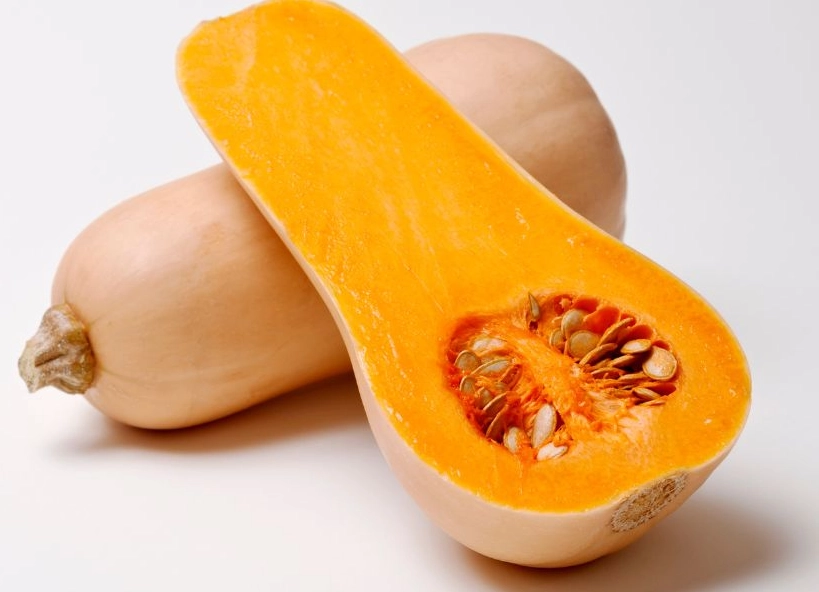
Long-Term Storage: Cool, Dark, and Dry
After curing, move them to their permanent winter home. The perfect storage conditions are:
- Temperature: 50-55°F (10-13°C). A cool basement, unheated spare room, or root cellar is ideal. A garage often gets too cold.
- Humidity: Moderate, around 50-70%. Not damp, not bone-dry.
- Darkness: Keep them out of direct sunlight.
- Airflow: Store them in a single layer on a shelf or rack, not in a sealed plastic bin. Check them monthly for any soft spots.
Properly harvested, cured, and stored butternut squash can easily last 3 to 6 months, sometimes even into early spring. I've enjoyed squash from my garden in March.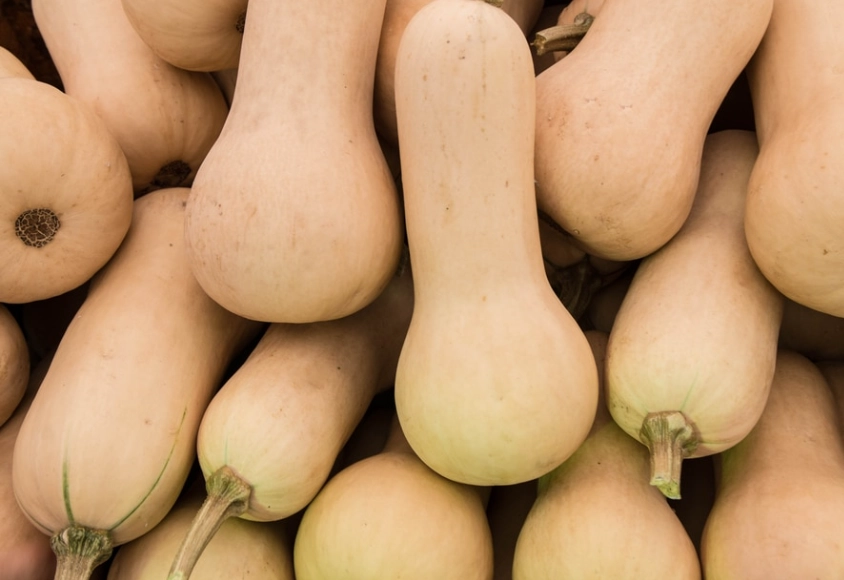
Your Butternut Squash Harvest Questions, Answered
What if the vine starts to die but the squash isn't fully colored?
Harvest it. A dying vine won't provide any more nutrients. The squash might ripen further during curing, especially if it's mostly tan. If it's still quite green, use it soon—it'll be less sweet and more starchy, but still edible in soups or roasted.Can I harvest butternut squash early and let it ripen indoors like a tomato?
Not in the same way. Winter squash need the vine to develop sugars and harden their skin. Once picked, they won't get sweeter; they only undergo the starch-to-sugar conversion during curing if they were already physiologically mature (mostly tan and hard). A truly green-picked squash will remain bland and won't store. It's a vegetable, not a fruit that ripens off the vine.My squash has a pale, soft spot on one side. Is it still good?
That's likely a pressure bruise or the beginning of rot from sitting on damp soil. If it's soft and mushy, cut it out immediately and use the rest of the squash right away—don't try to store it. To prevent this next year, slide a flat stone or piece of wood under developing squash to keep them off wet soil.How long after harvesting should I wait to eat one?
I harvested with a long stem, but it's shriveling and looks moldy. What happened?
Reader Comments