Let's cut to the chase. The single most important decision you'll make for your apple pie isn't the crust recipe or the lattice design. It's the apples. Pick the wrong ones, and you're staring down a soggy, mushy, or bland dessert that no amount of vanilla ice cream can save. I learned this the hard way after a decade of baking and, frankly, a few spectacular failures. This guide isn't just a list; it's a breakdown of why certain apples work, how to choose them, and the little tricks that separate a good pie from a great one.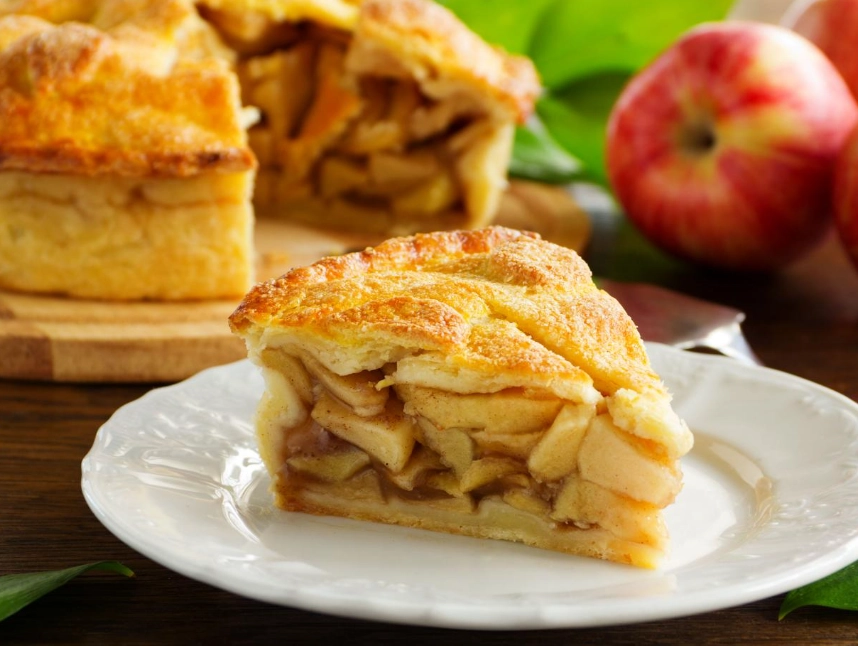
Quick Navigation
How to Choose the Best Baking Apples: The Flavor & Texture Matrix
Forget the old "tart is best" rule. It's more nuanced. You need apples that hold their shape and offer a balance of sweet and tart. Think of it as a two-axis graph.
Texture (Y-axis): Firmness. This is non-negotiable. A good baking apple has dense, crisp flesh that softens to a tender, distinct slice—not applesauce—after an hour in the oven. Varieties like Granny Smith and Northern Spy are champions here.
Flavor (X-axis): Sweetness vs. Tartness. This is where personal taste and recipe balance come in. A very tart apple (high acidity) will require more sugar but can cut through the richness of the butter crust beautifully. A sweeter apple might let you reduce added sugar, allowing its natural honeyed notes to shine.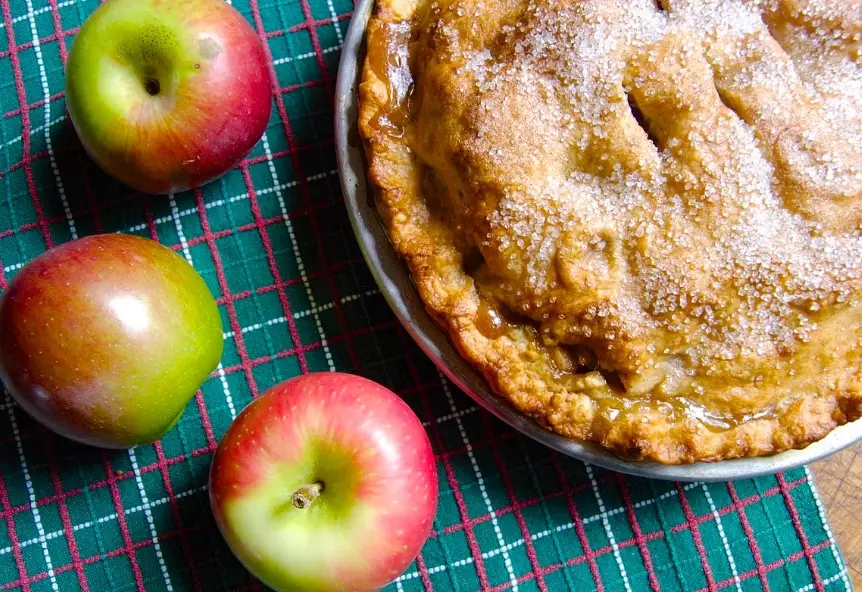
The Perfect Filling Mindset
Here's my non-consensus take: using a single variety is often a mistake. Just like a chef builds a sauce with layers of flavor, build your pie filling. Combine a firm, tart apple for structure and punch with a sweeter, aromatic variety for complexity. A 2:1 ratio of tart-to-sweet is a fantastic starting point. This approach gives you control over the final flavor and guarantees a more interesting bite.
The Top Apple Varieties for Pie, Ranked
Based on availability, reliability, and my own kitchen trials, here's the breakdown. I've included a "Flavor Profile" note because what a variety is *called* doesn't always tell you how it *tastes*.
| Apple Variety | Texture (Post-Baking) | Flavor Profile | Best For... |
|---|---|---|---|
| Granny Smith | Firm, holds shape exceptionally well | Very tart, simple green apple flavor | The structural backbone of any mixed-filling pie. Essential for balance. |
| Honeycrisp | Crisp, softens to a tender-but-distinct slice | Intensely sweet with a hint of tartness | Pies where you want pronounced natural sweetness. Reduces need for added sugar. |
| Braeburn | Firm, excellent keeper of form | Perfect sweet-tart balance, spicy aroma | The all-rounder. Can carry a pie solo or play well in a mix. |
| Jonagold | Moderately firm, softens nicely | Tangy-sweet, complex honeyed notes | Adding depth and aroma to a blend. A favorite of many professional bakers. |
| Northern Spy | Very firm, classic pie apple texture | Tangy and aromatic | Traditionalists seeking the old-school pie apple. Often harder to find but worth it. |
| Golden Delicious | Softens more but retains some bite | Mild, sweet, buttery | Mellowing out a very tart blend. Don't use alone—it can get bland. |
Avoid these for pie: Red Delicious (mealy, flavorless), Gala (too soft, turns to mush), Fuji (very sweet but often too soft). Using them is the #1 mistake I see home bakers make, leading directly to a soggy bottom.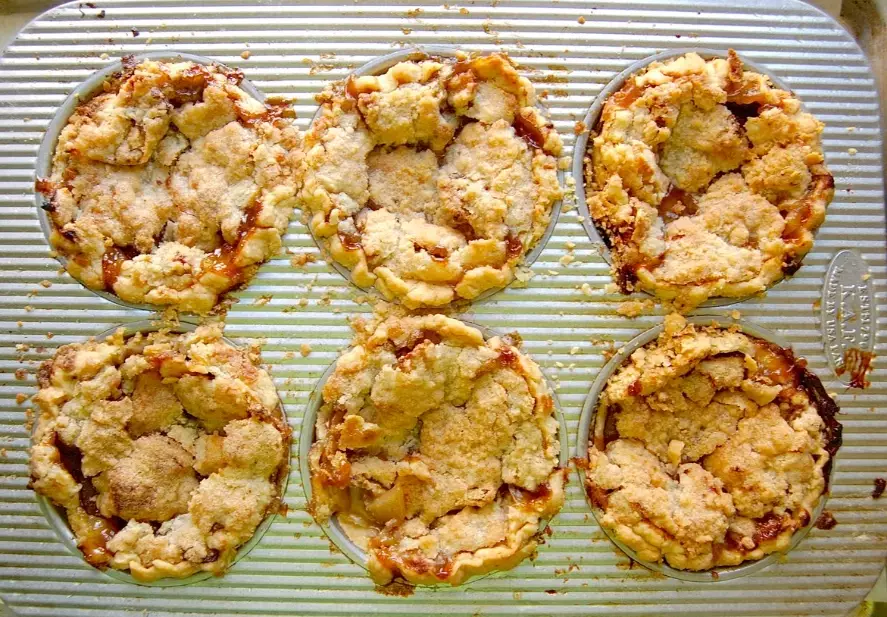
The Regional & Heirloom Gems
If you have access to a farmer's market in the fall, ask for baking-specific heirlooms. Gravenstein (tart, aromatic, but doesn't store long), Newtown Pippin (green, tart, fantastic keeper), and Arkansas Black (intensely firm, spicy flavor that mellows in storage) can elevate your pie to another level. Their flavors are often more complex than commercial varieties.
Pro Strategies & Common Mistakes
Choosing the apple is step one. Here's how to treat them right.
Slice Thickness Matters. Aim for consistent 1/4-inch slices. Too thick, and they won't cook through evenly; too thin, and they'll disappear into the filling. A mandoline slicer is your friend here, but mind your fingers.
Don't Skip the Acid. Even with tart apples, a tablespoon of lemon juice or apple cider vinegar tossed with the slices does wonders. It brightens the flavor and helps prevent the apples from browning.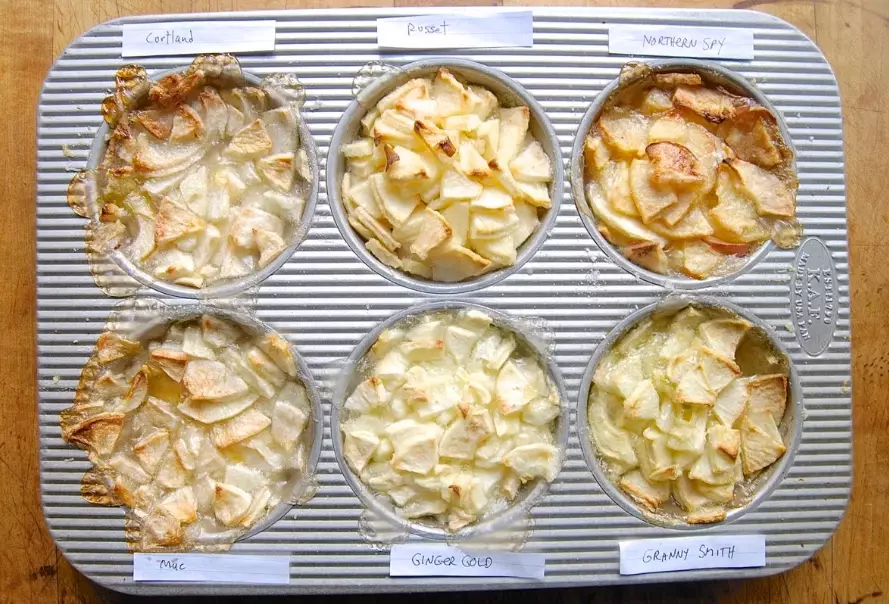
The Blind Bake for Soggy Bottoms. If you fear a wet bottom crust, blind bake it. Line your chilled crust with parchment, fill with pie weights or dried beans, and bake at 375°F (190°C) for 15-20 minutes until just set. This creates a moisture barrier.
Your Apple Pie Questions Answered
These are the real questions from my kitchen and from students over the years.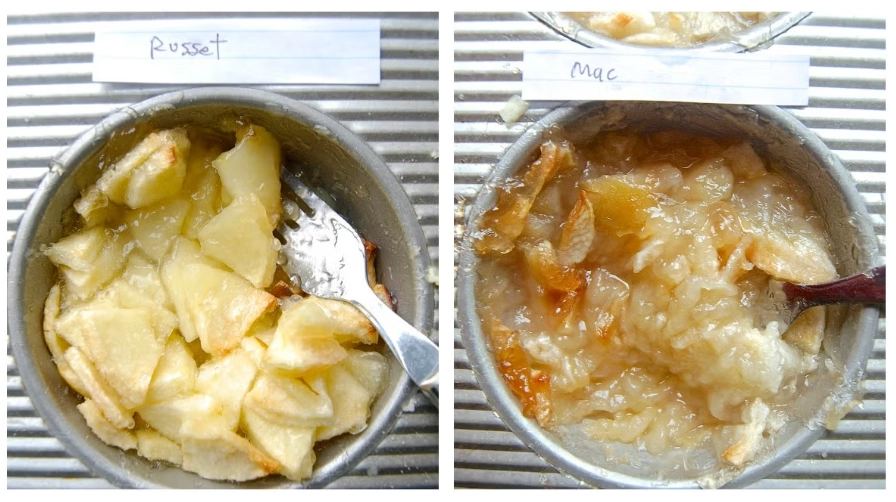
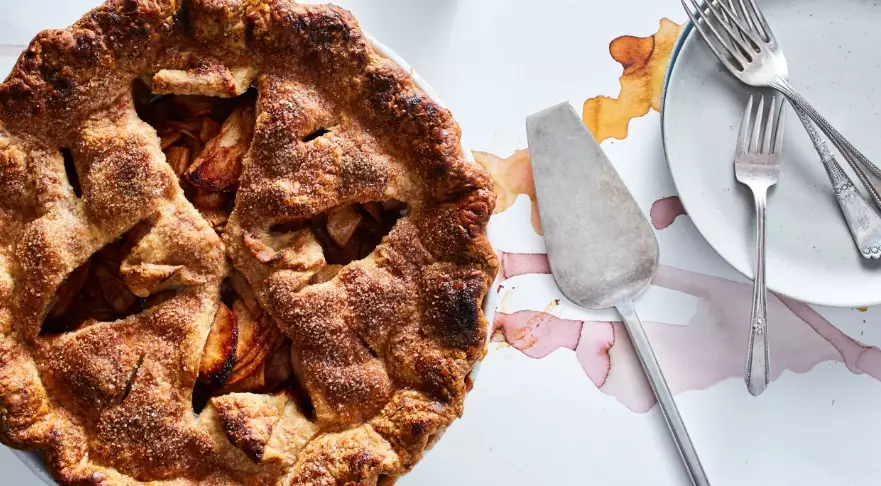 Ultimately, the best baking apple is the one that gives you the pie you love to eat. Start with a blend of a firm-tart and a firm-sweet variety, manage your moisture, and don't be afraid to adjust sugar and spice to your taste. Your perfect apple pie is out there—it just starts with the right fruit.
Reader Comments