Figuring out when butternut squash are ripe isn't rocket science, but get it wrong, and you'll end up with a bland, watery mess. After growing them for over a decade, I've learned that ripeness boils down to four key signs: color, firmness, sound, and the stem. Nail these, and you'll harvest squash with that sweet, nutty flavor perfect for soups, roasts, and pies. Let's cut through the noise and get straight to what works.
What You'll Learn in This Guide
The Color Test: Skin and Stem Clues
Start with your eyes. A ripe butternut squash has a uniform, deep tan or beige color—think of a peanut shell. Any green patches mean it's still maturing. I've seen folks pick squash too early because they saw a hint of orange, but butternut doesn't turn orange like pumpkins; it stays in that tan range.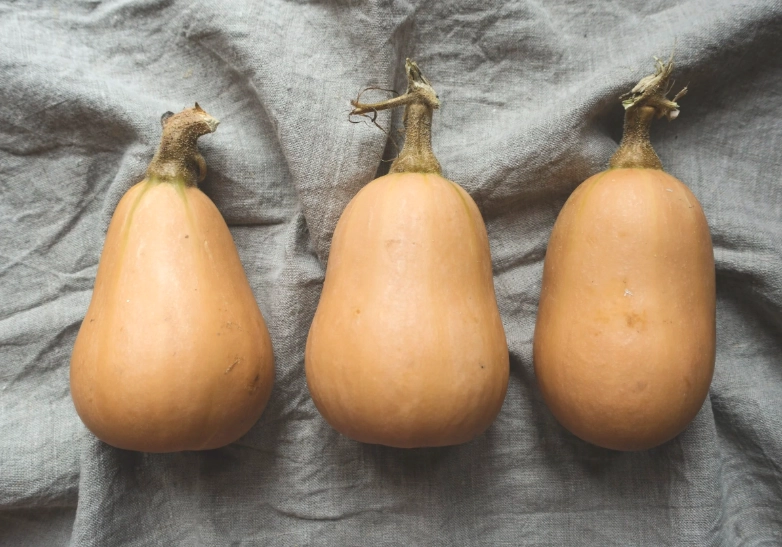
Checking the Skin Texture
The skin should be matte, not shiny. A glossy surface often indicates immaturity. Run your fingers over it; ripe squash feels hard and almost waxy, with no soft spots. If the skin dents easily, it's either unripe or starting to rot.
The Stem End: A Telltale Sign
Here's a tip many miss: look at the stem where it attaches to the squash. When ripe, the stem turns dry, corky, and brown. If it's still green and fleshy, give it more time. I learned this the hard way after harvesting a batch with green stems—they never sweetened up in storage.
Pro insight: Don't rely solely on color. I've had squash that looked perfectly tan but were still underripe because the stem wasn't dry. Always combine visual checks with other tests.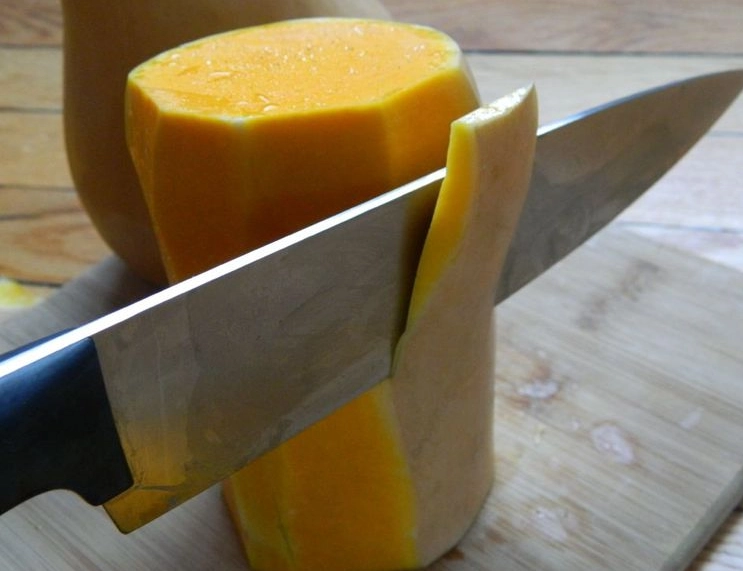
The Firmness Factor: Why Touch Is Key
Press your thumb against the squash. Ripe butternut should feel rock-hard, with no give. If it yields slightly, it's not ready. This firmness comes from the skin thickening to protect the flesh, a process that happens in the final weeks of growth.
Some gardeners worry about pressing too hard and damaging the squash. Don't—use moderate pressure. If you leave a mark, it's definitely unripe. I remember one season where I skipped this test and ended up with squash that cooked into mush because the skin was too thin.
Compare it to a ripe avocado: you want resistance, not softness. For butternut, think more like a baseball than a peach.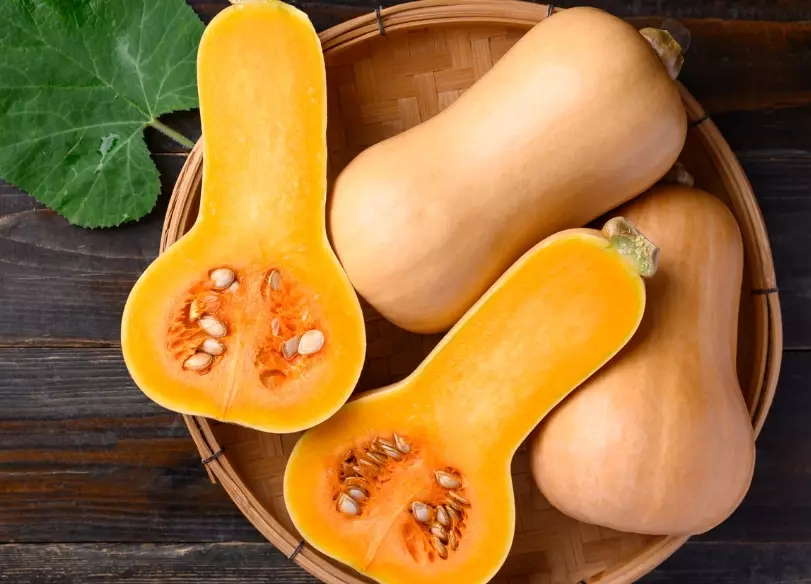
Listen Up: The Tapping Sound of Ripeness
Tap the squash with your knuckles. A ripe one produces a hollow, almost drum-like sound. An unripe squash sounds dull and solid. This happens because the flesh inside densifies as it matures, creating air pockets.
It takes practice to hear the difference. Try tapping a few squash at the market—you'll start to notice the variation. I taught my kids this trick, and now they can pick ripe squash blindfolded (well, almost).
Common Mistakes Even Experienced Gardeners Make
We all mess up sometimes. Here are pitfalls I've seen—and fallen into myself.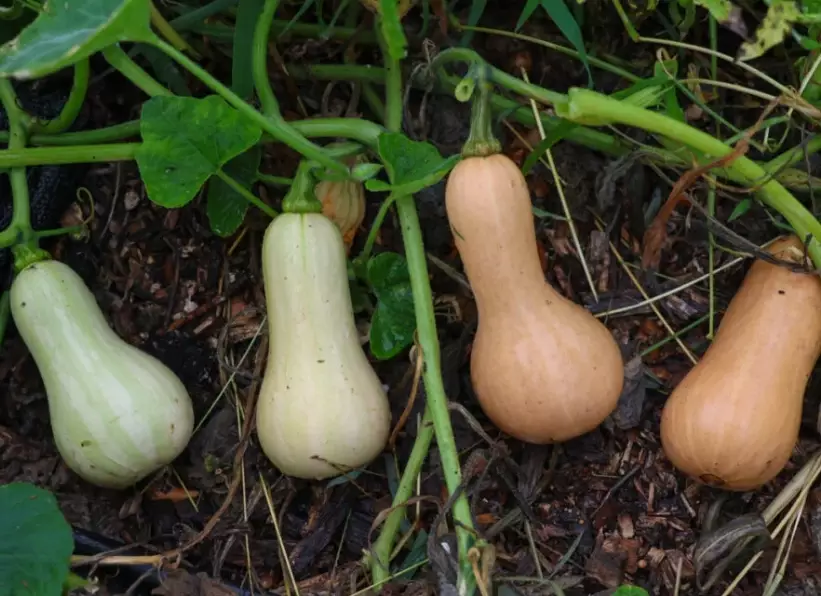
- Harvesting too early based on size: Bigger doesn't always mean riper. I once picked a massive squash, assuming it was ready, but it tasted starchy. Wait for all signs, not just size.
- Ignoring weather cues: Butternut squash need a frost-free period to ripen fully. If frost is forecast, harvest even if slightly unripe—they'll ripen off the vine somewhat, but flavor suffers. According to agricultural extensions like the University of Minnesota Extension, squash can be harvested before frost but won't sweeten as much.
- Overlooking vine condition: When the vine starts to brown and die back, it's a natural signal. But don't rush; let the squash sit on the dying vine for a week or two to harden the skin.
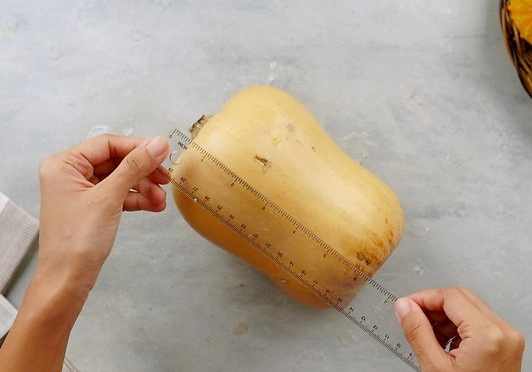
I've included a quick comparison table to sum this up.
| Sign | Ripe Butternut Squash | Unripe Butternut Squash |
|---|---|---|
| Color | Uniform deep tan/beige, no green | Green patches, lighter tan |
| Skin Firmness | Hard, resists pressure | Yields slightly to thumb press |
| Stem | Dry, corky, brown | Green, fleshy, moist |
| Sound When Tapped | Hollow, resonant | Dull, solid |
| Vine Condition | Browning or dead | Still green and alive |
Harvesting and Storing Ripe Butternut Squash
Once you've confirmed ripeness, use pruning shears to cut the stem, leaving about 2 inches attached. Don't pull or twist—you might damage the squash or vine. I've snapped stems before, which can lead to rot points.
After harvesting, cure the squash in a warm, dry place (70-80°F) for 10-14 days. This hardens the skin further and improves flavor. Then, store in a cool, dry spot around 50-55°F. A basement or pantry works great.
Properly stored, ripe butternut squash can last 2-3 months. I've kept them into winter for holiday meals. Avoid refrigeration unless cut; cold temps turn the flesh grainy.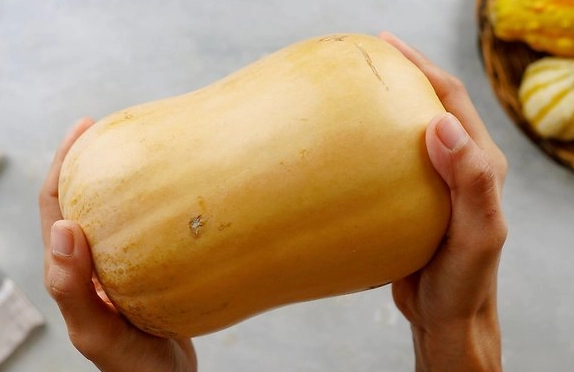
Your Burning Questions Answered
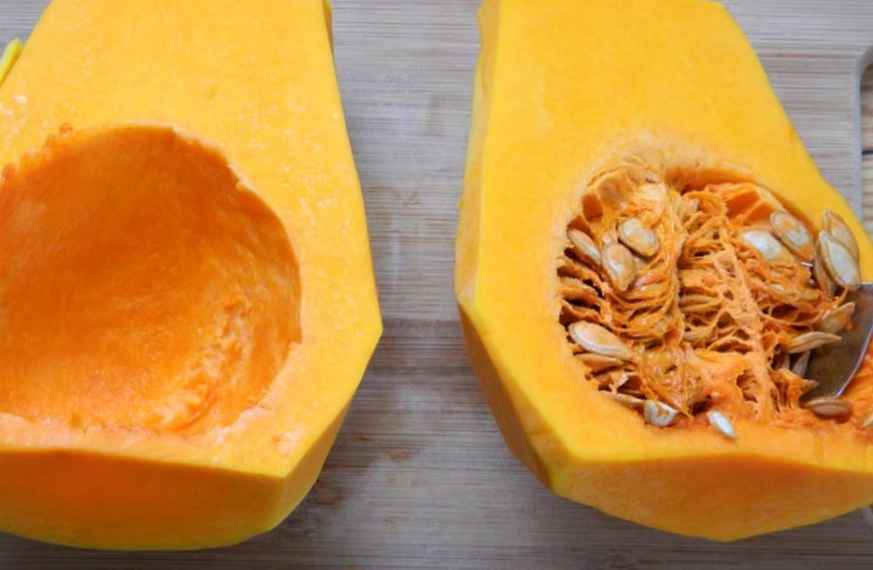
Remember, judging ripeness gets easier with practice. Start with these signs, and soon you'll be picking perfect butternut squash every time. Happy harvesting!
Reader Comments