September hits, and suddenly the air feels different. It's not just the cooler mornings or the earlier sunsets. It's the market stalls. They transform. The bright berries of summer make way for a different cast of characters—ones with deeper hues, more complex flavors, and a satisfying heft. This is the prime time for what I call "transitional" fruit, the bridge between summer's juiciness and autumn's richness. If you've ever bitten into a bland, mealy apple in July, you know the disappointment of eating fruit out of season. September is your reward for waiting.
What's Inside This Guide
The Top 5 September Fruits You Shouldn't Miss
Let's get specific. These five stars of the September harvest offer the best flavor and versatility right now. Forget the imported, cold-stored versions you find other times of the year.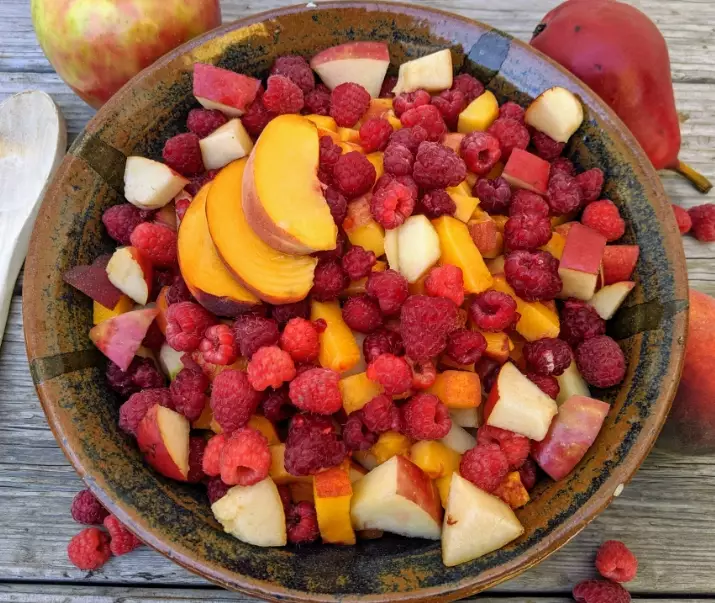
1. Apples: The Undisputed Champion
Early varieties like Gala and McIntosh start rolling in, but the real magic happens with the first Honeycrisp and Jonagold. A common mistake? Assuming all apples are good for everything. They're not. For eating fresh, you want a crisp, juicy, and sweet-tart balance—Honeycrisp is king here. For baking into a pie that holds its shape, you need a firmer, more tart apple like Granny Smith or Northern Spy. A blend of two or three types often gives the best result. I learned this the hard way after a pie turned into applesauce.
2. Pears: The Delicate Art of Ripening
Pears like Bartlett and Anjou are harvested mature but unripe. This is critical. If you wait for them to soften on the tree, they become gritty and mushy inside. The key is checking the neck. Gently press near the stem. If it yields slightly, it's ready. If you wait for the whole body to be soft, it's overripe. I keep mine on the counter and check daily. Once ripe, they go straight into the fridge to pause the process.
3. Figs: A Short, Sweet Window
Fresh figs are a luxury with a tiny season. They don't travel or store well, which is why September, when local crops peak, is your chance. Look for plump, heavy fruits with a slight give. A drop of nectar at the bottom is a good sign. Avoid ones that smell sour. They're perfect sliced on toast with goat cheese and honey, or simply eaten out of hand. Don't wash them until you're ready to eat, and store them in a single layer in the fridge for a day or two at most.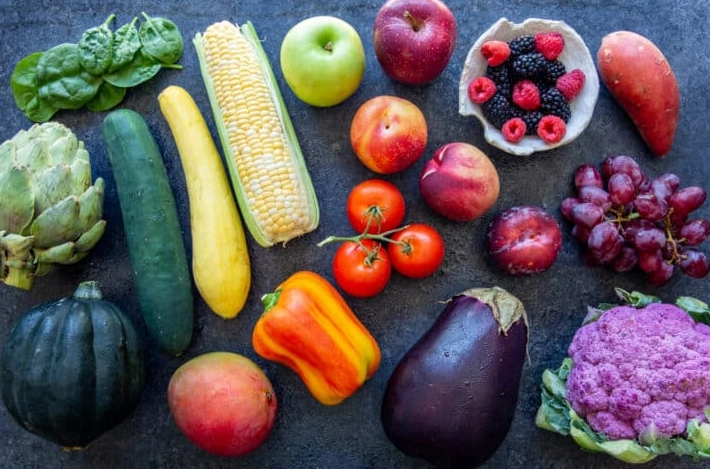
4. Grapes: More Than Just Snacking
Concord grapes are the quintessential September fruit in many regions, with that deep purple color and bold, musky flavor. They're often overlooked for cooking. Simmering them down into a simple jam or syrup is incredibly easy and captures that unique taste perfectly. For table grapes, look for plump berries firmly attached to a green, flexible stem. A silvery "bloom" on the skin is natural and protective, not dirt.
5. Pomegranates: The Jeweled Treasure
Early varieties start appearing in late September. While they peak later, you can find good ones now. Choose fruits that feel heavy for their size with taut, unblemished skin. Don't worry about color; some varieties are pinkish-red. The real trick is deseeding without making a mess. Cut off the crown, score the skin into quarters, and submerge in a bowl of water to break it apart. The seeds sink, and the pith floats.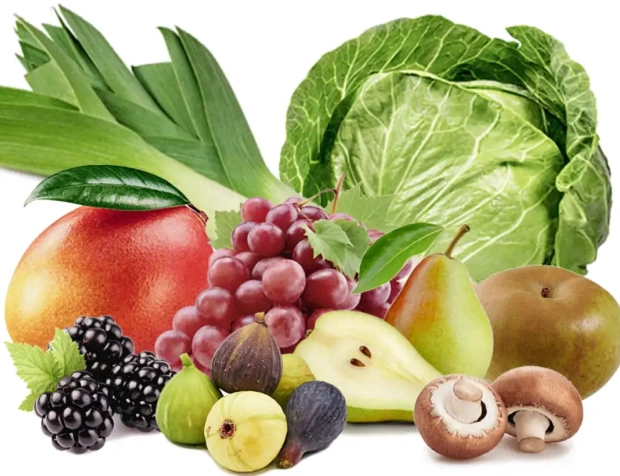
Pro Tip: Visit a local U-pick farm or farmers market in September. The flavor difference between a pear picked yesterday and one shipped weeks ago is astronomical. You're also supporting local agriculture. Resources like the USDA's local food directory or regional farming associations can help you find spots.
How to Select and Store September Fruit (The Right Way)
Buying great fruit is only half the battle. Storing it wrong can ruin everything in a day. Here’s a quick-reference guide I wish I had years ago.
| Fruit | How to Pick the Best | How to Store at Home | Ripens After Picking? |
|---|---|---|---|
| Apples | Firm, deeply colored, no bruises. Smell them—they should be fragrant. | In the crisper drawer of the fridge. Keep away from strong-smelling foods. | No (but texture can soften). |
| Pears | Check the "neck" for slight give. Stem should be intact. | Ripen on counter, then refrigerate to slow further ripening. | Yes (crucially so). |
| Figs | Plump, heavy, unbroken skin. Slight give, not mushy. | Single layer in fridge, eat within 1-2 days. Do not wash early. | No (deteriorates quickly). |
| Grapes | Firm berries, green flexible stem. Bloom is fine. | In a ventilated bag or container in the fridge. Wash just before eating. | No. |
| Pomegranates | Heavy for size, firm, shiny skin. | Whole: cool, dark place for weeks. Seeds: airtight in fridge 5 days or freeze. | No. |
One universal rule: don't crowd your fruit. Airflow prevents moisture buildup and mold, especially for delicate things like figs and grapes. I use those reusable mesh produce bags or just leave them in the open container I bought them in.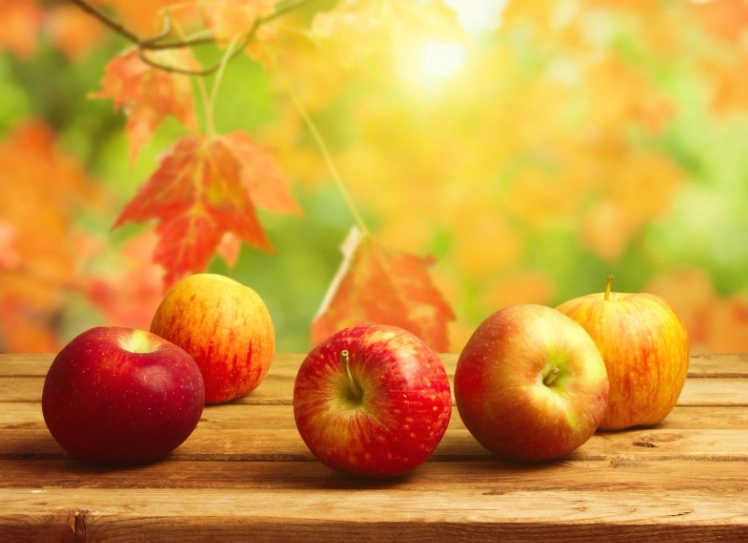
Beyond Fresh Eating: Preserving and Cooking Your Harvest
When you find a great deal on a flat of pears or your apple tree is overflowing, you need a game plan. Here’s what to do beyond the fruit bowl.
Fast & Simple Recipe Ideas
- Apples: Don't just make pie. Try a savory apple and cheddar scone, or a quick apple slaw with cabbage and a mustard vinaigrette.
- Pears: Slice them thin and add to a grilled cheese sandwich (trust me). Or roast halves with a bit of butter and thyme to serve with pork or chicken.
- Figs: Halve them, drizzle with balsamic glaze, add a crack of black pepper, and broil for 3 minutes. Instant gourmet appetizer.
- Grapes: Roast clusters on a sheet pan—they caramelize and become incredible with roasted meats or on a cheese board.
- Pomegranates: The seeds (arils) are a crunchy, juicy topping for oatmeal, salads, or even guacamole.
Preservation for Later
Freezing is your friend. For apples, peel, slice, and freeze on a tray before bagging. Pears are trickier but can be poached in syrup and frozen. Grapes freeze whole for a fun snack or to chill white wine without dilution. Pomegranate seeds freeze beautifully on a tray, then transferred to a bag. Fig jam is a classic, but you can also dry figs in a low oven.
The goal is to capture a bit of September's flavor for a gray day in January. Opening a jar of homemade spiced pear butter then is a genuine joy.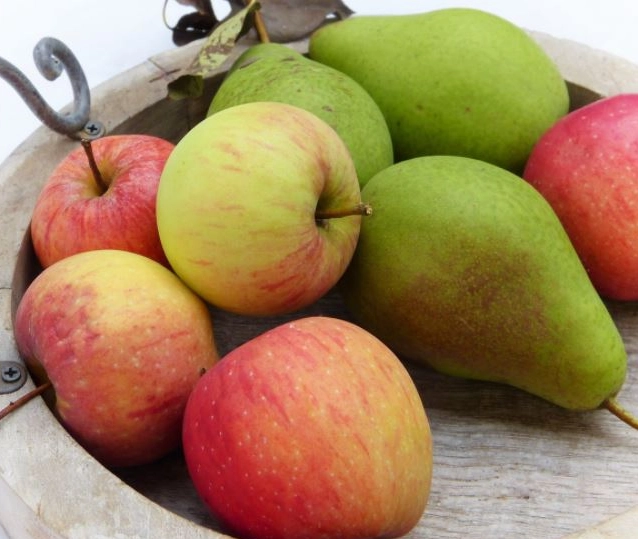
Reader Comments