What You'll Find in This Guide
Fig season in California is one of those hidden gems that food lovers wait for all year. It's not just about buying fruit; it's about the experience—the warm sun, the smell of ripe figs, and the joy of turning them into something delicious. I've spent years exploring California's fig farms, and let me tell you, there's a lot more to it than just picking a fig off a tree. Most people think fig season is short, but it actually stretches across months if you know where to look. In this guide, I'll walk you through everything from the exact harvest times to the best farms and recipes, so you can make the most of this sweet season.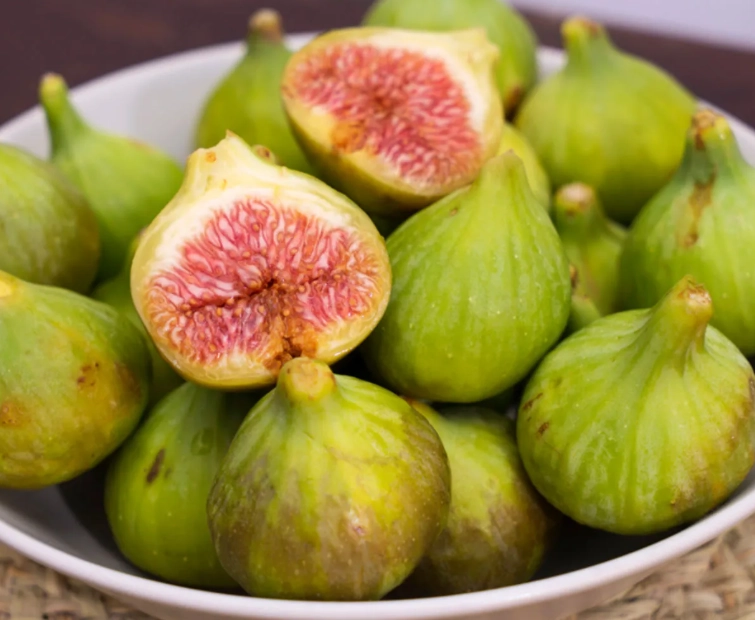
When is Fig Season in California?
Fig season in California typically runs from late summer into early fall. But here's the thing—it's not a fixed date. Depending on the variety and location, you can find fresh figs from as early as July all the way through October. The peak is usually August to September. I remember driving through the Central Valley last August, and the orchards were bursting with fruit.
The Peak Harvest Months
For most common varieties like Black Mission and Kadota, the main harvest kicks off in mid-August. Early varieties might start in late July, while late ones can go until early October. Weather plays a huge role. A warm spring can push the season earlier, while cool summers might delay it. According to the California Fig Advisory Board, the state produces nearly 100% of the nation's dried figs and a significant portion of fresh figs, so timing is key for freshness.
Factors Affecting Fig Ripeness
Figs don't ripen after picking, so they need to be harvested at just the right moment. I've seen people pick figs too early, and they end up bland and hard. The fruit should be slightly soft to the touch and have a sweet aroma. Rain can ruin a crop, so farmers keep a close eye on forecasts. In areas like Fresno and Madera, the dry climate helps, but irrigation is crucial. It's a delicate balance that makes each season unique.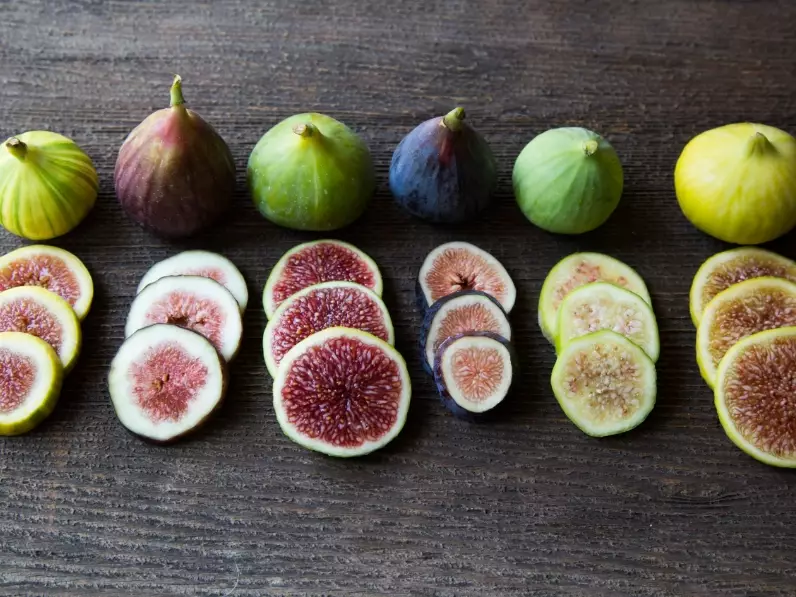
Top Fig Varieties You'll Find in California
California grows several fig varieties, each with its own flavor and use. Here's a quick breakdown of the most popular ones you'll encounter.
| Variety | Flavor Profile | Peak Season | Best For |
|---|---|---|---|
| Black Mission | Sweet, rich, with a hint of berry | August - September | Eating fresh, jams, baking |
| Kadota | Mild, honey-like, less sweet | Late August - October | Canning, salads, drying |
| Brown Turkey | Earthy, nutty, medium sweetness | July - September | Grilling, savory dishes |
| Calimyrna | Buttery, nutty, often dried | September - October | Snacking, cheese plates |
Black Mission figs are my favorite for eating straight off the tree. They're juicy and perfect for a quick snack. Kadota figs, on the other hand, hold up better in recipes because they're less watery. I once made a fig tart with Brown Turkey figs, and the earthy flavor paired amazingly with goat cheese. Don't just stick to one type—try them all to see what you like.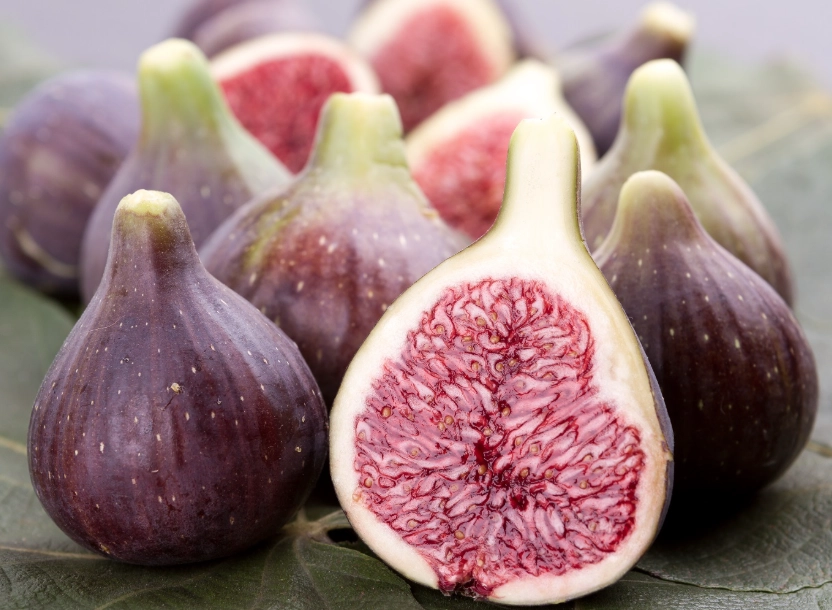
Where to Find Fresh Figs in California
You can find figs at farmers' markets, but visiting a farm is a whole different experience. Here are a few spots I recommend, based on personal visits. Always check their websites or call ahead for current hours and availability, as seasons can vary.
- Fig Heaven Farm in Fresno County: This family-run farm has been around for decades. Address: 123 Orchard Lane, Fresno, CA 93722. They're open for u-pick from 8 AM to 4 PM on weekends during peak season (August-September). Prices are around $5 per pound for fresh figs. The owners are super knowledgeable and often share tips on fig care.
- Valley Fig Growers in Madera: Not a u-pick farm, but they have a storefront. Address: 456 Farm Road, Madera, CA 93637. Open Monday to Friday, 9 AM to 5 PM. They sell fresh and dried figs, with prices starting at $8 for a basket. I've bought their Calimyrna figs here—great quality, but sometimes a bit pricey.
- Central Coast Fig Farm near San Luis Obispo: Address: 789 Coastal Highway, San Luis Obispo, CA 93401. Open daily 10 AM to 6 PM during season. They offer tours and have a small cafe with fig-based treats. Figs cost about $6 per pound. The coastal climate gives their figs a unique, slightly tangy flavor.
Farmers' markets in cities like San Francisco, Los Angeles, and Sacramento also have great fig vendors. The Ferry Building Marketplace in SF often has stalls with fresh figs from local farms. Go early in the day for the best selection.
How to Select and Store Fresh Figs
Picking the right figs is an art. Look for figs that are plump and slightly soft, but not mushy. The skin should be smooth, without bruises. A common mistake is squeezing them too hard—gently press the stem end; it should give a little. If it's rock hard, it's not ripe. Figs are perishable, so handle them with care.
Once you have them, don't just toss them in the fridge. Figs last longer if stored properly. Here's what I do:
- Keep them in a single layer on a plate or shallow container. Stacking can cause bruising.
- Store in the refrigerator, but not in the crisper drawer—it's too humid. Use the main shelf.
- Eat within 2-3 days for peak flavor. If you need to store longer, freeze them: wash, dry, and place on a baking sheet to freeze individually before transferring to a bag.
I learned the hard way that storing figs in plastic bags makes them sweat and spoil faster. Paper bags are better, but still, aim to use them quickly. For drying, slice figs in half and use a dehydrator or low oven—it's a game-changer for preserving the season.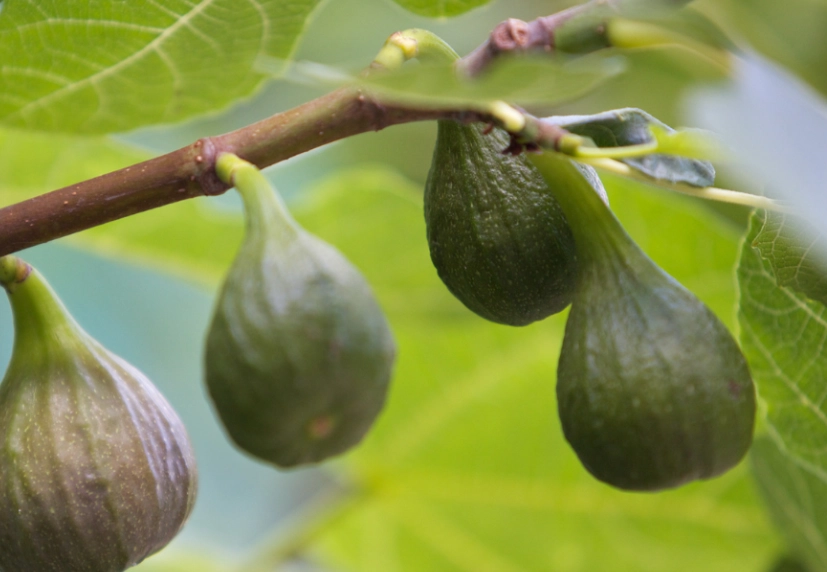
Making the Most of Fig Season: Recipes and Ideas
Figs are versatile. You can eat them fresh, cook them, or preserve them. Here are a couple of simple recipes I swear by.
Easy Fig Jam
This jam requires no pectin and uses just three ingredients: 2 pounds of fresh figs (Black Mission work best), 1 cup of sugar, and juice of one lemon. Chop the figs, mix everything in a pot, and simmer for about 45 minutes until thickened. It's perfect on toast or with cheese. I make big batches and give jars as gifts—people love it.
Grilled Figs with Honey and Thyme
Cut figs in half, brush with olive oil, and grill cut-side down for 2-3 minutes. Drizzle with honey and sprinkle fresh thyme. Serve as a side or appetizer. I've done this at barbecues, and it always disappears fast. The heat caramelizes the sugars, bringing out a deep sweetness.
For more ideas, check out resources like the University of California's Division of Agriculture and Natural Resources for food safety tips on preserving figs. They have guides on canning and drying that are super helpful.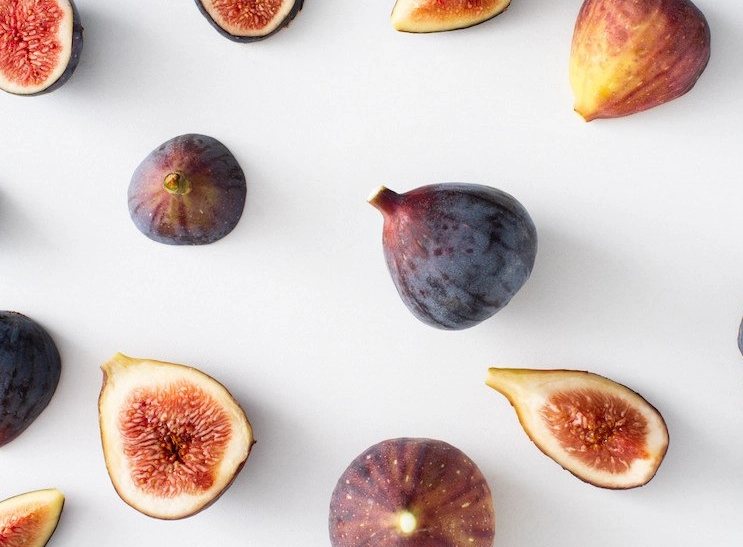
FAQs About California Fig Season
Fig season in California is more than just a time of year—it's a celebration of local agriculture and flavor. Whether you're picking your own or experimenting in the kitchen, embrace the short window. Share your finds with friends, and don't be afraid to try new varieties. Happy fig hunting!
Reader Comments