Getting the harvest timing right for butternut squash makes all the difference between a bland, short-lived vegetable and a sweet, storabile staple. If you pick too early, you'll end up with tasteless flesh; too late, and rot sets in fast. So, when do you harvest butternut squash? The short answer: in late summer to mid-fall, when the squash shows specific signs of maturity. But let's break that down—because relying solely on the calendar is a rookie mistake I've seen ruin many gardens.
In This Guide
How to Tell If Your Butternut Squash Is Ready to Harvest
Forget the days-on-vine count—nature gives clearer signals. I've gardened for over a decade, and the most common error is harvesting based on size alone. A big squash isn't always ripe.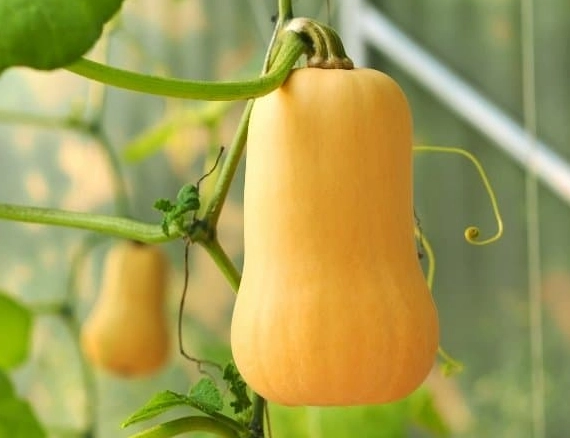
Look for These Visual Cues
The color shift is your first clue. An immature butternut squash has green streaks or a pale tan hue. When ripe, it turns a deep, uniform tan or beige. Some varieties might have a slight orange tinge, but the key is consistency. No green patches. Also, the skin loses its glossy sheen and becomes dull or matte. I recall one season where I harvested a squash that looked perfect from above, but the underside was still greenish—it never sweetened up. Always roll it gently to check all sides.
The stem tells a story too. A ripe squash has a brown, corky stem that's drying out. If it's green and fleshy, wait. The vine nearby might start to yellow and die back, which is normal as the plant redirects energy.
The Touch Test: Feeling for Ripeness
Press the rind with your thumbnail. If it dents easily, it's not ready. A ripe squash feels hard as a rock—no give. Some gardeners use a fingernail test: if you can pierce the skin with minimal pressure, it's underripe. I prefer the thumb press because it's less damaging.
Another trick: tap it. A hollow sound can indicate maturity, but this isn't foolproof. Combine it with other signs.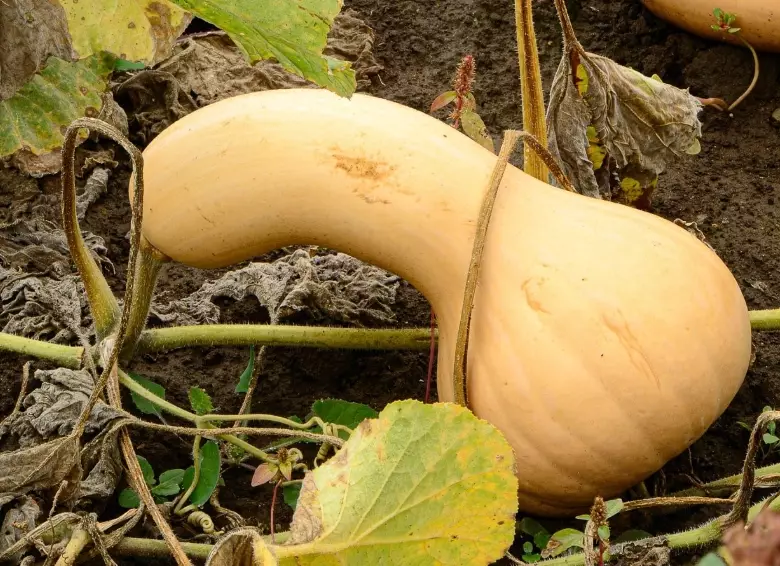
The Best Time to Harvest: A Seasonal Breakdown
Timing varies by region, but fall is the sweet spot. In most temperate zones, butternut squash is planted in late spring and harvested from late August through October. Here's a rough guide based on my experience across different climates: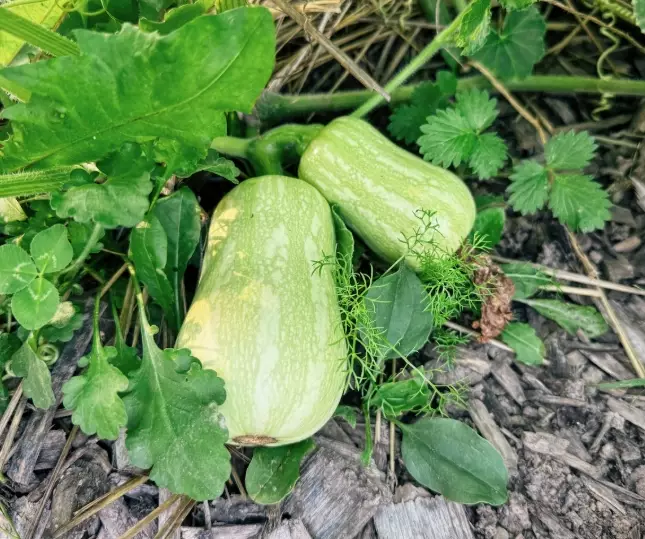
- Northern U.S. and Canada: Aim for early to mid-September, before the first hard frost. If frost threatens early, harvest immediately—even if slightly underripe.
- Southern U.S.: You might harvest from late September to November, as frost comes later. But watch for heat waves; prolonged heat can cause over-ripening.
- UK and Europe: Similar to northern zones, with harvest in September or early October.
Climate change is shifting things. I've noticed warmer falls extending the growing season, but also bringing erratic frosts. Check your local frost dates via resources like the USDA Plant Hardiness Zone Map or the Royal Horticultural Society guides, but don't treat them as gospel. Observe your plants.
Day length matters too. As days shorten in fall, squash maturation slows. If you're pushing the season, consider using row covers for frost protection, but harvest once the squash meets ripeness criteria.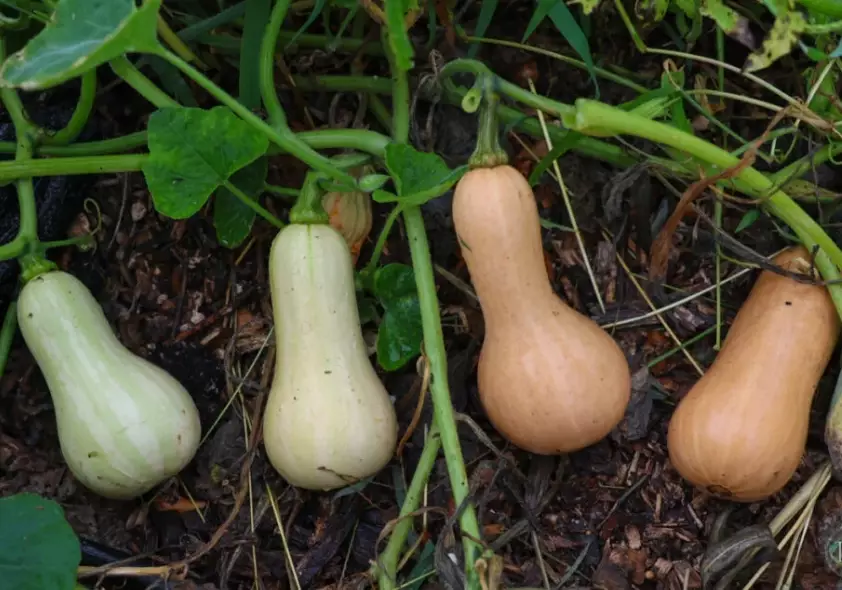
Step-by-Step Harvesting Process
Harvesting isn't just about picking—it's about doing it right to avoid damage. Here's my method, refined after a few messy seasons.
- Choose a dry day: Harvest when the weather is sunny and dry. Wet squash can mold during curing. I made the mistake of harvesting after a rainstorm once; lost half the crop to rot.
- Gather tools: Use sharp pruning shears or a knife. Dull tools crush the stem, inviting disease. Sterilize with rubbing alcohol to prevent spreading pathogens.
- Cut, don't pull: Leave 2-4 inches of stem attached to the squash. Pulling can tear the vine or damage the squash's base, creating entry points for rot. I've seen squash rot from a too-short stem—it's like an open wound.
- Handle with care: Butternut squash bruises easily. Carry them in a basket or bucket, not a bag. Avoid stacking them during transport.
- Clean gently: Wipe off dirt with a dry cloth. Don't wash them—water promotes spoilage. If they're muddy, let them dry first.
If you have a large garden, harvest in batches. Start with the most mature squash and revisit others later. This staggered approach maximizes yield.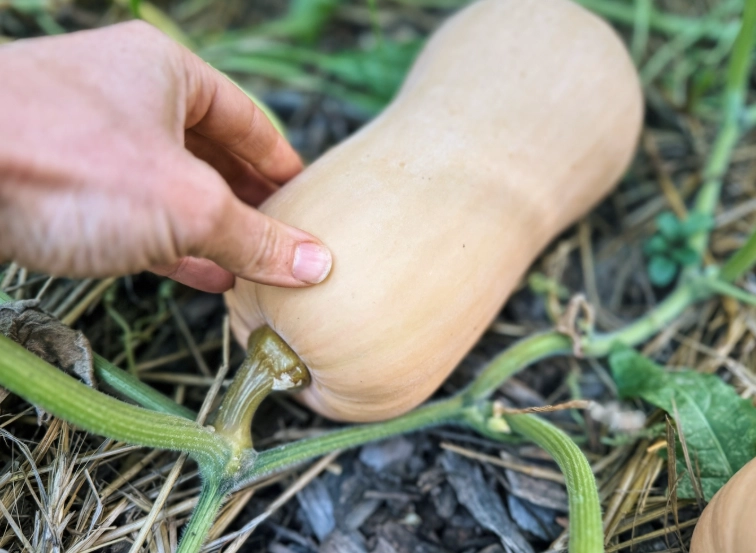
Post-Harvest Handling: Curing and Storage
Curing is the secret to long storage. It hardens the skin and heals minor cuts. Skip this, and your squash might last only weeks.
Curing process: Place squash in a warm, dry, well-ventilated area—like a garage or covered porch—at 75-80°F for 10-14 days. Arrange them in a single layer, not touching. I use wire racks for air circulation. Avoid direct sunlight, which can cause sunscald.
After curing, move them to long-term storage. Ideal conditions: 50-55°F with 50-70% humidity. A basement, root cellar, or cool closet works. Check the squash every few weeks for soft spots or mold. If one goes bad, remove it quickly.
Storage duration: Properly cured and stored butternut squash can last 3-6 months. I've kept some for 8 months in optimal conditions. But flavor peaks around 1-2 months post-harvest.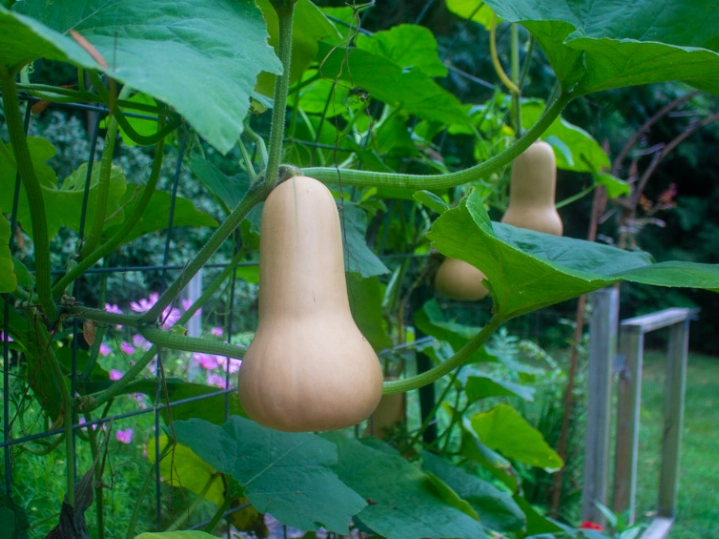
Common Mistakes and How to Avoid Them
Even experienced gardeners slip up. Here are pitfalls I've learned from.
- Harvesting too early for fear of frost: This leads to bland squash. Instead, monitor weather and harvest just before frost if needed. Underripe squash can cure off the vine, but it won't sweeten much.
- Leaving squash on wet ground: It causes bottom rot. Use mulch or lift squash onto boards as they grow.
- Storing in the refrigerator: Cold temps below 50°F cause chilling injury—think pitting and decay. Room temperature is too warm. Find that cool middle ground.
- Ignoring stem length: Cutting too close to the squash invites rot. Always leave a few inches of stem.
One personal blunder: I once stored squash near apples, which release ethylene gas and accelerated ripening-turned-rotting. Keep them separate.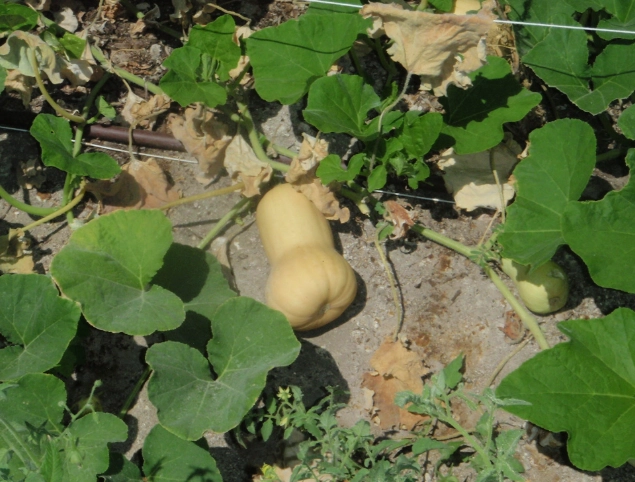
Your Butternut Squash Harvest Questions Answered
Harvesting butternut squash is part science, part art. Get the timing right, handle with care, and you'll enjoy sweet, homegrown squash all winter. Start checking your garden as fall approaches—those subtle signs make all the difference.
Reader Comments