Walk into any grocery store during fall, and you're faced with a wall of apples. Granny Smith, Honeycrisp, Gala, Fuji... it's enough to make your head spin. You grab a bag, hoping for the best, only to end up with a pie that's either a mushy, flavorless mess or a rock-hard, sour disappointment. I've been there. After a decade of testing, burning, and perfecting pies, I can tell you the secret isn't just in the crust or the spice mix—it starts with choosing the right apple. And most guides get one critical thing wrong.
What's Inside This Guide
How to Choose the Right Apple: The Flavor and Texture Matrix
Forget the simple "tart vs. sweet" binary. Choosing an apple for pie is about balancing three interconnected factors: flavor intensity, texture hold, and moisture release. Think of it as a three-legged stool. If one leg is weak, your pie collapses.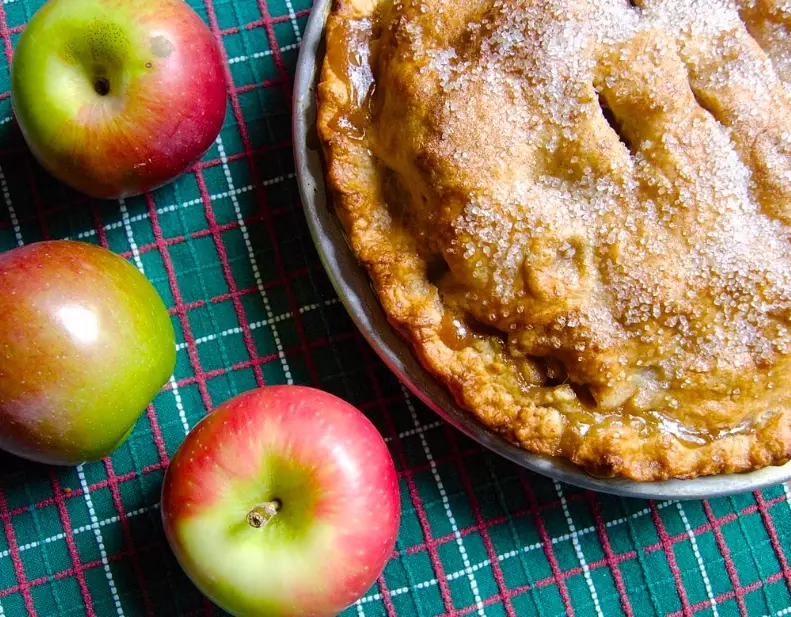
Flavor Intensity: This is about how much apple taste survives the heat of the oven. Some apples, like Red Delicious, have a mild flavor that practically vanishes when baked. Others, like Granny Smith or Braeburn, have a pronounced tartness or spice that stands up to sugar and cinnamon.
Texture Hold (The Most Important Factor): Will the apple slice turn into applesauce or maintain a distinct, tender-but-firm bite? This is determined by the cell structure and pectin content. A good baking apple has dense, tightly packed cells. A poor one has large, airy cells that rupture easily. This is where most beginners fail—they judge an apple by its raw crunch, not its cooked resilience.
Moisture Release: All apples release water. The question is how much and how quickly. Too much juice too fast leads to a soggy bottom crust and a soupy filling. The ideal apple releases its moisture gradually and in a controlled way, allowing the filling to thicken properly with the help of thickeners like cornstarch or tapioca.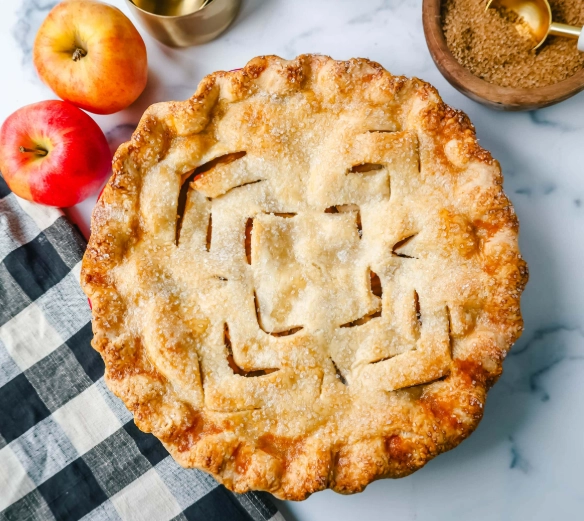
Expert Insight: The biggest mistake I see? People focus solely on acidity (tartness) for flavor balance. While important, pectin content is the unsung hero of texture. High-pectin apples (like Granny Smith, Braeburn) help the filling set naturally, reducing reliance on thickeners and preventing a gelatinous, artificial mouthfeel.
Top Apple Varieties for Pie: A Detailed Breakdown
Based on my years of testing (and a few failed pies), here's the real-world breakdown of the most common apples you'll find, ranked by their pie performance.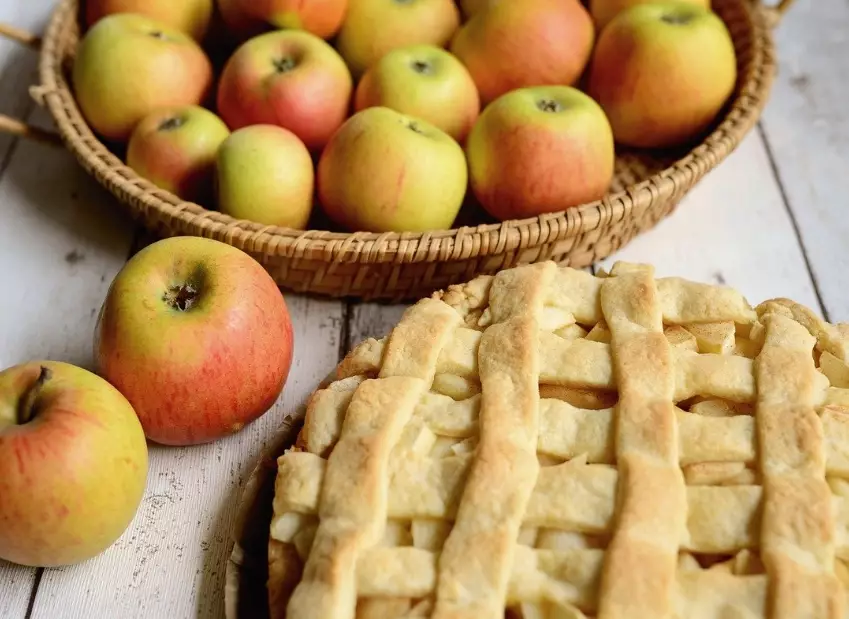
| Apple Variety | Flavor Profile | Texture When Baked | Moisture Level | Pie Grade |
|---|---|---|---|---|
| Granny Smith | Bright, sharply tart | Holds shape exceptionally well, tender-firm | Medium-Low | A+ (The Structural Anchor) |
| Honeycrisp | Sweet-tart, intensely fruity | Good hold, becomes very tender but not mushy | High (needs extra thickener) | A (Flavor Powerhouse) |
| Braeburn | Spicy-sweet, balanced tartness | Excellent hold, remains distinct | Medium | A (The All-Rounder) |
| Jonagold | Sweet with honey notes, mild tartness | Softens considerably but holds some form | Medium-High | B+ (Best in a Mix) |
| Golden Delicious | Mellow, sweet, buttery | Softens to a smooth, almost creamy texture | Medium | B (Adds Creaminess) |
| Gala | Very sweet, floral | Can become quite soft/mushy | Medium | C (Use Sparingly in a Mix) |
| Red Delicious | Mild, sweet, bland when cooked | Mealy, collapses into grainy paste | Varies | F (Just Don't) |
Let me get specific about a few. Granny Smith is the gold standard for structure, but using it alone can make a pie one-dimensionally sour. Its high acid and pectin are perfect for balancing sweetness and setting the filling. Honeycrisp is phenomenal for flavor, but it's a juice bomb. If you use it, increase your cornstarch by at least 25% and consider pre-cooking the filling slightly to drive off excess liquid—a trick I learned after a particularly tragic "soup pie." Braeburn is the underrated champion. It has the structure of a Granny with a more complex, spicy-sweet flavor that needs less sugar adjustment.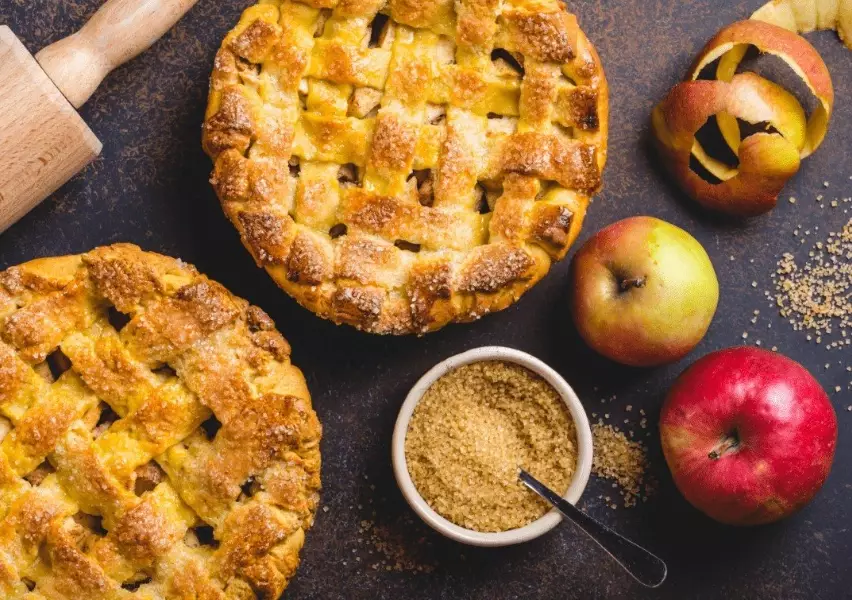
The Case Against McIntosh (A Controversial Take)
You'll see McIntosh on many "good for pie" lists. I strongly disagree. Yes, it's tart and flavorful. But its texture is terrible for a standard pie. It turns into a frothy, applesauce-like puree almost instantly. If you want a smooth, uniform apple sauce filling, fine. But for slices that hold their shape in a classic lattice-top pie, McIntosh will let you down every time.
The Art of Mixing Apples for Complex Flavor
This is where you go from a good pie to a legendary one. Using two or three different types of apples creates a depth of flavor and a more interesting texture that a single variety can't match.
Think of building your blend like a chef builds a dish:
- The Base (60%): A sturdy, tart apple that holds shape. Granny Smith, Braeburn.
- The Flavor (30%): A complex, aromatic apple that brings sweetness and nuance. Honeycrisp, Jonagold, Pink Lady.
- The Wild Card (10%): An apple that adds a unique texture or note. Golden Delicious for buttery creaminess, Cortland for extra juiciness if you like a saucier pie.
My personal go-to blend for a balanced, crowd-pleasing pie is 50% Granny Smith, 30% Honeycrisp, and 20% Braeburn. You get structure from the Granny, explosive flavor from the Honeycrisp, and spicy complexity from the Braeburn. It never fails.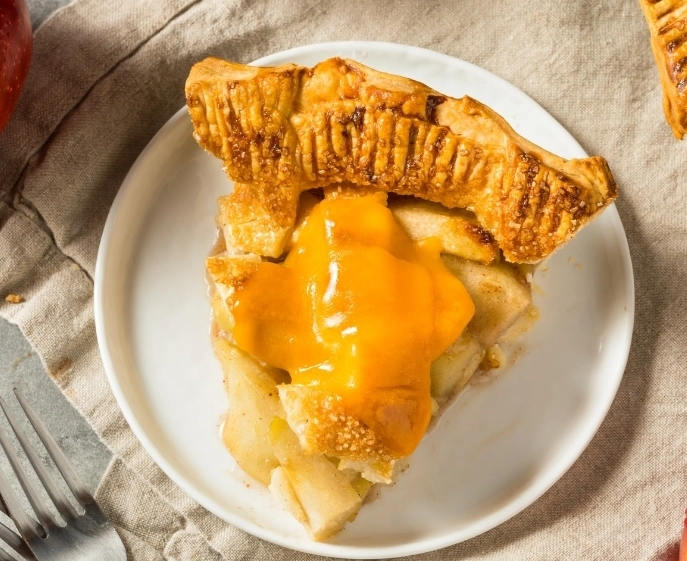
Avoiding the #1 Apple Pie Mistake
It's not overworking the crust dough. It's not treating your apples for moisture. Even the best apples release juice. If you just slice, sugar, spice, and dump them in the crust, you're creating a mini swimming pool.
Here's my non-negotiable step: After slicing, toss your apples with the sugar and spices, and let them sit in a colander over a bowl for at least 30 minutes, up to an hour. You'll be shocked at how much liquid drains out. Reduce that liquid in a saucepan until it's syrupy, then mix it back with the apples and your thickener (like cornstarch slurry) before filling the pie. This one step guarantees a set filling and a crisp bottom crust. It's the difference between a professional and an amateur pie.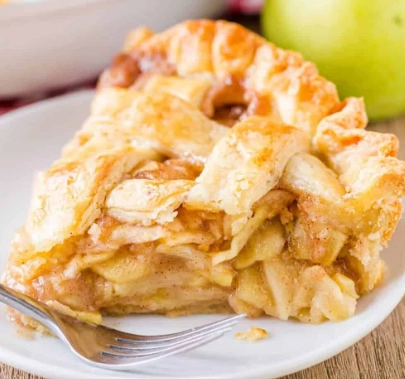
Reader Comments