I used to think seasonal baking meant putting a pumpkin on top of a chocolate cake in October. It was all decoration, no substance. Then I had a strawberry-rhubarb crisp made with fruit picked that morning. The difference wasn't subtle. It was a punch of flavor I didn't know dessert could have. That's the goal here: desserts that don't just look like the season, they taste like it.
This is about working with nature's schedule. Berries in summer, apples in fall, citrus in winter, tender fruits in spring. It's cheaper, it's more flavorful, and honestly, it makes deciding what to bake a lot easier.
What's Inside?
Spring Sweets: Strawberries, Rhubarb, and Delicate Flavors
Spring is a tease. One day it's warm, the next it's frost. The desserts mirror that—bright but with a little edge. Rhubarb is the perfect example. It's tart, almost bracing, and needs sweet company.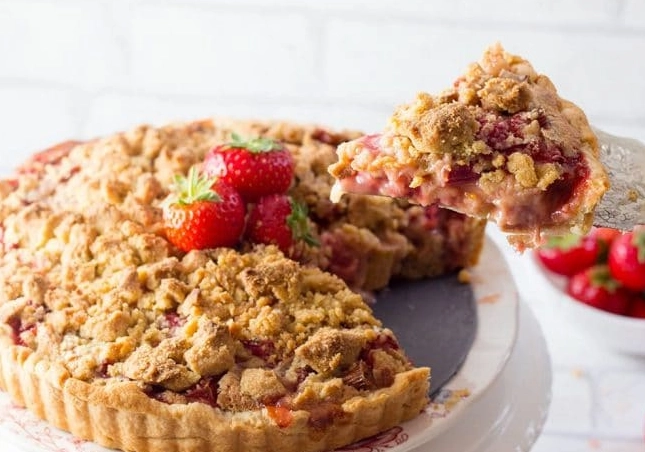
The star here is the Strawberry Rhubarb Crumble Bars. They're portable, easier than pie, and that sweet-tart jammy layer between a shortbread crust and a crunchy oat topping is spring in a square.
Spring Spotlight: Strawberry Rhubarb Crumble Bars
The Trick: Macerate the chopped strawberries and rhubarb with sugar and a tablespoon of cornstarch for 30 minutes before assembling. This pulls out the juices and thickens them slightly, so you don't end up with a soggy bottom layer. I learned this the hard way after a few pans of fruit soup.
Flavor Boost: Add a teaspoon of finely grated orange zest to the fruit. It bridges the strawberry's sweetness and rhubarb's tartness beautifully.
Don't overlook lemons and early berries. A simple Lemon Pudding Cake that separates into a fluffy cake top and a creamy lemon curd bottom during baking feels fancy but is surprisingly simple. It captures that sunny, hopeful spring mood.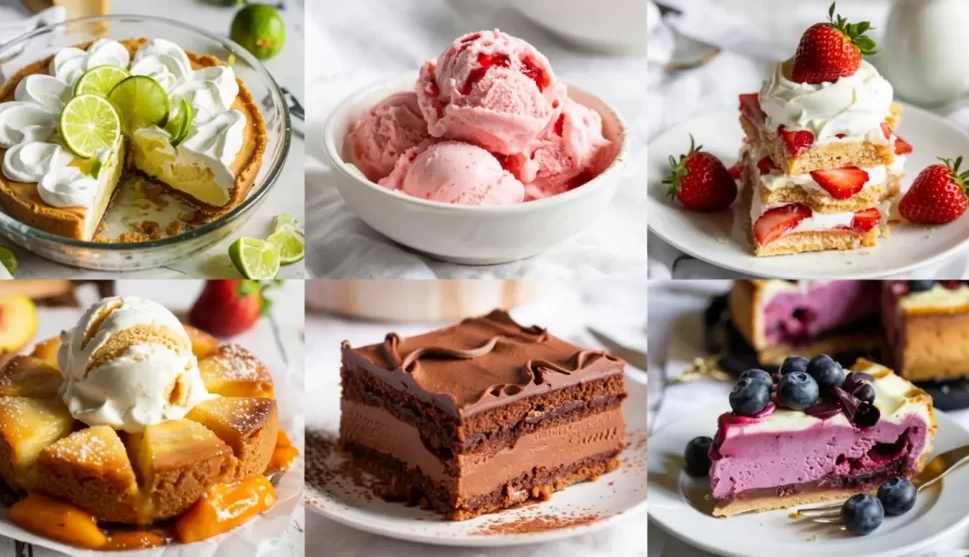
Summer Celebration: Berries, Stone Fruits, and Keeping it Cool
Summer is the undisputed champion of seasonal desserts. The produce is so good, you barely have to do anything. The biggest mistake? Overcomplicating things.
A perfect Peach Galette beats a fussy peach pie any day. No lattice top, no perfect crimping—just fold the rustic pastry over ripe peaches. The flavor is pure summer. The key is finding peaches that smell like peaches. If they don't smell like anything in the store, they won't taste like anything in your kitchen.
For berries, I skip the cooking more often than not. A Mixed Berry Trifle with layers of cream, cake, and fresh, macerated berries is a showstopper that requires no oven time. Use store-bought pound cake if you're short on time. Nobody will complain.
And let's talk ice cream. Not the churned kind, but a No-Churn Roasted Plum Ice Cream. Roast halved plums with a little honey until they're caramelized and soft. Fold the puree into sweetened whipped cream and condensed milk, freeze, and you have an intensely fruity, creamy dessert. It's a game-changer.
Fall Comfort: Apples, Pears, and Warm Spices
Fall baking is about warmth and aroma. It's the smell of cinnamon and baking apples filling your kitchen. But here's my non-consensus take: go easy on the pumpkin spice blend. It can overwhelm the actual fruit.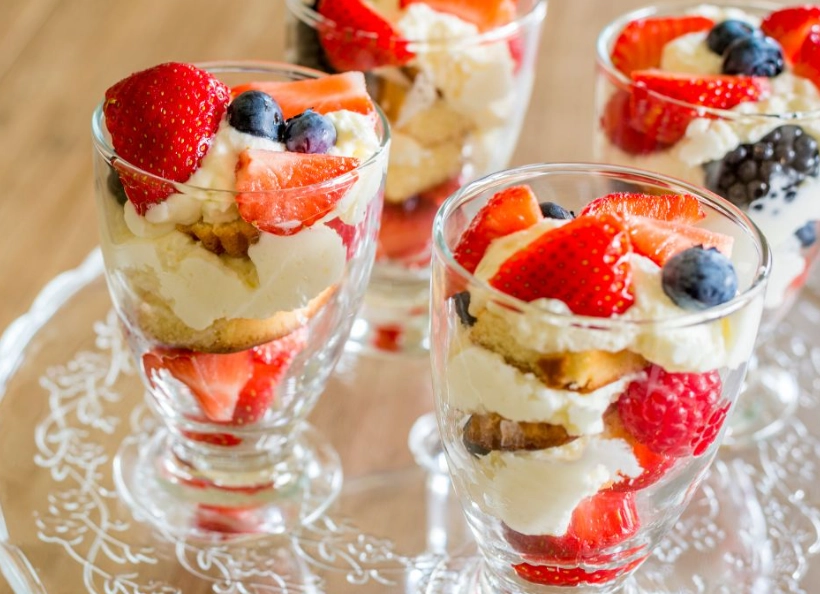
For apples, a classic Dutch Apple Pie with a thick, buttery crumb topping is my winner. I use a mix of Granny Smith (for tartness and structure) and Honeycrisp or Fuji (for sweetness and flavor). Toss them with sugar, a little flour, and—this is crucial—a pinch of black pepper. It enhances the warmth of the cinnamon without being spicy.
Pears are the elegant cousin of the apple. A Pear and Ginger Upside-Down Cake is stunning. Arrange pear slices in caramel in a skillet, pour a ginger-spiked batter over top, and bake. Invert it, and you have a glossy, caramelized masterpiece. Ginger pairs with pear better than you'd think.
And yes, pumpkin. But move beyond the pie. Pumpkin Cheesecake Bars with a gingersnap crust are easier to serve and often more popular. The tang of the cream cheese cuts the squash's sweetness perfectly.
Winter Warmth: Citrus, Chocolate, and Rich Indulgence
Winter is for brightness against the grey. Citrus is at its peak—oranges, lemons, grapefruits, and meyer lemons. A Blood Orange Olive Oil Cake is moist, fragrant, and has a beautiful color. The olive oil adds a fruity complexity that butter can't match.
This is also the time for rich, project desserts. A Chocolate Yule Log (Bûche de Noël) is a festive centerpiece. The trick isn't the rolling (a thin sponge rolled in a towel while warm is flexible), it's the frosting. Make a chocolate ganache with good dark chocolate and heavy cream, let it cool until spreadable, and you'll have a glossy, professional-looking finish.
Don't forget the humble Cranberry Orange Scones for a winter morning. Tart dried cranberries and bright orange zest in a tender, buttery scone. They freeze beautifully unbaked—pop them straight from the freezer into a hot oven.
The Pro Moves No One Talks About
Anyone can follow a recipe. Making a dessert truly seasonal takes a few extra thoughts.
Choosing Your Fruit: The Sniff Test
Ignore perfect looks. Smell it. A peach, a strawberry, a melon—if it has no scent at the stem end, it will have no flavor. For apples and pears, firmness is key; they should not yield to a soft squeeze. The USDA has great guides on selecting peak produce, but your nose is the best tool.
Adjusting Recipes for Humidity and Altitude
This is a big one. In humid summer months, your flour absorbs moisture from the air. You might need to add an extra tablespoon or two to a cake or cookie dough to get the right consistency. In high altitudes, baking times and temperatures need adjustment—resources from Colorado State University Extension are invaluable here.
Freezing for Later: A Season Extender
When berries or peaches are dirt-cheap at the farmer's market, buy extra. Wash, dry, and freeze them in a single layer on a baking sheet before bagging. You can make a decent crisp in February with frozen summer peaches. It won't be the same, but it's a welcome reminder of sunshine.
Your Seasonal Baking Questions
Reader Comments