You can follow the best pie crust recipe to the letter, measure your spices perfectly, and bake at the exact right temperature—and still end up with a disappointing, soggy, or mushy mess. More often than not, the culprit isn't your technique. It's your apple.
Choosing the wrong apple is the single most common baking mistake I see, even among enthusiastic home cooks. They grab what looks good or what's on sale, not realizing that an apple's destiny—to be a crisp slice or a flavorless puddle—is largely written in its cellular structure.
Let's talk about the apples that will let you down.
What's Inside: Your Quick Guide
Why Your Apple Choice Matters More Than Your Recipe
Think of apples for baking in terms of two key axes: texture and flavor balance.
Texture is about how the apple's cells hold up to heat. A good baking apple has firm, dense flesh that softens gracefully but maintains some integrity. It shouldn't dissolve into applesauce the moment heat hits it. This structure is often linked to the apple's pectin content—a natural thickener.
Flavor balance is about sugar and acid. Heat concentrates sweetness. An apple that tastes perfectly sweet raw can become cloying when baked. You need a counterpoint. Tartness, or acidity, provides complexity, brightens spices like cinnamon and nutmeg, and prevents a one-dimensional, overly sweet filling. Research from institutions like Cornell University's College of Agriculture and Life Sciences emphasizes that malic acid content is a critical factor in an apple's flavor profile and culinary use.
Then there's water content. Some apples are like little water balloons. When they bake, they burst and flood your pie plate, leading to a soggy bottom and a steamed, soft topping on your crisp.
The worst baking apples fail on one or, usually, all of these fronts.
The 5 Worst Apples for Baking (And Why They Fail)
This list isn't about apples that are "bad" in general. Many of these are fantastic for eating fresh. But in the oven, they're a liability. I've learned this through personal, often messy, experience.
1. Red Delicious
This is the poster child for baking failure. Its beautiful, deep red skin is thick and waxy, practically impervious to heat. It won't soften or integrate into the filling, leaving you with tough, leathery strips in your otherwise soft pie. The flesh underneath is mild to the point of blandness and has a dry, mealy texture that turns to insipid mush when baked. It brings no interesting flavor or structural support. Just avoid it.
2. Gala
Gala is the sneaky one. It's sweet, pleasant, and widely available, so it feels like a safe choice. It's a trap. Gala apples have very high water content and relatively low acidity. In the oven, they release a torrent of juice. Your thickener (flour, cornstarch, tapioca) gets overwhelmed, resulting in a filling that's swimming in liquid with a pile of soft, collapsed apple shreds at the bottom. Your crisp topping turns soggy within minutes.
3. Golden Delicious
Another misleading name. While better than Red Delicious, Golden Delicious is still a poor baker. Its skin is thin, which is good, but its flesh is soft and lacks firmness. It tends to cook down into a uniform, slightly grainy puree rather than tender chunks. The bigger issue is flavor: it's very sweet with almost no tartness. Baked, it becomes one-dimensionally sugary, making your pie taste flat and overly sweet unless you significantly adjust the recipe.
4. McIntosh
This is a controversial pick because some old recipes call for Macs. Here's the nuanced truth: a very fresh, just-picked McIntosh can work in a sauce or a very soft-cooked apple butter. But for a pie or crisp where you want definition? It's a disaster waiting to happen. McIntosh flesh is tender and breaks down incredibly quickly. It turns to complete applesauce, leaving no texture. If you mix it with firmer apples, it will cook into a sauce around them, which can be desirable for some, but if you use only Macs, expect apple soup in a crust.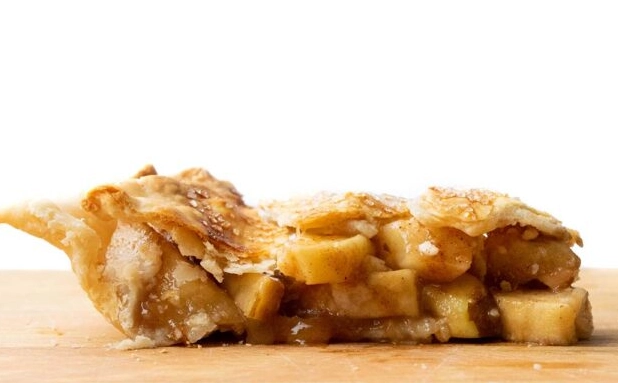
5. Fuji
Fuji shares Gala's problem: it's a juice bomb. Incredibly sweet and very juicy, Fuji apples are fantastic for eating but will waterlog your baked goods. They also hold their shape a little too well sometimes, remaining oddly crisp in spots while flooding the pan. The flavor is sweet without complexity, which doesn't translate well to the depth you want in a baked dessert.
| Apple | Primary Baking Flaw | Result in Your Pie/Crisp |
|---|---|---|
| Red Delicious | Waxy skin, mealy/bland flesh | Tough skin strips, flavorless mush |
| Gala | Extremely high water content | Watery filling, soggy topping |
| Golden Delicious | Low acid, soft flesh | Overly sweet, grainy puree texture |
| McIntosh | Extremely tender, breaks down fast | Applesauce consistency, no chunks |
| Fuji | Very juicy, very sweet | Waterlogged, one-dimensionally sweet |
How to Test an Apple's Baking Suitability at Home?
Don't just trust the label. You can do a simple 30-second test. Take a knife and try to slice a thin piece from the apple without peeling it. Now, try to break that slice with your fingers.
If the skin feels tough and leathery and the flesh snaps cleanly but feels dry (like a Red Delicious), it's a no-go.
If the slice bends easily and feels ultra-juicy (like a Gala), be wary of excess moisture.
You want an apple where the slice offers some resistance, breaks with a moist but not dripping snap, and the skin feels thin. Then taste it. Is it just sweet, or is there a clear, bright tartness behind it? You want that tartness.
Can You Salvage a Bake with the Wrong Apples?
Sometimes you're committed. You've already sliced three pounds of Galas. All is not lost, but you need to intervene.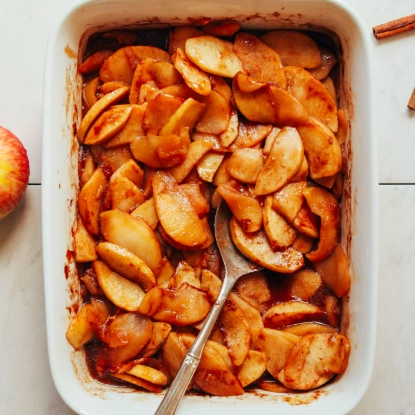
For high-moisture apples (Gala, Fuji), try pre-cooking. Sauté your apple slices in a wide pan with a bit of butter and the recipe's sugar and spices for 5-8 minutes. This drives off a significant amount of excess liquid before the apples even hit the pie crust. Let them cool before assembling. It's an extra step, but it saves the bake.
For low-acid, too-sweet apples (Golden Delicious), boost the acidity. Add a tablespoon of fresh lemon juice or a teaspoon of lemon zest to the filling. A tiny splash of apple cider vinegar can also work wonders to mimic the complexity of a tarter apple.
For apples that turn to mush (McIntosh), embrace it or mix. Consider changing your plan to an applesauce cake or apple butter. If you must have pie, mix them 50/50 with a very firm apple like Granny Smith. The Macs will become the sauce, the Grannies will be the chunks.
What Should You Use Instead? Top Baking Apples
So what should you buy? Look for apples known for holding their structure and offering a sweet-tart balance.
- Granny Smith: The classic for a reason. High acid, firm flesh, holds shape perfectly. Can be too tart alone for some, so often mixed.
- Honeycrisp: A modern favorite. Crisp, juicy but not watery, with a perfect sweet-tart balance. Holds shape well, though can be pricey.
- Braeburn: A fantastic all-rounder. Firm, tangy-sweet, and aromatic. Bakes into tender, distinct slices that keep their form.
- Jonagold / Jonathan: Tart, juicy, and flavorful. Jonathans are especially good for a tangy punch.
- Pink Lady (Cripps Pink): Very firm and crisp with a lively tartness that mellows beautifully when baked.
Don't be afraid to mix two or three varieties. Combining a tart apple (Granny Smith) with a sweet-tart one (Honeycrisp) and an aromatic one (Braeburn) creates a filling with incredible depth of flavor and varied texture. That's the pro move.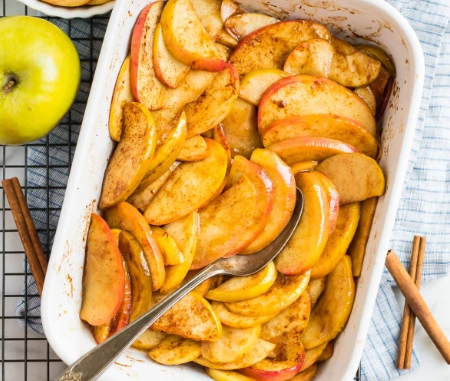
The bottom line? Baking is a science of ingredients. Respect the apple's nature. Choosing the right one isn't pedantry—it's the difference between a good dessert and a great one, between a slice that holds its shape on your fork and a spoonable puddle in your plate. Skip the Red Delicious, think twice about the Gala, and reach for the Granny Smith or Braeburn. Your pie crust will thank you.
Reader Comments