You've nurtured those sprawling vines all summer, watched the tiny fruits swell, and now you're staring at them, knife in hand, wondering: is it time? Picking butternut squash too early means a bland, starchy disappointment. Leave it too late, and you risk frost damage or rot. Getting it right is the difference between a harvest that lasts all winter and one that rots in your garage by Thanksgiving.
Here's the straight answer: butternut squash is typically ready to harvest in early to mid-fall, about 75-100 days after planting. But the calendar is a liar. Forget the date. Your squash will tell you when it's ready, if you know how to listen.
What’s Inside: Your Quick Harvest Guide
The 5 Foolproof Signs Your Butternut Squash is Ripe
Relying on just one sign is a rookie move. Mature butternut squash gives you a chorus of clues. Check all five boxes before you make the cut.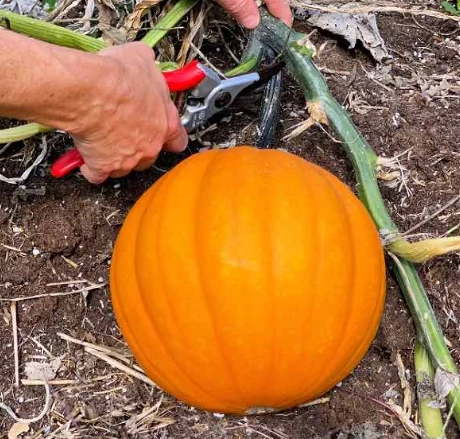
1. The Skin Color and Hardness Test
Forget the pale, yellowish skin of a young squash. A ripe butternut develops a deep, uniform tan or beige color. The green undertones are completely gone. More importantly, press your thumbnail into the skin. On an immature squash, your nail will pierce it easily. On a ripe one, the skin is so hard it's nearly impossible to puncture. This hardened rind is its winter armor. If you can dent it, walk away.
2. The Stem Tells the Story
This is the most overlooked sign. The stem, where the squash connects to the vine, undergoes a dramatic change. When immature, it's green, fleshy, and flexible. At full maturity, it starts to dry out, turning brown, hard, and corky. It looks shriveled and woody. This corking is the plant's way of naturally severing the nutrient and water supply, signaling the end of growth. No corky stem? Wait.
3. The Sound and the Shine
Give the squash a gentle tap with your knuckle. An immature one sounds dull and solid. A ripe one has a slightly hollow, resonant sound. Also, the skin loses its glossy sheen and develops a more matte, dull finish. The little speckles or veins on the skin become more pronounced.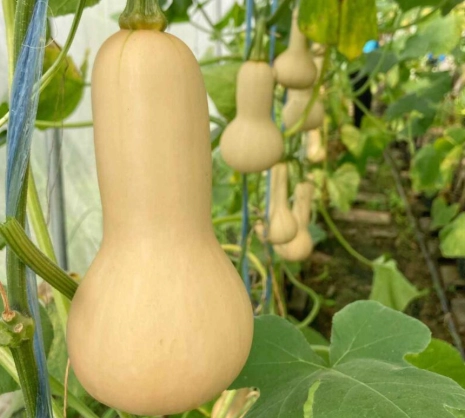
4. The Vine's Final Act
Look at the vine leading to your squash. As the squash matures, the section of vine closest to it often starts to yellow, brown, and die back. This is perfectly normal. The plant is redirecting its last energy into the fruit. Don't panic and think the plant is dying of disease—it's often just completing its lifecycle for that particular fruit.
5. The Size and Shape Benchmark
By harvest time, your butternut should feel heavy for its size and have filled out its classic bell shape. Most varieties reach 8 to 12 inches in length. Compare it to others of the same variety in your garden or from seed packet descriptions. It won't grow much bigger in the final weeks, just harder and richer in color.
Pro Tip: The stem corking is non-negotiable. I've seen perfectly colored, hard-skinned squash rot quickly because they were cut with a green, succulent stem. That stem is an open wound inviting infection. Let it seal itself first.
The Best Time of Year (and Day) to Harvest
So you've ticked all the boxes. When do you actually go out there and do the deed?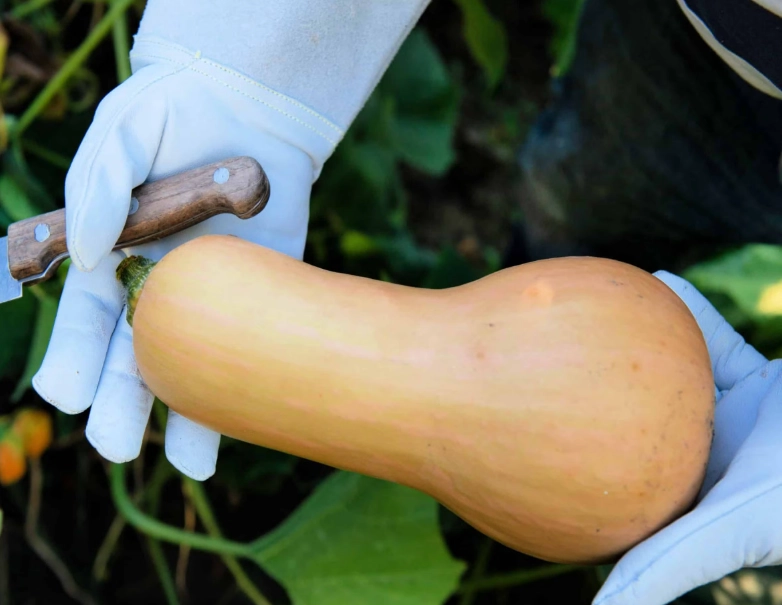
The Season: Late September through October is prime time across most temperate zones. Your first light frost is actually a helpful alarm clock. A light frost (just below 32°F/0°C) will kill the vines but usually doesn't harm the hardened fruit. It tells the plant, "Winter's coming, wrap it up!" This can actually boost sugar concentration. However, a hard freeze (below 28°F/-2°C) is dangerous and can damage the squash itself. If a hard freeze is forecast, harvest immediately, ripe or not.
The Daily Schedule: Always harvest on a dry, sunny day. Morning is ideal, after the dew has evaporated but before the afternoon heat. A wet squash is a moldy squash waiting to happen. Moisture trapped in the stem scar or on the skin during storage is the enemy.
Here’s a rough timeline based on planting, but remember to use the signs above as your final judge.
| Planting Time | Typical Harvest Window | Key Watch-Outs |
|---|---|---|
| Late Spring (May/June) | Late September – Mid October | Perfect for full maturation. Watch for early autumn pests. |
| Early Summer (June/July) | Mid October – Early November | May race against first frosts. Ensure varieties have enough "days to maturity." |
| Transplants started indoors | Can be 2-3 weeks earlier than direct-sown. | Don't let the calendar rush you—still wait for the corked stem! |
How to Harvest, Cure, and Store for Maximum Flavor
Harvesting is just step one. What you do next determines if your squash tastes like candy or cardboard.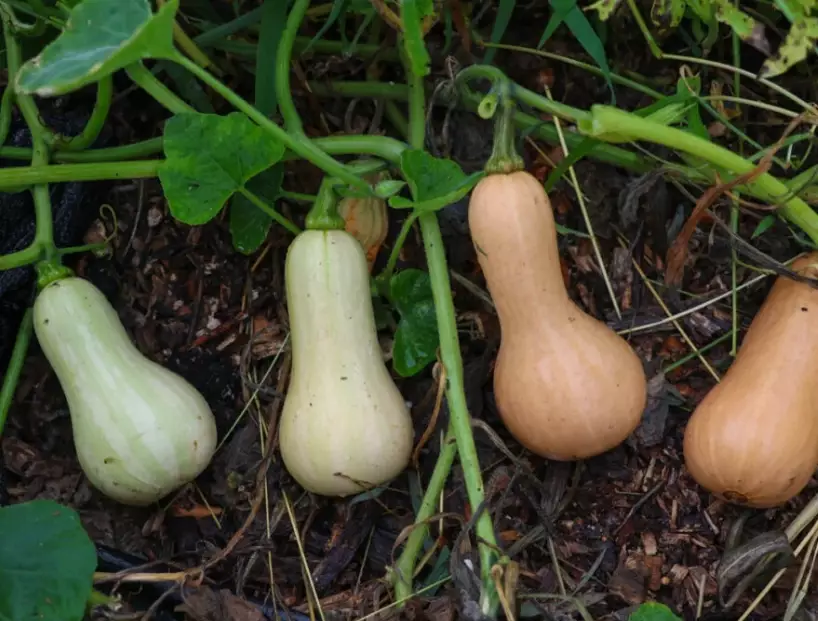
The Right Cut
Use sharp pruners or a sturdy knife. Do not twist or pull it off the vine—you'll rip a chunk out of the squash and create a rot entry point. Cut the stem, leaving a generous nub of at least 1 to 2 inches attached to the squash. This handle protects the fruit's flesh. Imagine that stem scar as a wound; the longer the stem piece, the farther rot has to travel to reach the good stuff.
The Critical Cure (Don't Skip This!)
This is where most home gardeners fail. Freshly harvested squash is not ready to eat or store long-term. It needs to cure. Curing hardens the skin further, heals the stem cut, and—most importantly—converts starches into sugars.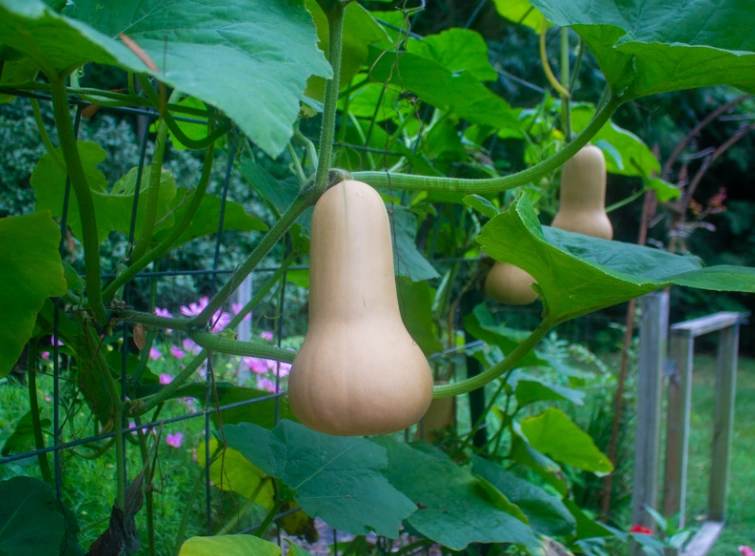
Place your harvested squash in a warm, dry, well-ventilated spot. Aim for 80-85°F (27-29°C) with good air circulation for about 10 to 14 days. A sunny porch, a greenhouse, or even near a furnace (but not on top of it) works. Let them sit, not touching each other. You'll see the skin get even tougher and the color deepen.
Long-Term Storage Strategy
After curing, move them to a cool, dark, and dry place for long-term storage. Ideal conditions are 50-55°F (10-13°C) with moderate humidity (50-70%). A basement, unheated spare room, or cool cellar is perfect. Never store them in a sealed plastic bag—they need to breathe. Check them monthly for soft spots. A properly cured and stored butternut can last 3 to 6 months, sometimes longer.
I keep mine on a wire rack in my cool mudroom. Any that show the slightest blemish get moved to the kitchen counter to be used first. This "first in, first out" system prevents one bad squash from spoiling the bunch.
Common Harvest Mistakes You're Probably Making
Let's be honest, I've made these too. Learning from them saves your harvest.
Harvesting with a "green thumb" stem. We covered this. It's public enemy number one for storage rot.
Washing the squash before storage. You're not preparing it for dinner yet! That moisture is a death sentence. Brush off dirt gently; don't wash.
Skipping the cure. I get it, you're excited. But cutting into an uncured squash is a bland, starchy letdown. The flavor needs that post-harvest transformation.
Storing near apples or pears. These fruits emit ethylene gas, which can cause your squash to ripen further and spoil faster. Keep them separate.
Ignoring small injuries. If you accidentally nick a squash while harvesting, don't try to store it. Use it within a week or two. Set it aside from your pristine, long-storage specimens.
Reader Comments