Ever bite into a strawberry in December and wonder where the flavor went? Or pay a small fortune for asparagus that tastes like wet grass? I've been there. For years, I shopped on autopilot, grabbing whatever looked good in the supermarket aisle, completely disconnected from the natural growing cycles. My meals were more expensive and less tasty because of it. Eating fruits and veggies in season isn't just a trendy foodie concept—it's the simplest hack for better flavor, more nutrition, and a lighter grocery bill. This guide cuts through the noise and gives you the actionable, month-by-month roadmap you need.
What's Inside This Guide?
Why Eating Seasonally is a Game-Changer (Beyond Just Taste)
Let's get straight to the point. When you choose produce at its peak season, you're not just getting a better product. You're optimizing several parts of your life at once.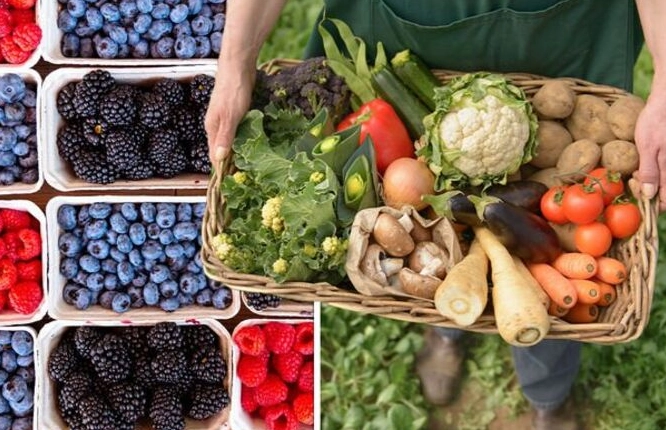
Flavor & Nutrition Win. A tomato ripened on the vine under the summer sun develops a complex sugar and acid profile that a greenhouse-grown winter tomato can't match. Studies, like those referenced by the Harvard T.H. Chan School of Public Health, suggest that produce harvested at peak ripeness often has higher levels of certain vitamins and antioxidants. You can literally taste the difference.
Your Wallet Will Thank You. This is basic economics. When there's a surplus of a crop (like zucchini in late summer), the price drops. Buying strawberries in June costs a fraction of what they do in January. I've slashed my produce bill by 20-30% simply by shifting my shopping to what's abundant.
It's a Greener Choice. Out-of-season produce often travels thousands of miles or is grown in energy-intensive heated greenhouses. Choosing local, seasonal items reduces food miles and your carbon footprint. It's a small choice with a real impact.
I made the mistake for years of buying "fresh" green beans in March. They were always stringy and bland. Once I waited until July and got them from a farm stand, it was a revelation. They snapped perfectly and tasted sweet. That experience changed how I shop.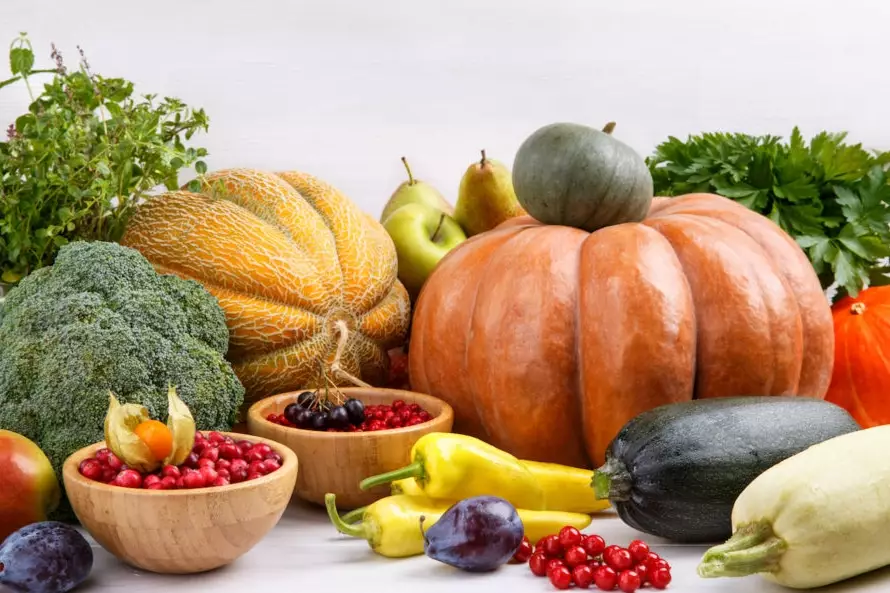
Your Seasonal Roadmap: What's Fresh and When
Forget vague lists. Here’s a concise, actionable guide to prime seasonal produce in temperate climates (like much of the US and Europe). Remember, seasons can shift slightly based on your specific region.
| Season | Key Fruits | Key Vegetables | Pro-Tip / Note |
|---|---|---|---|
| Spring (Mar-May) | Strawberries (late spring), Rhubarb, Apricots (late spring), Pineapple (peak sweetness) | Asparagus, Peas (snap & snow), Artichokes, Radishes, Spinach, Lettuces, Green Garlic | This is the season of tender, green, and fast-growing veggies. Asparagus season is short—enjoy it! |
| Summer (Jun-Aug) | Berries (all kinds), Cherries, Peaches, Nectarines, Plums, Melons (watermelon, cantaloupe), Tomatoes (a fruit!) | Corn, Zucchini & Summer Squash, Cucumbers, Bell Peppers, Eggplant, Green Beans, Tomatillos | The bounty is real. This is the time for canning, freezing, and eating as much fresh corn and tomatoes as possible. |
| Fall (Sep-Nov) | Apples, Pears, Grapes, Cranberries, Figs, Persimmons, Pomegranates | Pumpkins & Winter Squash (butternut, acorn), Sweet Potatoes, Brussels Sprouts, Cauliflower, Broccoli, Beets, Mushrooms (wild) | Flavors deepen. Think earthy, sweet, and hearty. Winter squash stores for months in a cool, dark place. |
| Winter (Dec-Feb) | Citrus (oranges, grapefruit, mandarins, lemons), Kiwi, Pears (from storage) | Kale & Collards, Leeks, Parsnips, Turnips, Rutabagas, Celery Root, Hardy Herbs (rosemary, thyme) | Don't underestimate winter! Citrus is at its juiciest, and hearty greens taste sweeter after a frost. |
A common mistake is thinking "berries" are only a summer thing. While strawberries peak in late spring/early summer, raspberries and blackberries often hit their stride in mid-to-late summer. And cranberries? Purely a fall harvest. Timing matters within the broader season.
Where to Find the Best Seasonal Produce
Knowing what's in season is half the battle. Knowing where to get it is the other half.
Farmers Markets & Farm Stands
This is your number one source for peak freshness. The produce was likely picked within 24 hours. You can talk directly to the grower. Ask them what's at its absolute best that week—they'll tell you. A tip: go later in the day for potential deals as vendors pack up.
Community Supported Agriculture (CSA) Boxes
You pay a farm upfront for a weekly share of their harvest. It's the ultimate commitment to seasonal eating. You get what's ripe, which forces you to try new vegetables (kohlrabi, anyone?). It supports local farms directly.
Your Regular Grocery Store
You can still eat seasonally here. Look for signs that say "local" or check the country of origin sticker. Produce from Mexico or Chile in December is likely in season there. In the US, the USDA has seasonal guides, and many chains now highlight local items. The key is to be selective and prioritize the items from your seasonal roadmap.
I used to ignore the "ugly" heirloom tomatoes at the market. Now I seek them out—their cracked shoulders and weird shapes often mean insane flavor that perfect, round hybrids lack.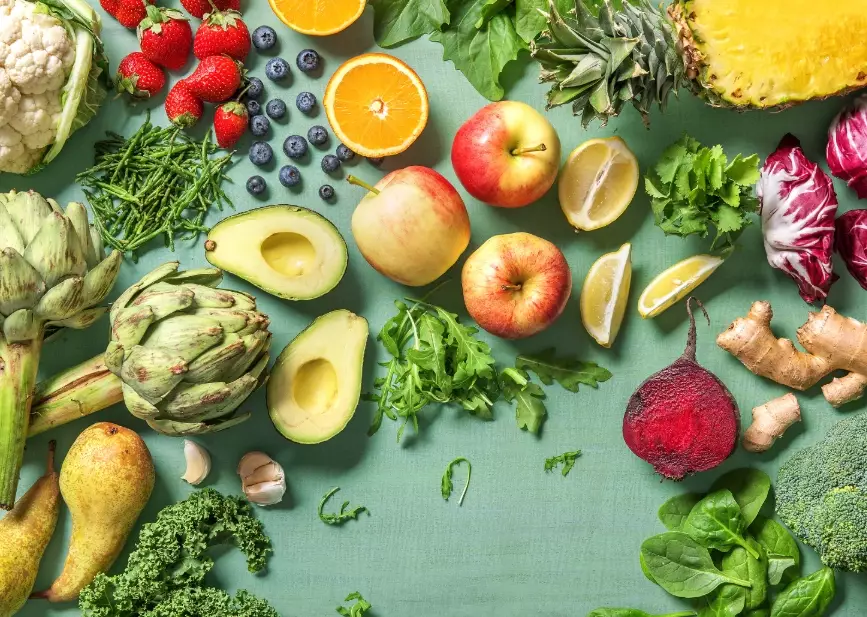
How to Store Seasonal Produce So It Lasts
Nothing hurts more than watching beautiful, seasonal produce go bad. Most people make one big mistake: they put everything in the fridge.
Do NOT Refrigerate: Tomatoes, bananas, potatoes, onions, garlic, winter squash, and most stone fruits (peaches, plums) until they're fully ripe. Cold temperatures destroy their flavor and texture. Store them on the counter.
Always Refrigerate: Leafy greens, berries, asparagus, corn (in its husk), and fresh herbs. For herbs and asparagus, treat them like flowers—stand them upright in a jar with an inch of water and loosely cover with a bag.
For the Fridge, But Keep Dry: Mushrooms should go in a paper bag, not plastic. Berries last longer if you don't wash them until you're ready to eat. A quick vinegar wash (1 part vinegar to 3 parts water) can extend their life by killing mold spores.
5 Practical Tips to Make Seasonal Eating Effortless
- Plan Your Meals Around the Sale Flyer. Check what's on special at your local market or grocery store. Those sales are almost always on items that are currently in high season and supply.
- Buy in Bulk & Preserve. When berries or tomatoes are dirt cheap, buy flats. Freeze berries on a tray before bagging. Make and freeze big batches of tomato sauce or soup.
- Embrace the "Secondary" Parts. Beet greens are delicious sautéed. Broccoli stems, peeled and sliced, are crunchy and sweet—don't throw them out. This reduces waste and gets you more for your money.
- Try One New Thing a Month. See celeriac (celery root) at the winter market? Grab one and look up a recipe. Seasonal eating expands your culinary horizons.
- Use Your Freezer as a Seasonal Time Capsule. Frozen peas, corn, and berries picked at peak season are nutritionally superior to fresh ones shipped from far away off-season.
Your Seasonal Produce Questions, Answered
Is organic seasonal produce always more expensive?
Not necessarily. At the height of the season, the price gap between organic and conventional narrows significantly because the yield is high. At a farmers market, I often find organic zucchini or greens priced the same as conventional ones in the store. Prioritize buying organic for the "Dirty Dozen" (like strawberries, spinach) when they're in season, and don't stress as much for items with thicker peels (like sweet corn, avocados).
How can I eat seasonally on a very tight budget?
Focus on the workhorses of each season. In summer, that's zucchini, cucumbers, and green beans—they're prolific and cheap. In fall, buy whole pumpkins and squash instead of pre-cut cubes; they're cheaper per pound and store for ages. In winter, embrace cabbage, carrots, and onions—they're always affordable and form the base of countless soups and stews. Frozen seasonal produce is also a budget-friendly powerhouse.
"Local" is always better than "seasonal," right?
This is a tricky one. Ideally, you want both. But if you have to choose, I'd argue seasonal often trumps strictly local in winter if you live in a cold climate. A local greenhouse tomato in January is still a tomato grown out of its natural season, often with less flavor. A citrus fruit shipped from Florida or California in January is in its absolute prime season there. The flavor and nutritional payoff of the in-season citrus will almost always be greater.
What's the biggest mistake beginners make when switching to seasonal eating?
Trying to do it 100% perfectly, immediately. You'll drive yourself crazy. Start with one rule: for the next month, only buy berries and stone fruits (peaches, plums) if they're from your hemisphere's current season. Notice the difference in price and taste. Then add another category, like leafy greens or tomatoes. Gradual shifts lead to lasting habits without the burnout.
Reader Comments