You've got the seed packet, the pot, the dream of crisp, homegrown bell peppers in your salads. But then you look at the back of the packet and see "Days to Maturity: 60-90 days." That's a huge range. What does it actually mean for your garden? The short, honest answer is that from the day you plant a seed to the day you pick your first ripe pepper, you're looking at anywhere from 70 to 120 days, and sometimes longer. It's not just a number; it's a journey with distinct phases, each with its own timeline and potential pitfalls. Let's get our hands dirty and break down exactly what to expect, week by week.
What's Inside This Guide?
The Complete Bell Pepper Growth Timeline
Forget the vague "60-90 days." That figure usually starts counting from the day you transplant a young seedling outdoors, not from seed. Here's a more realistic, stage-by-stage breakdown.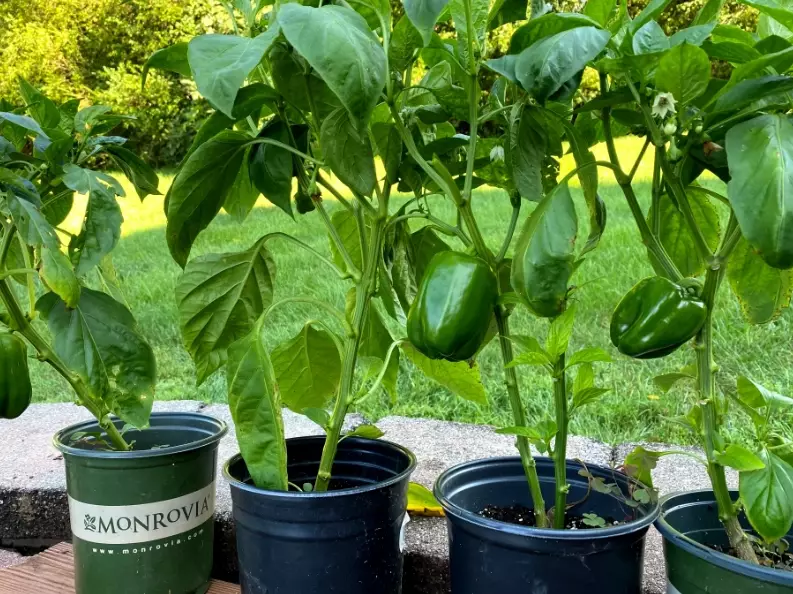
| Growth Stage | Typical Duration | Key Milestones & What to Expect |
|---|---|---|
| 1. Germination | 7 to 21 days | Seed absorbs water, swells, and sends out a tiny root (radicle). This is the most variable stage, heavily dependent on soil temperature. |
| 2. Seedling Stage (Indoors) | 6 to 8 weeks | The first "true" leaves appear (after the initial seed leaves). Plant focuses on building a strong stem and root system. Requires bright light to prevent legginess. |
| 3. Transplant & Acclimation | 1 to 2 weeks | Seedling is moved outside (after last frost) and needs to "harden off" to adjust to sun, wind, and temperature swings. Growth may appear to stall. |
| 4. Vegetative Growth | 3 to 4 weeks | Plant establishes in its final spot, bushies out, and grows more leaves and branches. It's getting ready to support fruit. |
| 5. Flowering & Fruit Set | 1 to 2 weeks | Small white flowers appear. Pollination occurs (often self-pollination with a little help from wind or insects). The tiny pepper begins to form at the flower's base. |
| 6. Fruit Development & Maturation | 55 to 85+ days | This is the "Days to Maturity" period. The pepper grows to full size (mature green stage) and then, if left on the plant, changes color (red, yellow, orange). |
Add that all up, and your total time from seed to harvest is clear. If you start seeds indoors 8 weeks before your last frost, then add 1 week to harden off, 3 weeks to establish, and 70 days to mature, you're looking at about 130 days from seeding. That's over four months. This is why planning is everything.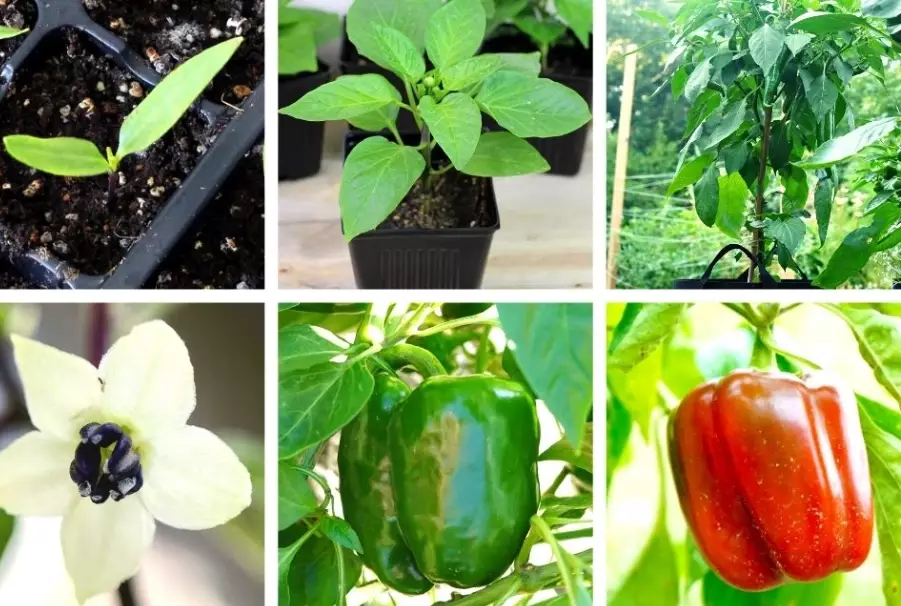
From Seed to Sprout: The Waiting Game
This first phase is where impatience kills. You plant the seed, water it, and check it three times a day. Nothing happens for what feels like forever. The single biggest factor here isn't water or light—it's heat. Pepper seeds are tropical at heart. They'll just sit there in cool soil (below 70°F/21°C).
I’ve had seeds sprout in 6 days on a heat mat set to 80°F (27°C). Without it, in my cooler basement, the same batch took 18 days. That's a two-week difference right off the bat. A common mistake is planting too deep. Pepper seeds need light to germinate well, so a shallow planting depth of about 1/4 inch is perfect. Bury them too deep and they'll struggle to surface, if they germinate at all.
The Seedling Stage: Building a Strong Foundation
Once that first green loop breaks the soil, the clock resets to a new set of rules. The initial leaves (cotyledons) aren't true leaves; they're just the seed's food storage. The real work starts when the first set of true, serrated leaves appears. This is a critical 6-8 week period indoors where you're not just growing a plant, you're growing its future potential.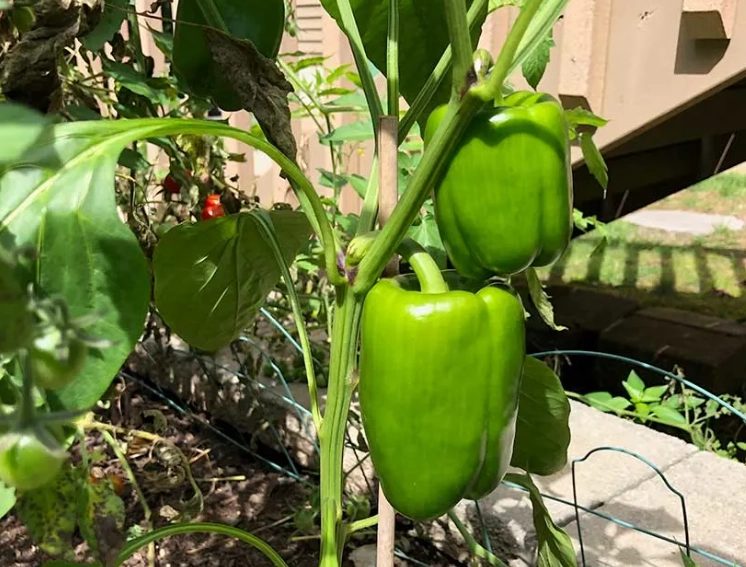
The number one killer of seedlings at this stage? Weak, leggy growth caused by insufficient light. A sunny windowsill is rarely enough, especially in northern climates. The seedlings stretch desperately towards the light, resulting in a thin, weak stem that can barely support itself, let alone a heavy pepper. I learned this the hard way my first season—spindly plants that flopped over and never recovered.
You need strong, direct light for 14-16 hours a day. A simple shop light with LED grow bulbs placed just 2-4 inches above the seedlings works wonders. As they grow, raise the lights. This forces them to grow compact and stocky.
When to Pot Up
Don't leave seedlings in their tiny starter cells for too long. Once you see roots peeking out the bottom drainage holes, it's time to "pot up" to a slightly larger container (3-4 inch pot). This gives the roots room to expand, which directly fuels top growth. A root-bound seedling will be stunted for life.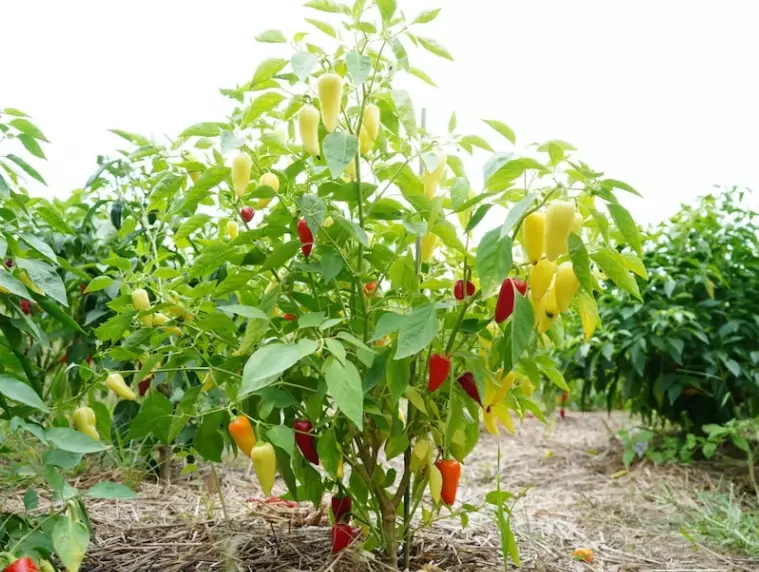
Transplanting Time and the Great Outdoors
You can't just take your pampered indoor seedlings and plop them outside. The shock of full sun, wind, and temperature drops will scorch and stunt them. The process of "hardening off" is non-negotiable and adds about 7-10 days to your timeline. Start by placing them outside in a shaded, sheltered spot for a few hours, gradually increasing the time and sun exposure over a week.
Another subtle error is transplanting too early. Bell peppers hate cold soil as much as their seeds do. The soil temperature should be at least 65°F (18°C) consistently, both day and night. Transplanting into cold, wet soil can cause transplant shock and root rot, setting you back weeks. A black plastic mulch can help warm the soil faster in early spring.
From Flower to Fruit: The Final Countdown
Your plant is bushy, green, and finally produces its first delicate white flowers. Celebration time? Almost. The "Days to Maturity" clock on the seed packet now officially starts ticking. But this period is also highly variable.
Variety Matters: A quick-maturing variety like 'Ace' or 'Gypsy' might be ready in 60 days post-transplant. A massive, thick-walled heirloom like 'California Wonder' or a sweet bell pepper that turns a deep chocolate brown might need the full 90 days or more to reach its best flavor and color.
Weather is King: Bell peppers are warmth-loving divas. Nights that dip below 55°F (13°C) or daytime heat waves above 90°F (32°C) can cause flowers to drop without setting fruit—a heartbreaking pause in production. Growth also slows dramatically when temperatures aren't ideal.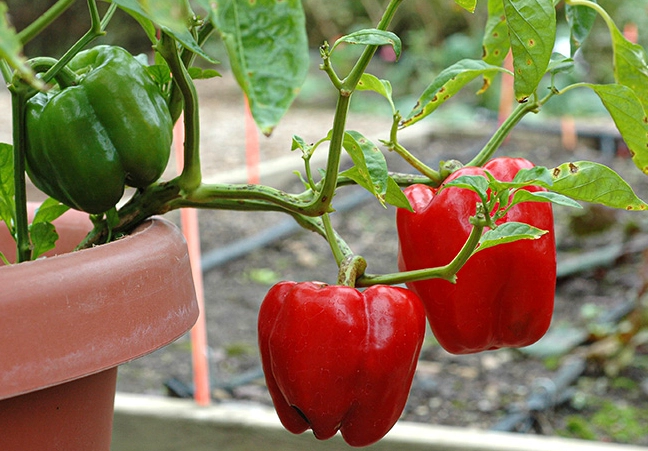
The fruit development stage is split in two:
- Mature Green Stage: The pepper reaches its full size. It's technically edible but often bitter and less sweet. Picking at this stage encourages the plant to produce more peppers.
- Color Break & Ripening: If left on the plant, the pepper will start to change color. This process alone can take 2-4 weeks. The flavor sweetens, vitamins increase, and you get that gorgeous red, yellow, orange, or purple pepper. This is the true test of patience for most gardeners.
Feeding is crucial here. Once flowers appear, switch to a fertilizer lower in nitrogen (which promotes leaves) and higher in phosphorus and potassium (which support flowers and fruit). A tomato fertilizer works great. Over-fertilizing with nitrogen will give you a giant, beautiful, leafy bush with no peppers—a classic rookie error.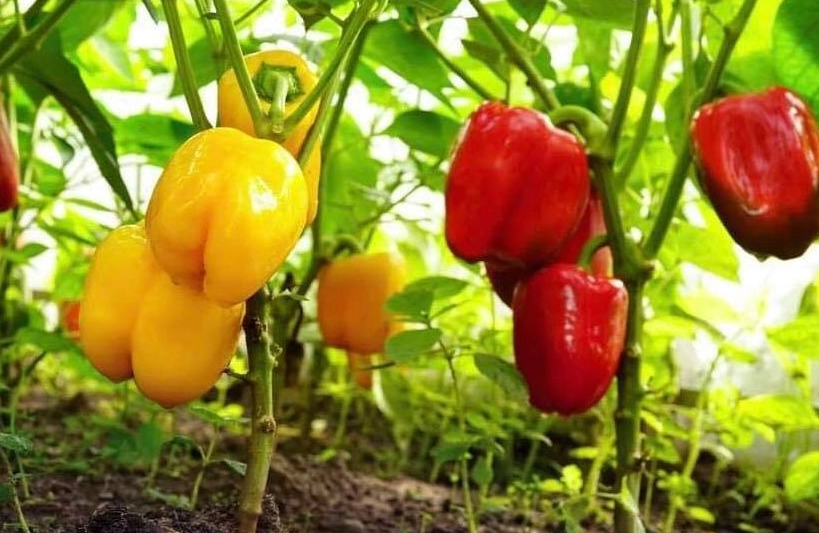
Your Bell Pepper Growing Questions, Answered
Here are the real-world questions I get asked most often, beyond just "how long."
How long does it take for a bell pepper to turn red after it forms?
Once a green bell pepper reaches its full size, it needs another 2 to 4 weeks on the plant to ripen and change color. This "color break" stage requires sustained warmth and sunlight. If the weather turns cool, it can take even longer. The wait is worth it—the sugars develop fully, and vitamin C content can double compared to the green stage.
Can I grow bell peppers completely indoors or in a pot?
Absolutely, but manage your expectations. Choose a compact variety labeled for containers. The biggest hurdle is light—you'll need a powerful grow light, not just a windowsill. Growth might be 10-15% slower, and you'll get a smaller harvest (maybe 4-6 peppers per plant instead of 8-10). But the upside? You can grow them year-round. Just ensure the pot is large (at least 5 gallons) and has excellent drainage.
Why are my bell pepper plants flowering but not producing peppers?
Flowers without fruit scream "pollination problem." Peppers often self-pollinate, but they need a little vibration to shake the pollen loose. If you're growing on a sheltered balcony or indoors, there's no wind or bees to do the job. The solution is easy: give the flowering stems a gentle tap or shake the plant a little every morning. High temperatures (over 90°F) or overwatering can also cause blossoms to drop prematurely.
What's one thing I can do to speed up growth?
Focus on soil warmth from the very beginning. Use a heat mat for germination, use black plastic or dark mulch to pre-warm your garden soil, and consider using a cloche or cold frame to protect young transplants in early spring. Consistent soil warmth promotes faster root development, which is the engine for all top growth. A plant with a happy, warm root system will move through every stage more quickly.
So, how long does a bell pepper take to grow? It's a commitment. Think of it as a summer-long project, not a quick win. But the timeline—from that first anxious peek at the seed tray to the satisfying snap of a homegrown pepper fresh off the vine—is what makes the harvest so rewarding. By understanding and respecting each stage, you move from a passive observer to an active partner in your plant's growth, dramatically increasing your chances of a successful, bountiful crop.
Reader Comments