You slice into a fresh cucumber, expecting that crisp, refreshing bite, but instead, you get a mouthful of bitterness that ruins your salad. It’s a common kitchen letdown, and I’ve been there too—after years of gardening, I’ve faced more bitter cucumbers than I care to admit. But here’s the good news: cucumber bitterness isn’t a mystery, and it’s often preventable. In this guide, I’ll break down the science behind why cucumbers turn bitter, share practical tips from my own trials and errors, and show you how to salvage those bitter ones. Whether you’re a home gardener or just love fresh produce, this is everything you need to know.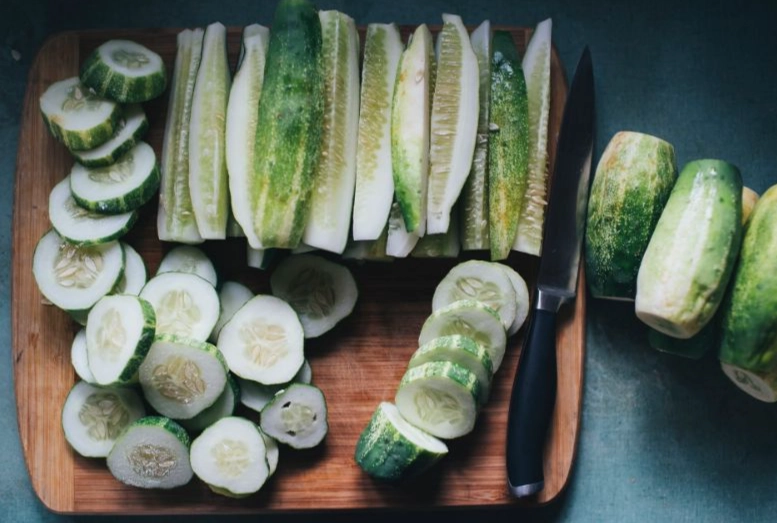
What You’ll Discover
Why Do Cucumbers Get Bitter?
Bitterness in cucumbers comes from natural compounds called cucurbitacins. Think of them as the plant’s defense mechanism—they deter pests and herbivores. In wild cucumbers, these compounds are high, but domesticated varieties have been bred to reduce them. However, under stress, even modern cukes can produce excess cucurbitacins, leading to that unpleasant taste.
The Role of Cucurbitacins
Cucurbitacins are concentrated in the stem end, skin, and seeds of the cucumber. That’s why you might notice bitterness more near the stem. According to agricultural studies, such as those from the University of California’s Agriculture and Natural Resources, cucurbitacin levels spike when the plant faces environmental stress. It’s not about the cucumber being “bad”; it’s the plant crying out for help.
Stress Factors That Trigger Bitterness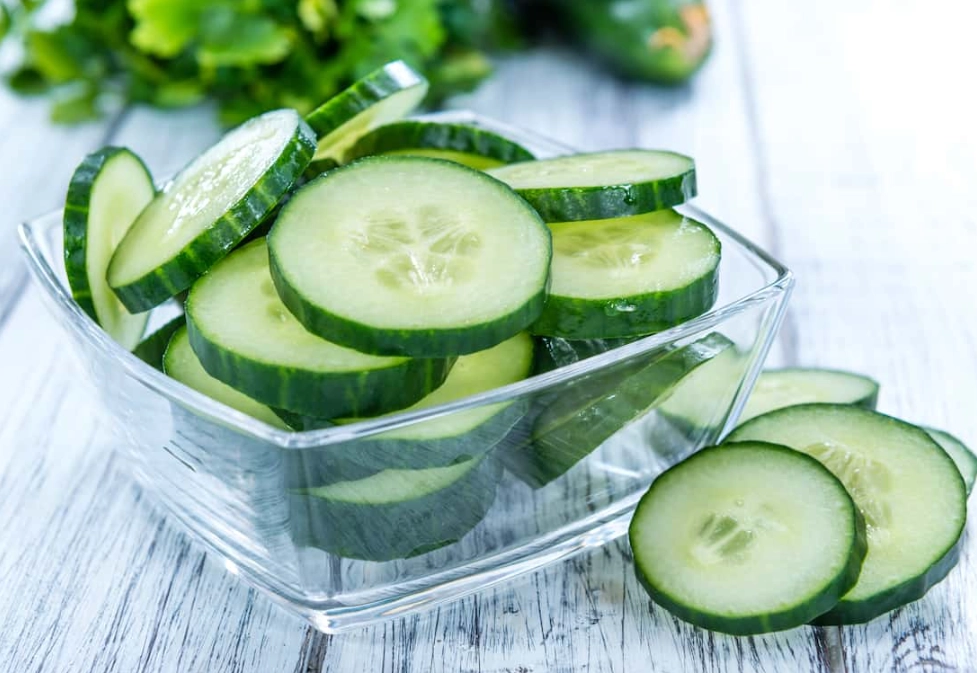
Several factors can stress cucumber plants, turning your harvest bitter. Here’s what to watch out for:
- Irregular Watering: Cucumbers are thirsty plants. If they don’t get consistent moisture, especially during fruit development, they produce more cucurbitacins. I’ve seen this firsthand—skipping a watering during a heatwave led to a batch of bitter cucumbers in my garden.
- High Temperatures: Prolonged heat above 85°F (30°C) stresses the plant. The Royal Horticultural Society notes that heat can increase bitterness, which is why summer crops sometimes disappoint.
- Poor Soil Conditions: Nutrient imbalances, like low nitrogen or compacted soil, can contribute. A soil test can save you a lot of guesswork.
- Overripeness: Leaving cucumbers on the vine too long allows cucurbitacins to accumulate. Pick them when they’re firm and medium-green, not yellowing.
Many beginners assume bitterness is just bad luck, but it’s often a sign of care lapses. I used to blame the seeds until I tracked my watering schedule and saw the correlation.
How to Prevent Bitter Cucumbers in Your Garden
Prevention starts in the garden. With a few tweaks, you can grow cucumbers that are sweet and crisp every time. Let’s dive into the specifics.
Choosing the Right Cucumber Variety
Not all cucumbers are created equal. Some varieties are bred for low cucurbitacin content, making them less prone to bitterness. Here’s a quick comparison based on my experience and research:
| Cucumber Variety | Bitterness Risk | Best Growing Conditions |
|---|---|---|
| English Cucumbers | Low | Greenhouse or consistent moisture |
| Persian Cucumbers | Low | Warm climates, regular watering |
| ‘Diva’ Hybrid | Very Low | Full sun, well-drained soil |
| Standard Slicing Cucumbers | Moderate | Needs careful stress management |
| Pickling Cucumbers | Moderate to High | Can tolerate some stress but may turn bitter |
I’ve had great success with ‘Diva’—it’s my go-to for reliability. But remember, even low-bitterness varieties can suffer if stressed, so don’t rely solely on genetics.
Perfect Watering and Temperature Control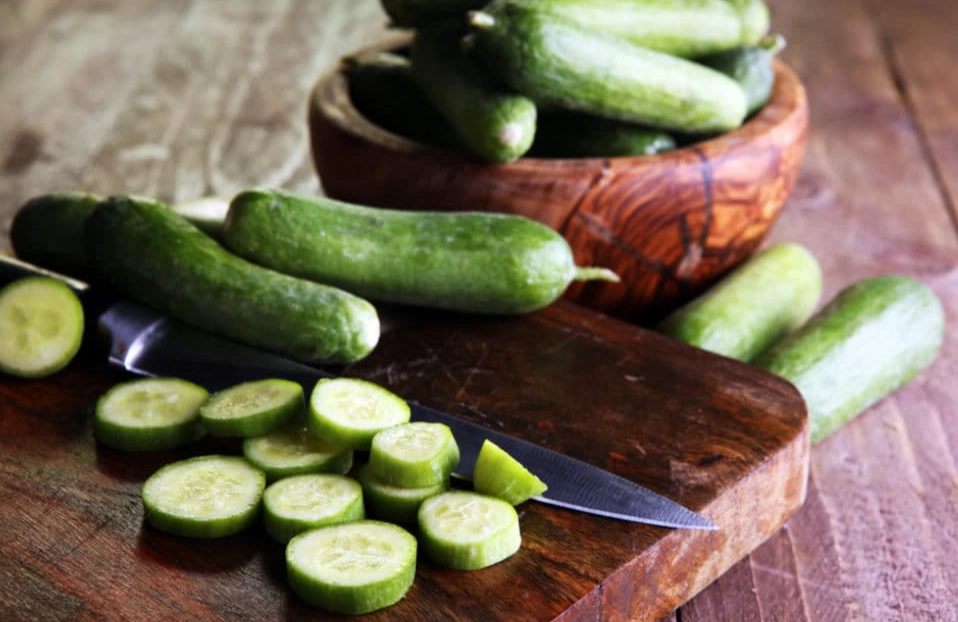
Watering is where most gardeners slip up. Cucumbers need about 1-2 inches of water per week, but it’s not just about quantity. Consistency is key. Use drip irrigation or soaker hoses to keep soil evenly moist, especially during fruiting. Mulching helps retain moisture and regulate soil temperature.
For temperature, plant cucumbers after the last frost and provide shade during peak summer heat. Row covers can help, but avoid overcrowding, which traps heat. I once lost a crop to a heatwave because I didn’t shade them—lesson learned.
Pro Tip: Water in the morning to reduce evaporation and prevent fungal issues. Evening watering can leave plants damp overnight, inviting disease.
Fixing Bitter Cucumbers in the Kitchen
So you’ve got a bitter cucumber on your cutting board. Don’t toss it just yet. There are ways to salvage it, and I’ve tested them all in my kitchen.
Peeling and Seeding: Does It Work?
Yes, it’s the most effective method. Since cucurbitacins concentrate in the skin and seeds, removing them can eliminate up to 90% of the bitterness. Here’s my step-by-step approach:
- Cut off the stem end by about half an inch—this part often has the highest bitterness.
- Peel the cucumber completely. A vegetable peeler works fine, but I prefer a knife for thicker skin.
- Slice the cucumber lengthwise and use a spoon to scoop out the seeds. Don’t skip this; seeds hold bitter compounds.
- Taste a small piece. If it’s still bitter, move to the next step.
I’ve found that this works for moderately bitter cucumbers. For severe cases, you might need more.
Cooking Techniques to Mask Bitterness
If peeling isn’t enough, cooking can help. Bitterness mellows with heat and acidity. Try these tricks:
- Salting: Sprinkle salt on sliced cucumbers, let them sit for 10 minutes, then rinse. Salt draws out moisture and bitter compounds. It’s a trick I picked up from an old chef friend.
- Acidic Marinades: Toss cucumber slices in vinegar, lemon juice, or yogurt-based dressings. The acidity counteracts bitterness. In a Greek salad, for example, the lemon and olive oil balance any bitter notes.
- Cooking: Sauté or grill cucumbers briefly. Heat breaks down cucurbitacins. I once made a stir-fry with bitter cucumbers, and the soy sauce and garlic masked the taste perfectly.
One mistake I see often: people add sugar to counter bitterness. It can work, but it often just creates a weird sweet-bitter mix. Stick with acidity and salt for better results.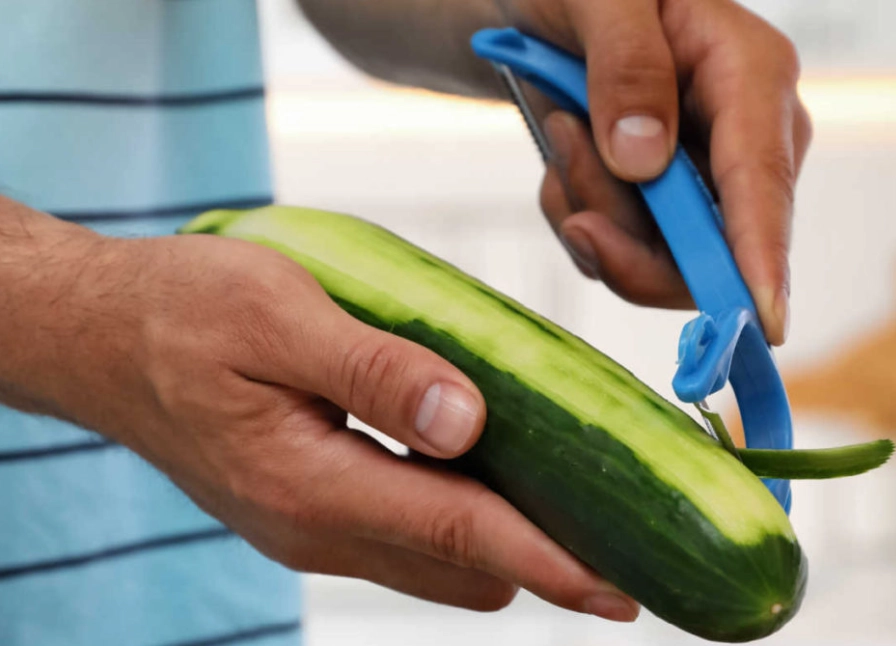
My Personal Journey with Bitter Cucumbers
Let me take you back to my first serious garden. I planted rows of cucumbers, dreaming of endless salads. But when harvest came, half were bitter. I blamed the seeds, the weather, everything but myself. After researching, I realized my watering was erratic—I’d drown them one day and forget the next.
I started a garden journal, tracking water, temperature, and harvest times. The next season, I switched to drip irrigation and planted ‘Diva’ cucumbers. The difference was night and day—sweet, crisp cucumbers all summer. But I still had a few bitter ones from a heatwave. That’s when I perfected my kitchen fixes.
This experience taught me that cucumber bitterness isn’t a flaw; it’s feedback. The plant tells you what it needs. Now, I share this with fellow gardeners, and it’s saved many a crop.
Frequently Asked Questions
 Bitterness in cucumbers doesn’t have to ruin your meals or gardening joy. By understanding the causes and applying these tips, you can enjoy sweet, refreshing cucumbers all season. Start with the right variety, keep your plants happy, and know how to fix the occasional bitter one. Happy growing and eating!
Reader Comments