Here's What You'll Discover
Let's cut to the chase: sweet peppers and bell peppers often cause confusion, but they're not identical. In essence, all bell peppers are sweet peppers, but not all sweet peppers are bell peppers. I've seen this mix-up countless times at farmers' markets—people grabbing what they think are 'sweet peppers' for a recipe, only to end up with something too crunchy or too soft. The key difference lies in shape, variety, and sometimes flavor intensity. This guide will break it down so you can shop and cook with confidence.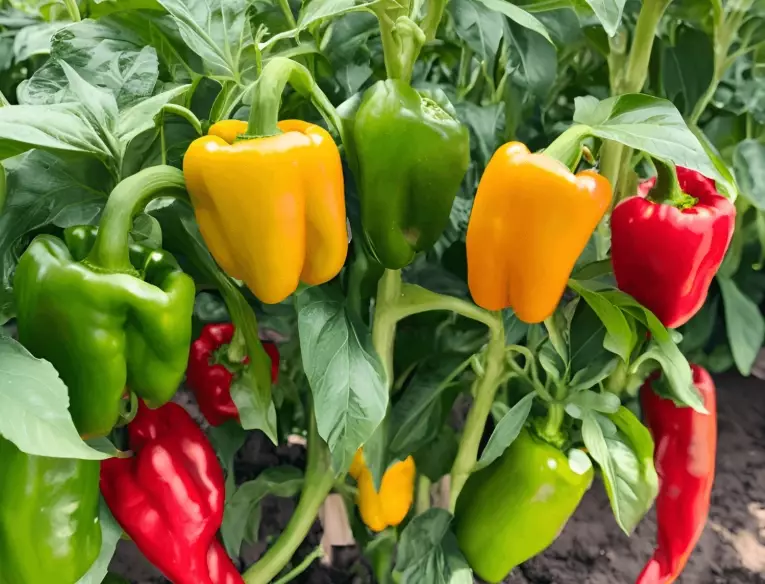
What Exactly Are Sweet Peppers and Bell Peppers?
Bell peppers, scientifically part of the Capsicum annuum species, are the blocky, multi-lobed peppers you see in green, red, yellow, and orange. They're mild, with almost zero heat, and have a thick, crisp flesh. Sweet peppers, on the other hand, is a broader term that includes bell peppers plus other non-spicy varieties like pimientos, banana peppers, and cherry peppers. Think of it this way: bell peppers are a type of sweet pepper, but sweet peppers encompass more.
Why does this matter? Because labeling in stores can be inconsistent. I once bought 'sweet peppers' that turned out to be immature bell peppers—they were greener and less sweet than I wanted for my salad. According to agricultural sources, the term 'sweet pepper' is often used commercially to describe any mild pepper, which adds to the confusion.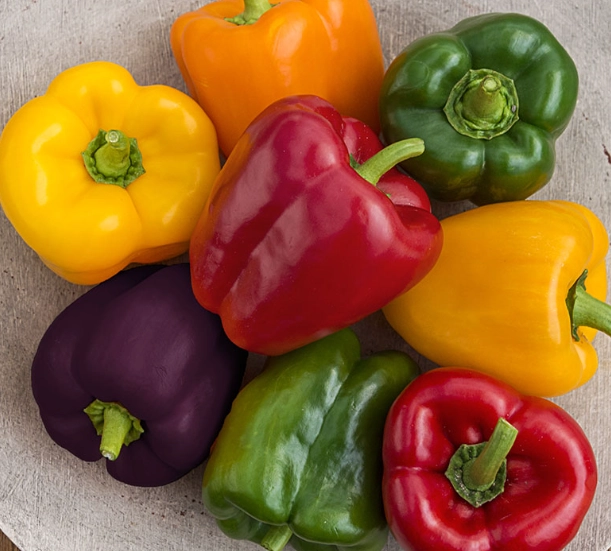
Key Identifiers at a Glance
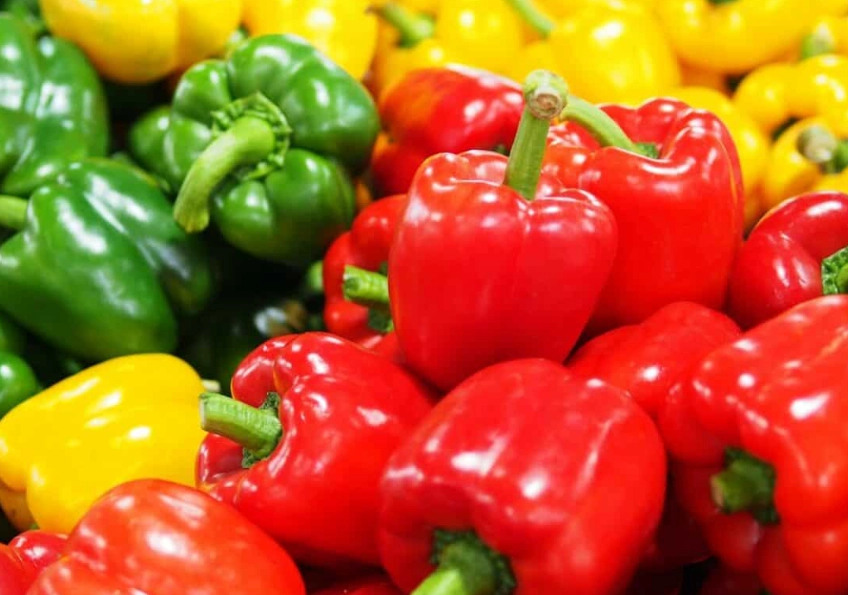
- Bell peppers: Large, square-ish shape, 3-4 lobes, thick walls, colors range from green (unripe) to red/yellow/orange (ripe).
- Other sweet peppers: Can be elongated, conical, or round; thinner walls; examples include banana peppers (yellow, curved) and pimientos (red, heart-shaped).
If you're ever unsure, check the texture: bell peppers feel heavier and denser due to their thick flesh.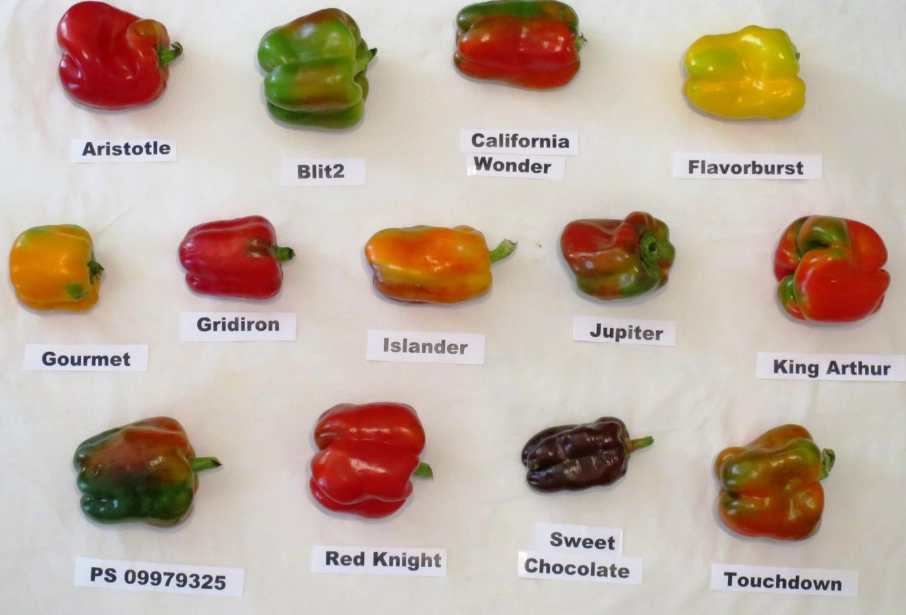
Nutritional Showdown: Which is Healthier?
Both are packed with nutrients, but ripeness plays a bigger role than type. Ripe peppers (red, yellow, orange) generally have more vitamins and antioxidants than green ones. Let's compare based on data from the USDA National Nutrient Database—I'm not linking directly here, but you can search for 'USDA bell peppers nutrition' to verify.
| Nutrient (per 100g raw) | Green Bell Pepper | Red Bell Pepper | Sweet Pepper (e.g., Pimiento) |
|---|---|---|---|
| Calories | 20 kcal | 31 kcal | 28 kcal |
| Vitamin C | 80.4 mg | 127.7 mg | 110 mg (approx) |
| Vitamin A | 18 µg | 157 µg | 140 µg (approx) |
| Sugar | 2.4 g | 4.2 g | 3.5 g (approx) |
Red bell peppers win for Vitamin C and A, thanks to full ripening. Sweet peppers like pimientos are similar but may vary. The takeaway? Color matters more than the 'sweet' vs 'bell' label. For a health boost, go for vibrant red or orange peppers—they're loaded with beta-carotene and antioxidants.
I recall a friend who only ate green bell peppers thinking they were healthier, but switching to red ones gave her more flavor and nutrients. It's a subtle shift that makes a difference.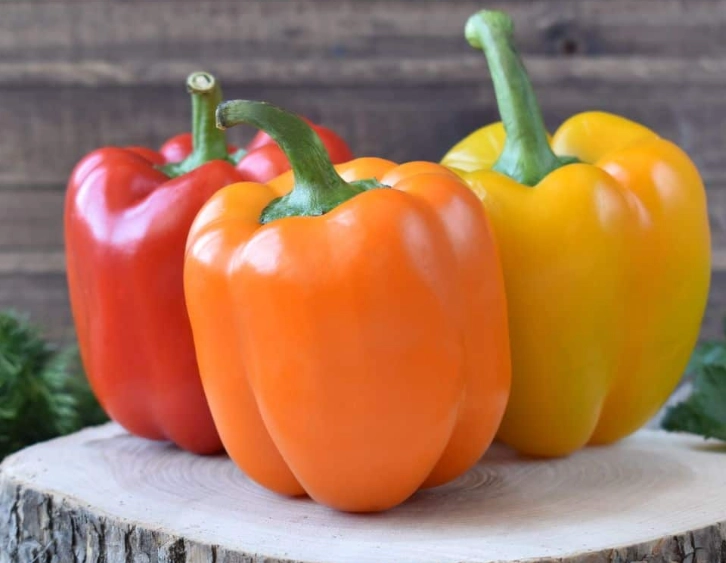
Cooking Uses: Where Each Pepper Shines
This is where the rubber meets the road. Your choice can make or break a dish.
Best Uses for Bell Peppers
Bell peppers excel in applications where structure and crunch are key. Their thick walls hold up well to high heat.
- Stuffed peppers: The classic—hollow them out and fill with rice, meat, or beans. Green bells are firmer, while red/yellow ones add sweetness.
- Stir-fries and fajitas: Slice them into strips; they stay crisp and add a juicy bite. I prefer red bells here for color and sweetness.
- Raw in salads: Dice them for crunch. Green ones can be slightly bitter, so I lean toward yellow or orange for a milder taste.
Best Uses for Other Sweet Peppers
These are thinner and often sweeter, perfect for quick cooking or raw dishes where tenderness is desired.
- Banana peppers: Great pickled for sandwiches or pizzas. They have a tangy sweetness that brightens up dishes.
- Pimientos: Soft and sweet, ideal for blending into sauces or stuffing olives. I've used them in cheese spreads—they melt beautifully.
- Cherry peppersSmall and round, excellent for roasting whole or adding to antipasti platters.
Pro tip from my kitchen: If a recipe calls for 'sweet peppers' and you're not sure, default to bell peppers for crunch or banana peppers for sweetness. But taste as you go—sometimes the variety affects cooking time. Thin-walled peppers can turn mushy if overcooked.
Common Mistakes and Expert Tips
After years of cooking, I've seen people stumble on a few things. Here's how to avoid them.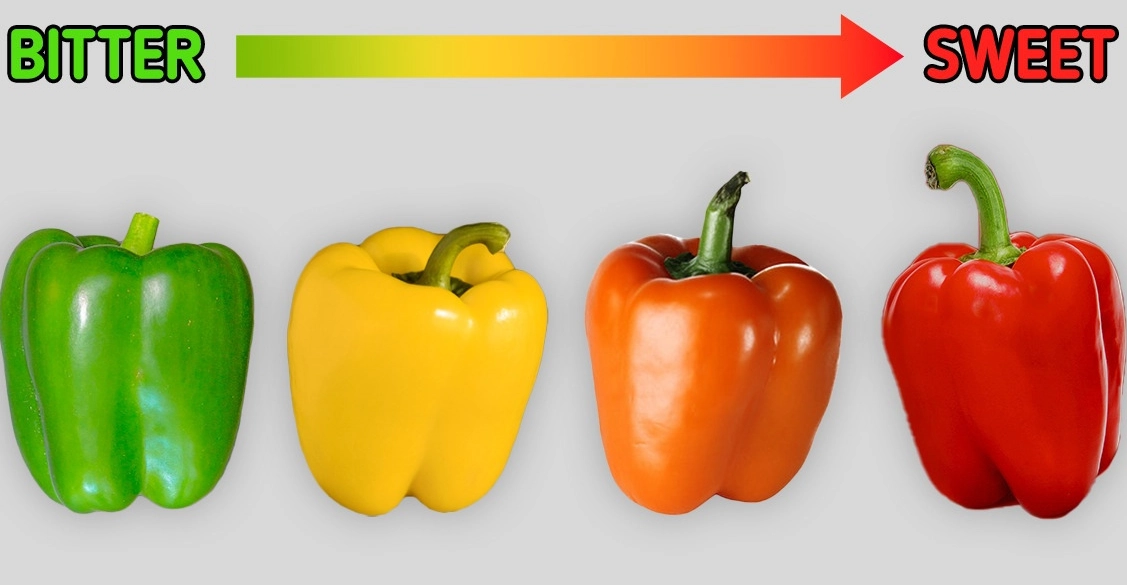
Mistake 1: Assuming all peppers are interchangeable in raw salads. Bell peppers give a hearty crunch, while sweet peppers like banana peppers are softer. If you want texture, stick to bells; for a tender bite, go for other sweets.
Mistake 2: Overcooking thin-walled sweet peppers. They cook faster than bell peppers. I once ruined a sauté by adding them too early—they turned to mush. Add them toward the end of cooking.
Mistake 3: Ignoring color cues. Green peppers are less ripe and can be bitter. For sweeter dishes, choose red, yellow, or orange varieties. This applies to both bell and sweet peppers.
Storage is another area where people slip up. Keep peppers in a crisper drawer in the fridge, loosely wrapped in a paper towel. They last about a week. Don't wash them until ready to use—moisture speeds up spoilage. I learned this the hard way when a batch went slimy after two days.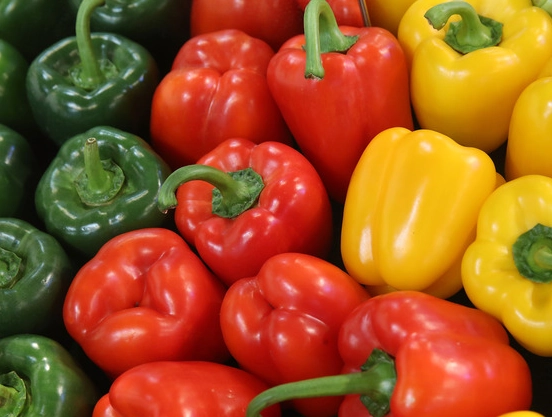
Frequently Asked Questions
Wrapping up, the sweet peppers vs bell peppers debate boils down to specifics. Bell peppers are your go-to for crunch and structure, while other sweet peppers offer tenderness and nuanced sweetness. Next time you're at the store, check the shape and color—not just the label. Your recipes will thank you.
Reader Comments