What You'll Find in This Guide
Pick cucumbers too early, and they're bland and seedy. Wait too long, and they turn bitter and yellow. I learned this the hard way when my first garden yielded a batch of inedible, oversized cukes. After a decade of trial and error, I've nailed down the exact cues for harvesting cucumbers at their peak. Let's cut through the guesswork.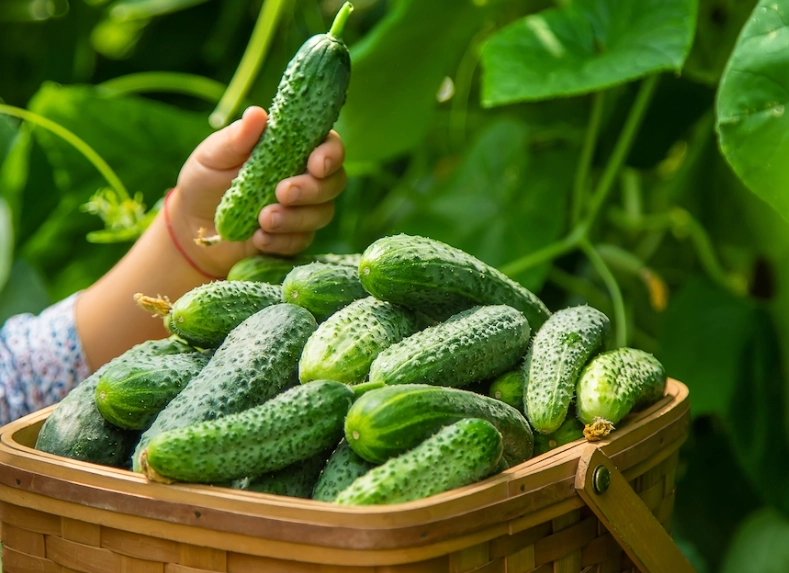
The short answer: you pick cucumbers when they're firm, bright green, and about 6 to 8 inches long for most slicing varieties, typically 50 to 70 days after planting. But timing varies wildly based on type, weather, and even your watering schedule. This guide dives into the specifics most blogs gloss over.
How to Tell When Cucumbers Are Ready to Pick
Forget the calendar. Rely on these physical signs instead. I once followed a generic "60-day" rule and ended up with cucumbers that tasted like soap. Here's what actually works.
Visual Signs You Can't Miss
Look for a uniform dark green color. Any yellowing at the blossom end means overripeness. The skin should be smooth, not wrinkled. For pickling cucumbers, they're ready at 2 to 4 inches—once they start bulging, they're past prime. A subtle sheen on the skin indicates freshness, but a dull appearance suggests aging.
Size matters, but it's not everything. Check the seed packet for variety-specific lengths. English cucumbers often need 12 inches, while lemon cucumbers are ripe at golf-ball size. I keep a ruler in my garden kit because eyeballing it led to inconsistencies.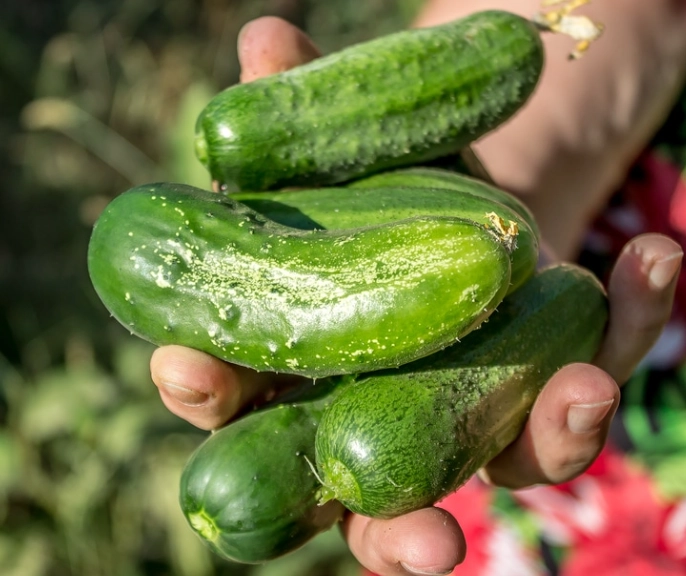
The Touch and Snap Test
Gently squeeze the cucumber. It should feel firm with a slight give, not soft or mushy. Overripe ones feel spongy. Then, try bending it near the stem. A ripe cucumber will snap off cleanly with a crisp sound. If it bends without breaking, it's not ready. This snap test saved my harvest last summer when visual cues were tricky due to cloudy weather.
Pro tip: Watch the spines. Many cucumbers have tiny spines that wear off as they mature. If they rub off easily, it's harvest time. This little-known indicator comes from old-school farmers and rarely appears online.
The Best Time of Day and Season for Harvesting
Harvest in the early morning, just after dew dries. Cucumbers are crispest then because they've absorbed overnight moisture. I used to pick them in the afternoon and wondered why they wilted so fast. Heat stress causes bitterness—the University of California's Agriculture and Natural Resources notes that high temperatures can increase cucurbitacin, the compound that makes cucumbers bitter.
During peak season, check plants daily. Cucumbers grow rapidly, sometimes an inch per day in hot weather. Miss a day, and you might get a monster cuke. My record was a 14-inch cuke I overlooked; it was pure seed and tasted awful.
Seasonally, in most temperate zones, harvesting runs from mid-summer to early fall. But in warmer climates like the South, you might start in late spring. Use this table as a rough guide, but always prioritize the signs above.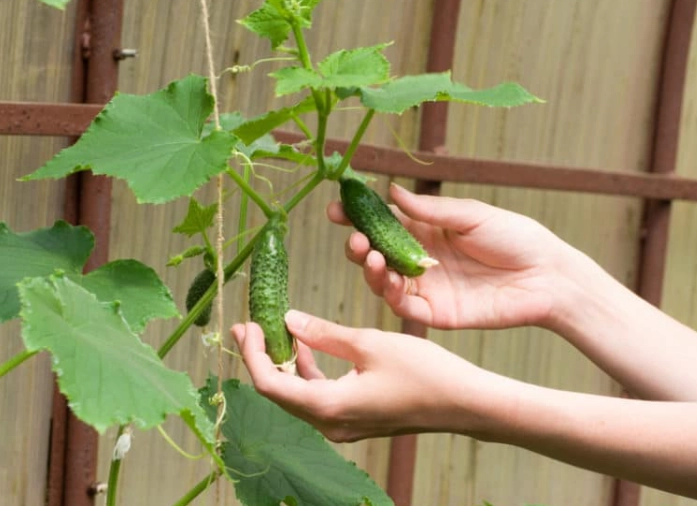
| Cucumber Type | Typical Ready Time After Planting | Ideal Length for Harvest | Peak Season Months |
|---|---|---|---|
| Slicing Cucumbers | 55-65 days | 6-8 inches | July to September |
| Pickling Cucumbers | 50-60 days | 2-4 inches | June to August |
| English Cucumbers | 60-70 days | 10-12 inches | July to October |
| Lemon Cucumbers | 65-75 days | 2-3 inches diameter | August to September |
Weather plays a huge role. In a rainy spell, cucumbers plump up faster but may be waterlogged. During droughts, growth slows, and they might stay smaller longer. Adjust your expectations.
Common Mistakes Gardeners Make (And How to Fix Them)
Most guides repeat the same advice. Here are errors I've seen even experienced gardeners make.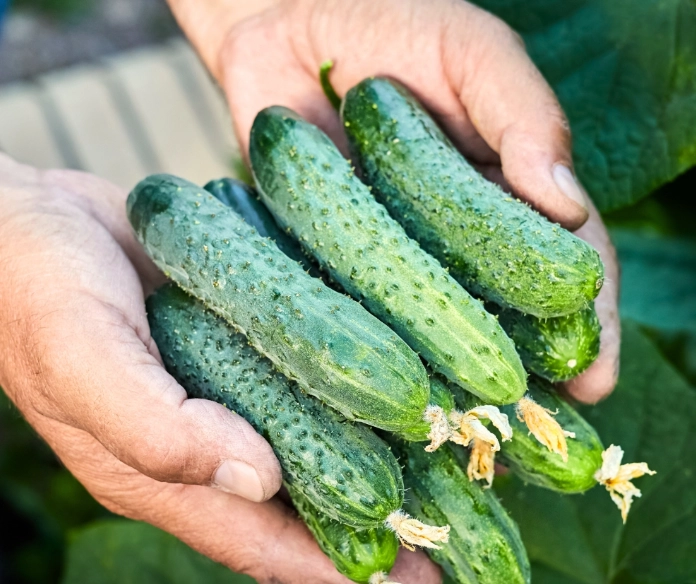
Waiting Too Long for "Bigger" Cucumbers
It's tempting to let them grow larger, but oversized cucumbers develop tough seeds and bitter flesh. Once they exceed their ideal size, quality plummets. I've tossed many giants into the compost because they ruined salads. Harvest promptly to encourage more fruit production—plants stop yielding if old fruits linger.
Picking at the Wrong Time of Day
Afternoon harvesting seems convenient, but cucumbers are dehydrated and more prone to bitterness. I tested this: morning-harvested cukes stayed crisp for days, while afternoon ones softened in hours. Stick to mornings, or if you must, late evening after the sun sets.
Watch out: Avoid harvesting right after watering. Wet cucumbers are more susceptible to mold and rot during storage. Wait a few hours for the surface to dry.
Ignoring Plant Health Signs
If leaves are yellowing or vines are stressed, harvest immediately even if cucumbers seem small. Stressed plants produce bitter fruits. Last year, my cucumbers got vine borers, and the remaining fruits turned bitter overnight. Salvage what you can before the plant declines.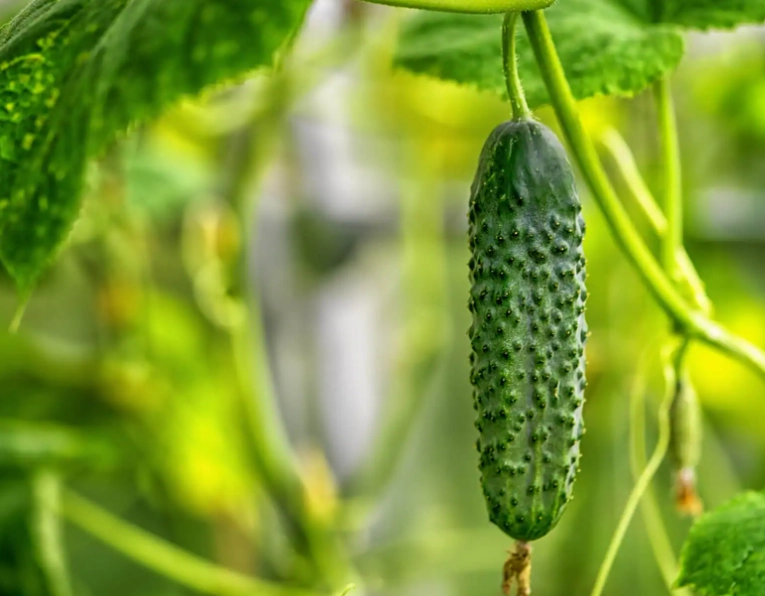
A Step-by-Step Harvesting Process
Don't just yank cucumbers off the vine. Here's a method that minimizes damage and maximizes yield.
First, sanitize your tools. I use pruning shears or a sharp knife, wiped with rubbing alcohol to prevent disease spread. Hand-picking can work, but tools give cleaner cuts.
Locate the stem about a quarter-inch above the cucumber. Cut or snap it there, leaving a small stub. Avoid pulling on the vine, which can damage nearby flowers and young fruits. I once tore a vine and lost three promising cucumbers.
Handle cucumbers gently. Bruising leads to soft spots and faster spoilage. Place them in a basket or container lined with a towel. Don't pile them high—weight crushes the bottom ones.
Inspect each cucumber as you go. If you see pests or rot, remove and discard them away from the garden to prevent spread.
After harvesting, check the plant. Remove any overripe or damaged fruits you missed. This encourages new growth. I usually spend an extra five minutes tidying up, and it boosts production by maybe 20%.
What to Do After You Pick Cucumbers
Harvesting is half the battle. Storage matters just as much.
Wash cucumbers gently in cool water to remove dirt, but don't scrub. Pat them dry with a cloth. Moisture invites mold. I used to skip drying and ended up with slimy cukes in the fridge.
Store them in the crisper drawer of your refrigerator, ideally at 45-50°F. The National Center for Home Food Preservation recommends using cucumbers within a week for best quality. For longer storage, consider pickling—that's a whole other topic, but it's why cucumbers often tie into summer recipes.
If you have a surplus, share them fresh. Cucumbers don't freeze well raw, but you can slice and blanch them for later use in cooked dishes. Honestly, I prefer eating them within days for that crisp crunch.
For seed saving, let a few cucumbers mature fully on the vine until they're yellow and hard. Scoop out seeds, ferment them in water for a few days, then dry. This ensures next year's crop, but it's a niche practice most home gardeners overlook.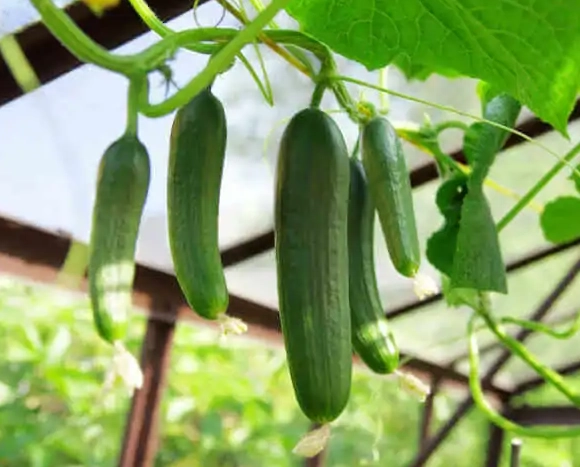
Reader Comments