Here’s the thing about picking butternut squash. Everyone talks about “after the first frost” or “100 days from planting.” I followed that advice for years and ended up with bland, watery squash some seasons and nearly rotten ones others. The truth is, harvesting butternut squash at the perfect time has very little to do with dates and everything to do with reading the squash itself. Get it right, and you unlock that deep, nutty sweetness and creamy texture that makes this vegetable a fall superstar. Get it wrong, and you might as well have bought it from a supermarket in July.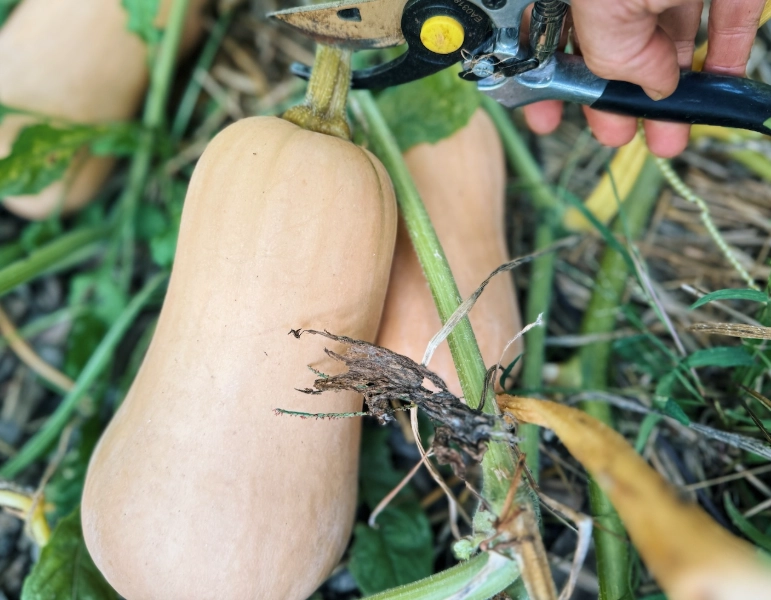
What You’ll Learn
Why Getting the Timing Right is a Game Changer
Picking a butternut squash isn't like picking a tomato. A tomato ripens off the vine. A squash? Not really. What we call “ripening” after harvest is actually “curing” – the skin hardens and some starches convert, but the complex sugar development primarily happens while it’s still connected to the vine. Pick too early, and you stop that process dead. The squash will never achieve its full potential for sweetness or that rich, almost chestnut-like flavor. It’ll taste green, be more watery, and its texture will be stringy when cooked.
On the flip side, leaving it out too long, especially in wet conditions, invites trouble. Rot sets in on the bottom where it touches damp soil. Pests like squash bugs or rodents might find it. A hard freeze can damage the cells, leading to rapid spoilage in storage. Timing is the bridge between a successful grower and a successful eater.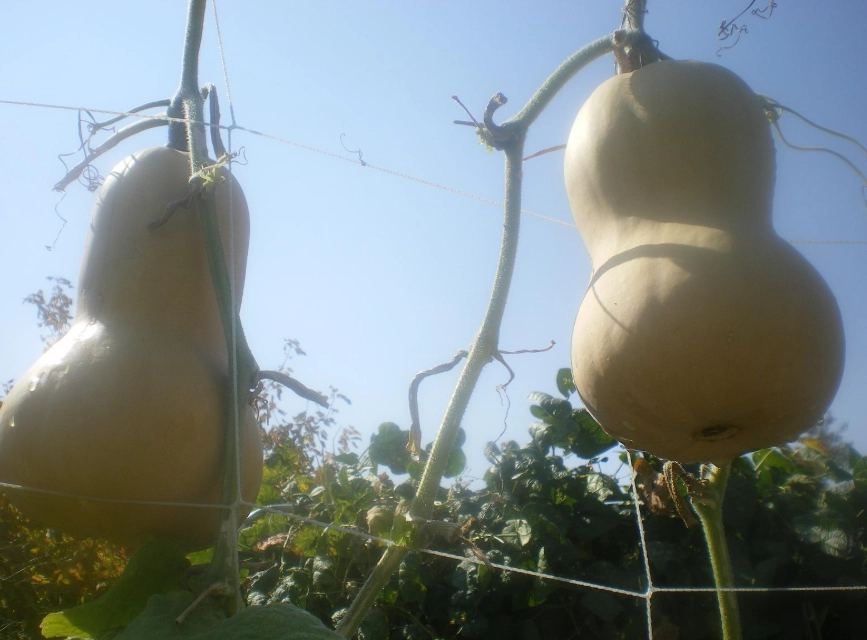
The Goal: Harvest when the squash has reached maximum physiological maturity (it won't get any bigger or develop more sugars on the vine) but before the elements or pests ruin it. This window is usually about 2-3 weeks in late summer to mid-fall, depending on your climate.
How to Tell if a Butternut Squash is Ripe: The 4-Point Checklist
Forget the days-to-maturity on the seed packet. Your squash will tell you when it's ready. You need to use your eyes, hands, and even ears. Here’s the checklist I’ve developed after more than a decade of growing them.
1. The Color Test (The Most Reliable Sign)
A ripe butternut squash has a uniform, deep tan or beige skin. The green streaks or mottling you saw all summer should be completely gone. The color should look solid, not pale or washed out. There’s a subtle difference between “starting to turn tan” and “fully tan.” Wait for the full, rich color. The area that was resting on the ground (the “ground spot”) will often be a lighter yellow or cream color, and that’s perfectly fine.
2. The Stem and Vine Check
Look at the stem (the part connecting the squash to the vine). When the squash is mature, this stem starts to dry out, harden, and turn from a vibrant green to a corky, woody brown. It may even begin to crack. This is the plant naturally severing the connection. Also, check the vine leading to the squash. It often starts to wither and die back when the fruit is ready. Don't harvest just because the main vine is dying, but it's a supporting clue.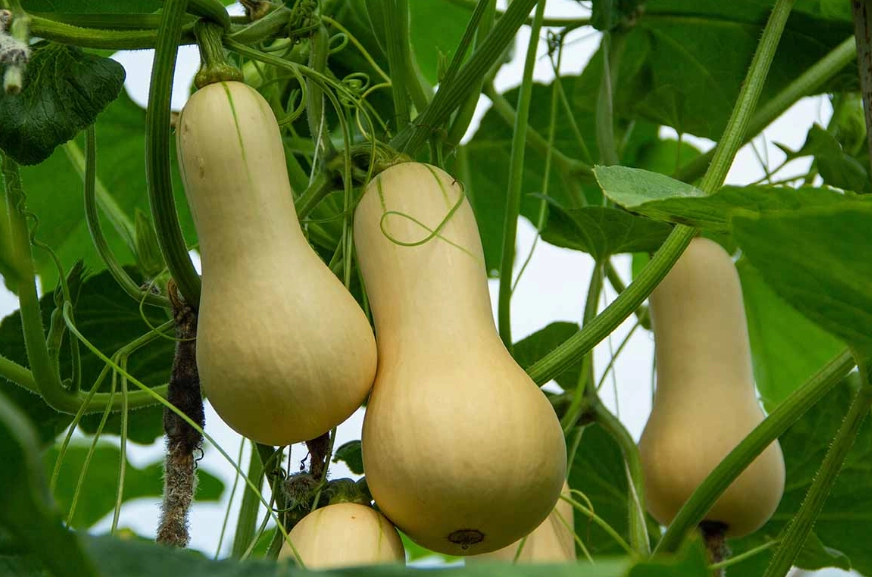
Common Pitfall: Many gardeners see the vine turning brown and panic, thinking they must harvest immediately. Often, the vine dies back while the squash itself needs another week or two on the ground to fully color up. Let the squash, not the vine, be your primary guide.
3. The Thumbnail Test (Skin Hardness)
This is crucial. The skin of a mature butternut squash is incredibly tough. Try to pierce it with your thumbnail. If your nail sinks in easily or leaves a deep dent, it’s not ready. The skin should be so hard that you cannot puncture it without serious effort. It should feel like a hard-shell suitcase, not a pumpkin. This hardened skin is what allows it to store for months.
4. The Sound Test (The Pro Trick)
This one feels silly but works. Give the squash a firm tap with your knuckle. An immature squash will sound dull and solid, like thumping a piece of wood. A fully mature, ripe squash will have a slightly hollow resonance to it. It’s a subtle difference, but once you hear it, you’ll know. It sounds more “ripe.” Combine this with the other tests for confidence.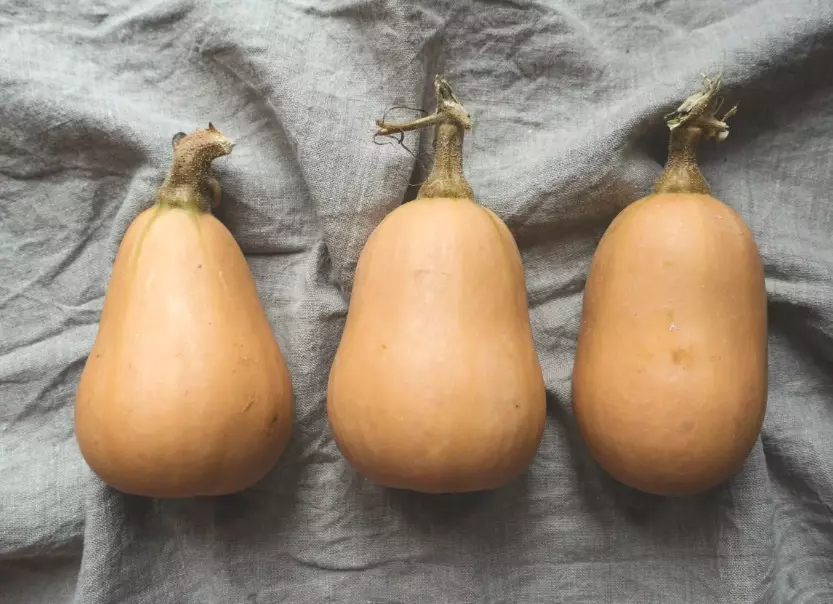
The Right Way to Harvest and Handle Your Squash
You’ve determined it’s ripe. Now, don’t ruin it by yanking it off the vine.
- Use the right tool: Never twist or pull the squash off. You’ll damage the stem and create a wound for rot. Use a pair of sharp, clean pruning shears or a sturdy knife.
- Leave a handle: Cut the stem, leaving a good 2 to 3 inches attached to the squash. Think of this stem piece as a natural “cork” that protects the flesh from bacteria and fungi during storage. A squash with a broken-off stem won’t last nearly as long.
- Handle with care: Treat them like eggs. Avoid bruising, cuts, or punctures. Never carry them by the stem—it might snap off. Use both hands to support the body of the squash.
I harvest on a dry, sunny day if possible. Moisture on the skin at harvest time can encourage mold. If the weather has been wet, wipe the squash gently with a dry cloth before moving on to the next step.
What to Do After Picking: Curing and Storage Secrets
Harvesting isn't the finish line. This next step, “curing,” is what turns your harvest into a winter-long pantry staple.
Curing is a 10-14 day process where the squash sits in a warm, dry, well-ventilated spot (like a garage, covered porch, or sunny room). Ideal temperature is 75-85°F (24-29°C). During this time, three things happen:
- The skin hardens further into a protective shell.
- Minor scratches and bruises heal over.
- Some residual starches convert to sugars, slightly improving flavor.
Arrange them so they don’t touch each other, allowing air to circulate. After curing, they’re ready for long-term storage.
Storage requires a complete shift in conditions. Now you want cool, dark, and dry. The perfect spot is a basement, root cellar, or unheated spare room where temperatures stay between 50-55°F (10-13°C) with about 50-70% humidity. Sources like the University of Minnesota Extension emphasize that temperatures below 50°F can cause chilling injury, while above 60°F encourages sprouting and dehydration.
Store them on a shelf or rack, again not touching. Check them every couple of weeks and use any that show soft spots first. A properly cured and stored butternut squash can easily last 3-4 months, often longer.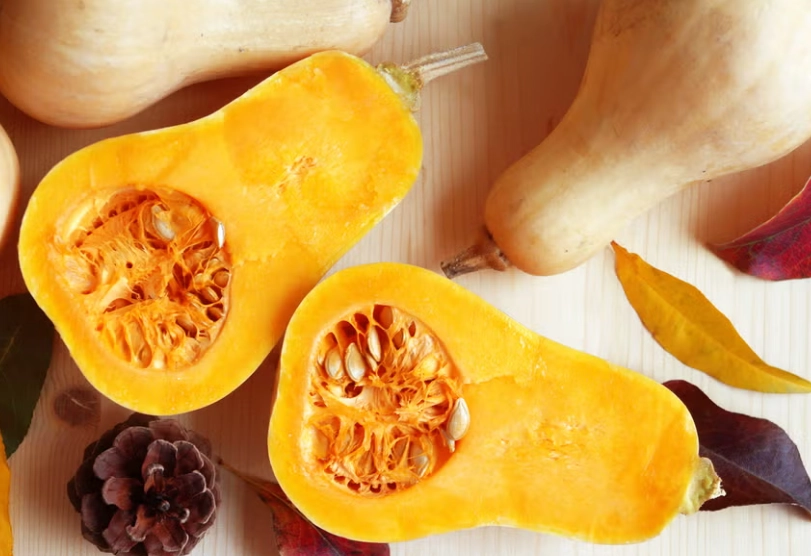
The One Mistake Almost Everyone Makes (And How to Avoid It)
The single biggest error I see is impatience. It’s the urge to harvest “because it looks big enough” or “because it’s September.” That leads to picking based on size or date alone, ignoring the color and skin hardness tests.
A huge, pale green squash picked in early September will be a culinary disappointment. A smaller, fully tan, rock-hard squash picked in mid-October will be transformative. Trust the checklist, not the calendar. If you’re unsure, give it another week. A week of extra “on-vine” time does more for flavor than a month of indoor storage.
The second mistake is improper stem handling. That broken stem is an open door. It’s the difference between a squash that lasts until January and one that’s mushy by Thanksgiving.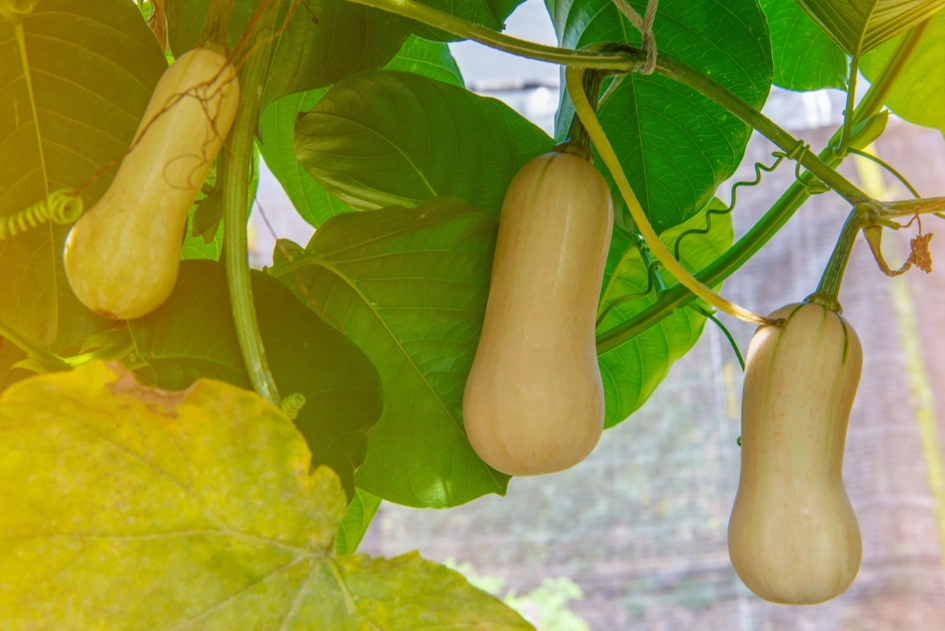
Your Butternut Squash Harvest Questions, Answered
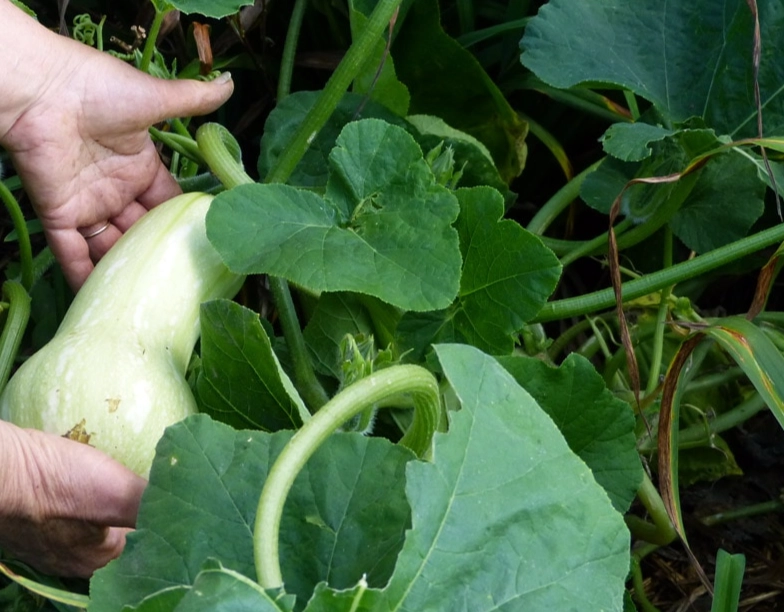 What's the difference between a squash ripening on the vine vs. indoors?
Reader Comments