I brought home a beautiful butternut squash last fall, full of plans for a rich soup. When I cut into it, the flesh was pale, hard, and tasted about as exciting as a mouthful of chalk. It was completely unripe. I'd made the classic mistake of judging a squash by its shape alone, not knowing how to tell if it was ready.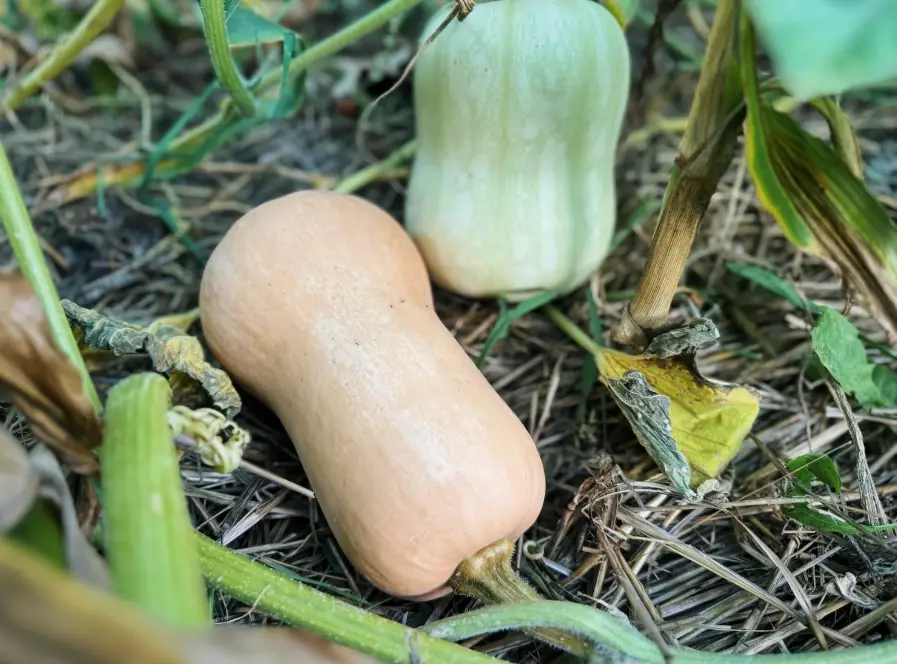
That experience sent me down a rabbit hole. I talked to farmers at my local market, experimented with half a dozen squashes on my counter, and learned the hard way that refrigeration is the enemy. Turns out, ripening—or more accurately, curing—a butternut squash is simple, but most advice skips the crucial details that make the difference between a bland dud and a sweet, flavorful success.
What You'll Learn in This Guide
How to Spot a Truly Ripe Squash (Before You Buy)
This is the most important step. A squash picked too green will never develop the deep, nutty sweetness we love, no matter how long you leave it out. Here’s what to look for: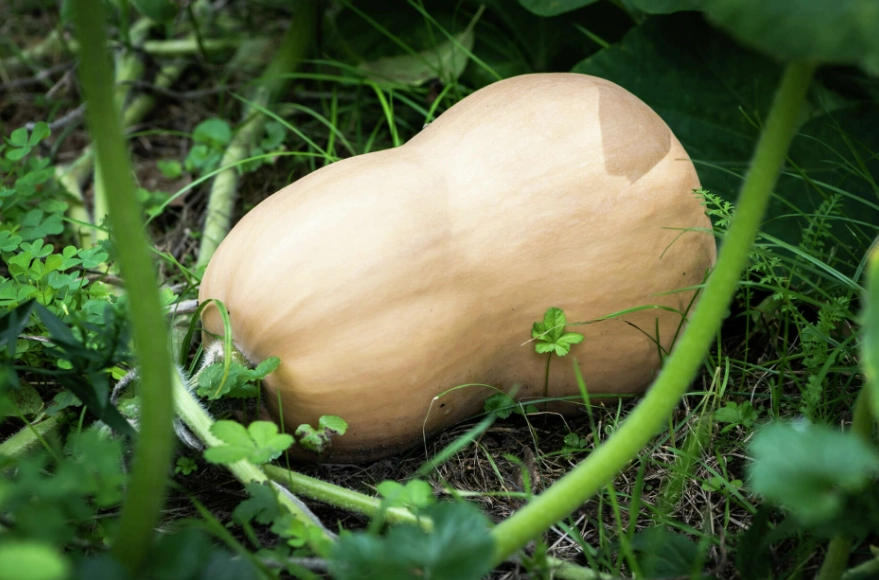
The Stem is Key: Forget the skin color for a second. Look at the stem. It should be completely dry, corky, and brown, not green or soft. If the stem snaps off easily, it was harvested too early and won't ripen well.
Skin Texture: The rind should be very hard, like a shell. Your fingernail shouldn't leave a mark. A ripe squash will have a matte finish, not a shiny one. Shiny skin often means immaturity.
Color Consistency: A classic ripe butternut has a uniform tan or buff color. Deep green streaks are a sign it's not ready. However, some heirloom varieties have different colors, so rely more on stem and hardness.
The Sound Test: Give it a gentle tap. A ripe, solid squash will have a dull, hollow thud. A higher-pitched, tighter sound can indicate it's not fully matured inside.
The Right Way to Ripen a Whole Squash on the Counter
Let's be precise. When you bring an uncut squash home, you're not really ripening it (that process stops when it's cut from the vine). You're curing it. Curing finishes the job, hardening the skin for storage and allowing those last internal starches to sweeten up.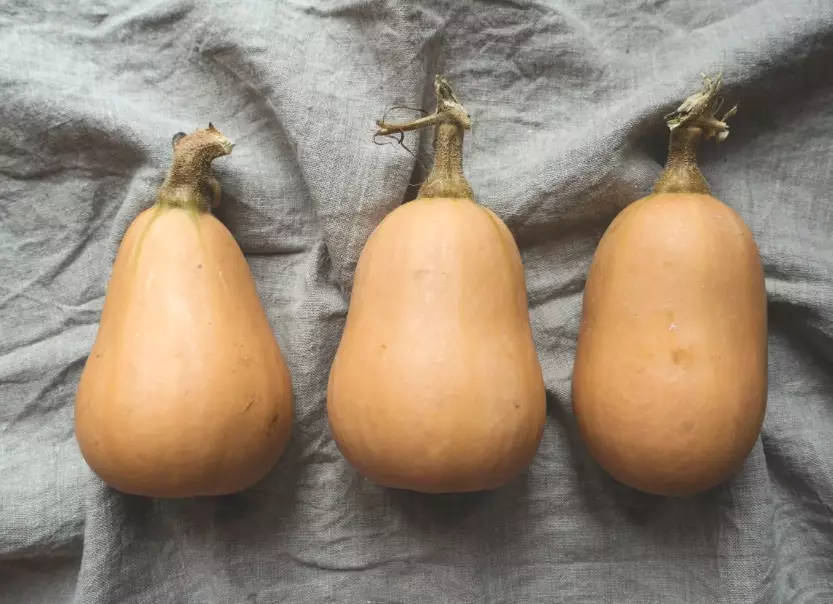
Location, Location, Location: Find a warm spot in your kitchen. A counter away from direct sunlight is perfect. Aim for a temperature between 70-80°F (21-27°C). Avoid cold drafts from windows or placing it near the stove where heat is excessive.
Give it Space: Don't pile squashes in a bowl or basket where they touch. Place them with a few inches of space between each other for good air circulation. This prevents moisture buildup and rot.
The Timeline: Patience is non-negotiable. A mature squash needs 1-2 weeks to cure properly. One that was picked very early might need 3-4 weeks, and even then, it may never reach its full potential. Check it weekly. It's ready when the stem is fully corky and the skin is impossibly hard.
Emergency Fix: What to Do If You've Already Cut It Open
So you got excited and sliced into a squash only to find pale, firm, tasteless flesh. Don't throw it out. You can salvage it.
You can't cure it in the traditional sense, but you can encourage the cut pieces to sweeten and soften through a method I call “counter aging.”
- Wrap Tightly: Take the cut halves or pieces and wrap them tightly in plastic wrap. The goal is to minimize exposure to air, which causes drying and oxidation.
- Place Cut-Side Up: Put the wrapped pieces on a plate, cut-side facing up. This lets any residual moisture settle in the flesh, not pool on the skin.
- Wait Patiently: Leave them on the counter for 3 to 5 days. Peek after day 3. You'll notice the flesh becoming slightly softer and turning a deeper orange. The raw, starchy taste will mellow.
After this waiting period, you can cook with it. Roasting will still be your best friend here, as the dry heat caramelizes the new sugars. The texture might be a bit softer than a perfectly cured squash, but the flavor will be worlds better than when you first cut it.
How to Store Squash for Months of Good Eating
Once your squash is fully cured (hard skin, corky stem), you can move it to long-term storage if you're not ready to eat it. This is how people kept squash through the winter before refrigerators.
The Ideal Environment: You want a spot that is cool, dark, and well-ventilated. Think a basement, a root cellar, or an unheated garage (as long as it doesn't freeze). The perfect temperature range is 50-55°F (10-13°C) with 50-70% humidity.
Keep Them Apart: Just like during curing, don't let the squashes touch. Store them on a shelf or in a single layer in a crate. Check on them monthly for soft spots.
How Long Will They Last? A properly cured and stored butternut squash can easily last 3 to 6 months. I've eaten squash in March that I bought in October, and it was still fantastic.
What about after you've cut it? That's a different story. Wrap the unused portion tightly in plastic wrap and store it in the refrigerator. Use it within 5-7 days. For longer storage, peel, cube, and freeze it on a baking sheet before transferring to a freezer bag. It'll keep for up to a year, though the texture will be best in soups and purees after freezing.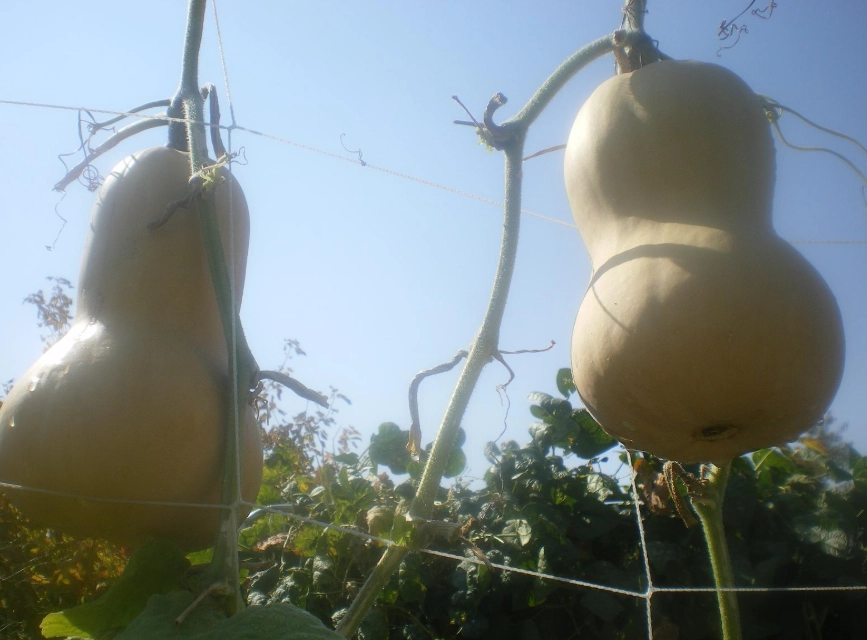
Your Butternut Squash Questions, Answered
Can you ripen a butternut squash after it's been cut?
How long does it take for a butternut squash to ripen on the counter?
What's the best way to store a ripe butternut squash?
Can you eat a butternut squash that isn't fully ripe?
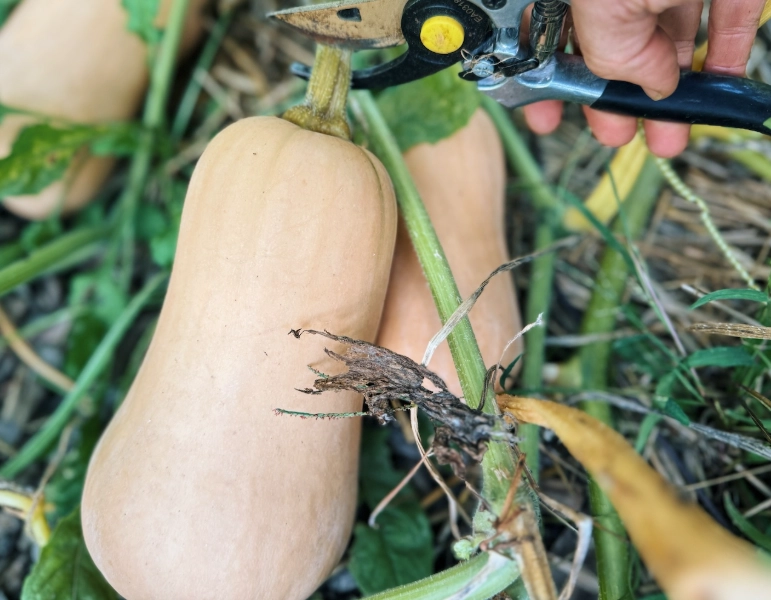 The bottom line is this: treat a butternut squash less like a tomato (which ripens dramatically) and more like a fine cheese that needs to age. Give it warmth, air, and time. Start with the right specimen by checking that stem. And never let a cut squash go to waste—a few days on the counter can work minor miracles. Now go find a good squash and let it become the best version of itself.
Reader Comments