Your Asparagus Growing Roadmap
- Before You Even Start: The Mindset and Planning Phase
- Stage 1: Groundwork and Planting (The Make-or-Break Start)
- Stage 2: The Patient Establishment Years (Years 1 & 2)
- Stage 3: The First Taste & Controlled Harvest (Year 3)
- Stage 4: Full Production and Mature Care (Year 4 Onward)
- Common Problems and How to Solve Them (Before They Solve You)
- Your Asparagus Growing Stages Questions, Answered
- Putting It All Together: A Quick-Reference Timeline
Let's be honest, the idea of planting asparagus can feel a bit intimidating. You hear things like "don't harvest for three years" and your mind immediately jumps to all the things that could go wrong in that time. I felt exactly the same way when I put in my first bed. But after years of doing it (and making more than a few mistakes), I can tell you that understanding the distinct stages of growing asparagus completely changes the game. It's not magic, it's just a process. A long-term one, sure, but one that pays off more reliably than almost any other vegetable in your garden.
This isn't a crop you just toss seeds at and hope for the best. It's an investment. Think of it like planting a fruit tree, but instead of apples, you get those tender, sweet spears straight from your backyard. The key is knowing what to expect in each phase, from that first moment you plant a gnarly-looking crown to the glorious day you snap off your first full-season spear. So, if you're ready to move past the intimidation and get to the rewarding part, let's walk through the whole journey, step by messy, wonderful step.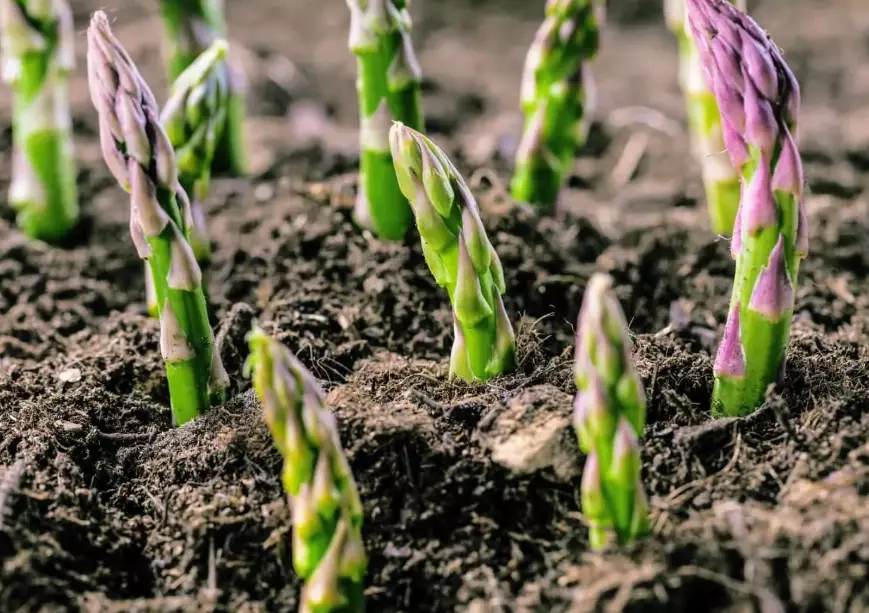
Before You Even Start: The Mindset and Planning Phase
This might be the most important stage, and most guides gloss right over it. Growing asparagus is a commitment. You're picking a spot in your garden that will be dedicated to this one plant for potentially decades. That changes how you think about your garden layout. I learned this the hard way when I planted my first bed in a spot I later wanted to expand my patio. Oops.
You need to ask yourself some questions. Is this a sunny spot? I mean, really sunny—like 8 hours minimum. Asparagus is a solar-powered spear factory. Is the soil decent? It doesn't have to be perfect on day one (we'll fix it), but it shouldn't be pure clay or a swamp. And finally, are you ready to wait? The first real harvest is years away. If you need instant gratification, grow radishes. But if you want a legacy crop, you're in the right place.
Choosing Your Champions: Crowns vs. Seeds
Here's a major fork in the road. You can start from seed, which is cheaper but adds a full extra year to your timeline. Or you can plant one-year-old crowns, which is what most home gardeners (including me) do to get a head start.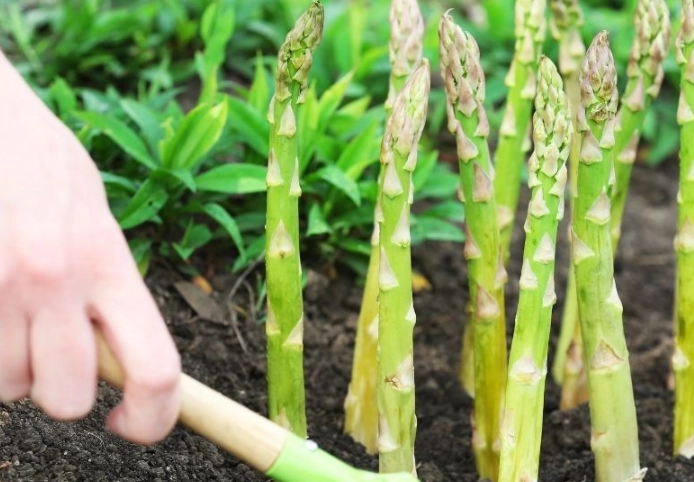
Starting from seed has its merits. You get a wider variety choice, and some argue the plants develop stronger, deeper root systems because they've never been transplanted. The University of Minnesota Extension has a great resource on starting asparagus that covers both methods. But for most people, especially first-timers, crowns are the way to go. You're buying time.
When selecting crowns, don't go for the biggest, fattest ones in the bin. Look for crowns that are firm, grayish-brown, and have plenty of thick, healthy-looking roots. They should look dormant, not mushy or moldy. I've bought crowns online and from local nurseries, and honestly, a reputable local source often gives you healthier stock that's already acclimated to your area.
Stage 1: Groundwork and Planting (The Make-or-Break Start)
This is where you set the foundation for the next 20 years. Skimp here, and you'll fight poor yields forever. I'm not exaggerating.
The goal is to create a deep, rich, well-drained home for the roots. Asparagus roots love to stretch down deep. Here's the non-negotiable to-do list:
- Dig a Proper Trench: We're talking 12 to 18 inches deep. Yes, that's a lot of digging. A narrow trench about a foot wide is fine. Put the topsoil you remove on a tarp to one side, and the subsoil on another. You'll use the good topsoil later.
- Build a Mound: In the bottom of your trench, create a small mound of loose soil or a compost-soil mix every 18 inches. This is where the crown will sit, letting its roots drape down over the sides of the mound.
- Plant the Crowns: Place each crown on its mound, spreading the roots out like an octopus. The bud (or "eye") should be pointing up. Then, cover the crowns with just 2-3 inches of your reserved topsoil.
Wait, that's it? Only a few inches of soil? Yep. Here's the trick: as the spears start to grow through that soil, you'll gradually fill in the trench with more soil over the next few weeks. This buries the crown deeper over time, which is how it wants to grow. If you bury it too deep all at once, it can rot.
Spacing is critical. Most varieties need 18 inches apart in the row, with rows 4-5 feet apart. It seems like a waste of space when you plant them, but in three years, you'll be grateful for the room. Crowded asparagus makes thin, spindly spears.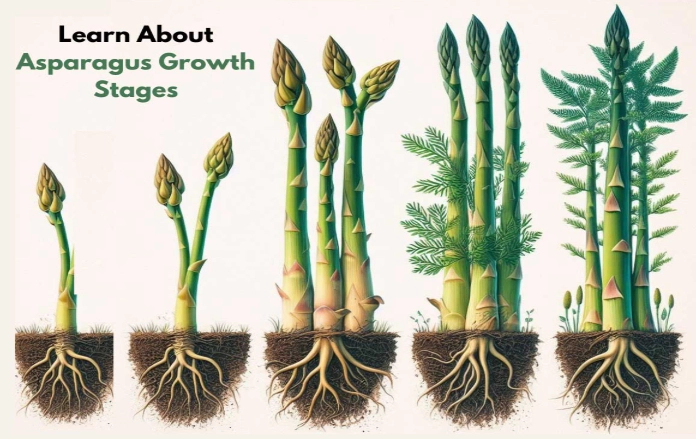
Stage 2: The Patient Establishment Years (Years 1 & 2)
This is the test of your willpower. You will see spears. Beautiful, tempting spears. And you must let them grow. Do not harvest them. I know, it's hard.
In the first year, the plant's entire job is to build its root system, its energy storage bank. Those spears you see will grow tall and fern out. This fern stage is not just decoration; it's the plant's solar panel. The ferns photosynthesize sunlight and send energy down to the crown to build it up for next year. If you cut the spears, you're stealing that energy.
Your job during these establishment years is simple but important:
- Water Consistently: Keep the soil evenly moist, especially in the first few months after planting and during dry spells. Deep, infrequent watering is better than daily sprinkles.
- Weed Relentlessly: Asparagus hates competition, especially from perennial weeds. Hand-pull carefully to avoid damaging the shallow new roots. Mulching heavily with straw or shredded leaves after the soil warms up is a lifesaver.
- Feed Gently: In early spring and again after the ferns have grown tall, side-dress with a balanced, slow-release organic fertilizer or a good layer of compost. Don't overdo it with high-nitrogen fertilizers; you want strong roots, not just lush ferns.
- Let the Ferns Stand: Do not cut down the ferns in the fall until they are completely yellow and brown. That's the plant pulling the last nutrients back into the crown. I usually wait until after a few hard frosts, then cut them down to ground level and compost them (if they are disease-free) to help break the pest and disease cycle.
Year two is largely a repeat of year one. You might get even more, bigger spears. Let them all go to fern. The crown is still building strength. Think of these as the teenage years for your asparagus—it's growing fast but not yet ready to support a family of harvests.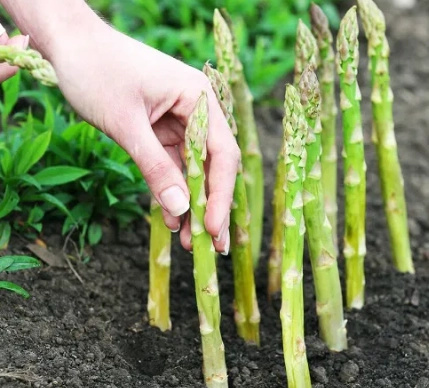
Stage 3: The First Taste & Controlled Harvest (Year 3)
Finally! The third spring after planting is when you get your first real reward. But even now, you have to be disciplined. This is a trial harvest, not a free-for-all.
The rule of thumb for year three: harvest for 2 to 4 weeks only. Watch the spears. When they start to come up thinner than a pencil, that's your cue to stop. Immediately. Then let all subsequent spears grow into ferns to recharge the plant.
How do you harvest correctly? Don't cut. Snap. Bend the spear near the base until it breaks naturally. It will snap at the exact point where the tender part meets the tough, fibrous part. This method is foolproof and prevents you from accidentally damaging new spears that are still underground, which can happen if you use a knife. Just grab it low and bend—it's very satisfying.
This controlled harvest in year three is the final tune-up for the plant. It signals to the crown that it's time to shift energy into spear production, but without overtaxing it. If you go for a full harvest too soon, you risk stunting the bed permanently.
Stage 4: Full Production and Mature Care (Year 4 Onward)
Congratulations, you've reached the promised land. From the fourth year on, you can harvest for a full 6 to 8 weeks each spring. The bed is now a mature, established perennial powerhouse.
A well-maintained bed will send up spears continuously during the harvest window. You'll need to check it every day, sometimes twice a day during warm weather, as spears can grow several inches in 24 hours. Miss one, and it'll quickly turn into a fern.
The end of the harvest season isn't marked by the calendar, but by the spears themselves. Just like in year three, when the majority of new spears are thinner than a pencil, it's time to stop. This is crucial. The plant is telling you its energy reserves are getting low and it needs to grow its ferns to recharge. Listen to it.
Post-harvest care is what sets a great bed apart from a mediocre one. Once you stop harvesting:
- Fertilize: Give the bed a generous feeding with compost or a balanced fertilizer to fuel all that fern growth.
- Water: Keep it watered during the summer, especially in droughts. Those big ferns need a lot of water.
- Manage Ferns: Stake or cage tall ferns if they're prone to flopping over in storms or wind. Healthy, upright ferns mean a healthier plant.
- Fall Cleanup: Continue the routine of cutting down brown ferns in late fall to keep the bed tidy and disease-free.
This cycle—spring harvest, summer fern growth, fall dieback—repeats year after year. With proper care, the bed will actually become more productive for the next 5-10 years before eventually slowly declining.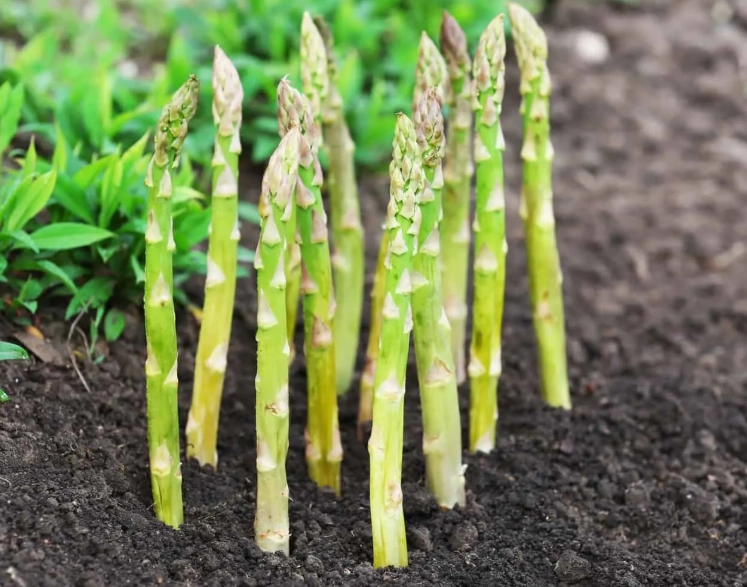
Common Problems and How to Solve Them (Before They Solve You)
No guide to the stages of growing asparagus is complete without talking about what can go wrong. Here are the big ones I've dealt with:
Asparagus Beetles: These little black and red devils and their spotted larvae will chew on ferns and spears. They're almost inevitable. Hand-picking them off into a jar of soapy water is effective for small plantings. For larger beds, neem oil or spinosad sprays can help. The key is to keep the population down so they don't severely weaken the ferns.
Rust and Fusarium Wilt: Fungal diseases that cause orange spots or wilting. Prevention is everything here. Good air circulation (from proper spacing), cleaning up fern debris in the fall, and choosing resistant varieties like 'Jersey Knight' or 'Jersey Giant' are your best defenses. The Oregon State University Extension page on asparagus has excellent, detailed information on disease management.
Thin Spears: This is usually a symptom, not a disease itself. Causes can be: harvesting for too long, not enough nutrients, overcrowding, or the bed is just getting old. Diagnose by looking at your practices. Are you stopping harvest when spears get thin? Did you fertilize? If the bed is over 15 years old, thin spears might just mean it's time to think about a new bed.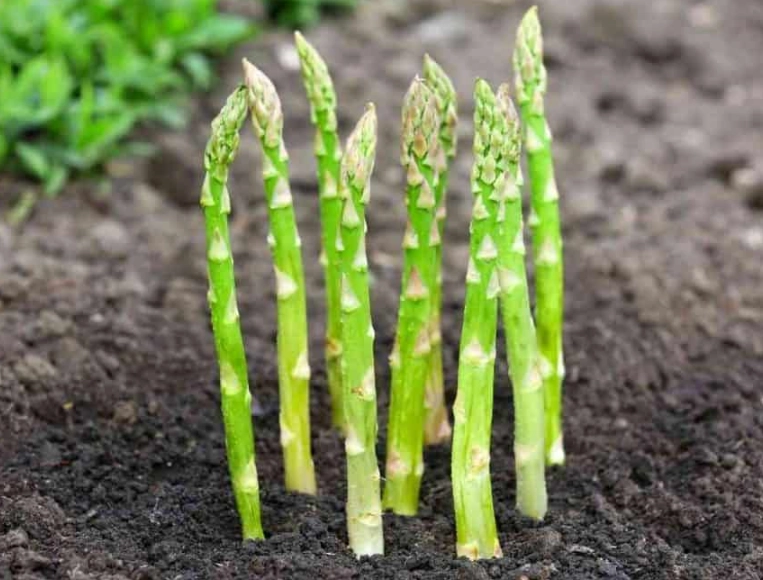
Your Asparagus Growing Stages Questions, Answered
Putting It All Together: A Quick-Reference Timeline
To make sense of the long journey, here’s a snapshot of what to focus on in each of the key stages of growing asparagus.
| Stage & Year | Key Task | What NOT to Do | Patience Level Required |
|---|---|---|---|
| Planning & Planting (Year 0) | Choose sunny site, dig deep trench, plant crowns shallowly. | Skimp on soil prep or crowd plants. | High – It's hard work now for future gain. |
| Establishment (Years 1 & 2) | Water, weed, fertilize, let ALL spears become ferns. | Harvest even a single spear. Cut green ferns in fall. | Extreme – This is the ultimate test. |
| First Harvest (Year 3) | Harvest pencil-thick spears for 2-4 weeks only. | Harvest for the full season or harvest thin spears. | Moderate – You can taste, but must still hold back. |
| Full Production (Year 4+) | Harvest for 6-8 weeks, stop when spears thin, then care for ferns. | Over-harvest, neglect summer watering/feeding. | Low – Now you just maintain and enjoy! |
Look, growing asparagus isn't for everyone. It asks for a lot of upfront work and a level of patience that's rare these days. But I can tell you from experience, there is nothing—absolutely nothing—like walking out to your garden in the dewy morning of early spring, snapping off a handful of spears that are sweeter and more tender than anything you can buy, and knowing you helped make that happen years ago.
You're not just growing a vegetable. You're establishing a piece of your garden's permanent infrastructure. You're investing in future springs. By understanding and respecting each of the distinct stages of growing asparagus, you're not just following instructions; you're learning the rhythm of a perennial plant. And once that rhythm kicks in, it rewards you, faithfully, year after year after year. It's one of the few truly set-it-and-forget-it crops in the vegetable world, but only if you put in the “set it” work correctly at the start. So, pick your spot, dig that trench deep, and get ready to play the long game. You won't regret it.
Reader Comments