You're at the farmer's market or the grocery store, faced with a pile of gorgeous plums. Some are a vibrant crimson, others a deep, almost black purple. Which do you grab? If you think it's just a color choice, you're missing the whole story. Picking the right plum can make or break your dish, your snack, even your jam. I learned this the hard way after a batch of overly tart plum sauce taught me that not all plums are created equal. Let's settle the red plums vs black plums debate once and for all.
What's Inside
Looks & Common Varieties: More Than a Hue
The names "red" and "black" are a bit of a shorthand. It's not just about the skin color, but often the flesh inside too.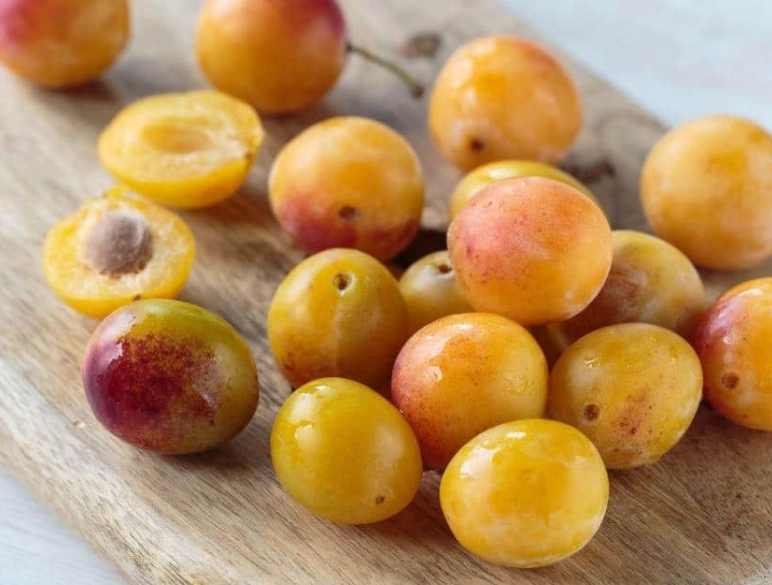
Red Plums typically have bright red or reddish-purple skin. Here's the key: their flesh is almost always yellow or golden. That contrast is a dead giveaway. You bite into a red skin and get a burst of amber flesh.
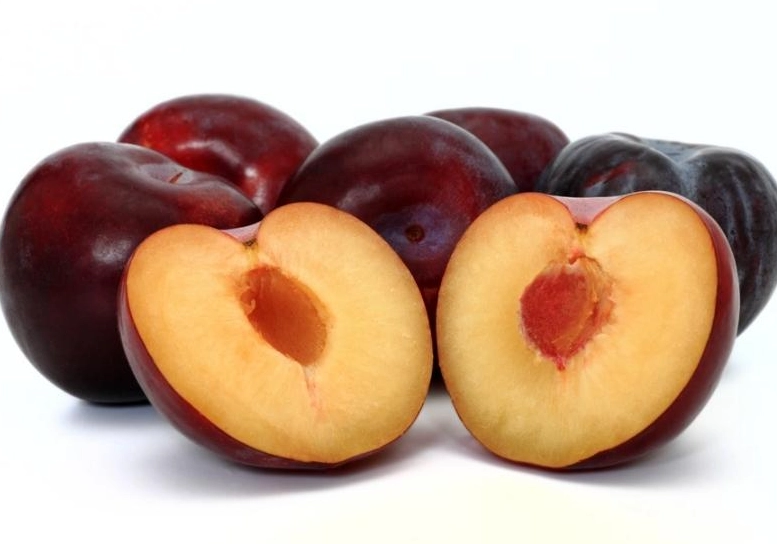
Black Plums wear a deeper, blue-purple to nearly black skin. More importantly, their flesh tends to be a deep amber, reddish, or even a similar purple hue as the skin. The color goes all the way through.
Knowing specific varieties is more useful than just the color family. Here are the ones you're most likely to encounter:
| Plum Type | Common Varieties | Key Identifying Feature |
|---|---|---|
| Red Plum | Santa Rosa, Satsuma, Ruby Queen | Red skin, yellow flesh. Often slightly oblong. |
| Black Plum | Friar, Black Amber, President, El Dorado | Deep purple skin, reddish-purple flesh. Often rounder. |
I once bought what I thought were "black" plums, only to find bright yellow flesh inside—turns out they were a variety of red plum with an unusually dark skin. Always check the variety label if you can, or ask the grower.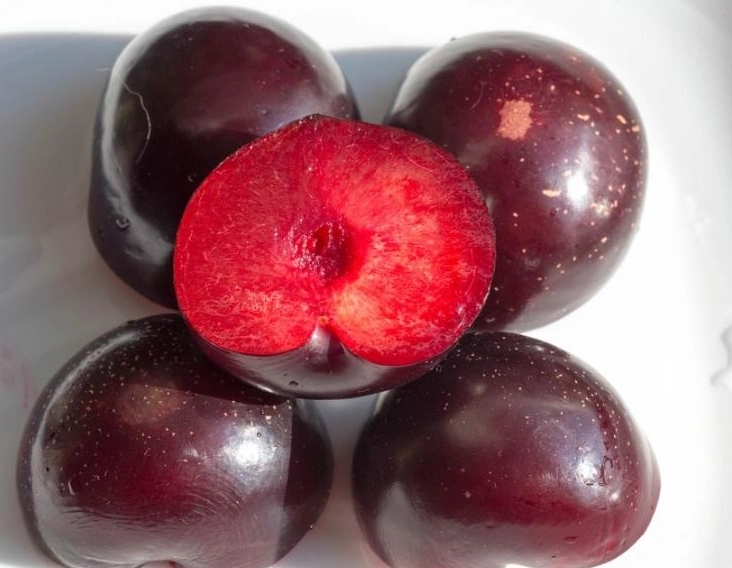
The Taste & Texture Showdown
This is where the rubber meets the road. The color hints at the flavor profile, but your tongue will confirm it.
Most red plums like the classic Santa Rosa are known for a tart, tangy, and vibrant flavor. They have a higher acid content. That first bite is bright and juicy, with a sweetness that comes in at the end. It's a more complex, "zingy" taste. The flesh is usually firmer and can be a bit fibrous.
Black plums, take the Friar for example, are generally sweeter, milder, and less acidic. The flavor is often described as rich, honey-like, and straightforwardly sweet. The acidity is much lower, so you don't get that sharp punch.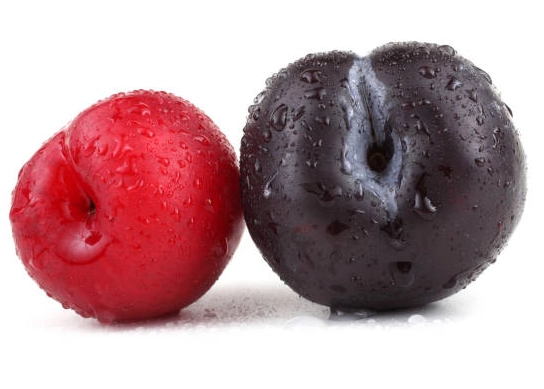
It's a texture thing.
Black plums often have a denser, meatier texture. They hold their shape beautifully when cooked. Red plums, with their higher water content and different cell structure, tend to break down more easily into sauces and purees.
For fresh eating off the tree, I prefer a perfectly ripe red plum for that refreshing tang. But for almost anything involving heat, my hand goes to the black plum.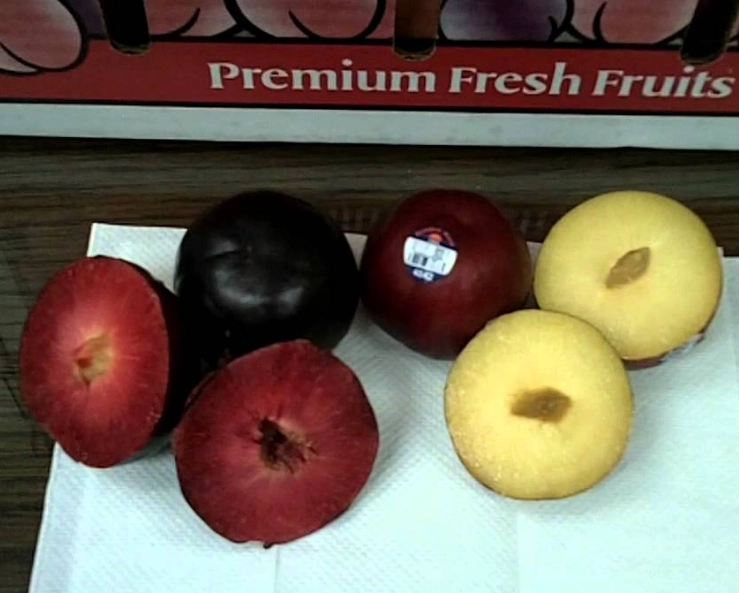
Nutrition Breakdown: Is One Healthier?
Both are fantastic for you. Plums are low in calories, a good source of fiber, vitamin C, and vitamin K. The differences are subtle but interesting.
The most talked-about difference is in anthocyanins, the powerful antioxidants that give fruits their red, purple, and blue colors. Generally, the deeper and darker the pigment, the higher the anthocyanin content. By this rule, black plums often pack a higher concentration of these specific antioxidants because the pigment runs through the flesh.
According to nutrient data from sources like the USDA FoodData Central, the variations in vitamin and mineral content between common red and black plum varieties are minimal. A Santa Rosa and a Friar plum will give you roughly the same amount of vitamin C per 100 grams.
The real nutritional win is eating plums in general. The fiber (including sorbitol) is great for digestion, and the array of antioxidants supports overall health. Don't stress over picking the "healthiest" one—pick the one you'll actually enjoy eating more of.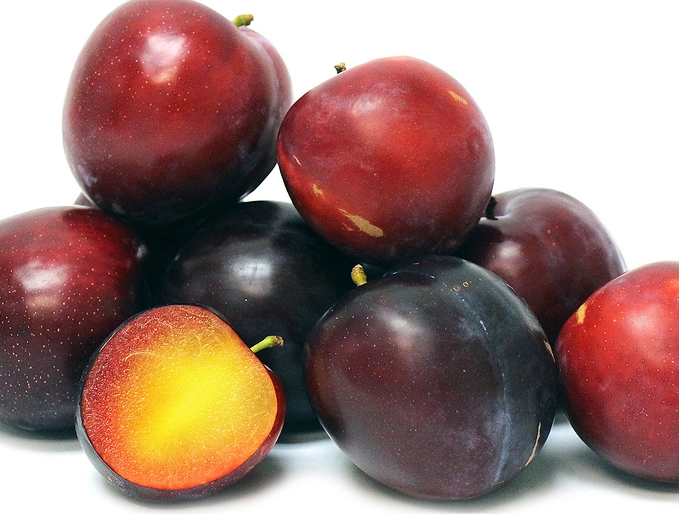
How to Use Them: Your Kitchen Guide
This is the practical part. Matching the plum to its culinary destiny.
When to Choose Red Plums
- Fresh Eating (if you like tang): That bright acidity is refreshing on a hot day.
- Plum Sauce & Chutney: The tartness creates a beautifully balanced, complex sauce that pairs brilliantly with fatty meats like duck or pork. It cuts through the richness.
- Adding "Punch" to Salads: Diced red plums in a summer salad with bitter greens and goat cheese are a game-changer.
When to Choose Black Plums
- Fresh Eating (if you love sweet): For a pure, sugary snack, these are your go-to.
- Baking (Pies, Tarts, Cobblers): This is their superstar application. Their sweetness means you can use less added sugar. Their firmer, denser flesh holds up during baking, giving you distinct plum pieces rather than a mushy filling. A black plum pie is the gold standard.
- Jam and Preserves: They yield a sweeter, deeper-colored jam with a rich flavor. They often have more natural pectin, helping the jam set better.
- Grilling or Roasting: Halved black plums caramelize beautifully without falling apart.
Pro-Tip: Can't find black plums for your pie recipe? If you must use red plums, toss the slices with a bit of extra sugar and maybe a pinch of cornstarch to compensate for the extra juice and tartness. The texture still won't be identical, but it'll save the bake.
Buying and Storing Like a Pro
Look for plums that are plump and heavy for their size, with smooth, unblemished skin. A slight give at the stem end when gently pressed is a sign of ripeness. Avoid any with wrinkles, soft spots, or punctures.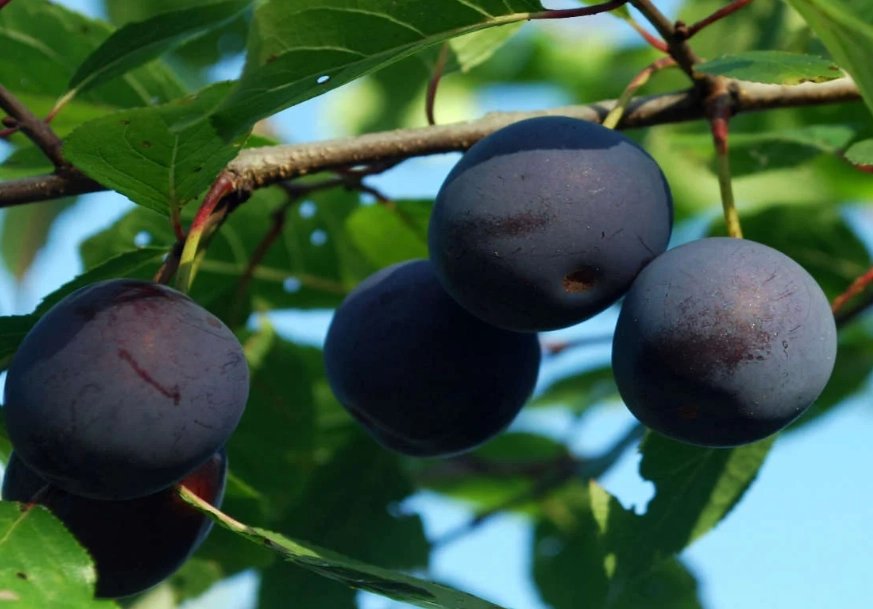
Ripening: Got rock-hard plums? Put them in a paper bag on the counter for a day or two. The ethylene gas they emit will speed things up. Adding a banana to the bag accelerates it further.
Storing: Once ripe, get them into the fridge. They'll last for several days to a week. For long-term storage, slice, pit, and freeze them on a baking sheet before transferring to bags. They'll be perfect for smoothies or cooked applications later.
Reader Comments