You walk into the grocery store, and the strawberry display looks perfect. Bright red, perfectly shaped, sitting under a soft glow. You buy them, get home, take a bite... and it tastes like vaguely sweet water. Sound familiar? That’s the taste of off-season fruit, picked too early and shipped too far. Knowing what fruits are in season now is the single biggest hack for getting flavor that actually makes you close your eyes and smile, while often paying less. It connects you to your local growing cycles and makes eating feel more intentional. Let's cut through the noise and get straight to what you should be looking for.
Your Quick Guide to Seasonal Fruit
Why Seasonal Fruit Tastes Better (And Costs Less)
This isn't just a romantic idea. There's solid reasoning behind it. Fruit that ripens on the plant, in its natural season, develops a full spectrum of sugars, acids, and aromatic compounds. A peach that ripens on the tree in July is a different species of food compared to one picked rock-hard in Chile and gassed to turn color in December.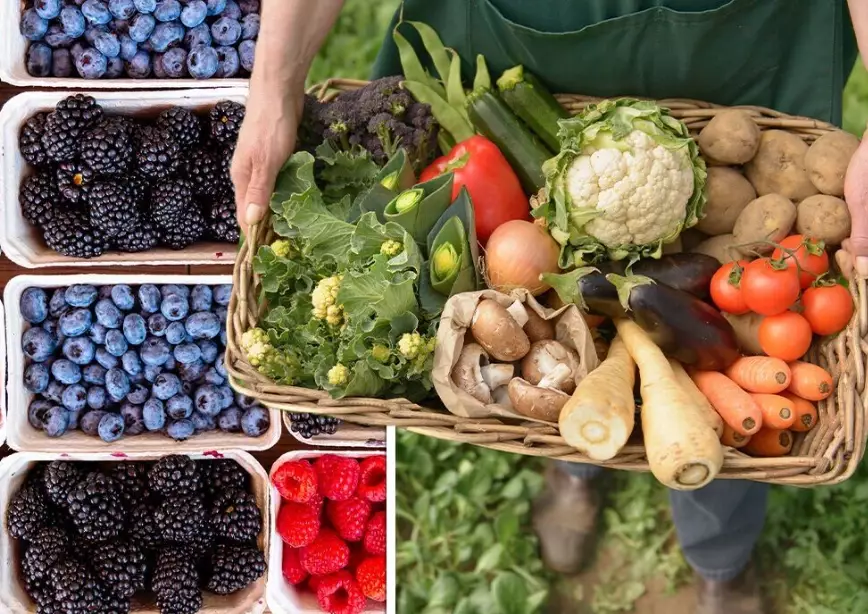
Then there's the cost. When there's a local surplus of, say, blueberries, prices drop. You're not paying for the carbon footprint of a refrigerated cargo ship or plane. A report from the Leopold Center for Sustainable Agriculture at Iowa State University highlights how local, seasonal food systems can reduce transportation costs significantly. The economics are simple: abundance equals better prices.
I made the mistake for years of buying tomatoes year-round. Now, I barely touch them from November to May. The wait makes the first real, sun-warmed tomato of summer an event. That's the shift seasonal eating creates.
How to Figure Out What's in Season *Where You Are*
"Now" is tricky. If you're in Florida, "now" in early May means mangoes are starting. In Oregon, it's still all about the last of the apples and early strawberries. A generic online list can lead you astray.
The most reliable method is hyper-local.
Visit a Farmers' Market. This is your ground truth. What's piled high on the tables? That's your season. Talk to the growers. Ask "What's just coming in?" or "What will be perfect next week?" They live this.
Use a State-Specific Guide. Many state agricultural departments publish seasonal availability charts. For example, searching for "seasonal produce guide California" or "Michigan fruit harvest calendar" yields far more accurate results than a generic one. The USDA also maintains a Seasonal Food Guide that can be filtered by state and month.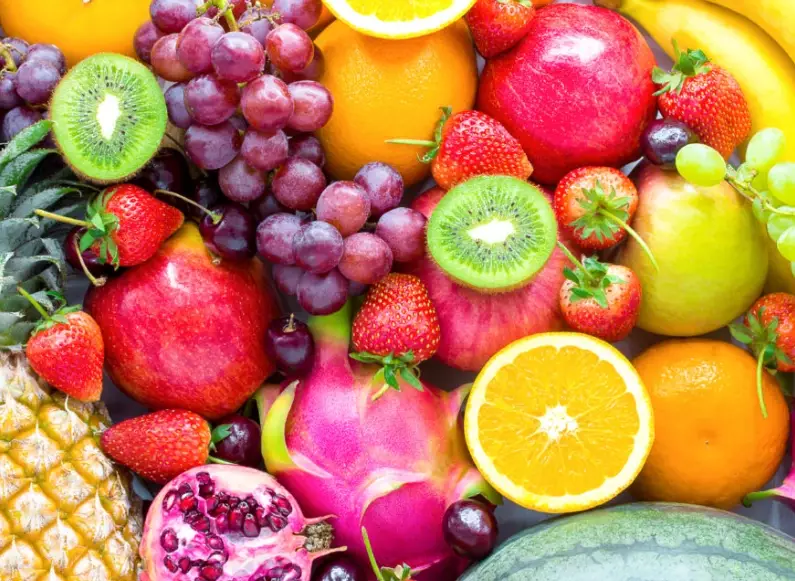
Think in Broad Strokes. As a general rule for the Northern Hemisphere:
- Spring (Apr-Jun): The awakening. Berries start, rhubarb, first stone fruits.
- Summer (Jun-Aug): The peak explosion. Berries, stone fruit, melons.
- Fall (Sep-Nov): The shift. Apples, pears, grapes, late figs.
- Winter (Dec-Mar): The citrus and storage season. Oranges, grapefruit, lemons, plus stored apples and pears.
The Seasonal Fruit Breakdown: A Month-by-Month Guide
Here’s a consolidated look at the typical harvest calendar for common fruits in temperate regions. Remember, this shifts by 4-8 weeks depending on your latitude and climate. Consider this a middle-ground template.
| Season | Prime Fruits (Peak Flavor Window) | What You Might Find Early/Late |
|---|---|---|
| Spring (April - June) |
Strawberries, Rhubarb, Cherries (late Spring), Apricots (late Spring) | First blueberries (June), early peaches (June in warm zones), pineapples (tropical, but widely available) |
| Summer (June - August) |
Blueberries, Blackberries, Raspberries, Peaches, Nectarines, Plums, Watermelon, Cantaloupe, Honeydew, Figs (late Summer) | Early apples (August), grapes (August), late-season cherries |
| Fall (September - November) |
Apples, Pears, Grapes, Cranberries, Persimmons, Pomegranates, Figs (early Fall) | Last of the peaches/plums (Sept), key limes, early citrus like satsumas (Nov) |
| Winter (December - March) |
Oranges (Navel, Blood), Grapefruit, Lemons, Limes, Tangerines, Mandarins, Kiwifruit | Stored apples & pears (still great!), passion fruit, dates |
A common pitfall I see is people treating this table as gospel. If you're in the Northeast US, don't expect a juicy local peach in early June—you'll be waiting until August. That June peach in your supermarket is almost certainly from thousands of miles away.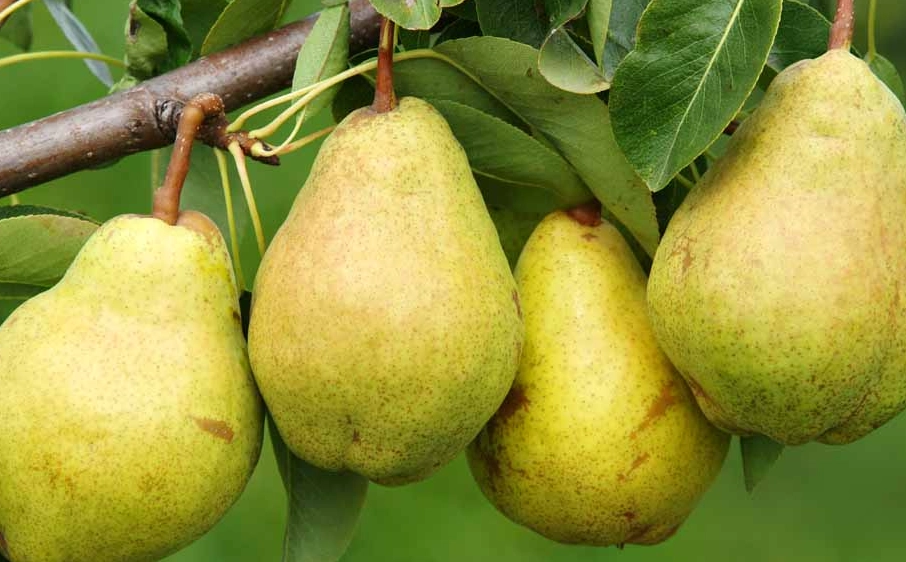
A Closer Look at Summer's Bounty (The Star of the Show)
Since summer is the most abundant season, let's get specific. Not all berries ripen at once. In many areas, you'll see a wave: strawberries first, then raspberries, then blueberries and blackberries. Stone fruit like peaches and nectarines have "cling" and "freestone" varieties. Early season (June-July) are often cling—the flesh clings to the pit, great for eating fresh. Late season (July-August) freestone varieties are easier to slice and are canning and freezing champions.
How to Pick and Store Seasonal Fruit Like a Pro
You've found a seasonal gem. Now, don't ruin it.
For Berries: Look for vibrant, consistent color and dry, plump berries. Avoid containers with stains or moisture at the bottom—a sign of mush. Do not wash them until you're ready to eat. Store them in a single layer on a paper towel in a container in the fridge. A splash of vinegar in the wash water (1 part vinegar to 3 parts water) can extend their life by killing mold spores.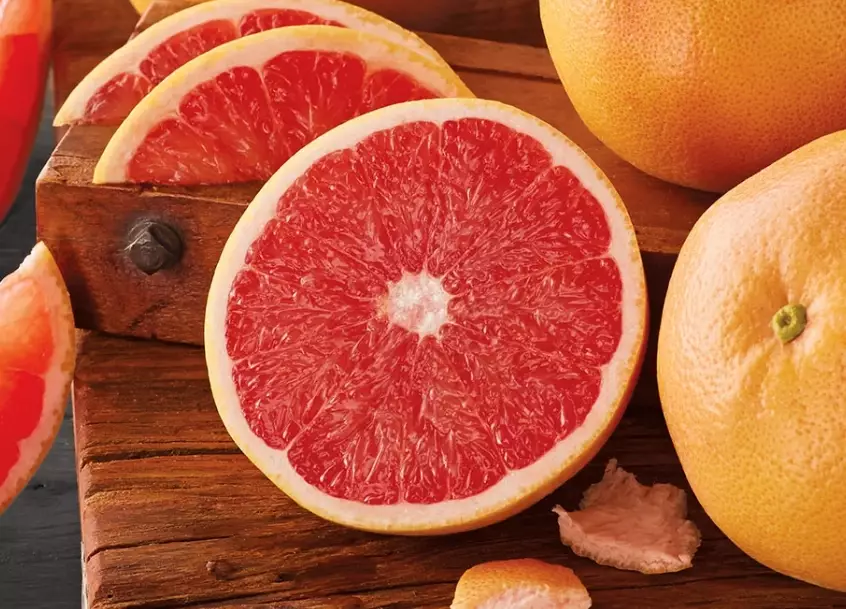
For Stone Fruit (Peaches, Plums, Nectarines): They should have a slight give when gently pressed near the stem, not be rock hard. Color is a cue, but background hue (a creamy yellow under the red blush) is more important than the blush itself. If they're firm, leave them on the counter in a paper bag for a day or two. Once ripe, fridge them to slow down the process.
For Melons: A sweet, fragrant smell at the stem end is key. For watermelons, look for a creamy yellow ground spot (where it rested on the earth) and a dull, not shiny, rind. A hollow sound when tapped is a good sign, but the spot and heft are more reliable.
My biggest storage mistake used was cramming everything in the fridge crisper drawer. Now, I treat fruit like individuals. Tomatoes and bananas on the counter. Citrus and ripe stone fruit in the fridge. Apples stored alone—they emit ethylene gas that makes everything else ripen (and rot) faster.
No-Fuss Ways to Enjoy Your Seasonal Haul
When fruit is perfect, you often don't need to do much. But here are two ideas that elevate the experience.
The 5-Minute Summer Berry Salad: Toss whatever berries you have with a tiny pinch of flaky salt and a few torn basil or mint leaves. The salt makes the sweet flavors pop. Drizzle with a teaspoon of honey or balsamic glaze if you're feeling fancy. That's it. It beats any complicated dessert.
Grilled Stone Fruit: Halve and pit peaches, nectarines, or plums. Brush cut side lightly with oil. Grill over medium heat for 3-4 minutes until you get grill marks and the fruit softens. Serve with a scoop of vanilla yogurt or ice cream. The heat caramelizes the sugars, creating a whole new depth of flavor. It's a game-changer for fruit that's slightly underripe or just abundant.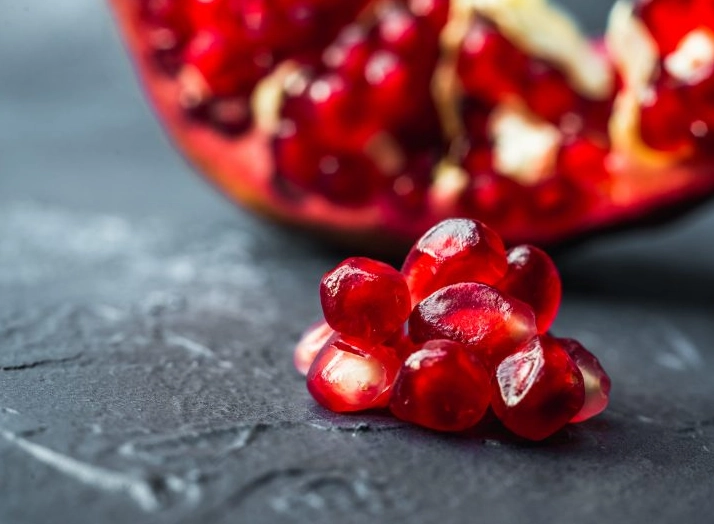
Your Seasonal Fruit Questions, Answered
I see "organic" and "local" labels. Which is more important for seasonal fruit?
For peak flavor and environmental impact, local wins, even if it's not certified organic. A local, conventionally grown peach picked yesterday will likely taste better and have a lower transportation footprint than an organic peach shipped from another continent two weeks ago. Many small local farms use organic practices but can't afford the certification. Your best bet? Buy local at a farmers' market and ask the farmer about their growing practices.
How can I tell if a pineapple or mango is truly ripe in the store?
Forget pulling leaves. For pineapple, smell the base—it should have a sweet, tropical aroma. The shell should have a slight give when squeezed and look more golden than green. For mangoes, scent is again critical—a fruity smell at the stem end. They should feel slightly soft like a ripe avocado, not hard as a baseball. Color varies by variety, so rely on touch and smell.
Is frozen fruit just as good nutritionally as fresh seasonal fruit?
Often, it's better—for off-season eating. Fruits destined for freezing are typically picked at peak ripeness and flash-frozen within hours, locking in nutrients. In winter, frozen blueberries or mango chunks are a far better nutritional (and often flavor) choice than fresh ones that have traveled halfway around the world. Use frozen fruit in smoothies, oatmeal, or thaw for baking. It's a fantastic, economical way to get a taste of summer any time.
What's the one piece of advice you'd give someone new to seasonal eating?
Start with one fruit. Pick something you love, like strawberries or peaches. Decide you won't buy it unless it's in season locally. Taste the difference. Feel the difference in your wallet. That single, concrete experience is more powerful than any list. It turns a concept into a personal preference, and that's what sticks.
Reader Comments