If you've only seen asparagus bundled in the grocery store, the living plant is a surprise. It doesn't look like a typical vegetable. It's a perennial fern that sends up edible shoots for a few glorious weeks each spring. Understanding its lifecycle—from the hidden crown to the towering fern—is the key to growing it successfully. Let's walk through each stage, so you'll never mistake it for anything else.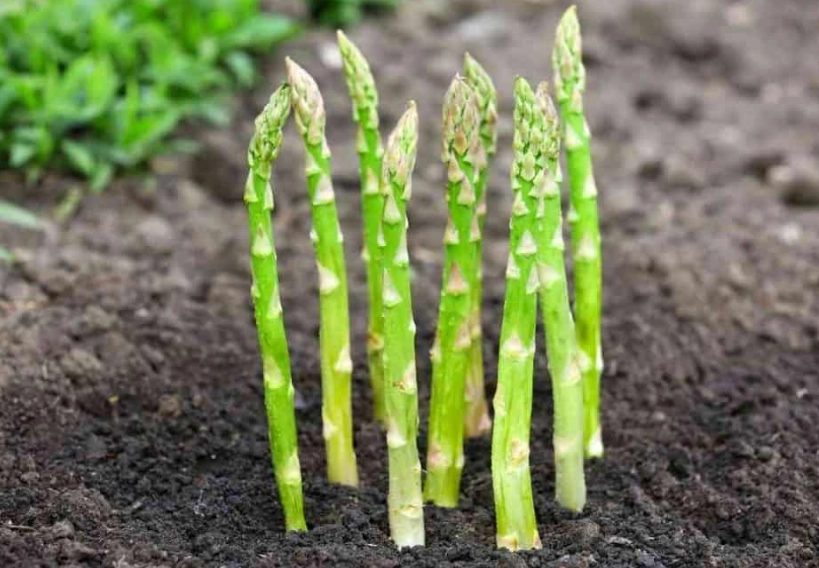
Quick Navigation
The Three Parts of an Asparagus Plant: Crown, Spear, and Fern
Think of asparagus as having a split personality. For eating, we want the young spear. For the plant's survival, it needs the mature fern. It all starts underground.
The Underground Engine: The Crown
This is the most important part you never see. The crown is a dense, gnarled mass of roots and storage buds, often resembling a octopus or a strange sea creature. It sits 6-8 inches deep. All the energy for those tasty spears is stored here from the previous summer's growth. A healthy, established crown can be the size of a dinner plate. This is why you don't harvest from new plants—you'd be stealing their life savings.
The Edible Delight: The Spear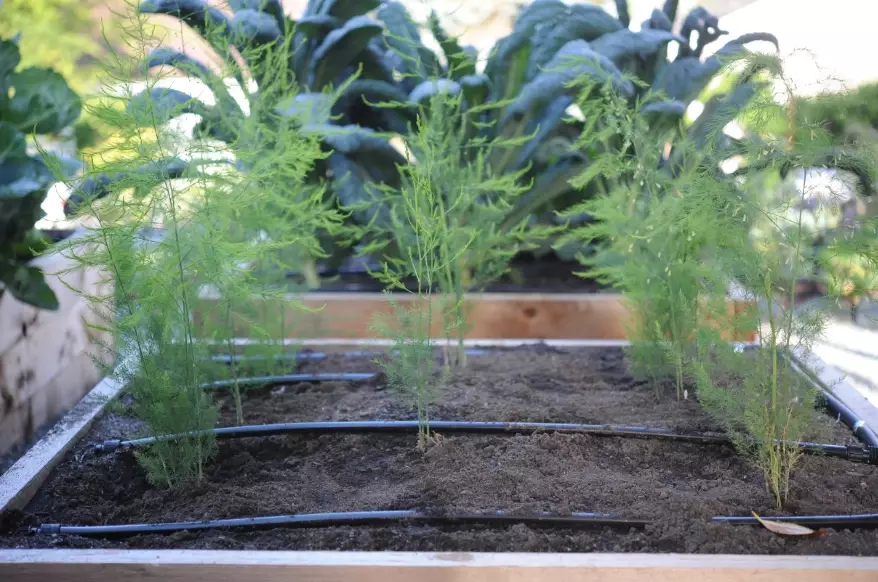
In spring, when soil temperatures hit about 50°F (10°C), buds on the crown swell and push upward. What emerges is the spear—a straight, fleshy stem with tight, triangular scales (called bracts) along its length. The tip is a compact, pointed bud cluster. Color varies from deep green to purple, depending on the variety. If left completely unharvested, a spear can grow an inch or more in a single day under ideal conditions.
The thickness of the spear isn't about age on a given day, but about the size and energy of the bud that formed it on the crown. A fat bud makes a fat spear.
The Vital Solar Panel: The Fern
This is the stage most people miss. If a spear isn't cut, it continues to grow taller. The tip opens, and feathery, needle-like branches called cladodes unfurl. The stem becomes woody and branched, transforming into a tall, airy, green fern that can reach 4 to 6 feet tall.
This fern is not a failure. It's the whole point for the plant. Through photosynthesis, it generates carbohydrates that are sent down to recharge the crown for next year's harvest. No robust fern, no spears next spring.
The Asparagus Growth Stages: A Seasonal Timeline
Here’s what to expect in your asparagus patch month by month. I've tracked mine for years, and this pattern holds true in most temperate climates.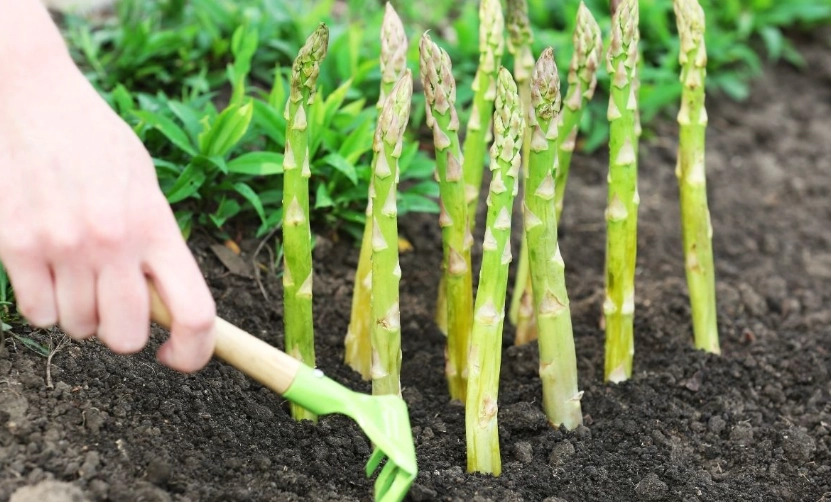
| Stage | Typical Time | What It Looks Like | What You Should Do |
|---|---|---|---|
| 1. Dormancy | Late Fall - Winter | Nothing above ground. The fern has died back to a brown, crispy skeleton. The crown is dormant underground. | Cut down dead fern stalks in late fall or early spring before new growth starts. Add a layer of compost or mulch. |
| 2. Spear Emergence | Early to Mid-Spring | Tight, pointed spears push through the soil. They are tender, smooth, and the scales are tightly closed. | Begin harvesting when spears are 6-8 inches tall. Snap or cut at soil level. Stop after 6-8 weeks. |
| 3. Fern Development | Late Spring - Summer | Unharvested spears rapidly grow, branch, and develop the lacy, green fern foliage. Tiny flowers may appear on female plants. | Stop harvesting! Let all spears grow into ferns. Stake tall ferns if needed to prevent wind damage. |
| 4. Photosynthesis & Recharging | Summer - Early Fall | The fern is a tall, green, bushy plant. It's working hard. Female plants may produce red berries. | Keep the bed weeded and watered during dry spells. The fern is doing all the work. |
| 5. Senescence & Dormancy Prep | Fall | The fern turns a beautiful golden yellow, then brown, as it dies back. Energy has been transferred to the crown. | Do not cut green ferns. Wait until they are fully brown/yellow before cleanup. |
One mistake I made early on was cutting back the fern as soon as it started to yellow in early fall. I thought I was tidying up. I was actually cutting off the plant's last chance to pull nutrients back into the crown. Wait for that complete die-back.
How to Care for Your Asparagus at Each Stage
Knowing what it looks like tells you what it needs.
During Spear Season (Spring)
Your job is selective harvesting. Look for spears thicker than a pencil. Use your thumb and forefinger to snap them off at the base—they'll break at the naturally tender point. For thin, spindly spears (common in young beds), just let them fern. They need to contribute energy.
Soil moisture is critical now. A dry spell during spear production can lead to tough, stringy spears. A good soak is better than frequent sprinkles.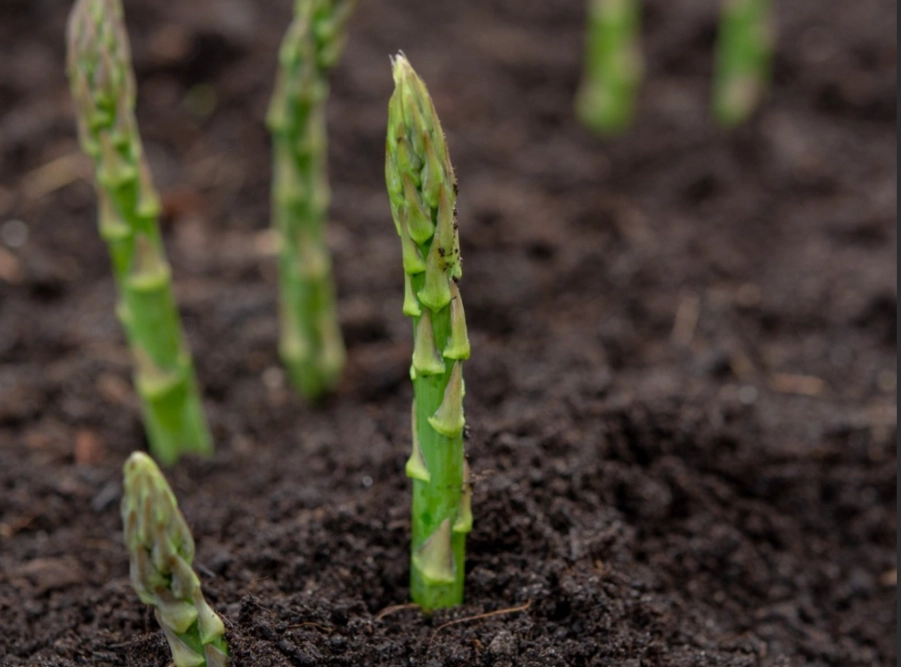
During Fern Season (Summer-Fall)
This is the maintenance period. The fern can get top-heavy. A sudden thunderstorm can flatten it. I use simple tomato cages or a string corral around the bed to keep them upright. Flattened ferns can't photosynthesize as efficiently.
Weeding is easier now because you can see the asparagus clearly, but be careful not to damage the crown with deep hoeing. A mulch of straw or shredded leaves suppresses weeds and retains moisture.
Fertilize after harvest is complete, as the ferns are growing. I side-dress with a balanced organic fertilizer or a generous layer of well-rotted compost. The roots are active and will take up these nutrients to store for next year.
The Off-Season (Winter)
Once the ferns are completely brown and crisp, you can cut them down to 1-2 inches above the soil. Clear away debris to discourage pests and diseases from overwintering. This is also the best time to top-dress the bed with compost. The winter freeze and thaw will help incorporate it.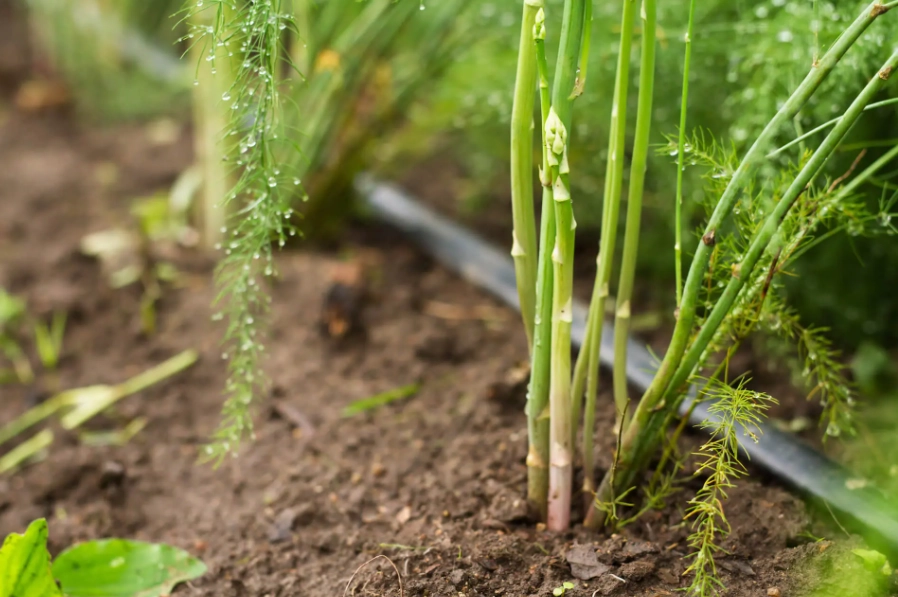
Your Asparagus Growing Questions, Answered
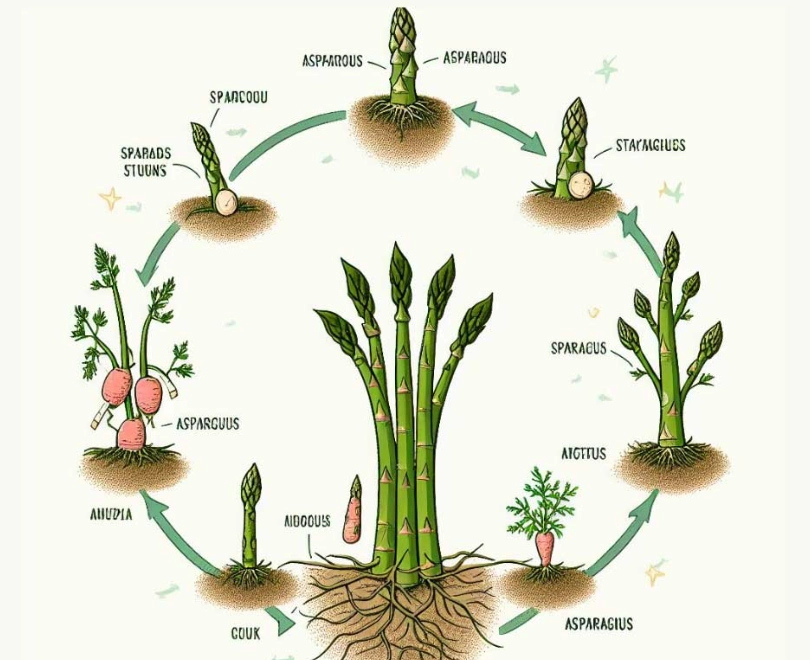 Watching asparagus transform from a tight spear to a towering fern is one of the most satisfying cycles in the garden. It teaches patience and gives a direct lesson in how plants live and store energy. Once you know what to look for—the fat buds breaking ground, the rapid elongation, the unfurling fern—you're not just growing a vegetable, you're tending a perennial system that will feed you for decades.
Reader Comments