Let's cut straight to it. If you're asking "are artichokes in season," the answer is a resounding yes, but with a big asterisk. Artichokes have a very clear, dual-peak season that makes them a highlight of spring and a pleasant surprise in fall. Buying them outside these windows isn't impossible, but you're often paying more for less flavor and a tougher texture. I've been cooking with them for over a decade, and the difference between a peak-season artichoke and an off-season one isn't subtle—it's the difference between a culinary event and a chore.
What's Inside This Artichoke Guide?
When Is Peak Artichoke Season? (Spring vs. Fall)
Artichoke plants are perennial thistles, and their harvest follows the plant's natural growth cycle. The primary, and undeniably best, season is spring. From March through May, artichokes hit their stride. This is when you'll find the largest volume, the best prices, and the most tender, flavorful globes. The cool, wet winter months in prime growing regions like California's Central Coast (which produces nearly 100% of the U.S. crop, according to the California Artichoke Advisory Board) lead to a vigorous spring harvest.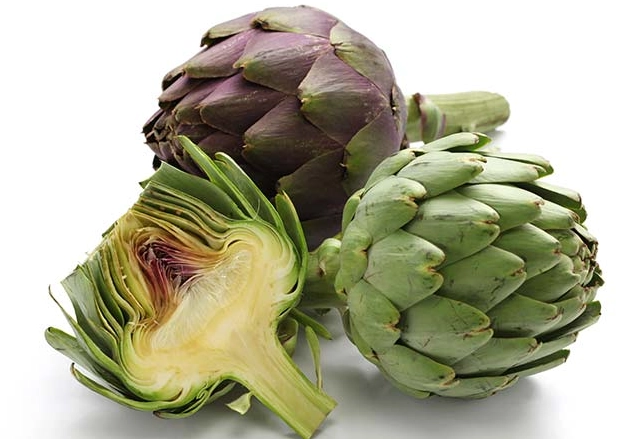
There's a secondary, smaller harvest in early fall, typically October and sometimes into November. These fall artichokes are often smaller and a bit more fibrous than their spring counterparts, but they're still excellent. The plant puts out a final burst of energy before cooler weather sets in.
Here’s a quick breakdown of what to expect in each season:
| Season | Typical Months | Characteristics | Price & Availability |
|---|---|---|---|
| Prime Spring Season | March, April, May | Large, supremely tender, tightly closed leaves, mild nutty flavor at its peak. | Widely available, best prices of the year. |
| Secondary Fall Season | October, November | Often smaller, slightly more fibrous but still flavorful. Good for stuffing. | Good availability, prices slightly higher than spring. |
| Off-Season / Limited | December - February, Summer | Likely imported, older storage stock, or from very specific microclimates. Can be woody, dry, and lack flavor. | Spotty availability, highest prices, not recommended for peak quality. |
A subtle point most guides miss: the very beginning and end of each season window can be tricky. The first artichokes of March might be smaller, and the last of November can be tough. The sweet spot is the middle of those months.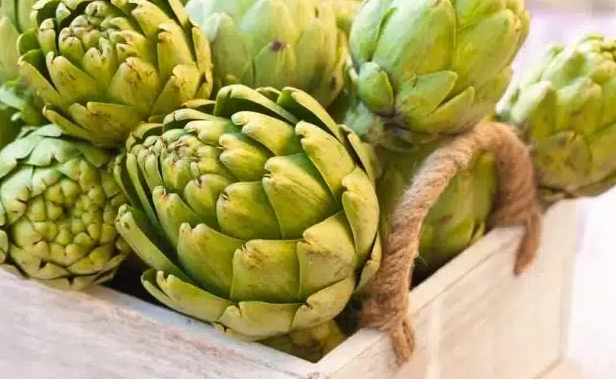
How to Pick the Perfect Artichoke: A Step-by-Step Guide
Knowing when artichokes are in season is only half the battle. The other half is picking a good one from the pile. I've seen too many people just grab the biggest one. That's a common mistake. Size matters less than density and condition.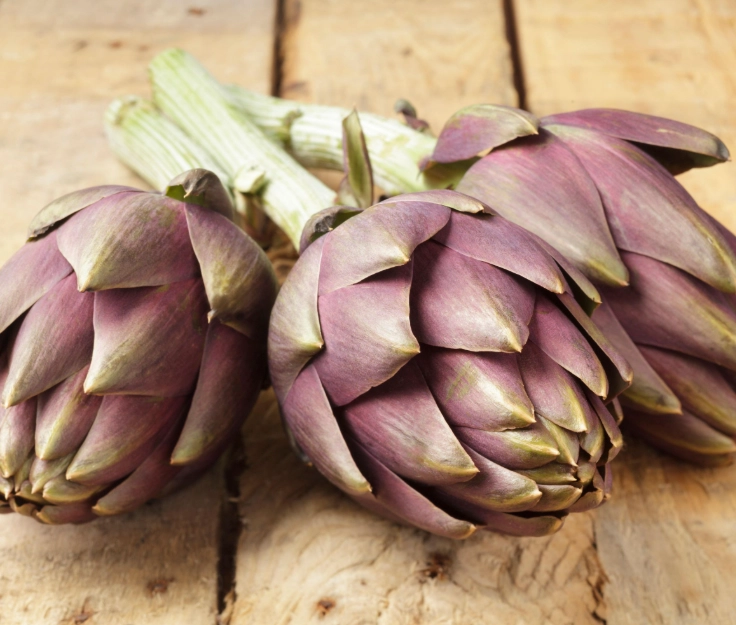
Follow this checklist next time you're at the market:
1. Heft and Weight: Pick it up. A good artichoke feels heavy for its size, like a dense baseball. This means it's full of moisture and the heart is plump. Lightness is a red flag for dryness and age.
2. Leaf Tightness and Color: The leaves (technically bracts) should be tightly packed, especially at the center. A little separation on the outer layers is fine, but if the whole thing is splayed open like a blooming flower, it's over-mature and will be tough. Look for a vibrant, consistent green or green-purple hue. Avoid ones with lots of brown, whitish blotches (could be frost damage), or a grayish, tired look.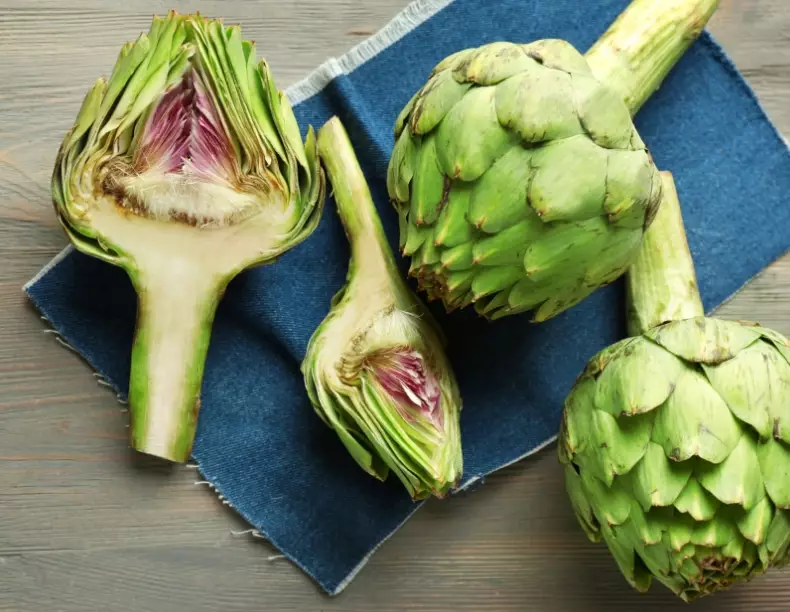
3. The Squeeze Test: Gently squeeze the artichoke. It should feel firm and solid, with just a slight give. If the leaves squeak a little against each other, that's a great sign of freshness. A mushy feel means decay has started inside.
4. Stem Check: Don't ignore the stem! A fresh artichoke has a stem that's firm, green, and looks freshly cut. If the stem is shriveled, blackened, or looks dried out and woody, the artichoke has been sitting around. A long stem isn't just for show—it's an extension of the heart and is edible when peeled.
5. Avoid Bronze Tips (Usually): Some varieties naturally have bronze-tipped leaves, which is fine. But on common 'Green Globe' artichokes, excessive browning or blackening on the leaf tips often indicates age or dehydration from sitting under supermarket misters for too long.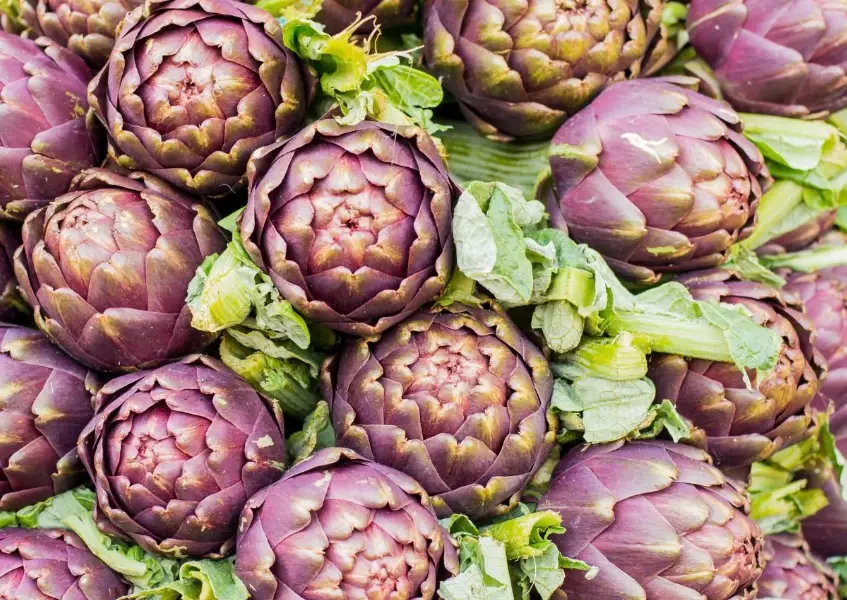
Pro Tip from the Farm Stand: I once asked a grower in Castroville, CA (the self-proclaimed "Artichoke Center of the World") what the biggest mistake shoppers make. He said, "They're afraid of small to medium artichokes." Often, these medium "baby" artichokes are just as tender, sometimes more so, and are perfect for recipes where you eat the whole thing, leaves and all. Don't automatically reach for the giant.
Storing Fresh Artichokes: Short-Term & Long-Term Tricks
You've nailed the season and picked a winner. Now, don't ruin it by letting it wilt in your fridge. Artichokes are essentially giant flower buds, and they start losing moisture and toughening the moment they're cut.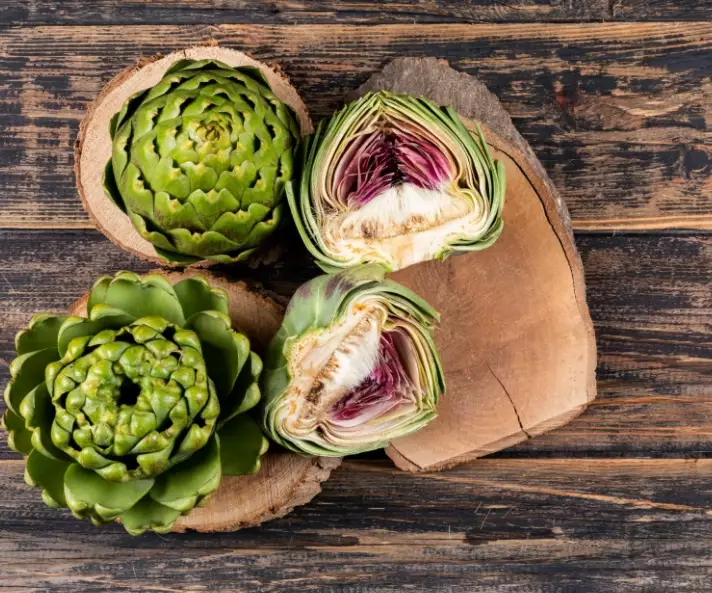
For short-term (use within 3-5 days): Do NOT wash them first. Lightly spritz the cut stem with water or wrap it in a damp paper towel. Place the whole artichoke in a loosely sealed plastic bag or in your fridge's crisper drawer. The goal is to maintain humidity without creating a soggy environment that promotes mold.
For long-term storage (freezing): This is the best way to capture peak-season flavor. You can't freeze them raw—they'll turn into a mushy, brown mess. You need to cook them first.
Here's my method: Trim and clean the artichokes. Steam or boil them until just tender (a knife inserts into the heart easily). Let them cool completely. You can freeze them whole, but I find it more practical to scoop out the choke (the fuzzy center) and freeze the hearts and meaty leaf bases. Pack them in a single layer on a baking sheet to freeze solid, then transfer to airtight freezer bags. They'll keep for 6-8 months. The texture softens a bit, but they're perfect for dips, pasta sauces, or casseroles.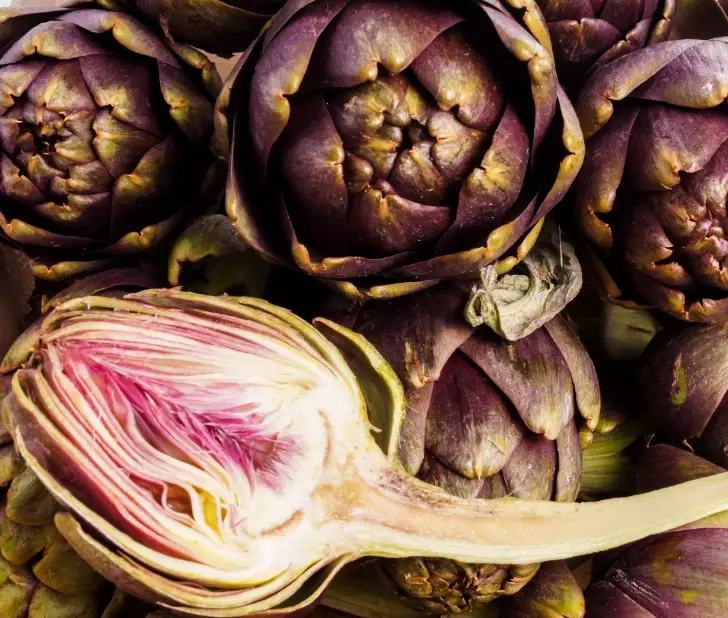
Honestly, storing artichokes is a bit of a pain. They're not a "set and forget" vegetable. Plan to use them quickly for the best experience.
Your Artichoke Season Questions, Answered
Getting the season right transforms artichokes from a finicky vegetable to a seasonal delight. It's not just about availability; it's about flavor, texture, and value. Mark your calendar for March, head to the market with the picking guide in mind, and you'll be rewarded with one of spring's true treasures. The effort to learn when and how to choose them pays off on the plate, every single time.
Reader Comments