Jump to What You Need
I remember my first attempt at pickling cucumbers. I grabbed whatever was cheap at the grocery store—some long, shiny English cucumbers—and ended up with a jar of mushy, bland slices. It was a disappointment, but it taught me a hard lesson: not all cucumbers are created equal for pickling. If you're looking to make pickles that snap with crunch and burst with flavor, the kind you start with matters more than you might think. This guide dives deep into the kinds of cucumbers for pickles, cutting through the noise to give you practical, expert-backed advice. We'll cover everything from specific varieties to selection tricks, so you can avoid the pitfalls I stumbled into.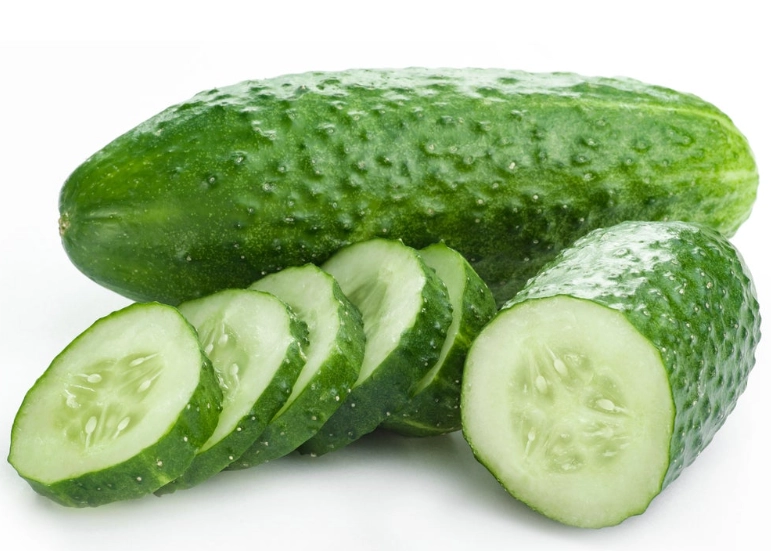
What Makes a Cucumber Good for Pickling?
Let's get straight to it. A good pickling cucumber isn't just about size or color; it's about texture, seed content, and how it holds up in brine. Most people focus on the recipe, but the cucumber itself is half the battle. Here are the key traits to look for.
Key Characteristics: Firmness, Size, and Seed Cavity
First, firmness is non-negotiable. You want cucumbers that are dense and crisp, not soft or spongy. When you press lightly, they should feel solid. Size matters too—smaller cucumbers (typically 3 to 6 inches long) are ideal because they pickle evenly and stay crunchy. Larger ones tend to have more seeds and watery flesh, which can lead to sogginess. The seed cavity should be small; fewer seeds mean less water content, which is crucial for that crisp bite. I've found that varieties like Kirby cucumbers excel here because their seed cavities are tight and compact.
Another point often overlooked is the skin. Thin, tender skins absorb brine better and don't turn tough. Thick, waxy skins (common on some supermarket cucumbers) can resist pickling and give an unpleasant chew. Look for cucumbers with bumpy or slightly textured skin—it's a sign they're bred for pickling, not just slicing.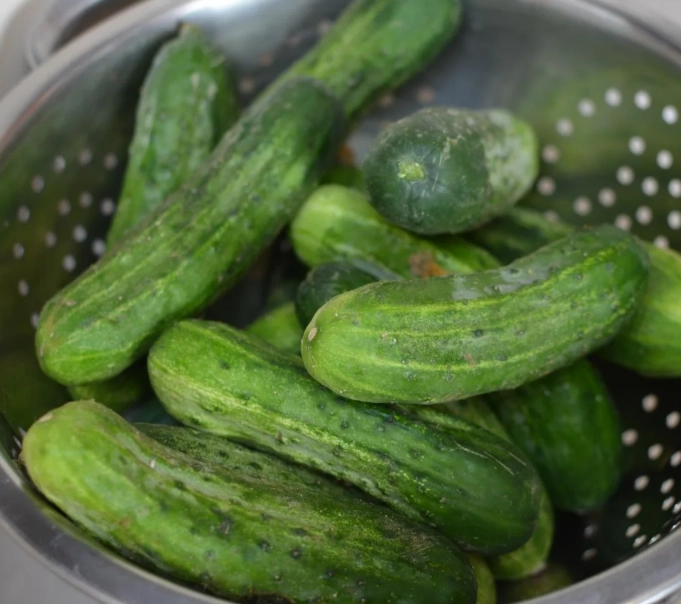
Top Cucumber Varieties for Pickling: A Detailed Breakdown
Not all cucumber types work well for pickles. Based on my experience and research from sources like the National Center for Home Food Preservation, here are the top varieties you should seek out. I've ranked them based on crunch, flavor retention, and availability.
| Variety | Best For | Key Features | Where to Find |
|---|---|---|---|
| Kirby Cucumbers | Classic dill pickles, bread-and-butter pickles | Small (3-6 inches), firm, bumpy skin, small seed cavity, high crunch factor | Farmers' markets, specialty grocers, some supermarkets in summer |
| Persian Cucumbers | Quick pickles, refrigerator pickles | Seedless, thin skin, mild flavor, less watery but slightly less crisp than Kirby | Most supermarkets year-round |
| Gherkin Cucumbers | Sweet pickles, cornichons | Tiny (1-3 inches), very crisp, intense flavor, often used for gourmet pickles | Farmers' markets, online seed suppliers (if growing) |
| Lemon Cucumbers | Experimental pickles, sweet-and-sour styles | Round, yellow, mild taste, good texture but can be seedy if overripe | Home gardens, heirloom seed catalogs |
Kirby cucumbers are the gold standard. I've used them for years, and they consistently deliver that satisfying snap. Persian cucumbers are a close second for convenience—they're easier to find, but you might need to add a tannin source like grape leaves to boost crispness, which many beginners forget. Gherkins are fantastic if you can get them; their small size means they pickle fast and pack flavor. Lemon cucumbers are fun for variety, but they're not as reliable; I once pickled a batch that turned mushy because I picked them too late.
Avoid English cucumbers or standard slicing cucumbers for pickling. They're too watery and have large seed cavities. I made that mistake early on, and it resulted in limp pickles that nobody wanted to eat.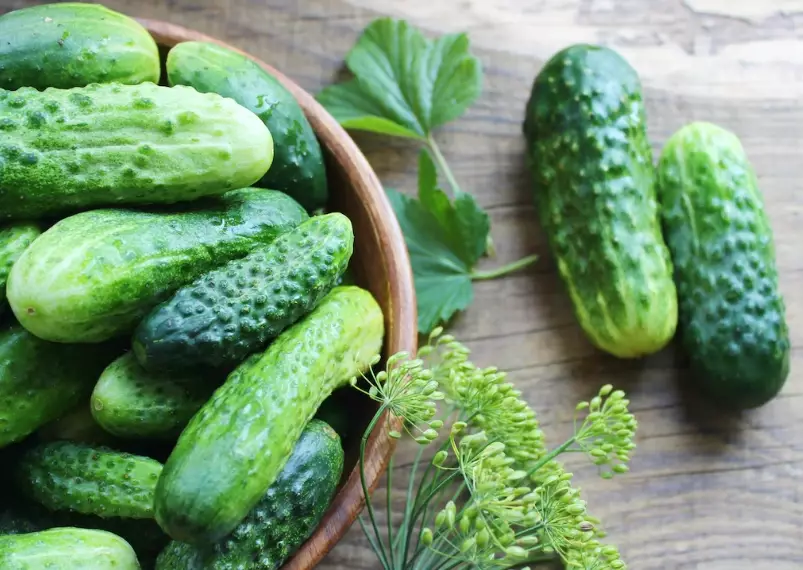
How to Select and Prepare Cucumbers for Pickling: A Step-by-Step Guide
Choosing the right cucumbers is only half the job. How you handle them before they hit the brine makes a huge difference. Here's a practical approach based on trial and error.
Step 1: Timing is everything. Pick or buy cucumbers when they're fresh—ideally within 24 hours of harvesting. The longer they sit, the more moisture they lose, leading to softness. If you're buying, look for firm, bright-colored cucumbers without wrinkles or soft spots. In summer, hit up local farmers' markets; the cucumbers there are often picked that morning.
Step 2: Size and uniformity matter. Select cucumbers of similar size so they pickle evenly. I aim for 4-5 inches long for Kirbys. If they're too big, the centers might not pickle properly. Don't be tempted by giant cucumbers on sale; they're better for salads.
Step 3: Prep with care. Wash cucumbers gently under cold water to remove dirt. Don't soak them—it can make them waterlogged. Trim off the blossom end (about 1/8 inch). This is crucial because enzymes in the blossom end can cause softening. I learned this the hard way after a batch turned soggy; now I never skip it. You can leave the stems on if they're small, but I usually remove them for even brining.
Step 4: Consider brining techniques. For extra crispness, some people soak cucumbers in an ice water bath for a few hours before pickling. I've found it helps, especially with store-bought cucumbers that might be a day old. Add a tablespoon of salt to the ice water to draw out excess moisture.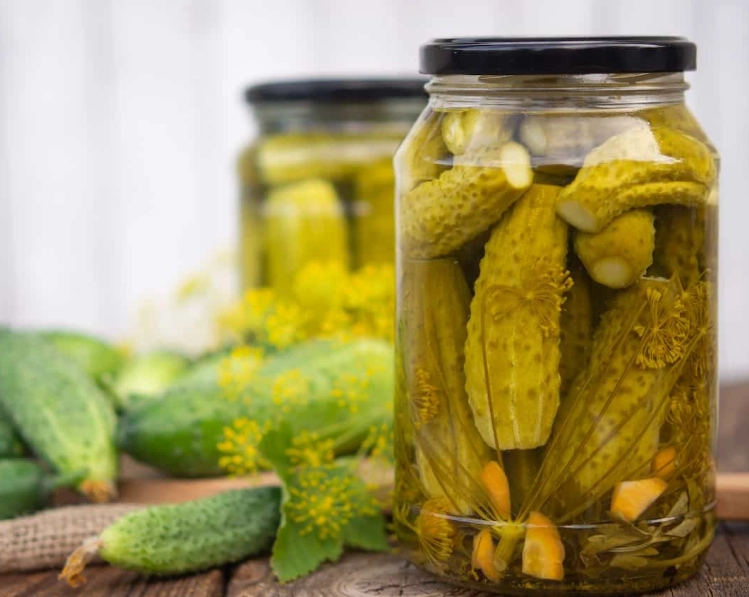
Pro tip: If you're growing your own, harvest cucumbers in the morning when they're cool and full of moisture. This keeps them crisp from the start. I grow Kirbys in my garden, and picking them early makes a noticeable difference in the final pickle texture.
Common Mistakes and How to Avoid Them: Expert Insights
After pickling for over a decade, I've seen—and made—plenty of errors. Here are subtle mistakes that most guides don't mention, but they can ruin your pickles.
Mistake 1: Ignoring cucumber temperature. Many recipes say to use room-temperature cucumbers, but that's wrong. Cold cucumbers absorb brine better and stay crisp. I always refrigerate them for at least an hour before pickling. It slows down enzyme activity that causes softening.
Mistake 2: Overpacking the jar. It's tempting to cram in as many cucumbers as possible, but tight packing prevents brine circulation. Leave about half an inch of space at the top. I use a chopstick to gently settle them without squishing.
Mistake 3: Skipping tannins for crispness. Tannins from grape leaves, oak leaves, or black tea help maintain crunch by firming cell walls. Most beginners rely solely on salt, but adding a grape leaf (available dried online) to each jar makes a world of difference. I get mine from a local vineyard; it's a game-changer for pickles made with Persian cucumbers, which are less naturally crisp.
Mistake 4: Using iodized salt. Iodine can cause discoloration and off-flavors. Stick with pickling salt or kosher salt. I prefer kosher salt because it dissolves easily and doesn't contain anti-caking agents.
Another thing: don't assume all "pickling cucumbers" labeled at the store are equal. I've seen "pickling cucumbers" that were just small slicing varieties. Check for bumpy skin and firmness—trust your touch over the label.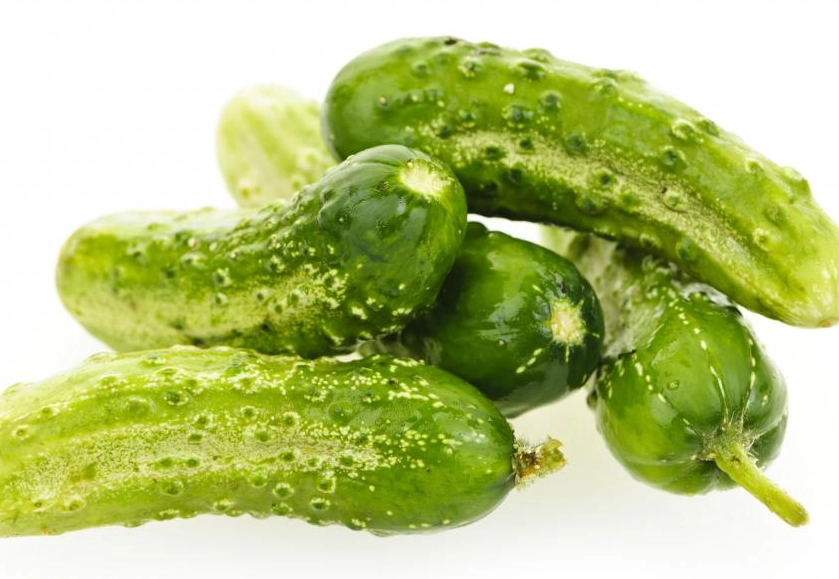
FAQ About Pickling Cucumbers: Your Questions Answered
Pickling is as much about the cucumber as it is about the brine. Start with the right kind—Kirby, Persian, or Gherkin—handle them with care, and avoid common pitfalls. Your pickles will thank you with every crisp bite. Happy pickling!
Reader Comments