You know the feeling. One day you're walking past a familiar thicket, and the air changes. It's not just summer heat anymore—it's a sweet, dusty, almost wine-like scent. That's your signal. Blackberry season is here. Forget the grocery store's hard, tart imposters. The real prize hangs heavy on thorny canes, waiting for anyone patient enough to brave the brambles. But timing is everything. Get it right, and you're rewarded with berries that burst with complex flavor. Get it wrong, and you're left with a handful of sour regret. Let's make sure you get it right.
What's Inside This Guide
When Exactly Is Blackberry Season?
Asking "when is blackberry season" is like asking when it rains—it depends entirely on where you're standing. A general rule across most of the US and temperate Europe is mid-summer to early fall. But that's too vague to be useful.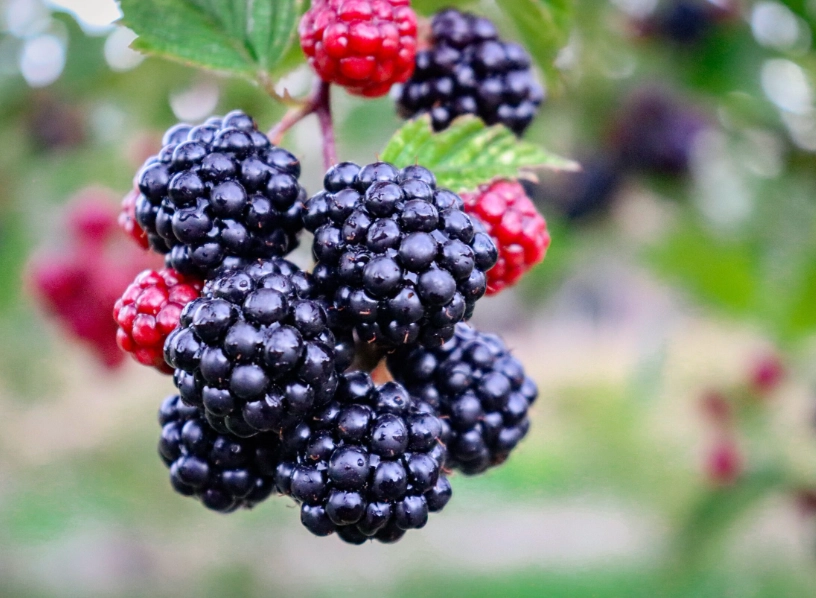
The main driver is cumulative heat. The plant needs a certain number of warm days after flowering to produce ripe fruit. That's why season start dates creep later as you go north or higher in elevation.
Here’s a more practical breakdown. This table pulls from regional foraging guides, like those from university agricultural extensions, and my own notes from years of tracking blooms and fruit.
| Region/State Examples | Typical Peak Blackberry Season | Key Notes & Variations |
|---|---|---|
| Pacific Northwest (WA, OR, BC) | Late July – Mid September | A long, generous season thanks to mild summers. Look in cleared areas and forest edges. |
| California | Early June – Late August | Starts incredibly early in Southern CA. Coastal fog belts can delay ripening. |
| Southeastern US (GA, AL, SC) | Mid May – Early July | The earliest start in the continental US. Heat can make the season intense but short. |
| Northeastern US & Midwest (NY, PA, OH, MI) | Late July – Early September | Classic summer berry season. Later frosts can push this back. |
| UK & Northwest Europe | August – October | Often called "blackberry autumn." A wet summer can promote fantastic yields. |
| Mountain West (CO, UT, ID) | August – September | Follow the water—creek sides, irrigation ditches. Elevation is a major factor. |
The single best way to know? Become a stalker. In late spring, find a few promising patches of blackberry bushes (we'll cover how next). Note when they flower—those delicate white or pale pink blossoms. Count roughly 6 to 8 weeks forward from peak bloom. That's your personal, hyper-local start date. I've used this method for a decade, and it's never failed me.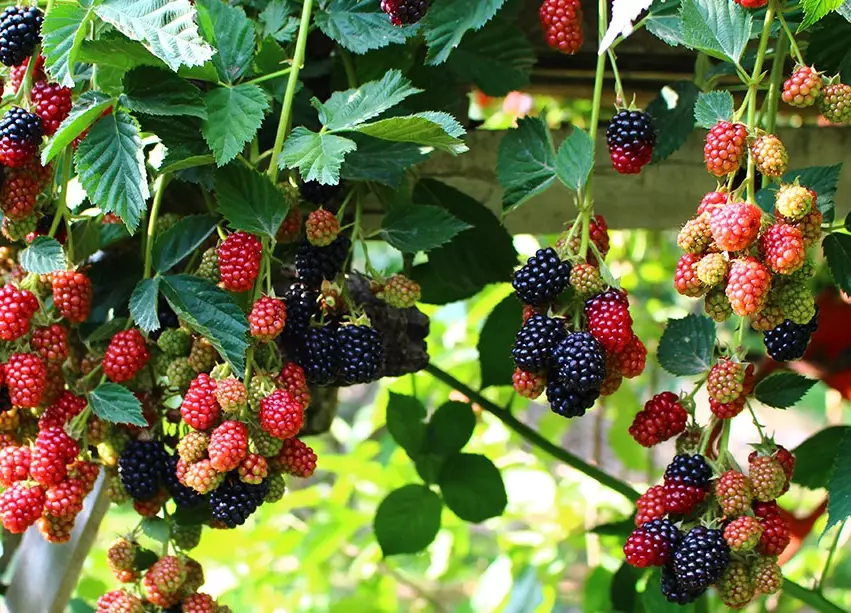
A crucial nuance everyone misses: There are often two waves. The first, in early-mid season, comes from the previous year's canes (called floricanes). These berries are typically larger and more abundant. A smaller, later wave can come from the tips of first-year canes (primocanes) if conditions are right. Don't write off a patch after one picking.
How to Find and Identify Wild Blackberries
You don't need a secret map. Blackberries (Rubus species) are pioneers. They thrive in disturbance. Your best bets are always places where the land has been cleared or altered recently.
- Sun-Drenched Edges: Roadsides, railroad tracks, the border between a field and a forest. They need sun to fruit well.
- Formerly Disturbed Land: Old farmland, logged areas, construction sites that have grown over.
- Stream and River Banks: The consistent moisture produces plump berries.
Now, identification. Safety first. Never eat anything you can't positively ID. Here’s the foolproof checklist:
The Key Features of a Blackberry Bush
Thorns. Lots of them. They're curved and sharp. Raspberries have thinner, straighter prickles. This is a good first filter.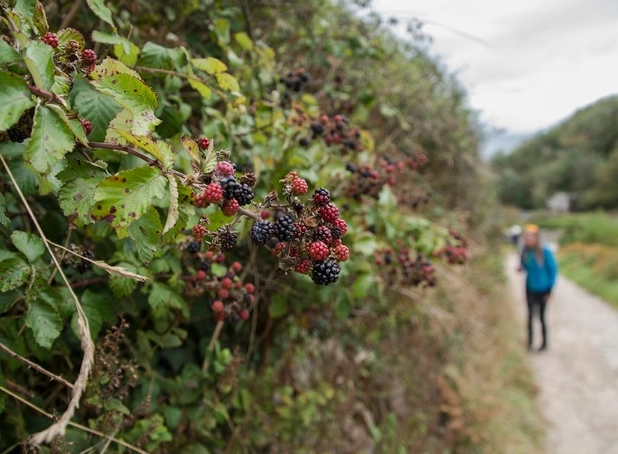
Compound Leaves. Each leaf is made up of 3 or 5 (usually 5) smaller, toothed leaflets, arranged like a palm. The underside is often lighter in color.
The Berry Itself. This is the clincher. When you pick a blackberry, the fleshy white torus (or core) stays inside the berry. If you pick a raspberry, the torus stays on the plant, leaving a hollow berry. A blackberry is always solid.
I once watched a confident forager fill a bucket with what they thought were blackberries, only to realize they were picking wineberries (an invasive, but edible, Rubus relative with sticky, orange-red hairs). The taste was fine, but it wasn't the deep, seedy punch they were after. Check the core.
How Do You Know When a Blackberry Is Perfectly Ripe?
This is where most beginners fail. A blackberry that looks black is not necessarily ripe. Color is a liar. I've seen jet-black berries that were pure acid.
You need a three-sense check:
- Look: It should be a deep, dull black or purple-black. A shiny berry is underripe. The individual drupelets (the little bubbles that make up the berry) should be plump and tight. If they look shriveled or leaky, it's overripe.
- Feel: It should come off the stem with the slightest tug. If you have to pull, it's not ready. The berry should feel heavy for its size.
- Taste (The Final Test): This is non-negotiable. Pop one in your mouth. A ripe blackberry has a complex sweetness with a hint of earthy, wine-like tartness at the finish. If it's simply sweet, it's perfect. If it makes your mouth pucker, leave the rest on the cane for another day or two.
Berries on the same cluster ripen at different times. You'll need to make multiple passes over a week or two, selecting only the ready ones. It's tedious, but this selective picking is what separates a mediocre harvest from a sublime one.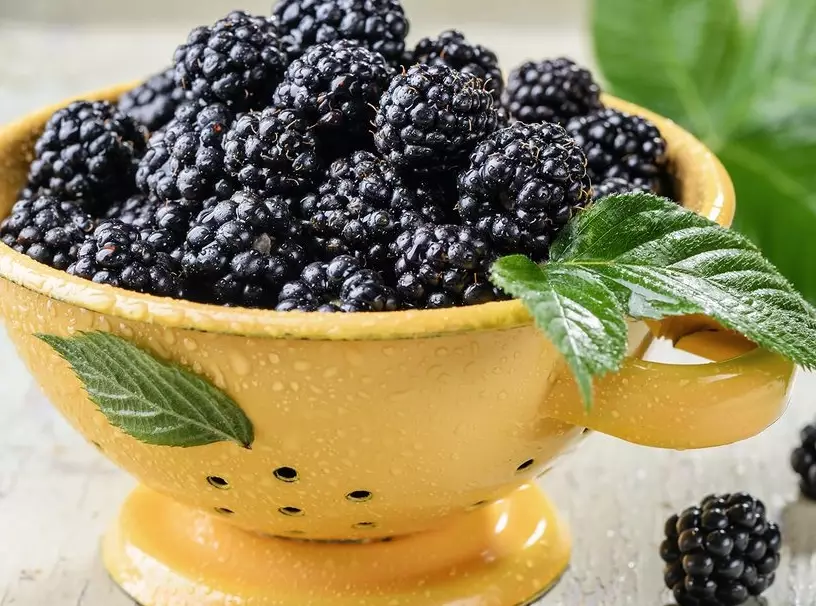
Pro-Tip from the Field: The sweetest berries are almost always found about waist-high. The low ones get dust and animal attention. The ones at the very top get the most sun and often ripen first, but can be bird-pecked. The mid-level berries are your goldilocks zone.
Picking Tools and Techniques That Save Your Skin
Let's be honest. Picking blackberries is a battle of attrition against thorns. You will get scratched. The goal is to minimize it.
Clothing is Armor: - Wear a long-sleeved, thick cotton or canvas shirt. Denim works. - Long, heavy pants are mandatory. I prefer old jeans. - Sturdy, closed-toe shoes. No sandals. Ever. - Leather gardening gloves. The cloth ones get snagged and torn instantly.
The Right Container: Don't use a deep bucket. The weight of the berries will crush the ones at the bottom. Use a wide, shallow basket or a collection of plastic containers (like old yogurt tubs) in a shoulder bag. This keeps your harvest pristine.
The Technique: Use one gloved hand to gently lift a cane, exposing the berry clusters. With your other (potentially ungloved) hand, carefully pluck the ripe berries, letting them fall into your container. Work from the outside of the thicket in. Never dive into the center—that's where the oldest, toughest, and most tangled canes live.
I learned this the hard way. One eager dive for a perfect-looking cluster left me with a thorn embedded deep in my forearm and a shirt that looked like it lost a fight with a cheese grater. Slow and strategic wins the berry race.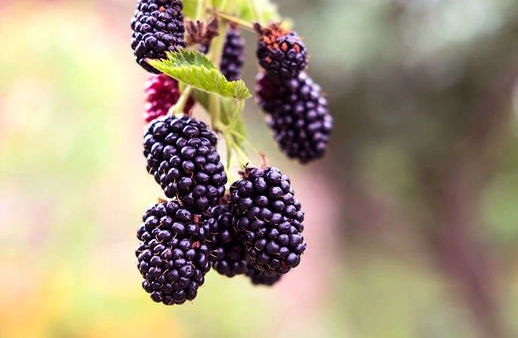
What to Do With Your Harvest: Beyond Basic Jam
You've got your haul. Now what? Sure, jam is the classic. But let's think bigger.
For Immediate Eating: Rinse gently in cold water just before using. Don't soak them—they're like little sponges. Serve with cream, over ice cream, or mixed into yogurt. Their flavor is best at room temperature.
For Freezing (The Best Preservation Method): This locks in peak flavor better than any other method. Spread the clean, dry berries in a single layer on a baking sheet. Freeze solid (about 2-3 hours), then pour them into freezer bags. They won't stick together. Use them for smoothies, baking, or sauces all winter long.
My Favorite Non-Jam Ideas: - Blackberry Shrub (Drinking Vinegar): Macerate berries with sugar, add vinegar, strain. A splash with soda water is incredible. - Compound Butter: Mash a handful of berries into softened salted butter. Freeze in a log. Unreal on pancakes or cornbread. - Quick "Freezer Jam": Crush berries, mix with sugar and pectin, put in jars, and freeze. It tastes fresher than cooked jam, in my opinion. - Savory Sauce: Simmer with a little red wine, shallots, and black pepper. Reduce and strain. Amazing on grilled duck or pork.
The point is, don't feel obligated to can 20 jars of jam. Preserve some for winter, but make sure you enjoy a significant portion fresh, in simple preparations that let the berry's hard-won flavor shine.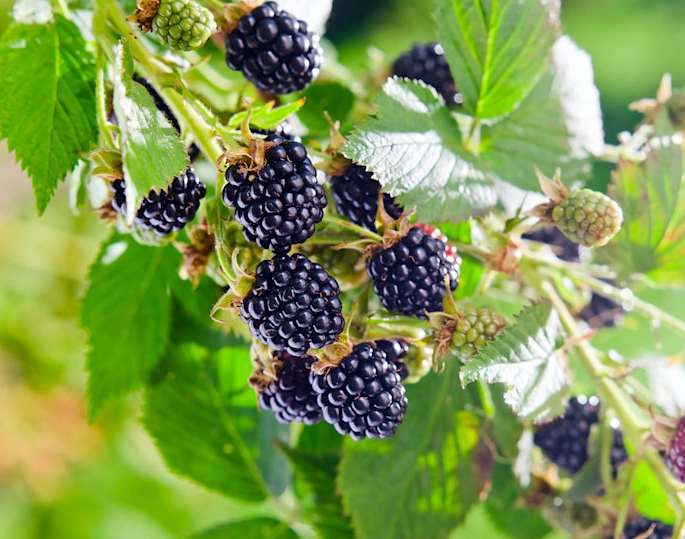
Reader Comments