You're probably here because you've heard split pea soup is healthy, but what's really in that bowl? Let's cut through the noise. A typical serving of homemade split pea soup packs around 200 calories, 15 grams of protein, and a hefty dose of fiber—but that's just the start. I've been making this soup for years, and I've seen how small tweaks can turn it from a salty canned mess into a nutritional superstar. In this guide, we'll dive deep into the nutrition facts, bust some myths, and I'll share my go-to recipe that even beginners can nail.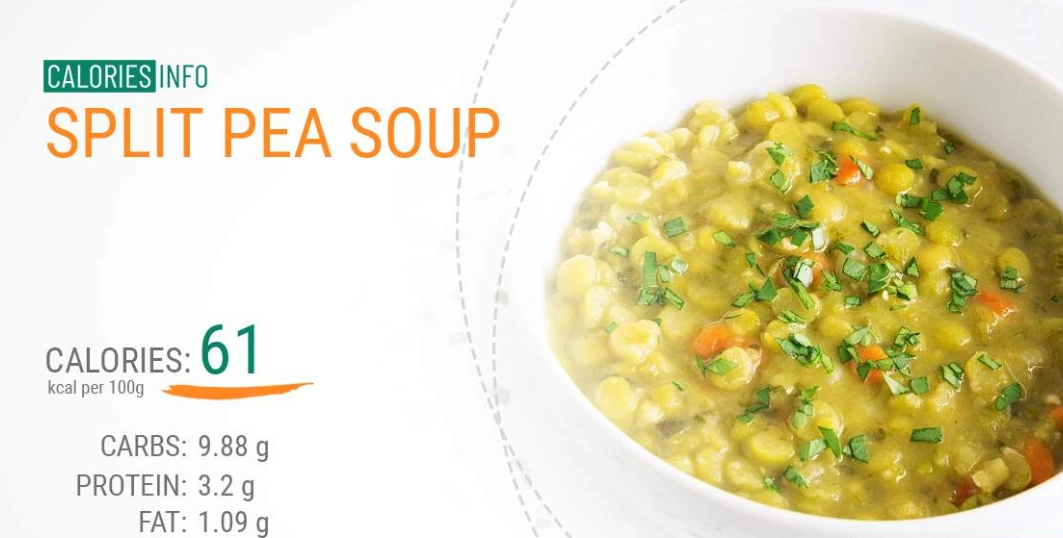
Jump to What You Need
Understanding Split Pea Soup Nutrition Facts
When you look at a nutrition label for split pea soup, whether from a can or your own kitchen, it's easy to get lost in numbers. But here's the thing: most people focus only on calories and fat, missing the bigger picture. Split peas are legumes, so the real story is in the protein, fiber, and micronutrients. According to the USDA FoodData Central, dried split peas are rich in iron, potassium, and B vitamins. But in soup form, the nutrition changes based on what you add—like ham, carrots, or celery.
I remember once buying a canned version that had over 800mg of sodium per serving. That's a third of the daily limit! So, when analyzing nutrition facts, always check the sodium content first. Homemade versions let you control this, making them inherently healthier.
Key Nutrients Breakdown: What's Inside?
Let's break it down with a table. This compares a standard homemade split pea soup (based on my recipe) to a popular canned brand, using data from USDA and product labels. Note: values are per 1-cup serving.
| Nutrient | Homemade Split Pea Soup | Canned Split Pea Soup (Brand X) |
|---|---|---|
| Calories | 210 | 180 |
| Protein | 16g | 10g |
| Total Fat | 3g | 4g |
| Carbohydrates | 35g | 30g |
| Fiber | 12g | 8g |
| Sodium | 350mg | 850mg |
| Iron | 15% DV | 10% DV |
| Potassium | 20% DV | 15% DV |
See the difference? Homemade wins on protein, fiber, and lower sodium. The fiber content is a big deal—12 grams is almost half the daily recommendation. That's why this soup keeps you full for hours.
Another point: split peas are a plant-based protein source, making them great for vegetarians. But if you add meat like ham, the fat and sodium can spike. I prefer using smoked turkey for a leaner option; it adds flavor without the grease.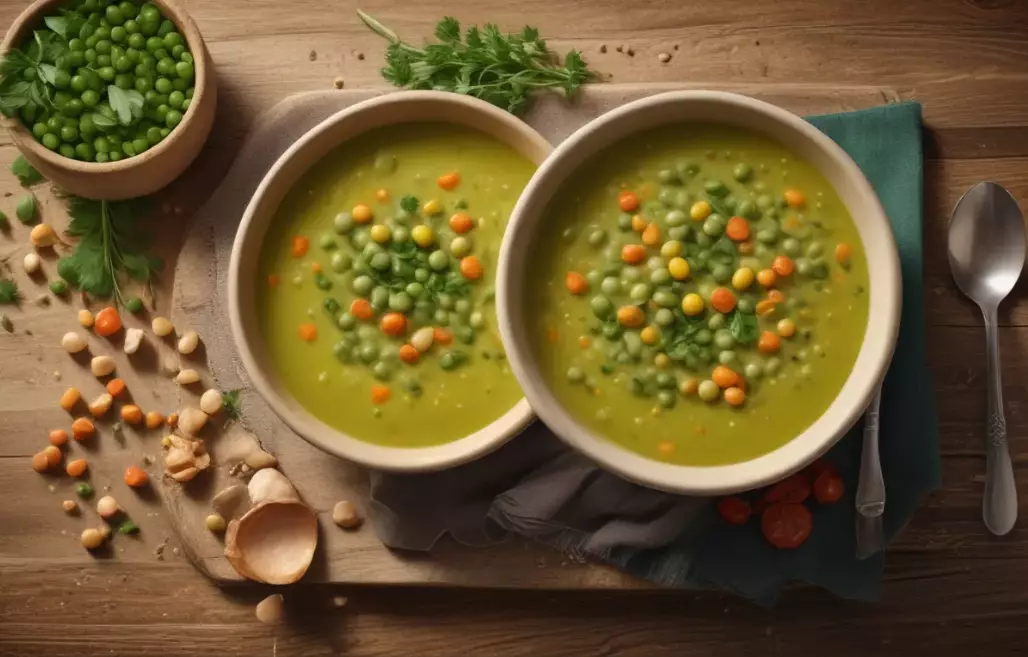
Health Benefits and Who Should Be Cautious
Split pea soup isn't just comfort food; it's a health tool. The high fiber aids digestion and can help lower cholesterol, as noted by the American Heart Association in their dietary guidelines. The protein supports muscle repair, which I've found useful after workouts. Plus, the iron combats fatigue—perfect for busy winters.
But there's a catch. Some people complain about bloating. That's because split peas contain oligosaccharides, sugars that can be hard to digest. Soaking the peas overnight or adding a pinch of baking soda during cooking helps break them down. I learned this the hard way after a few gaseous evenings!
Who should be careful? Individuals on low-potassium diets, like those with kidney issues, might need to moderate portions. Also, if you're watching sodium, always opt for homemade. Canned soups often use preservatives that ramp up salt levels.
For Weight Management
Is split pea soup good for weight loss? Absolutely, but with a nuance. The high protein and fiber increase satiety, meaning you eat less later. A study in the Journal of Nutrition links legume consumption to reduced body weight. However, watch the toppings: adding croutons or heavy cream can double the calories. I stick to a dollop of Greek yogurt for creaminess—it adds protein without the fat.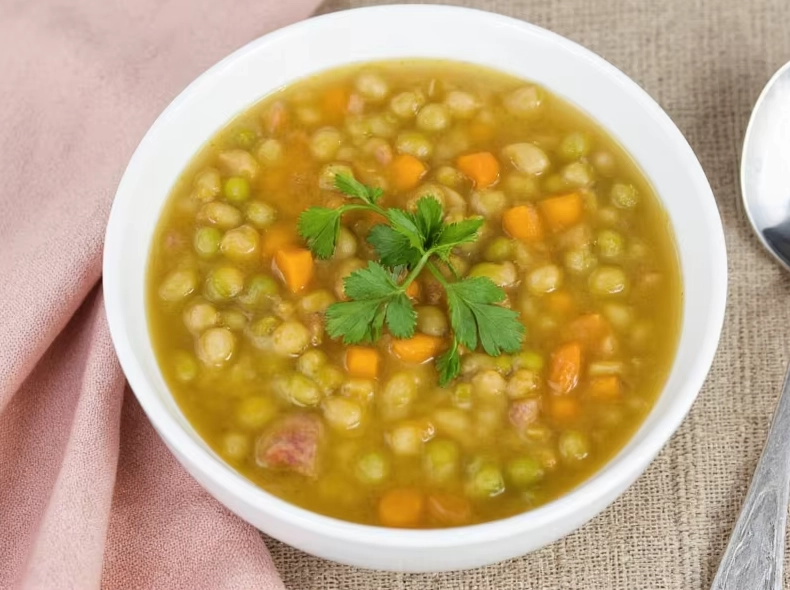
How to Make Healthy Split Pea Soup at Home
Making split pea soup from scratch is easier than you think. Here's my tried-and-true recipe, optimized for nutrition. I've made this dozens of times, and it never fails.
Ingredients:
- 2 cups dried split peas (green or yellow)
- 1 large onion, chopped
- 2 carrots, diced
- 2 celery stalks, diced
- 4 cloves garlic, minced
- 6 cups low-sodium vegetable broth
- 1 smoked turkey leg or 2 slices of bacon (optional, for flavor)
- 1 bay leaf
- Salt and pepper to taste
- 1 tablespoon olive oil
Steps:
First, rinse the split peas. No need to soak if you're short on time, but soaking for an hour reduces cooking time. In a large pot, heat olive oil over medium heat. Sauté onion, carrots, and celery until soft—about 5 minutes. Add garlic and cook for another minute.
Throw in the split peas, broth, bay leaf, and smoked turkey if using. Bring to a boil, then simmer for 45-60 minutes, stirring occasionally. The peas should break down and thicken the soup. Remove the turkey leg, shred the meat, and return it to the pot. Season with salt and pepper. I go light on salt since the broth and turkey add savoriness.
Serve hot. This makes about 6 servings, each around 1.5 cups.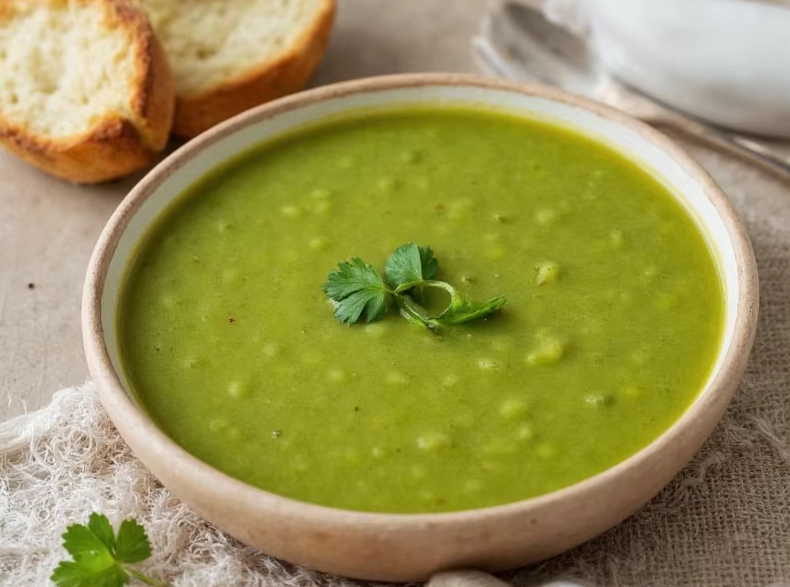
Pro Tip: Don't overcook the peas into mush. Aim for a chunky texture—it feels more satisfying. And if the soup gets too thick, thin it with a bit of water or broth. I've ruined a batch by letting it sit too long; it turned into pea paste!
Common Mistakes to Avoid
Many recipes call for ham hocks, which are fatty and high in sodium. Swap for leaner meats or go vegetarian. Also, avoid adding salt early; wait until the end to adjust. Split peas absorb salt, so you might overdo it. I once made a soup so salty it was inedible—lesson learned.
Your Top Questions Answered
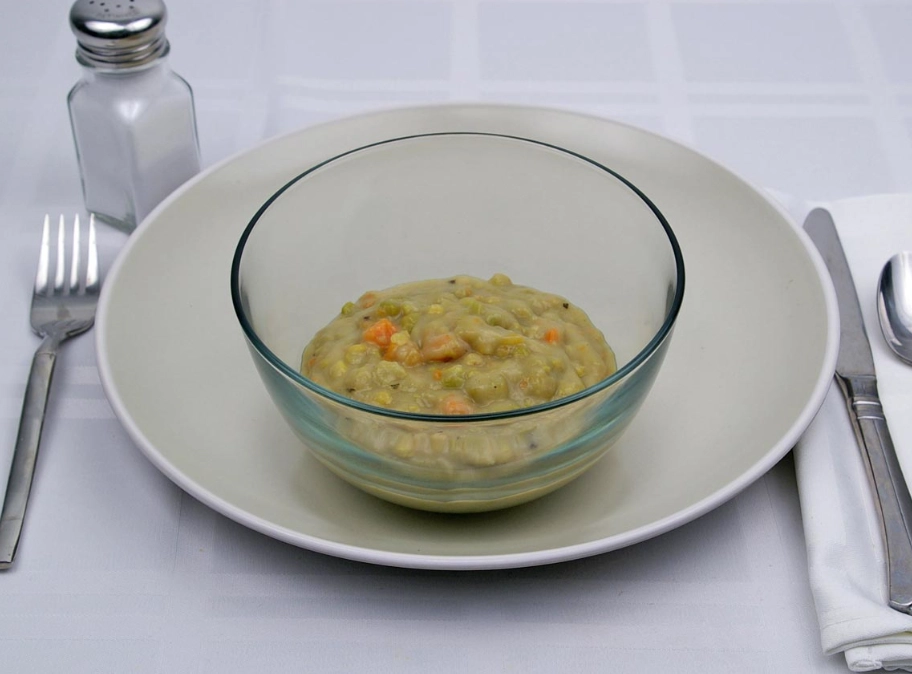 Is canned split pea soup ever a healthy option?
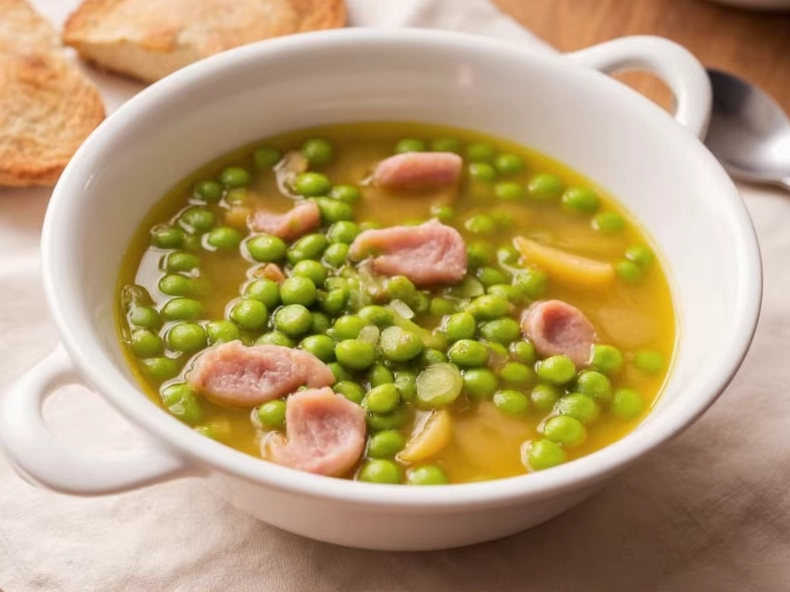 Split pea soup is more than just a winter warmer. With its robust nutrition profile, it's a smart addition to any diet. By making it at home, you control the ingredients and maximize benefits. Remember, focus on whole foods—those split peas are tiny powerhouses. Give my recipe a try, and tweak it to your taste. You might find it becomes a staple in your kitchen, just like it has in mine.
Reader Comments