Let's be honest. The idea of making soup from scratch can feel like a weekend project. But what if I told you that a pot of genuinely delicious, creamy zucchini and potato soup could be on your table in under 45 minutes, with about 15 minutes of active work? This isn't a fancy restaurant recipe. It's the kind of simple, forgiving cooking that turns a few humble vegetables into a meal that feels like a warm hug.
I've made this soup more times than I can count. It's my answer to overgrown zucchini from the garden, a chilly evening, or just the need for something nourishing that doesn't require a trip to the store. The magic is in how the potato breaks down to create a natural, velvety thickness—no roux, no heavy cream needed unless you want it.
What's in this guide
The Secret Weapon in Your Soup Pot
Zucchini and potato might seem like a quiet pair. But in a soup, they're a dynamic duo. The zucchini, with its high water content and mild flavor, provides a fresh, green backbone. The potato, specifically a starchy variety like Russet or Yukon Gold, is the workhorse. As it cooks and gets blended, it releases starch that thickens the broth into something luxuriously smooth. This is the key insight most beginner recipes gloss over: you're not just cooking vegetables in broth; you're using the potato itself as a thickening agent.
It's a technique that aligns with making soups more nutrient-dense. According to the USDA's FoodData Central, potatoes are a significant source of potassium and vitamin C, while zucchini adds a boost of vitamin A. You're getting a bowl full of vegetables in a form that's incredibly easy to digest and enjoy.
What You'll Need (Pan Matters)
You don't need special equipment. A good chef's knife, a cutting board, and one large pot. Here's where a small tip makes a difference: use a heavy-bottomed pot or Dutch oven. Thin pots heat unevenly and are more likely to scorch your onions, giving the soup a bitter edge. A thick pot distributes heat gently, encouraging the onions to caramelize properly and the vegetables to simmer evenly.
Your Shopping List for 4-6 Bowls
- 2 tablespoons olive oil or butter
- 1 large yellow onion, chopped
- 3 cloves garlic, minced
- 1.5 lbs russet or Yukon Gold potatoes (about 2 large), peeled and cubed
- 1 lb zucchini (about 2 medium), chopped (no need to peel)
- 4 cups vegetable or chicken broth (low-sodium if possible)
- 1 teaspoon dried thyme (or 3 sprigs fresh)
- Salt and black pepper to taste
- Optional for serving: A splash of cream, grated Parmesan, fresh herbs like parsley or chives, a drizzle of good olive oil.
The Foolproof Cooking Process
This is where the magic happens, and it's almost impossible to mess up.
Sauté the Aromatics. Heat the oil or butter in your pot over medium heat. Add the chopped onion and a pinch of salt. Cook, stirring now and then, until they're soft and translucent—about 8 minutes. Don't rush this. This step builds the flavor foundation. Add the garlic and cook for just one more minute until fragrant.
Add the Main Event. Throw in the cubed potatoes and chopped zucchini. Stir them around to coat them in the oniony oil. Pour in the broth. It should just about cover the vegetables. Add the thyme. Bring it to a boil, then immediately reduce the heat to a gentle simmer. Cover the pot with a lid slightly ajar.
Simmer to Tenderness. Let it bubble away for 20-25 minutes. You'll know it's done when you can easily pierce a potato cube with a fork. They should be falling-apart tender.
How to Achieve the Perfect Creamy Texture Without Cream
Now, the transformative step. Turn off the heat. Let the soup cool for 5 minutes—this is safer for blending and prevents steam pressure build-up. Use an immersion blender right in the pot to puree everything until smooth. If you use a countertop blender, work in batches, never filling the blender more than halfway, and hold the lid down with a towel.
Here's the pro move most home cooks miss: after blending, turn the heat back to low and let the soup simmer gently for another 3-5 minutes. This allows the starches from the potato to fully hydrate and swell, tightening the texture from "smooth" to "creamy." This is the difference between a good soup and a great one. Now, taste it. Season with salt and pepper. Be generous.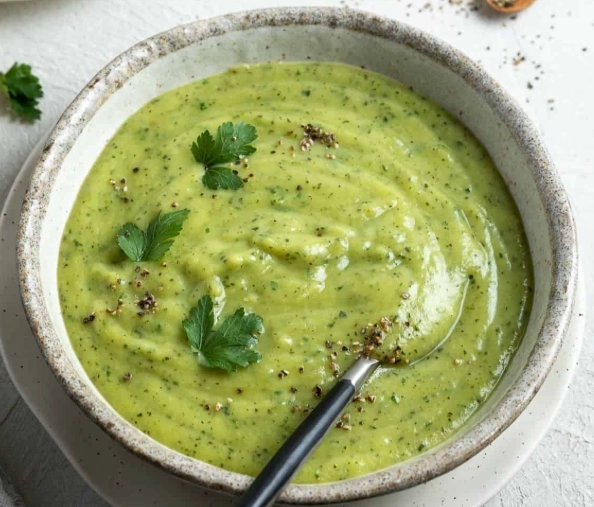
Texture Troubleshooting: If your soup is too thick after blending, whisk in a little more broth or water until it's just right. If it's too thin (unlikely, but possible), let it simmer uncovered for a few extra minutes to reduce and concentrate.
7 Ways to Customize Your Soup
The basic recipe is a blank canvas. Here are my favorite riffs:
- Add a Protein: Stir in a can of drained white beans (cannellini or navy) before blending for a heartier, fiber-rich soup. Shredded rotisserie chicken works too—add it after blending just to warm through.
- Spice It Up: Add a pinch of red pepper flakes with the garlic, or stir in a teaspoon of smoked paprika or curry powder for a warm, complex twist.
- Herb Swap: Ditch the thyme for a teaspoon of dried oregano or Italian seasoning. Fresh dill stirred in at the end is fantastic with zucchini.
- The Cheese Factor: Stir in a handful of grated sharp cheddar or Parmesan after blending for a cheesy version. A spoonful of pesto swirled on top is another win.
- Extra Veg: A chopped carrot or celery stalk added with the onions adds another layer of sweetness. A handful of spinach wilted in after blending adds color and nutrients.
- For a Tangy Kick: Finish the soup with a squeeze of fresh lemon juice or a dollop of plain yogurt or crème fraîche. It brightens the whole bowl.
- Keep it Chunky: Don't feel like blending? Just use a potato masher to partially break up the vegetables for a rustic, chunky soup.

Storing and Reheating Like a Pro
This soup stores beautifully, making it a fantastic make-ahead meal. Let it cool completely, then transfer it to airtight containers.
In the fridge: It will keep for 4-5 days. The flavors often meld and improve by the second day.
In the freezer: This is crucial—freeze the soup base before adding any dairy (cream, milk, yogurt). Dairy can separate and become grainy when frozen and thawed. Freeze the plain blended soup for up to 3 months. Thaw overnight in the fridge, reheat gently, and then add your creamy finishes.
Reheat slowly on the stovetop over medium-low heat, stirring occasionally. If it has thickened in the fridge, just add a splash of broth or water to loosen it up.
Your Soup Questions, Answered
So there you have it. More than just a recipe, it's a template for a reliable, healthy, and deeply satisfying meal. The next time you see zucchini at the store or have a few potatoes rolling around in the pantry, you know exactly what to do. Grab your pot, and give it a try. I think you'll find it becomes a regular in your rotation, too.
Reader Comments