You just finished making a beautiful buttercup squash soup or a roasted squash side dish. Now you're staring at a pile of seeds and stringy pulp. Your first thought might be to scrape it all into the compost bin. Hold on. If you toss those buttercup squash seeds, you're throwing away one of the best, most nutritious snacks you can make at home. Roasting them transforms slimy seeds into crispy, addictive little bites. I've been roasting seeds from every squash variety for over a decade, and I can tell you, buttercup squash seeds have a unique character that's often overlooked. Most guides treat all squash seeds the same, but that's a mistake. Let's fix that.
What You'll Find in This Guide
How to Prepare Buttercup Squash Seeds for Roasting
This is the step where most people get impatient and cut corners. Don't. Proper prep is 80% of the battle for crispy seeds. Buttercup squash seeds are often thinner and have more tenacious pulp than pumpkin seeds, so they need a slightly different approach.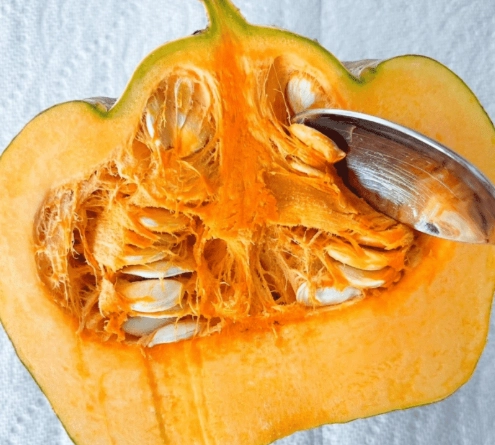
Scoop and Separate: Use a sturdy spoon to scrape out the seed cavity. Dump everything into a large bowl. Now, here's a trick I learned the hard way: don't try to pick each seed clean by hand under running water. It takes forever. Instead, fill the bowl with warm (not hot) water. The seeds will float, and a lot of the pulp will sink or become easier to separate. Swirl everything around with your fingers.
The real work starts now. You need to get as much of the stringy, orange pulp off as possible. I work in small handfuls, rubbing the seeds between my fingers under the water. It's a bit messy, but it's meditative. A little bit of stubborn pulp left on is okay—it will burn off in the oven—but large chunks will create bitter, burnt spots.
The Crucial Dry-Off: This is the most commonly skipped step, and it's the reason for soggy, steamed seeds. After rinsing, spread the seeds in a single layer on a clean, dry kitchen towel or a double layer of paper towels. Pat them dry. Then, let them air-dry for at least 30 minutes, or even an hour if you have time. You want the outer shells to feel dry to the touch. Moisture is the enemy of crispness.
To Soak or Not to Soak?
You might see advice about soaking seeds in salted water before roasting. For large, thick pumpkin seeds, this can help seasoning penetrate. For thinner buttercup squash seeds? I find it's unnecessary and adds more drying time. The seasoning sticks just fine to the tacky surface of a patted-dry seed. Skip the soak.
The Foolproof Roasting Method
Now for the fun part. Consistency is key here. Forget high heat blasts; we're going for even, gentle heat that dries the seeds from the inside out.
- Preheat and Pan: Preheat your oven to 300°F (150°C). Not 350°, not 400°. 300°. This lower temperature is the secret weapon. Line a rimmed baking sheet with parchment paper. Why parchment? It prevents sticking without adding extra oil, and it makes cleanup a dream. Foil can cause hot spots.
- Coat the Seeds: In a bowl, toss your dry seeds with about 1 teaspoon of oil per cup of seeds. I prefer a neutral oil with a high smoke point like avocado or refined coconut oil. Olive oil can work, but it might impart a flavor and can burn more easily. Toss until every seed has a faint sheen. You don't want them swimming.
- Season and Spread: Add your salt and any other dry seasonings now (we'll get to creative mixes next). Toss again. Pour the seeds onto your prepared sheet and spread them into the thinnest, most even layer possible. Crowded seeds will steam each other. Give them space.
- The Roast: Place the sheet in the center of the preheated oven. Set a timer for 15 minutes. After 15 minutes, take the sheet out. This is mandatory. Use a thin spatula to stir, flip, and shuffle the seeds. Move the ones from the edges to the center and vice-versa. This ensures even browning.
- Finish and Test: Return the sheet to the oven for another 10 to 15 minutes. Start checking at the 10-minute mark. How do you know when they're done? They will be a light golden brown, and you'll hear a faint, consistent sizzling sound stop. Take one out, let it cool for a minute, and taste it. It should be crisp all the way through, not chewy in the center.
Let them cool completely on the sheet. This final cooling stage is where the last bit of moisture evaporates, locking in the crunch. Then, store them in an airtight container at room temperature.
Beyond Salt: Creative Seasoning Ideas
Salt is classic, but buttercup squash seeds are a blank canvas. Their mild, slightly nutty flavor pairs with so many profiles. Here are my go-to combinations, tested over countless batches.
| Flavor Profile | Seasoning Mix (for ~1 cup seeds) | When to Add |
|---|---|---|
| Smoky & Spicy | 1 tsp smoked paprika, 1/2 tsp garlic powder, 1/4 tsp cayenne (adjust to heat), 3/4 tsp sea salt. | With oil, before roasting. |
| Sweet & Savory | 1 tbsp maple syrup or honey, 1 tbsp oil, 1/2 tsp cinnamon, 1/4 tsp nutmeg, 1/2 tsp salt. Watch closely as sugars can burn. | Toss with oil/syrup mix before roasting. Lower temp to 275°F. |
| Everything Bagel | 2 tsp Everything Bagel seasoning, 1/2 tsp onion powder. | With oil, before roasting. |
| Simple Herb | 2 tsp dried rosemary (crushed), 1 tsp dried thyme, zest of 1 lemon, 1 tsp salt. | With oil, before roasting. |
| Nutritional Boost | After roasting, while still warm, toss with 2 tbsp nutritional yeast and a pinch of salt. | After roasting, while warm. |
Experiment! A dash of soy sauce or tamari mixed with the oil creates an umami bomb. A sprinkle of chili-lime seasoning after roasting is addictive.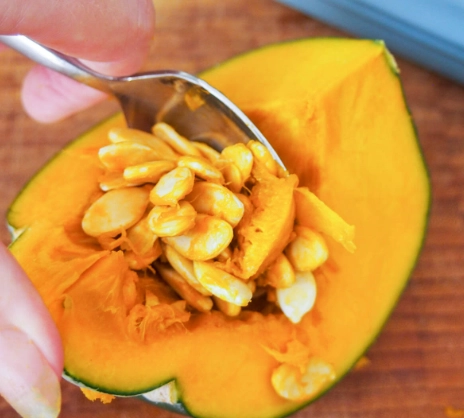
Pro Tips & Common Mistakes to Avoid
After roasting seeds for years, you see patterns. Here’s what separates a good batch from a great one.
Mistake #1: Using a Silpat or bare pan. Silicone mats can trap moisture. Parchment is superior for drying. A bare pan almost guarantees some sticking.
Mistake #2: Not stirring during roasting. Ovens have hot spots. That shuffle at the 15-minute mark is non-negotiable. It’s the difference between evenly golden seeds and a mix of pale and burnt ones.
Mistake #3: Storing them while still warm. Any residual warmth creates condensation in your storage jar, which turns your crispy seeds soft and sad overnight. Let them cool to absolute room temperature.
Why bother with all this? Nutritionally, it's worth it. While specific data for buttercup squash seeds is limited, squash seeds in general are recognized as a good source of healthy fats, protein, magnesium, and zinc. The USDA includes pumpkin and squash seeds in its food composition database, highlighting their nutrient density. You're turning waste into a wholesome, satisfying snack.
I once gave a jar of my smoked paprika roasted seeds to a friend who claimed not to like "health food." She texted me two days later asking for the recipe and admitting she'd finished the whole jar while binge-watching a show. They have that effect.
Reader Comments