Let's get straight to it: a pickle cucumber is any cucumber that's been preserved through pickling. But if you think that's all there is, you're missing out on a world of crisp, tangy goodness. I've been pickling for over a decade, and I've seen too many people grab the wrong cucumbers or skip crucial steps, ending up with mushy, bland results. This guide will walk you through everything—from what makes a cucumber ideal for pickling to how you can avoid common pitfalls and create perfect pickles at home.
Here's What We'll Cover
- What Exactly Is a Pickle Cucumber?
- The History and Origins of Pickling Cucumbers
- Different Types of Pickle Cucumbers You Should Know
- How to Pickle Cucumbers at Home: A Step-by-Step Guide
- Health Benefits of Eating Pickled Cucumbers
- Common Mistakes and Expert Tips for Perfect Pickles
- Frequently Asked Questions About Pickle Cucumbers
What Exactly Is a Pickle Cucumber?
At its core, a pickle cucumber isn't a specific breed. It's a cucumber—usually smaller and firmer—that's been soaked in a brine or vinegar solution to preserve it and add flavor. The magic happens through fermentation or acidification, which transforms the raw cucumber into a pickle. Most people picture gherkins, those small, bumpy cucumbers often used in sweet pickles, but any cucumber can be pickled if treated right.
Here's where beginners slip up: they assume all cucumbers are the same. I learned this the hard way when I used English cucumbers for my first batch. They have thin skins and high water content, which led to soggy pickles. Pickling cucumbers, like Kirby or Boston pickling varieties, have thicker skins and denser flesh, holding up better during the process. According to the University of Georgia's National Center for Home Food Preservation, selecting the right cucumber is key to texture and safety.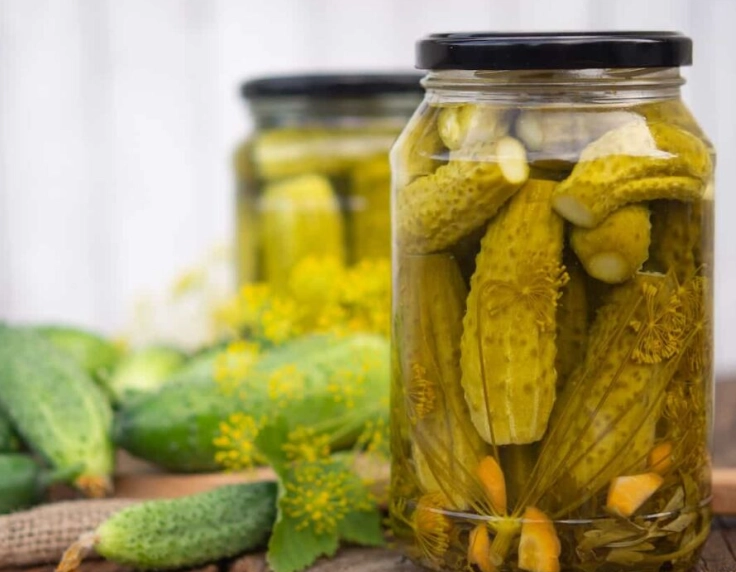
Think of it this way: a pickle cucumber is a canvas. The brine—a mix of salt, water, vinegar, and spices—adds the art. Whether you're making dill pickles, bread and butter pickles, or fermented kosher dills, the cucumber's role is to absorb those flavors while staying crisp.
The History and Origins of Pickling Cucumbers
Pickling isn't new; it dates back thousands of years as a way to preserve food before refrigeration. Cucumbers likely originated in India and were pickled in ancient Mesopotamia and Egypt. The term "pickle" comes from the Dutch word "pekel," meaning brine. In the U.S., pickles gained popularity in the 19th century with Jewish immigrants introducing fermented dill pickles to New York City.
I find it fascinating how regional variations emerged. In the South, sweet pickles with sugar and spices became a staple, while in Europe, gherkins are often served with meats. This history isn't just trivia—it shows why pickling methods vary. For instance, fermentation (using salt and time) versus quick-pickling (using vinegar and heat) offer different flavors and textures.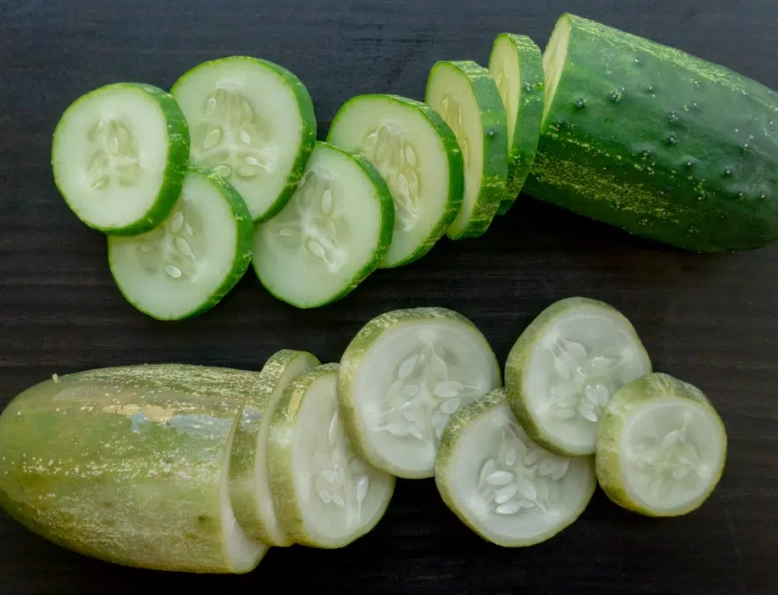
Different Types of Pickle Cucumbers You Should Know
Not all pickles are created equal. The type of cucumber and pickling method define the end product. Here's a quick breakdown:
- Gherkins: Small, bumpy cucumbers, often used for sweet pickles or cornichons. They're crunchy and hold shape well.
- Kirby Cucumbers: The go-to for many home picklers. They're short, firm, and have minimal seeds—perfect for dill pickles.
- Boston Pickling Cucumbers: Similar to Kirbys but slightly larger; great for whole pickles.
- English Cucumbers: Not ideal for pickling due to thin skin, but can work in quick refrigerator pickles if sliced thin.
Beyond cucumbers, the pickling style matters. Fermented pickles rely on natural bacteria (like in sauerkraut), creating a tangy, probiotic-rich food. Vinegar-based pickles are quicker and more acidic. I prefer fermentation for depth of flavor, but it requires patience—something many beginners lack, leading to spoiled batches.
How to Pickle Cucumbers at Home: A Step-by-Step Guide
Ready to make your own pickles? Here's a straightforward method I've refined over years. This focuses on basic dill pickles, but you can adapt it for sweet or spicy versions.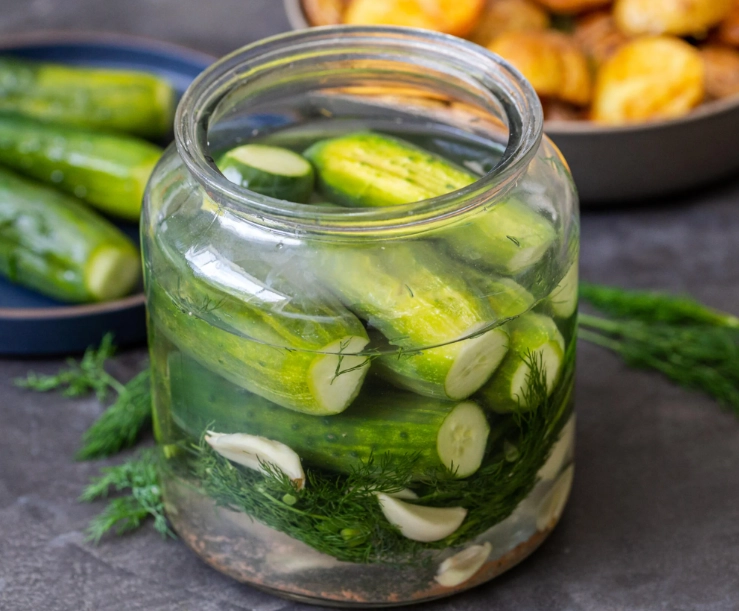
Choosing the Right Cucumbers
Head to a farmers' market or grocery store and look for fresh, firm pickling cucumbers. Avoid any with soft spots or wrinkles. For crispier pickles, pick them small—about 4-6 inches long. Wash them thoroughly; I scrub gently with a brush to remove dirt.
Preparing the Brine
The brine is where flavor happens. For a quart jar, mix:
- 2 cups water
- 1 cup white vinegar (5% acidity)
- 2 tablespoons pickling salt (not iodized salt—it can cause cloudiness)
- 1 tablespoon sugar (optional, for balance)
Bring this to a boil, then let it cool slightly. Add spices: dill seeds, garlic cloves, mustard seeds, and peppercorns. I often throw in a bay leaf for earthiness.
The Packing and Processing
Pack cucumbers tightly into sterilized jars. Pour the warm brine over, leaving half an inch of headspace. Seal the jars. For refrigerator pickles, just chill them for a few days. For shelf-stable pickles, process in a boiling water bath for 10 minutes (check guidelines from the National Center for Home Food Preservation for safety).
My pro tip: add a grape leaf or oak leaf to each jar. The tannins help keep pickles crisp—a trick my grandmother swore by, and it works.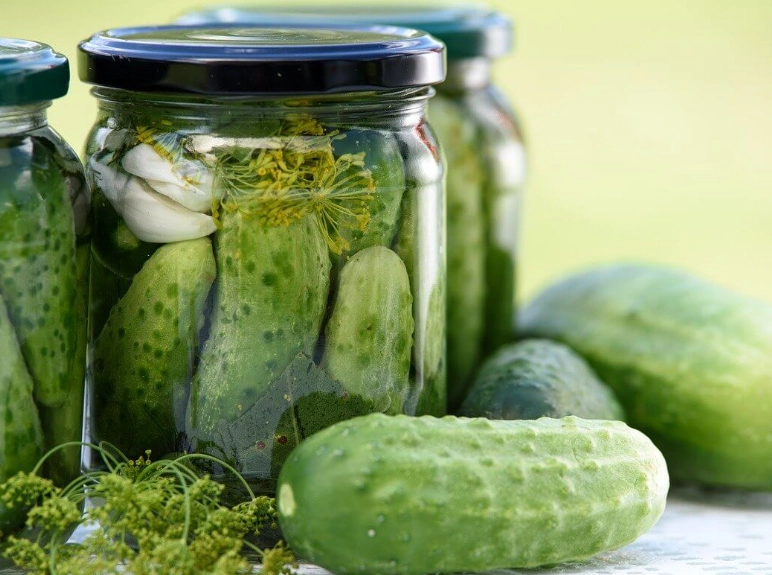
Health Benefits of Eating Pickled Cucumbers
Pickles aren't just tasty; they can be good for you. Fermented pickles are rich in probiotics, which support gut health. They're low in calories and provide vitamin K, potassium, and antioxidants. However, watch the sodium content—commercial pickles can be high in salt. Homemade versions let you control that.
A study published in the Journal of Agricultural and Food Chemistry notes that fermented foods may boost immunity. But I caution against overdoing it: too much vinegar can affect tooth enamel. Balance is key.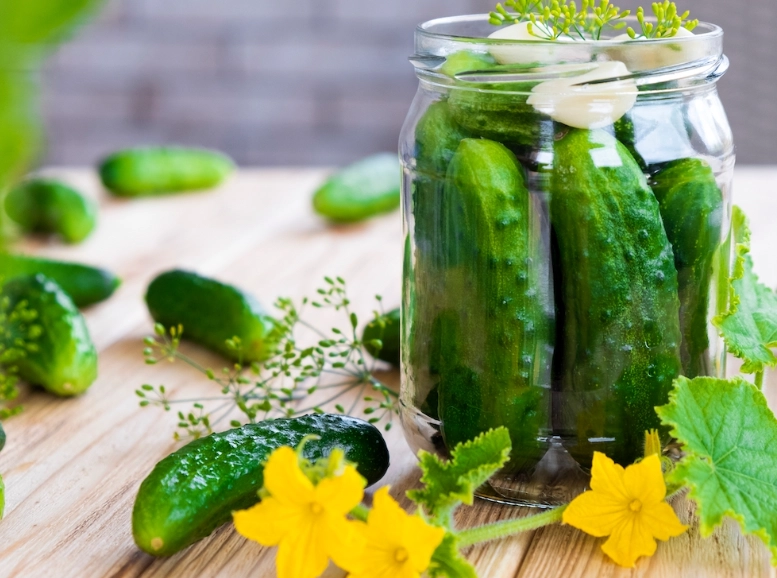
Common Mistakes and Expert Tips for Perfect Pickles
After teaching pickling workshops, I've seen the same errors repeatedly. Here's how to avoid them:
Mistake 1: Using the wrong salt. Iodized salt contains anti-caking agents that can make brine cloudy. Use pickling or kosher salt.
Mistake 2: Skipping the crispness agent. Besides grape leaves, you can use alum or calcium chloride (like Pickle Crisp). But go easy—too much can alter flavor.
Mistake 3: Not sterilizing jars. Even for refrigerator pickles, clean jars prevent mold. I run them through the dishwasher or boil them for 10 minutes.
Mistake 4: Rushing fermentation. If you're fermenting, give it at least a week at room temperature. Patience yields better flavor.
My non-consensus tip: don't fear experimentation. Once, I added jalapeños and coriander to a batch, creating a hit at family gatherings. Pickling is as much science as art.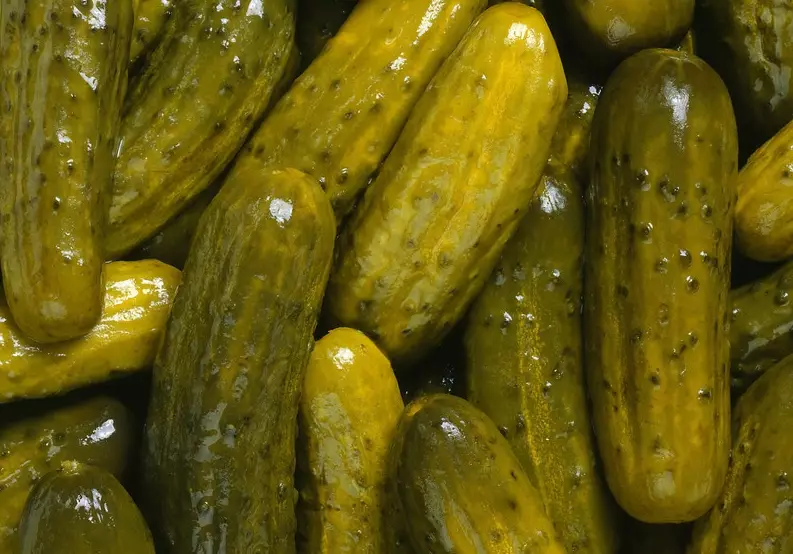
Reader Comments