I've got to say, the fruit aisle in August is a carnival of color and flavor. It's that special time when summer's heat has done its work, concentrating sugars and bringing a huge variety of fruits to perfect ripeness. But walking past all those bins can be overwhelming. Which ones are truly at their peak? How do you pick the best ones without getting a bland, mealy disappointment? After years of trial and error (and a few too many tasteless peaches), I've put together this complete guide to the fruits in season in August. Think of it as your cheat sheet for the late-summer harvest.
What's Inside This August Fruit Basket?
The A-List: Top Fruits Hitting Their Peak in August
This isn't just a generic list. These are the fruits that, in August, transition from "good" to "can't-stop-eating" fantastic. Their flavors are intense, their textures are ideal, and their prices often drop because the supply is plentiful.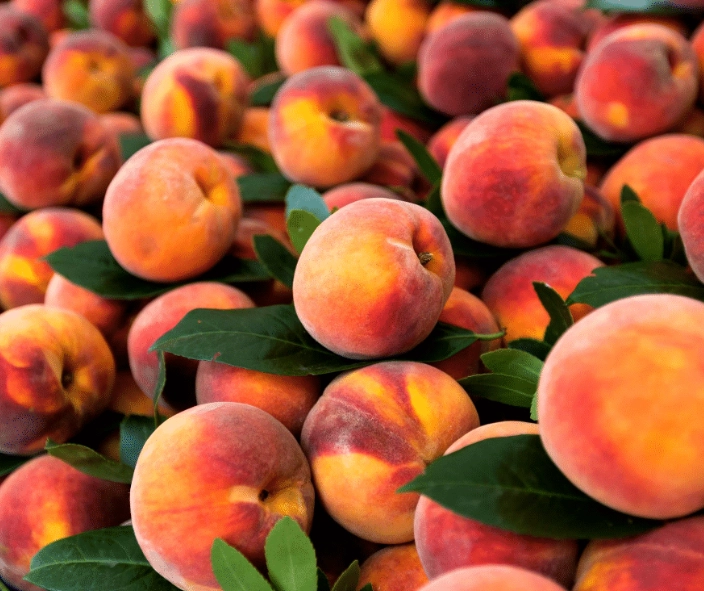
| Fruit | Key Varieties & Flavor Notes | Pro Picking Secret | Best For |
|---|---|---|---|
| Peaches & Nectarines | Freestone (flesh separates easily) are ideal for cooking. Clingstone are great for eating fresh. White-fleshed varieties are often sweeter, yellow-fleshed are more balanced. | Smell is everything. A ripe one will have a intensely sweet, floral fragrance at the stem end. Ignore the red blush; it's not a ripeness indicator. | Grilling, cobblers, eating over the sink. |
| Plums & Pluots | From tart Italian prunes (great for baking) to super-sweet black plums. Pluots (plum-apricot hybrids) offer explosive sweetness. | Give a gentle squeeze near the stem. It should yield slightly, like a ripe avocado. A powdery "bloom" on the skin is natural and protective. | Jams, tarts, adding to salads for a sweet-tart punch. |
| Melons (Watermelon, Cantaloupe, Honeydew) | August is prime time for all. Look for seedless watermelons for ease, or heirloom varieties for complex flavor. | For watermelon, a deep, hollow sound when thumped and a creamy yellow ground spot. For cantaloupe, a sweet, musky smell through the rind. | Chilled soups, salads, blended into agua fresca. |
| Berries (Late Blueberries, Blackberries) | Late-season blueberries can be larger and sweeter. Wild blackberries start appearing, with a more intense, wine-like flavor than cultivated ones. | Blueberries should be firm, dusty blue, and roll freely in the container. Avoid red or green tips. Blackberries should be plump and deeply colored, not dull. | Freezing for later, pancakes, mixing into yogurt. |
| Figs | Black Mission (deep berry flavor), Brown Turkey (milder, great for drying), Calimyrna (green skin, nutty taste). | They are fragile and don't ripen off the tree. Buy them ripe—soft to the touch, slightly drooping at the neck. Eat within a day or two. | Pairing with cheese and prosciutto, roasting with honey, eating fresh. |
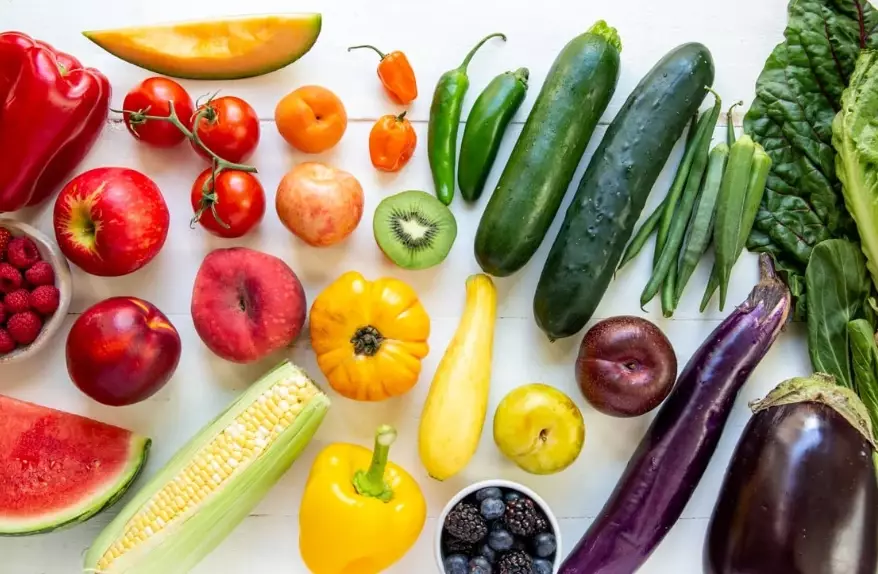
How to Pick Perfectly Ripe Fruit Every Time
Here's where most guides stop at "look for color." That's not enough. Color can be deceptive, bred into fruit for appearance. Let's talk about the senses you should actually trust.
Trust Your Nose More Than Your Eyes
A ripe stone fruit (peach, nectarine, plum) or melon should smell like what you want it to taste like. No scent usually means no flavor. Get close to the stem end and take a whiff. If it smells sweet and fragrant, you're on the right track. If it smells like nothing, put it back.
The Gentle Squeeze Test (And Its Limits)
Yes, a little give is good for peaches, plums, and avocados. But be gentle. Bruising is a one-way ticket to mush. The key is to apply pressure near the stem, not on the broad side of the fruit. For melons, the blossom end (opposite the stem) should give slightly under pressure.
Don't squeeze berries or figs. Ever. You'll destroy them.
Weight and Sound: The Watermelon Whisperer Method
A ripe watermelon feels heavy for its size—that means it's full of water (and flavor). The classic thump test: a deep, hollow sound indicates ripeness; a tight, high-pitched sound means it's under-ripe. Also, check for a creamy yellow or orange spot where it rested on the ground. A white spot means it was picked too early.
Storing Your August Bounty So It Lasts
You brought home perfect fruit. Now don't ruin it. A common mistake is shoving everything in the fridge right away.
Do NOT refrigerate: Peaches, nectarines, plums, melons (whole), or tomatoes if they need to ripen. Cold temperatures halt the ripening process and can make the flesh mealy. Leave them on the counter out of direct sun.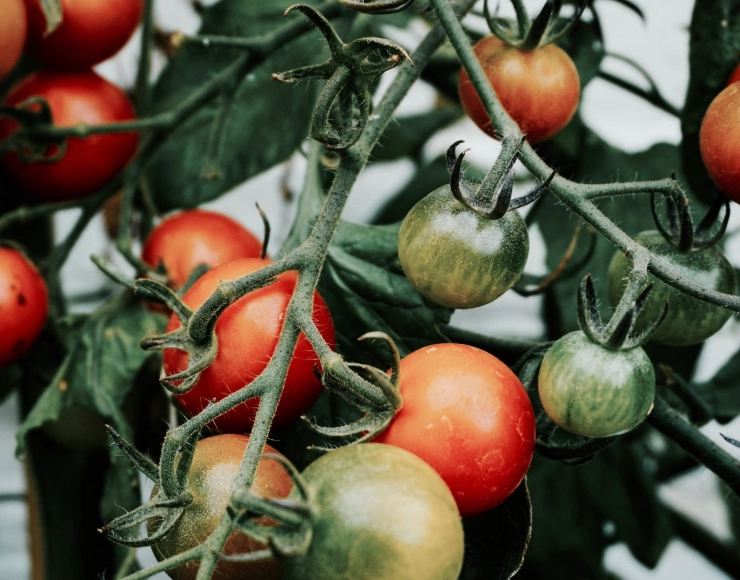
Do refrigerate: All berries, cherries, and ripe figs immediately. Store them unwashed in a single layer on a paper towel in a ventilated container. Wash only right before you eat them.
The transition: Once your stone fruit or melon is perfectly ripe, then you can move it to the fridge to slow down decay for a day or two. But for the best flavor, let it come back to room temperature before eating.
What if you bought a rock-hard peach? Place it in a paper bag with a banana or apple. These fruits emit ethylene gas, a natural ripening agent. Fold the bag closed and check daily.
3 Simple Ways to Enjoy August Fruits (No Fancy Skills Needed)
You don't need to bake a pie. Here are my go-to methods that let the fruit shine.
1. The Ultimate No-Cook Peach & Tomato Salad
This sounds odd until you try it. Heirloom tomatoes are also at their peak in August. Slice ripe peaches and tomatoes. Arrange them on a platter. Tear over some fresh basil, a drizzle of good olive oil, a splash of balsamic glaze, and a pinch of flaky salt. The sweet, acidic, and savory combo is unreal. Add fresh mozzarella if you like.
2. Two-Minute Berry Sauce for Everything
Take a cup of blueberries or blackberries that are just past their prime for eating fresh. Toss them in a small saucepan with a tablespoon of maple syrup or honey and a squeeze of lemon juice. Heat over medium for 2-3 minutes, mashing slightly with a fork, until they burst and create a sauce. Let it cool. Pour it over yogurt, ice cream, pancakes, or oatmeal. It beats any store-bought syrup.
3. Frozen Watermelon Cubes for Blending
Cut a watermelon into 1-inch cubes. Spread them on a baking sheet lined with parchment and freeze solid (about 2 hours). Then transfer to a freezer bag. Now you have ready-to-go cubes for instant watermelon smoothies or slushies. Just blend the frozen cubes with a little lime juice and mint. No need for ice, which waters it down.
Reader Comments