You bought a bag of sweet onions because they were on sale, or maybe your garden gave you a bounty. Now they're sitting on the counter, and you're thinking... now what? Salad is fine, but there's a whole world of flavor locked in those pale bulbs waiting to be unleashed. This isn't just about chopping an onion. It's about transforming them into kitchen gold: jammy, caramelized strands for burgers, tangy quick-pickles for tacos, and a secret base for dips that will have people asking for your recipe.
I've burned my share of onions to learn that low and slow isn't just a suggestion—it's the law. I've also found that the "sweet" in sweet onion (think Vidalia, Walla Walla, Maui) is their superpower, reducing the sharp bite and allowing their natural sugars to shine with minimal effort. Let's get into it.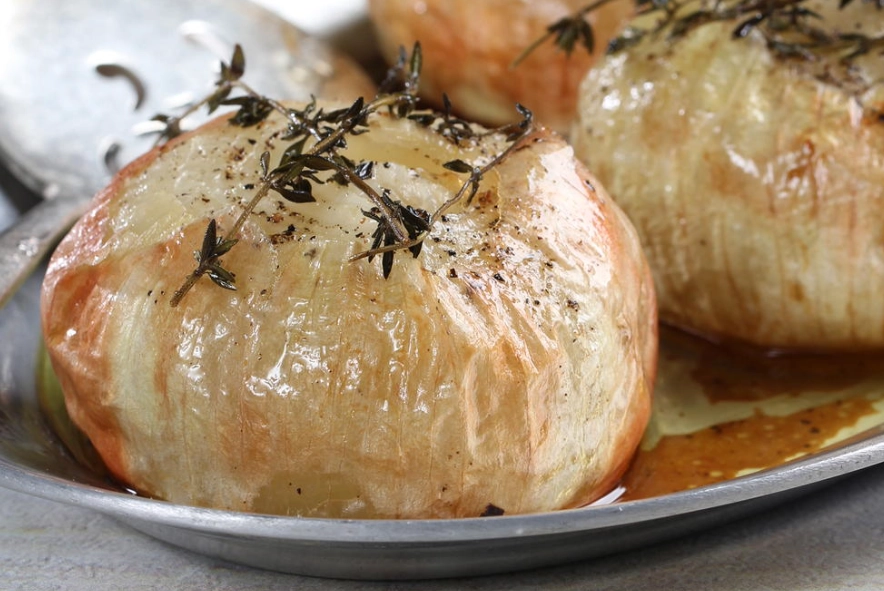
What's Inside: Your Sweet Onion Journey
Why Sweet Onions Are Your Secret Weapon
Most recipes just say "onion." But grabbing a sweet onion versus a yellow or white onion changes the game. They have a higher water and sugar content, and lower sulfur compounds. In plain English? They're milder, less likely to make you cry, and they caramelize beautifully because the sugar is already there, ready to work.
Think of them as the friendly, versatile cousin. You can use them raw in salsa or on a sandwich without overpowering everything else. When cooked, they melt into a sweet, savory foundation rather than leaving a pungent aftertaste. For the recipes we're tackling—caramelizing and pickling—starting with a sweet onion gives you a head start on flavor and a more forgiving cooking process.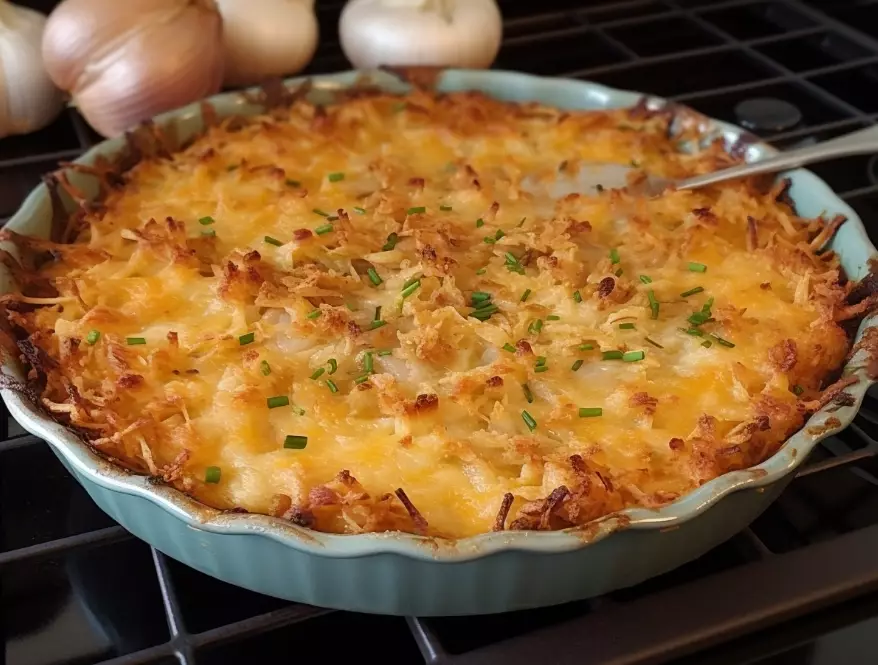
How to Choose and Store Sweet Onions for Maximum Flavor
Getting this right matters. A bad onion ruins everything.
Look for firm onions with tight, papery skins. Avoid any with soft spots, green sprouts shooting from the top, or a smell coming through the skin (they should smell like nothing at the store). The neck (top) should be dry and tightly closed.
Here’s the storage truth most people miss: DO NOT store them in the same basket as your potatoes. Potatoes release moisture and gases that make onions spoil faster. Keep them in a cool, dark, dry, and well-ventilated place—a mesh bag in a pantry cupboard is perfect. A plastic bag traps moisture and speeds up rot.
Once cut, wrap the leftover onion tightly in plastic wrap or put it in an airtight container and refrigerate. Use it within 3-4 days.
| Onion Type | Best For | Storage Tip |
|---|---|---|
| Sweet Onion (Vidalia, etc.) | Caramelizing, eating raw, pickling, grilling | Cool, dry pantry; away from potatoes |
| Yellow Onion | Soups, stews, roasts, long-cooked sauces | Cool, dry pantry; longest shelf life |
| Red Onion | Pickling, salads, garnishes (for color) | Cool, dry pantry; use relatively quickly |
The Master Recipe: Foolproof Caramelized Sweet Onions
This is the recipe that will make you feel like a kitchen wizard. Caramelized sweet onions are not a 5-minute job, but the active work is minimal. The key is patience and trusting the process. You're not frying them; you're gently coaxing the sugars out.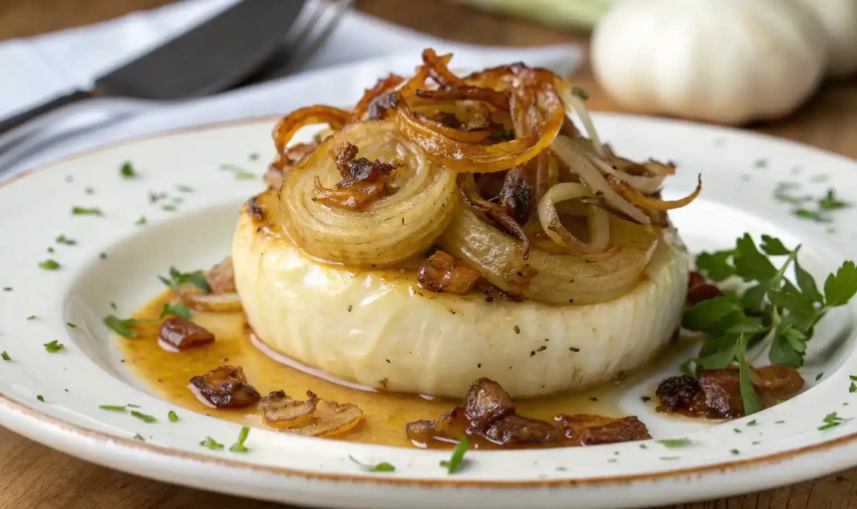
Ingredients & Equipment
You need very little:
- 3-4 large sweet onions (about 2 lbs)
- 3 tablespoons unsalted butter or olive oil (or a mix. Butter for richness, oil for higher heat tolerance).
- Salt (about 1 tsp kosher salt)
- A pinch of sugar (optional, but can help kickstart caramelization if you're impatient).
- A heavy-bottomed skillet or Dutch oven (stainless steel or enameled cast iron is ideal). Non-stick works, but you won't get those delicious fond bits to deglaze.
The Step-by-Step (No Shortcuts)
- Slice Uniformly: Halve the onions from root to stem, peel, and slice into 1/4-inch half-moons. Uniform slices cook evenly. Don't make them too thin or they'll burn, too thick and they'll steam.
- Melt & Swirl: Heat your pan over medium heat. Add the fat and swirl to coat.
- The Big Add: Add all the onions and salt. The pan will be very full. That's okay. Stir to coat in the fat.
- The Initial Sweat: Cook, stirring occasionally, for 10-15 minutes until the onions have wilted down significantly and released their liquid. They'll be translucent.
- The Long Game: This is where people fail. Reduce the heat to medium-low or low. You want a gentle sizzle, not a furious fry. Cook, stirring every 5-10 minutes, scraping the bottom. The liquid will evaporate, and the onions will start to turn golden. This takes at least 30-45 more minutes. Total time: 45-60 minutes.
- The Finish: When they are a deep, rich brown and jammy, they're done. If you want, add a splash of water, broth, or vinegar to deglaze the pan and scrape up any browned bits—that's pure flavor.
What do you get? A sweet, savory, deeply flavorful condiment. It freezes beautifully in small containers or ice cube trays.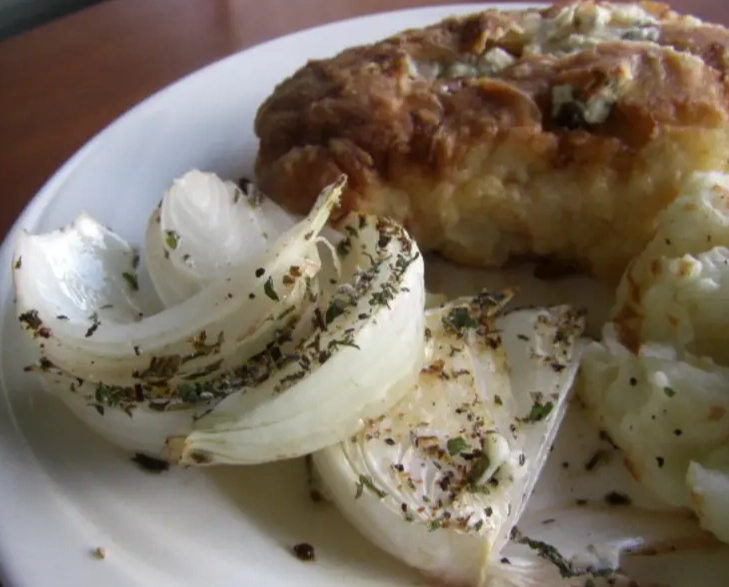
15-Minute Quick-Pickled Sweet Onions
If caramelized onions are the slow-cooked hero, these are the speedy sidekick. They add a crunch, a vinegary punch, and a pink hue to anything. Tacos, burgers, bowls, salads—they lift everything.
Ingredients:
- 1 medium sweet onion, thinly sliced (use a mandoline for paper-thin slices if you have one)
- 1/2 cup apple cider vinegar or white vinegar
- 1/2 cup warm water
- 1 tablespoon sugar
- 1.5 teaspoons kosher salt
- Optional flavors: 1 tsp whole peppercorns, 1 crushed garlic clove, a pinch of red pepper flakes.
Method: Pack the onion slices into a clean jar. In a separate bowl or measuring cup, whisk the warm water, vinegar, sugar, and salt until dissolved. Pour the brine over the onions, ensuring they're submerged. Tap the jar to release air bubbles. Let it cool to room temperature, then lid it and refrigerate.
They're good in 15 minutes, better after a few hours, and will keep for 2-3 weeks in the fridge.
5 Creative Ways to Use Your Sweet Onion Creations
Now that you have these building blocks, here's how to use them. This is where the magic happens.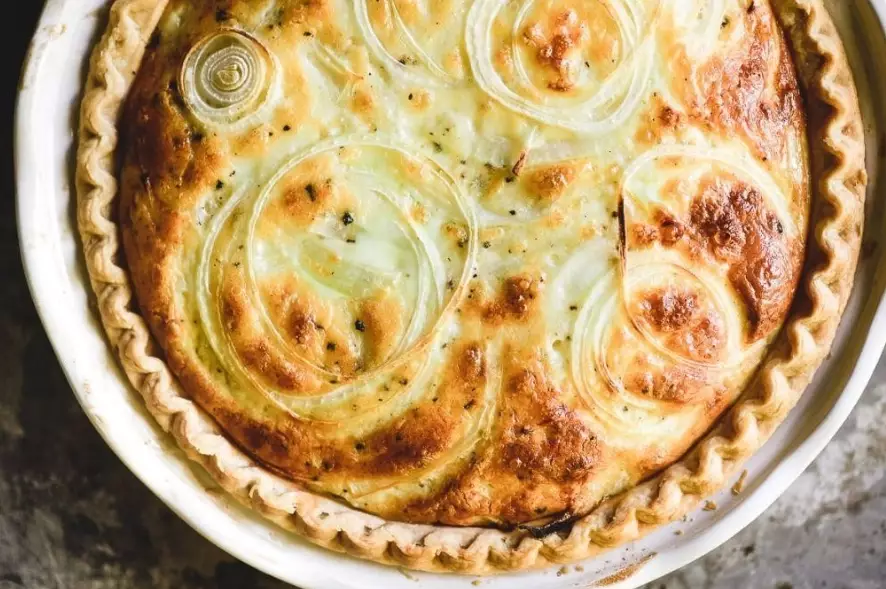
1. The Ultimate Burger or Sandwich Spread: Mix a few tablespoons of your caramelized onions with an equal amount of mayo and a teaspoon of Dijon mustard. Spread it on the bun. Game over.
2. "French Onion" Dip Reinvented: Stir 1 cup of caramelized onions into 16 oz of full-fat sour cream. Add a dash of Worcestershire sauce, garlic powder, and black pepper. Chill for an hour. It tastes like the soup in dip form.
3. Grain Bowl & Salad Booster: A spoonful of caramelized onions adds instant depth to a bowl of quinoa, rice, or greens. Scatter pickled onions on top for acidity and crunch.
4. Grilled Cheese Upgrade: Inside your grilled cheese, add a layer of caramelized onions and a sharp cheese like cheddar or Gruyère. The onions melt into the cheese.
5. Quick Relish for Grilled Meats & Fish: Chop your pickled onions and mix them with some fresh cilantro, lime juice, and a diced tomato. Instant fresh relish for tacos, chicken, or fish.
Sweet Onion Recipe FAQs (Solved by Trial & Error)
 How can I pickle onions if I don't have apple cider vinegar?
 Can I freeze caramelized onions?
Reader Comments