I remember walking into my local farmers' market last August, the air thick with the smell of ripe peaches and buzzing with bees. It was a mess at first—so many fruits, all claiming to be "the best." But after years of talking to growers and making my own mistakes, I've learned that August is a goldmine for fruit lovers. Let's cut through the noise and get straight to what you need: a no-nonsense guide to the fruits that are actually at their peak this month.
Jump to What You Need
What Fruits Are in Season in August?
August is that sweet spot where summer fruits are bursting with flavor, and early fall favorites start creeping in. Based on data from sources like the USDA's seasonal produce guide, here are the stars of the month. I've seen too many blogs just list names, so let's add some color—literally.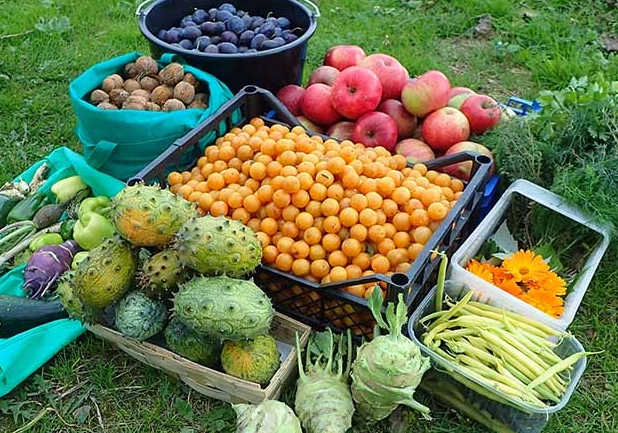
| Fruit | Flavor Profile | Peak Weeks in August | Why It's Special |
|---|---|---|---|
| Peaches | Juicy, sweet with a tangy hint | Early to mid-August | High in vitamins A and C; perfect for eating fresh or grilling |
| Plums | Tart to sweet, depending on variety | Mid to late August | Rich in antioxidants; great for jams or baking |
| Watermelon | Refreshingly sweet and watery | All month | Hydrating and low in calories; ideal for hot days |
| Blueberries | Sweet with a slight acidity | Late July through August | Packed with fiber and vitamin K; freeze well for later |
| Figs | Honey-like sweetness | Late August into September | Delicate and perishable; best eaten within days of picking |
| Nectarines | Smooth-skinned, similar to peaches | Early August | Less fuzzy than peaches; good for salads |
Don't just take my word for it. I once bought peaches in early June, and they were rock-hard and tasteless. August peaches? They practically melt in your mouth. That's the difference seasonality makes.
How to Pick the Perfect August Fruit: Insider Tips
Everyone tells you to look for color or smell, but that's not enough. After chatting with a veteran farmer in California, I realized most people mess up by ignoring texture and weight. Here's what you should really do.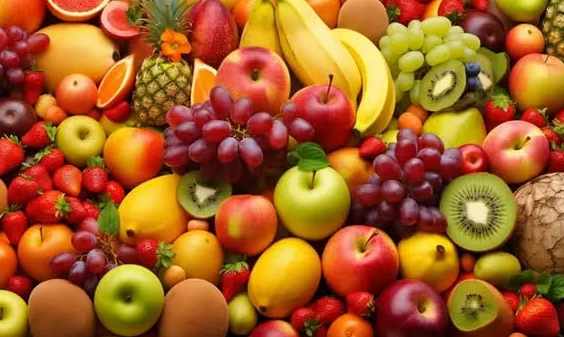
For Stone Fruits Like Peaches and Plums
Gently press near the stem. It should give slightly, but not feel mushy. If it's hard, it was picked too early and won't ripen well. Color can be misleading—some varieties stay greenish even when ripe. Instead, check for a creamy yellow background hue, not just red blushes.
For Watermelons
Forget tapping and listening for a hollow sound. That trick is hit or miss. Look for a creamy yellow spot where it rested on the ground—that indicates ripeness. The watermelon should feel heavy for its size, which means it's full of water and sweet.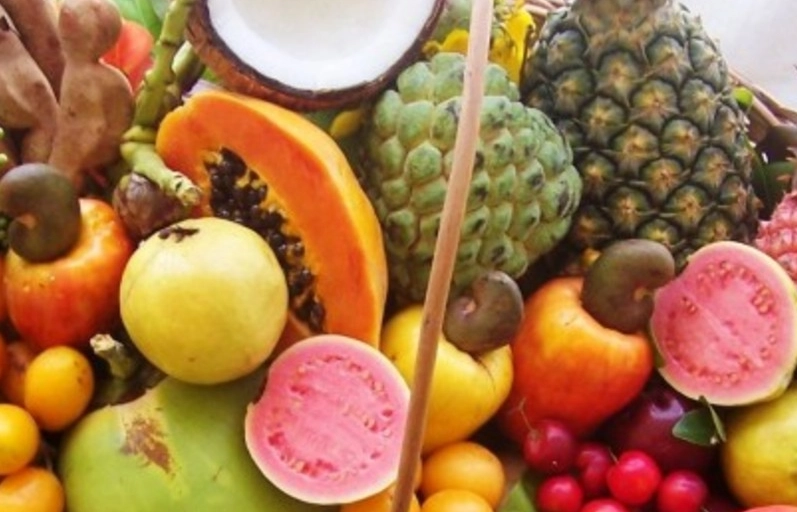
I made the mistake once of choosing a lightweight watermelon, and it was dry and bland. Lesson learned: weight matters more than sound.
For Berries Like Blueberries
Avoid containers with juice stains at the bottom—that's a sign of overripe or crushed berries. Blueberries should be firm, plump, and have a dusty blue coat. If they're shiny, they might be underripe.
Pro Tip: When buying figs, they should be soft but not leaking. If they smell fermented, skip them. Figs are fragile, so handle with care—I've ruined a batch by squeezing too hard.
Storing Your August Bounty: Make It Last
You've picked great fruit, now don't let it go bad. Most guides say "refrigerate everything," but that's wrong for some fruits. Here's a breakdown based on my own kitchen trials.
- Peaches and Nectarines: Store at room temperature until ripe, then move to the fridge. They'll last 3-5 days. If you refrigerate them too early, they lose flavor and become mealy.
- Plums: Similar to peaches. Keep them on the counter, then refrigerate. I've found they can last up to a week if you place them in a paper bag to speed up ripening.
- Watermelon: Whole watermelon can stay at room temperature for about a week. Once cut, wrap it tightly in plastic and refrigerate—it'll be good for 3-4 days. Don't leave it out; bacteria love that sweet juice.
- Blueberries: Refrigerate immediately in their original container. Don't wash until ready to eat, as moisture causes mold. For long-term storage, freeze them on a baking sheet first, then transfer to bags.
- Figs: These are tricky. Eat within 1-2 days. Store in the fridge in a single layer to prevent bruising. I once stacked them, and they turned into a squishy mess overnight.
If you have too much fruit, consider preserving. Freezing is easiest for berries, while making jam works for peaches and plums. The National Center for Home Food Preservation has reliable guidelines if you're new to this.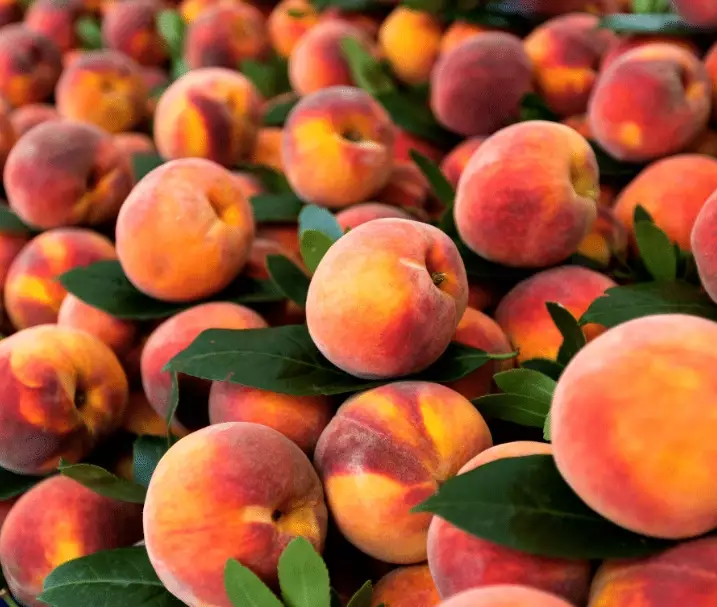
Simple and Delicious August Fruit Recipes
You don't need fancy skills to enjoy August fruits. Here are two recipes I make every year—they're quick, healthy, and let the fruit shine.
Grilled Peach and Arugula Salad
This takes 15 minutes. Slice peaches in half, remove pits, and grill cut-side down for 3-4 minutes until charred. Toss with arugula, goat cheese, and a drizzle of balsamic glaze. The heat caramelizes the peaches, bringing out their sweetness. I add walnuts for crunch, but almonds work too.
Watermelon Mint Cooler
Blend 4 cups of cubed watermelon with a handful of mint leaves, juice of one lime, and a tablespoon of honey. Strain if you want it smooth, or leave it chunky. Serve over ice. It's refreshing and way better than store-bought drinks. My kids love it, and it uses up leftover watermelon fast.
For something heartier, try plum galette—it's forgiving even if your pastry skills are rusty. Slice plums, toss with sugar and cinnamon, pile on a rolled-out dough, fold edges, and bake at 375°F for 30 minutes. The fruit juices bubble into a delicious syrup.
Frequently Asked Questions About August Fruits
August fruits are a gift—don't overthink it. Get out there, feel the produce, and enjoy the flavors. If you have a question I didn't cover, drop a comment below. Happy eating!
Reader Comments