
Let's be honest. For years, I tossed bell peppers into my shopping cart because they were colorful and crunchy. I had a vague sense they were "good for you," but that was about it. It wasn't until I started digging into the research and, frankly, growing my own in a backyard planter, that I realized how much we underestimate this common vegetable. The benefits of bell peppers go far beyond salad decoration. They're a nutritional powerhouse hiding in plain sight, and understanding their full potential can seriously upgrade your health game without much effort.
What's Inside This Guide
The Surprising Nutrition in Each Color
Here's the first thing most people miss: not all bell peppers are created equal. The color isn't just for looks; it's a direct indicator of ripeness and nutrient profile. Green peppers are harvested earlier. If left on the vine, they turn yellow, then orange, and finally red. With each stage, their sugar content and certain vitamins skyrocket.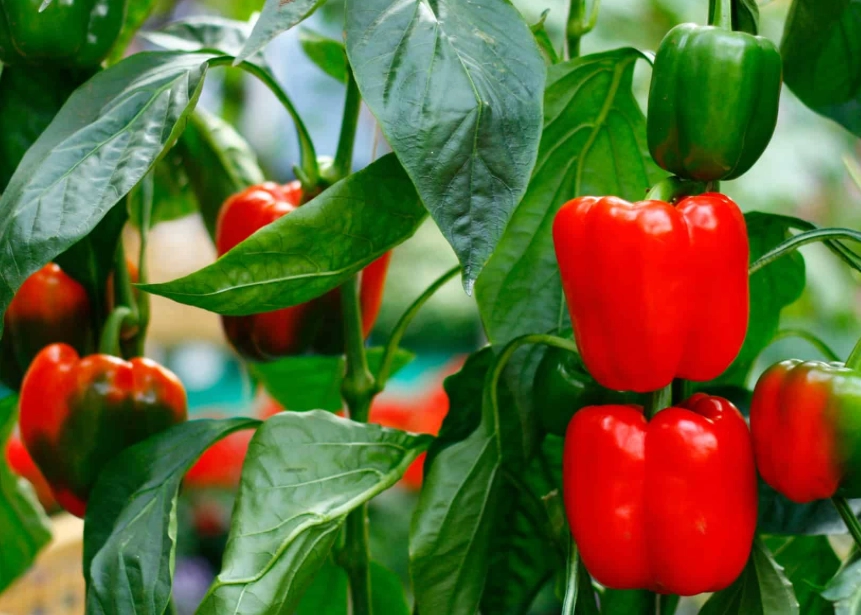
I used to think the nutrient difference was marketing hype. It's not. Check this out, based on data from the USDA FoodData Central:
| Nutrient (per 1 cup, chopped) | Green Bell Pepper | Red Bell Pepper | Key Difference |
|---|---|---|---|
| Vitamin C | ~95 mg (106% DV) | ~190 mg (211% DV) | Red has nearly DOUBLE the Vitamin C of green, and more than an orange. |
| Vitamin A (as Beta-Carotene) | ~18% DV | ~93% DV | A staggering 5x more in red peppers. This is the pigment that creates the red/orange color. |
| Vitamin B6 | ~0.2 mg | ~0.4 mg | Red peppers offer about twice as much. |
| Antioxidants (Lycopene & Beta-Cryptoxanthin) | Low | Very High | These specific, powerful antioxidants are virtually absent in green peppers but abundant in red and orange. |
| Natural Sugars | Lower | Higher | Red peppers taste sweeter for a reason—they have almost 2x the sugar content. |
So, while green peppers are still fantastic (and often cheaper), reaching for the rainbow, especially red and orange, gives you a major nutrient boost. Yellow peppers sit nicely in the middle, with vitamin C levels closer to red.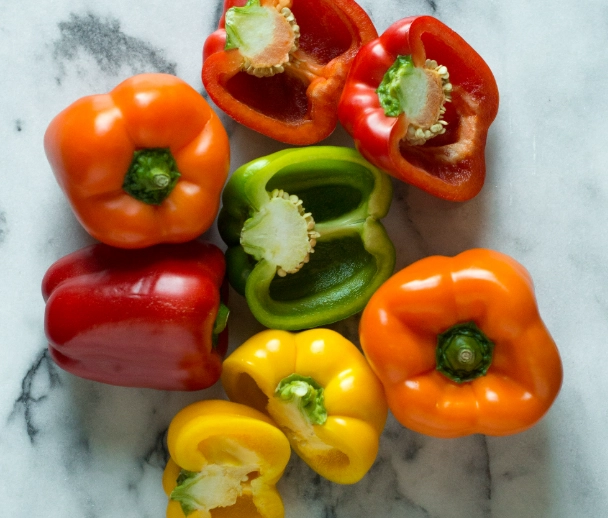
Science-Backed Health Benefits You Can Feel
With that nutrient profile, what do bell peppers actually do for your body? The list is longer than you might think.
Eye Health Isn't Just About Carrots
We've all heard carrots are good for eyesight. Bell peppers, especially the red and orange ones, are arguably better. They're packed with lutein and zeaxanthin, carotenoids that concentrate in the retina. Studies, like those referenced by the American Optometric Association, show these compounds filter harmful blue light and may reduce the risk of age-related macular degeneration. The high vitamin A (as beta-carotene) also supports overall vision, particularly in low light.
A Serious Boost for Your Immune System
One red bell pepper gives you over 200% of your daily vitamin C needs. That's more than an orange. Vitamin C isn't just for fighting colds; it's crucial for the production of white blood cells and acts as a potent antioxidant that protects your immune cells from damage. During flu season, I make a point to add sliced red peppers to my lunch every day. It's a simple, crunchy habit that pays off.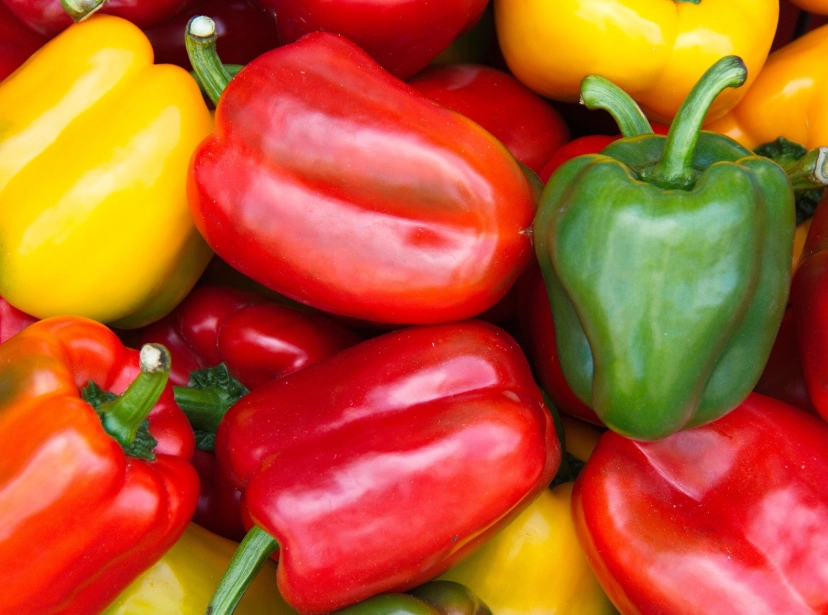
Supporting Heart Health and Fighting Inflammation
This is where the antioxidant cocktail shines. The vitamin C, quercetin, and capsanthin (the red pigment) in bell peppers have anti-inflammatory properties. Chronic inflammation is a root cause of many issues, including heart disease. Furthermore, the fiber and potassium in peppers help manage blood pressure and cholesterol levels. It's a multi-pronged approach to keeping your cardiovascular system in check.
Unexpected Help for Skin and Iron Absorption
Vitamin C is essential for producing collagen, the protein that keeps your skin firm and elastic. Eating peppers can be a tasty part of your skincare routine from the inside out. Here's a pro tip many overlook: pair bell peppers with iron-rich plant foods like spinach or lentils. The vitamin C dramatically increases your body's ability to absorb that non-heme iron, which is otherwise not as easily absorbed. A spinach salad with red pepper strips is a perfect example of food synergy.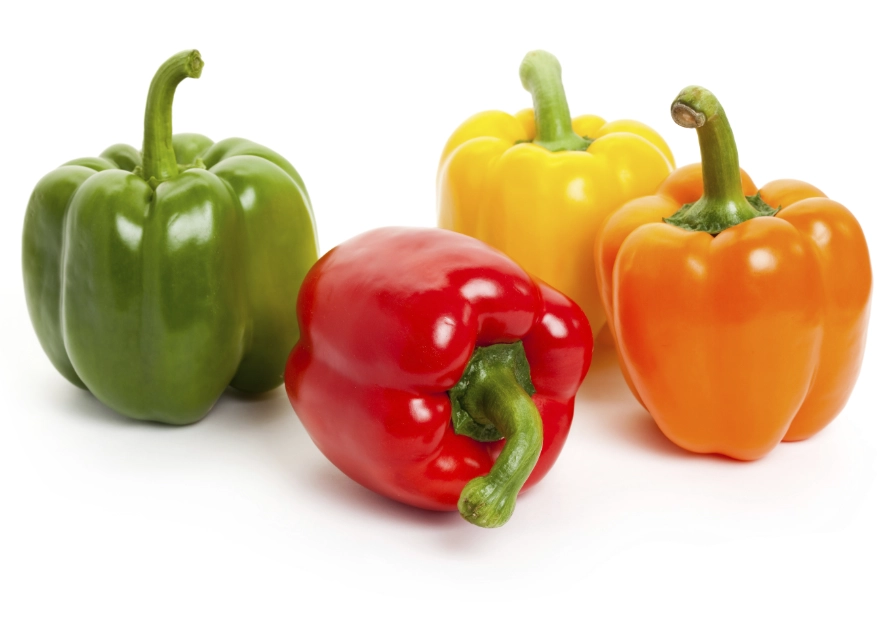
How to Pick and Keep Them Fresh (No More Soggy Peppers)
Nothing kills the bell pepper benefit buzz faster than pulling a wrinkled, mushy one from the fridge. Here's how to avoid that.
Selecting the Best: Look for peppers that feel firm and heavy for their size. The skin should be smooth, tight, and glossy, with no soft spots, wrinkles, or cuts. The stem should look fresh and green. A common mistake is buying peppers that are too large and have thin walls—they often lack flavor and go soggy faster.
Storing Them Right: Do NOT store them in a sealed plastic bag. They need to breathe. Place them unwashed in the crisper drawer of your fridge, loose or in a perforated bag. They'll last 1-2 weeks this way. If you've cut one, store the leftovers in an airtight container with a paper towel to absorb moisture.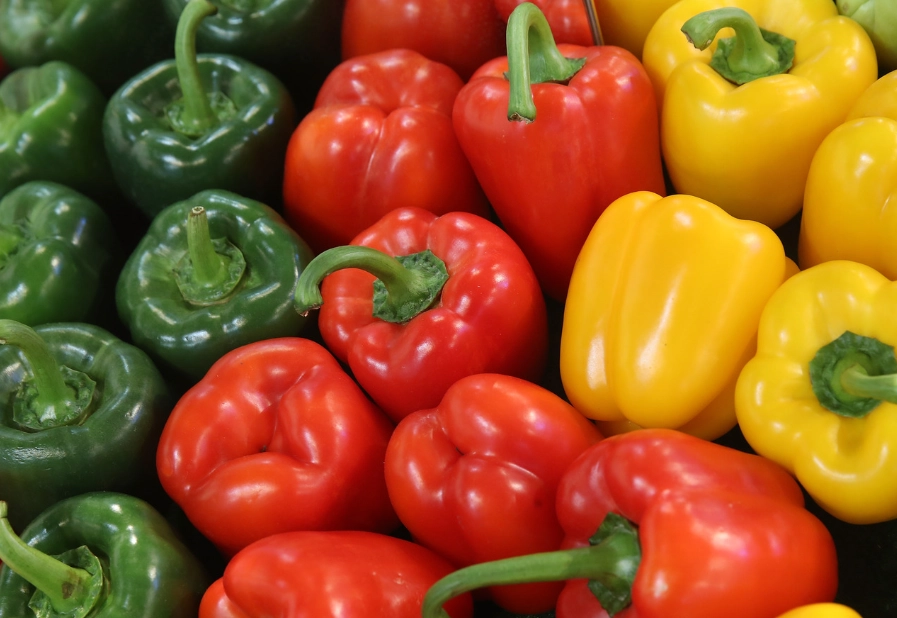
Simple Ways to Eat More Bell Peppers (Beyond Stir-Fry)
You know they're good for you. Now, how do you actually eat them without getting bored?
The Ultimate Healthy Snack: Wash, slice into strips, and eat them raw with hummus, guacamole, or a Greek yogurt dip. The sweetness of red and yellow peppers makes this genuinely enjoyable. It's my go-to afternoon snack to avoid the vending machine.
Roast Them to Unlock Sweetness: Cut into large pieces, toss with a tiny bit of oil, salt, and pepper, and roast at 425°F (220°C) for 20-25 minutes until edges are charred. The flavor becomes deep, smoky, and incredibly sweet. Use them on sandwiches, in pasta, or blended into soups.
Stuffed Pepper Simplicity: This is a classic for a reason. Cut the top off, remove seeds, and stuff with a mixture of cooked quinoa, lean ground turkey or lentils, black beans, corn, and spices. Bake until the pepper is tender. It's a complete, portion-controlled meal.
"Blender Trick" for Picky Eaters: Finely dice or puree red peppers and add them to spaghetti sauce, chili, or soups. They melt into the background, adding sweetness, thickness, and a massive nutrient boost that even the most vegetable-averse person won't notice.
Think of them as a flavor and texture booster. Add diced peppers to your morning omelet, layer them on pizzas and flatbreads, or skewer them for kebabs on the grill.
Reader Comments