Let's talk about paw paw fruit cookies. If you've stumbled upon a few of these strange, mango-shaped fruits and wondered what on earth to do with them beyond eating them raw, you're in the right place. Turning paw paws into soft, spiced cookies is arguably their best use. It captures their tropical flavor in a portable, shareable treat that makes people ask for the recipe. But there's a catch most blogs don't mention: using underripe or overripe paw paw can ruin your whole batch. I learned this the hard way after my first attempt yielded cookies that were weirdly starchy. This guide will walk you through everything—from selecting the perfect fruit to a foolproof recipe that highlights the paw paw's unique taste.
What’s Inside This Guide
Understanding Paw Paw: The Secret Ingredient
Before you start baking, you need to know your star player. The pawpaw (Asimina triloba) is North America's largest native fruit. It's not related to the tropical papaya, despite the similar name. The flavor is a complex blend often described as a cross between a banana, a mango, and a hint of vanilla custard. The texture of the ripe pulp is soft and creamy, similar to an avocado or a very ripe banana.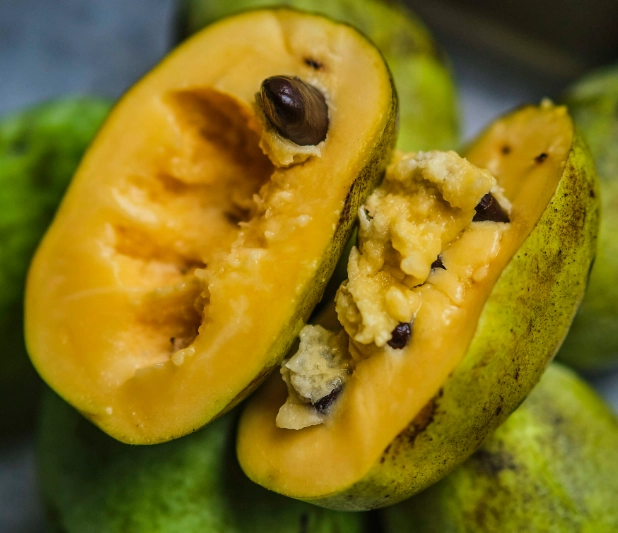
The single biggest mistake beginners make is using unripe fruit. An unripe paw paw is hard, green, and bitter—it will add zero flavor and a terrible texture to your cookies. A perfectly ripe paw paw yields slightly to gentle pressure, like a ripe peach, and has a strong, sweet fragrance. The skin may have black spots, which is fine. If it's mushy and smells fermented, it's past its prime.
How to Prepare Paw Paw Fruit for Baking
Processing paw paw is straightforward but messy. Cut the ripe fruit in half lengthwise. Avoid the large, dark brown seeds—they are not edible. Scoop out the creamy, yellow-orange pulp with a spoon. You can push the pulp through a fine-mesh strainer to remove any stringy bits or seeds, but I often skip this for a more rustic cookie texture. One medium paw paw yields about ½ to ¾ cup of pulp.
For our cookie recipe, you'll need 1 cup of pure paw paw pulp. Measure it after processing. The pulp is your wet ingredient base, replacing some of the butter or oil you might use in other recipes. Its natural sugars and moisture are key.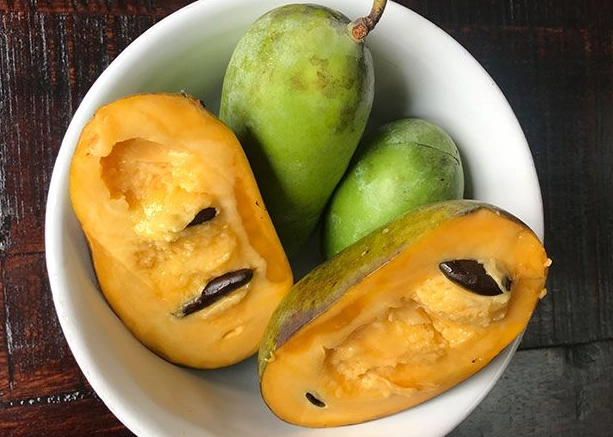
The Master Paw Paw Cookie Recipe
This recipe is designed to be forgiving and to let the paw paw flavor shine. It produces a soft, cake-like cookie with a hint of spice. Think of it as a cross between a pumpkin cookie and a banana bread, but with its own unique twist.
Ingredients You'll Need
| Ingredient | Quantity | Purpose & Notes |
|---|---|---|
| All-purpose flour | 2 ¼ cups | The structure. Spoon and level to measure, don't scoop. |
| Baking soda | 1 tsp | Leavening agent for rise. |
| Salt | ½ tsp | Balances sweetness. |
| Ground cinnamon | 1 tsp | Classic warm spice, complements paw paw perfectly. |
| Ground nutmeg | ¼ tsp | Adds depth. Freshly grated is best. |
| Unsalted butter, softened | ½ cup (1 stick) | For richness and tenderness. |
| Granulated sugar | ¾ cup | Sweetness and helps with browning. |
| Light brown sugar, packed | ½ cup | Adds moisture and a caramel note. |
| Large egg | 1 | Binds the dough. |
| Pure vanilla extract | 1 tsp | Enhances the fruity flavors. |
| Pure paw paw pulp | 1 cup | The star. Must be ripe and creamy. |
| Old-fashioned rolled oats | 1 cup | Optional, for chewiness and texture. |
Step-by-Step Baking Instructions
- Prep: Preheat your oven to 350°F (175°C). Line baking sheets with parchment paper.
- Mix Dry: In a medium bowl, whisk together the flour, baking soda, salt, cinnamon, and nutmeg. Set aside.
- Cream Wet: In a large bowl, beat the softened butter, granulated sugar, and brown sugar together with an electric mixer until light and fluffy, about 2-3 minutes. Beat in the egg and vanilla extract until combined.
- Incorporate Paw Paw: Gently mix in the 1 cup of paw paw pulp. The mixture may look slightly curdled—that's normal due to the high moisture content.
- Combine: Gradually add the dry flour mixture to the wet ingredients, mixing on low speed just until no white streaks remain. If using oats, fold them in now. The dough will be soft and sticky.
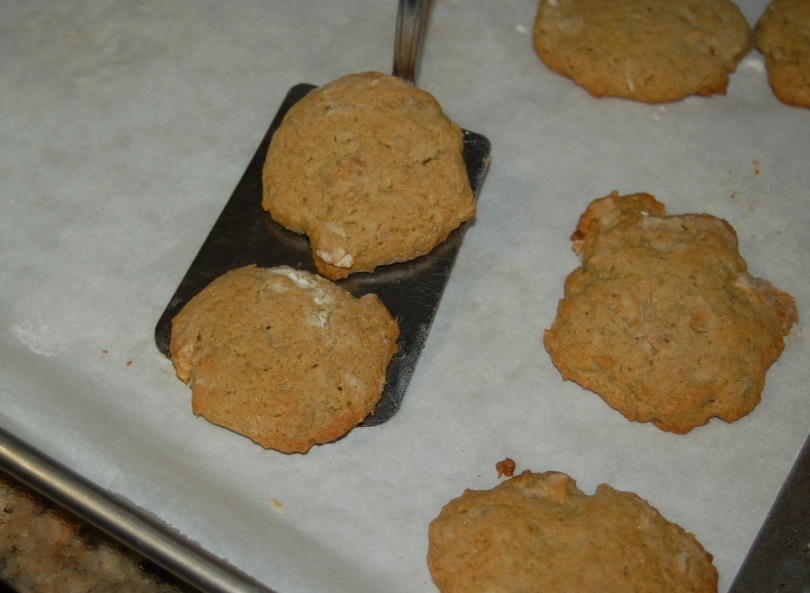
- Scoop & Bake: Drop rounded tablespoons of dough onto the prepared sheets, spacing them about 2 inches apart. Bake for 12-14 minutes, or until the edges are lightly golden and the tops look set. The centers should still be soft.
- Cool: Let cookies cool on the baking sheet for 5 minutes before transferring them to a wire rack to cool completely.
Baking Science & Troubleshooting Common Issues
Why did my cookies turn out flat? Why are they cakey in the middle? Let's fix that.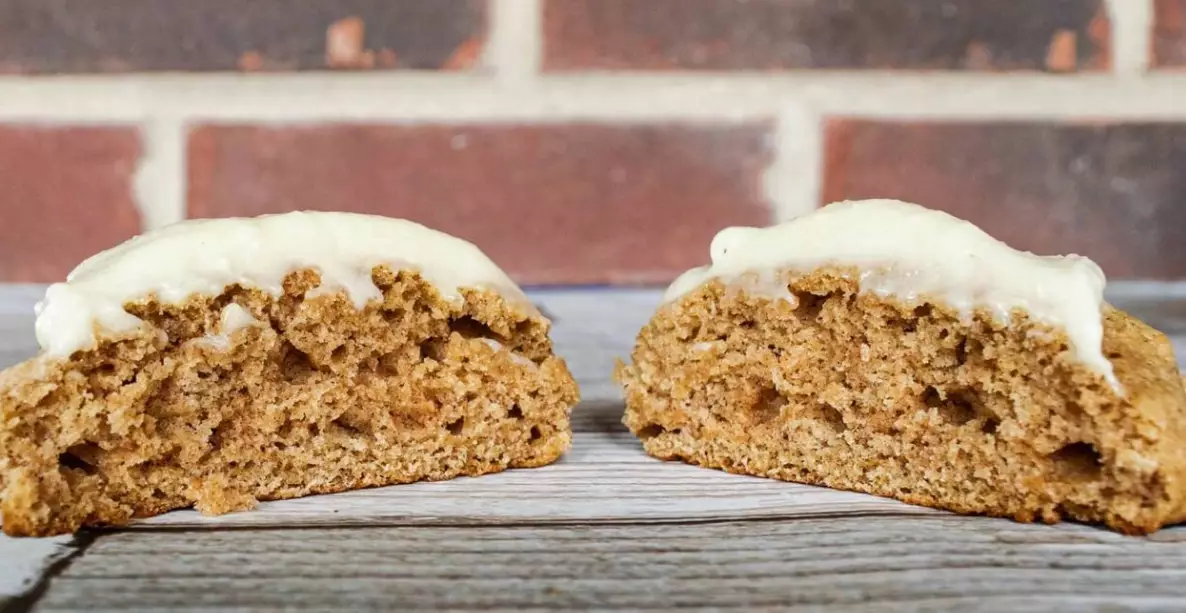
Cookies are too flat and spread too much: Your butter was likely too warm, or your dough wasn't chilled. Paw paw pulp adds a lot of moisture. If your kitchen is warm, consider chilling the shaped dough balls for 20-30 minutes before baking. Also, ensure your baking soda is fresh.
Cookies are too cakey or bread-like: You probably over-mixed the dough after adding the flour. Mix just until combined. Over-mixing develops gluten, leading to a tougher, more bread-like texture.
Flavor is bland or "green": This almost always points to using underripe paw paw. There's no fix for this in the baked cookie. Always taste your pulp before adding it. It should be sweet and fragrant.
Creative Variations on the Classic Recipe
Once you've mastered the base, try these twists.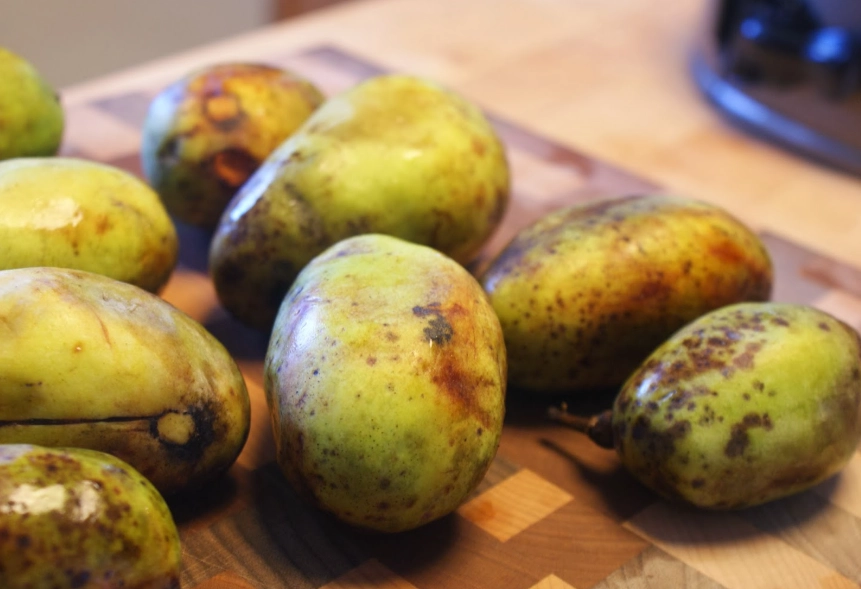
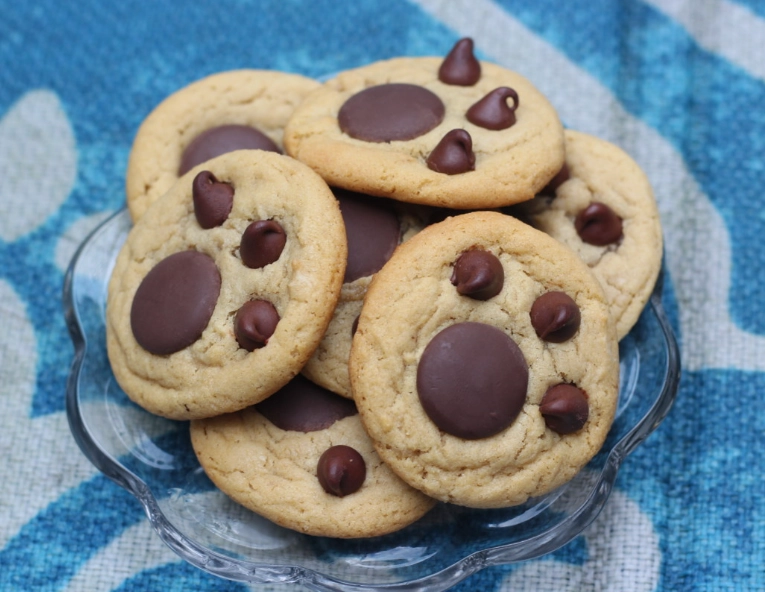
Paw Paw Oatmeal Chocolate Chip: Add ¾ cup of semi-sweet chocolate chips to the dough along with the oats. The chocolate pairs surprisingly well with the tropical fruit notes.
Lemon-Ginger Paw Paw Cookies: Add the zest of one lemon and 1-2 tablespoons of finely chopped crystallized ginger to the dry ingredients. The citrus and spice cut through the richness beautifully.
Paw Paw "Whoopie Pies": Bake the cookies slightly larger. Once cool, sandwich them with a cream cheese frosting (4 oz cream cheese, ¼ cup butter, 1 cup powdered sugar, ½ tsp vanilla).
Reader Comments