Quick Navigation
September rolls around, and suddenly the air gets crisper, the leaves start turning, and farmers' markets burst with colors you haven't seen all summer. If you're like me, you might wander through the stalls, wondering which fruits are actually at their peak this month. I remember one year, I bought a bunch of pears too early—they were rock-hard and never really ripened right. That's when I decided to dig deeper into September fruits, and let me tell you, getting it right makes all the difference. This guide isn't just a list; it's everything I've learned from talking to growers, testing recipes, and yes, making a few mistakes along the way.
What Fruits Are in Season in September?
September sits right at the crossover between late summer and early fall, so you get a mix of holdovers and newcomers. According to seasonal eating guides from sources like the USDA, this month is prime time for fruits that thrive in cooler nights. It's not just about apples and pears, though they're stars. Think about plums, grapes, and even late-season berries if you're lucky.
Top 5 September Fruits to Look For
Here's my personal ranking based on flavor, availability, and versatility. I've spent years comparing varieties, and these never disappoint.
- Apples: Crisp, juicy, and endless varieties. Honeycrisp and Gala are my go-tos for eating raw, but don't overlook heirlooms like Arkansas Black for baking.
- Pears: Bartlett pears are perfect in September—they transition from green to yellow when ripe. Anjou pears hold up better in salads.
- Grapes: Concord grapes hit their stride now, with that deep purple color and intense flavor. They're not just for juice; try them in savory dishes.
- Plums: Italian plums are smaller and denser, ideal for prunes or tarts. They often get overlooked, but their sweetness is unmatched.
- Figs: If you're in a warmer region, figs might still be around. Brown Turkey figs are soft and honey-like, perfect for pairing with cheese.
I once drove to a farm in upstate New York just to pick apples, and the owner showed me a lesser-known variety called Wolf River—huge, tart, and fantastic for sauce. That's the kind of gem you might miss if you stick to supermarkets.
Lesser-Known Gems of the September Harvest
Ever heard of quince or elderberries? They're not as common, but in September, they shine. Quince looks like a lumpy apple but transforms when cooked into a fragrant paste. Elderberries are tiny, dark berries packed with antioxidants; just make sure to cook them, as raw ones can be mildly toxic. I tried making elderberry syrup last fall, and it was a game-changer for cold season.
How to Select and Store September Fruits for Maximum Freshness
Picking the right fruit is half the battle. I've seen people squeeze peaches like they're testing avocados, but with September fruits, it's different. Here's a table to break it down quickly—something I wish I had years ago.
td>Storing at room temperature; they go mealy fast| Fruit | How to Select | Storage Tips | Common Mistake |
|---|---|---|---|
| Apples | Firm, no soft spots, vibrant color | Keep in fridge crisper, away from other fruits | |
| Pears | Slight give near stem, not squishy | Ripen at room temp, then refrigerate | Buying fully ripe pears; they bruise easily |
| Grapes | Plump, firmly attached stems, no wrinkles | Refrigerate in original bag, wash just before eating | Washing before storage; moisture causes mold |
| Plums | Soft to touch but not mushy, rich color | Room temp until ripe, then fridge for a few days | Stacking them; they get pressure bruises |
| Figs | Soft, slightly droopy, no sour smell | Eat within 1-2 days, refrigerate uncovered | Keeping in sealed containers; they ferment quickly |
That table saves time, but let me add a personal tip: apples emit ethylene gas, which speeds up ripening in other fruits. I learned this the hard way when I stored apples next to bananas and ended up with a mushy mess. Keep apples isolated if you want to prolong the life of your September haul.
Common Mistakes to Avoid When Storing Apples
Most guides say to refrigerate apples, but they rarely mention humidity. Apples lose crispness in dry environments. If your fridge has a crisper drawer with adjustable humidity, set it high for apples. No fancy fridge? A plastic bag with a few holes works—just don't seal it tight. I've tested this with Granny Smith apples, and they stayed crisp for weeks instead of days.
The Right Way to Ripen Pears at Home
Pears are tricky because they ripen from the inside out. The stem test is key: gently press near the stem; if it yields slightly, it's ready. To speed up ripening, place pears in a paper bag with a banana—the ethylene from the banana does the trick. But here's a non-consensus view: avoid direct sunlight. I left pears on a sunny windowsill once, and they ripened unevenly, with some parts turning mealy. Room temperature in a dark spot is better.
Delicious Recipes Using September Fruits
Now for the fun part—cooking. September fruits are versatile, moving from sweet to savory with ease. I'm not a professional chef, but I've hosted enough fall dinners to know what works.
Easy Apple Crisp Recipe for Beginners
This is my go-to dessert when apples are abundant. It's forgiving, and you can tweak it based on what you have.
- Ingredients: 6 medium apples (mix varieties like Honeycrisp and Granny Smith), 1 cup oats, 1/2 cup brown sugar, 1/2 cup flour, 1/2 cup butter, cinnamon to taste.
- Steps: Peel and slice apples, toss with a bit of sugar and cinnamon. Mix oats, flour, brown sugar, and melted butter for topping. Layer in a baking dish, bake at 375°F for 30-40 minutes until golden.
- Why it works: The tart apples balance the sweet topping, and the oats add crunch. I've made this with gluten-free flour, and it still turns out great.
One time, I added chopped walnuts to the topping, and it gave a nice texture contrast. Don't be afraid to experiment.
Savory Pear and Blue Cheese Salad
Pears in salad might sound basic, but the key is using slightly underripe pears—they hold shape better and add a crisp bite.
- Ingredients: 2 firm pears (Anjou work well), mixed greens, 1/4 cup blue cheese crumbles, 1/4 cup walnuts, balsamic vinaigrette.
- Steps: Thinly slice pears, toast walnuts lightly, toss everything with dressing just before serving.
- Pro tip: Add a pinch of salt to the pears before mixing; it enhances their natural sweetness. I picked this up from a farmer who grows pears in Oregon.
This salad pairs well with roasted chicken or as a light lunch. I've served it at gatherings, and people always ask for the recipe.
Personal Note: When I first started cooking with September fruits, I stuck to sweets, but savory dishes opened up a new world. Try sautéing sliced apples with onions as a side for pork—it's simple but impressive.
Health Benefits of Eating Seasonal September Fruits
Eating in season isn't just a trend; it has real health perks. September fruits are packed with nutrients that align with fall needs, like boosting immunity before cold season hits.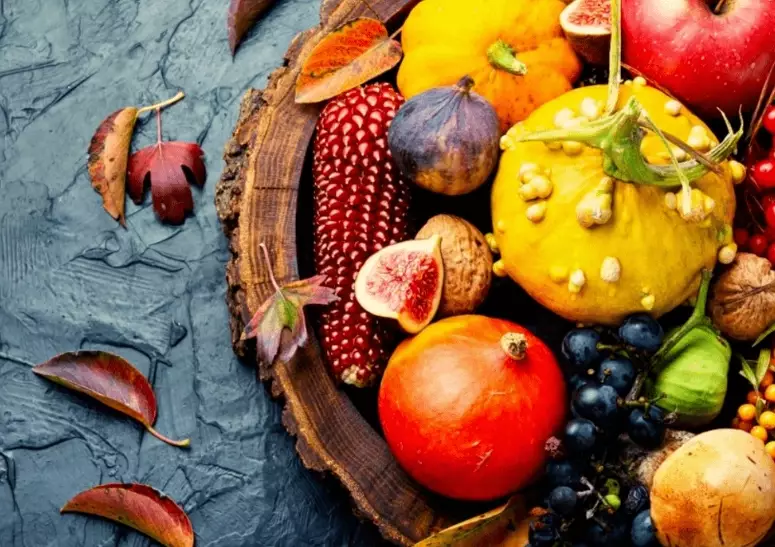
Boosting Immunity with Vitamin C-Rich Fruits
Grapes and plums are surprisingly high in vitamin C. A cup of Concord grapes provides about 20% of your daily need, according to nutrition data from sources like the National Institutes of Health. But here's something most articles miss: vitamin C degrades with heat, so eating these fruits raw or lightly cooked preserves more benefits. I blend grapes into smoothies instead of cooking them down for jam when I want a nutrient boost.
Fiber Content and Digestive Health
Apples and pears are fiber powerhouses, with skin-on apples offering about 4 grams per medium fruit. The fiber is mostly soluble, which helps with digestion and keeps you full longer. A common mistake is peeling them—you lose half the fiber. I used to peel apples for my kids, but now I leave the skin on and slice them thin; they don't even notice.
From my experience, incorporating these fruits into daily meals reduced my afternoon snack cravings. It's a small change with big impact.
Where to Buy Fresh September Fruits
Location matters. I've bought September fruits from supermarkets, farmers' markets, and even roadside stands, and the quality varies wildly.
Farmers Markets vs. Supermarkets: A Comparison
Farmers markets often have fresher picks because fruits are harvested locally and sold quickly. Supermarkets might offer consistency but sometimes ship fruits from afar, losing flavor. Last September, I compared apples from both: farmers market apples were crisper and more aromatic. However, supermarkets can be cheaper and more convenient. It's a trade-off.
- Farmers markets: Look for vendors who let you sample. Ask about varieties—they might have heirlooms not found elsewhere.
- Supermarkets: Check for firmness and avoid pre-packaged fruits if possible; they can hide bruises.
Tips for Finding the Best Deals
September is harvest time, so prices can drop mid-month. I've noticed that apples and pears go on sale after the first week, when supply peaks. Buying in bulk from farms or co-ops can save money, but only if you plan to use or preserve them. I once bought a bushel of apples for canning, and it cost half the supermarket price per pound.
Also, don't ignore "ugly" fruits—they're often discounted but taste just as good. I got a bag of misshapen pears for a stew, and they were perfectly sweet.
Reader Comments