I remember the first time I bought a butternut squash from the farmers' market, thinking it was ready to roast. It was hard as a rock and tasted bland. That's when I realized ripening isn't just about time—it's an art. Getting your butternut squash perfectly ripe transforms it from a starchy vegetable into a sweet, creamy delight. Let's dive into the nitty-gritty of butternut squash ripening, so you never end up with a disappointing meal.
What You'll Learn in This Guide
Key Signs Your Butternut Squash is Ripe
You don't need a degree in botany to figure this out. Look for these telltale signs. The color is a big giveaway. A ripe butternut squash has a deep, uniform tan or beige skin. If it's still got green patches, it's not there yet. I've seen people ignore this and end up with a sour taste.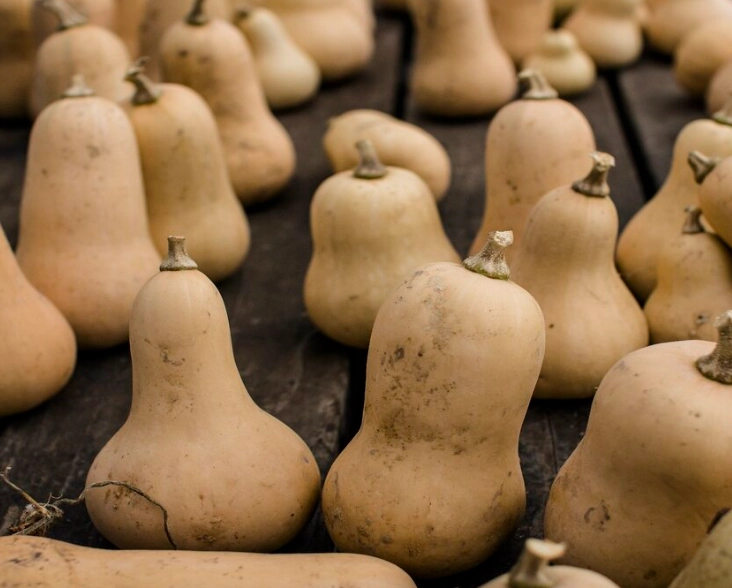
The skin should feel hard and matte, not shiny. Shiny skin often means it was picked too early. Give it a gentle tap—it should sound hollow, like a drum. That hollow sound indicates the flesh has dried out slightly and sweetened up.
The Stem Test: A Foolproof Method
Check the stem. A ripe butternut squash has a dry, corky stem that's brown and shriveled. If the stem is green or moist, it's immature. This is something most guides overlook, but it's crucial. I learned this from an old farmer who said, "The stem tells the story." He was right.
Another thing: the weight. A ripe squash feels heavy for its size because the sugars have concentrated. Compare it to a similar-sized one; if it feels lighter, it might be underripe.
Pro Tip: Don't rely solely on the calendar. Butternut squash ripening time varies based on growing conditions. Even if it's been 100 days since planting, always check these physical signs.
How to Ripen Butternut Squash Faster
So you've got an underripe squash. What now? First, don't put it in the fridge. Cold temperatures halt the ripening process. Instead, keep it at room temperature, around 65-75°F (18-24°C). Place it in a dry, well-ventilated spot, like a countertop away from direct sunlight.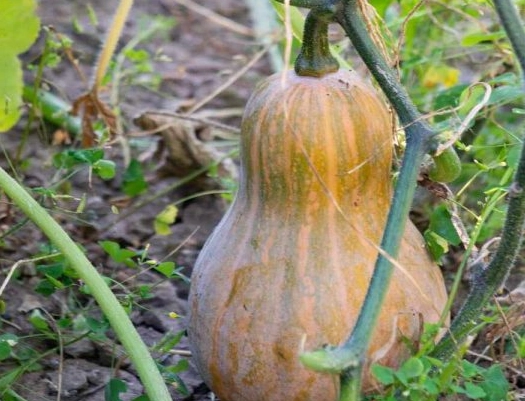
Sunlight can help, but too much can cause uneven ripening or spoilage. I've made the mistake of leaving one on a sunny windowsill—it ended up with soft spots. A bright, indirect light area works best.
If you're in a hurry, try the paper bag trick. Put the squash in a brown paper bag with a banana or apple. These fruits release ethylene gas, a natural ripening agent. Fold the top loosely to trap the gas. Check daily; it can speed things up by a few days. But be careful—overdo it, and the squash might become overripe and mushy.
| Ripening Method | Estimated Time | Best For | Risks |
|---|---|---|---|
| Room Temperature | 1-3 weeks | Patient gardeners | Slow, but natural |
| Paper Bag with Fruit | 3-7 days | Quick ripening | Can overripen if unchecked |
| Warm, Dark Place | 2-4 weeks | Long-term storage | Mold if too humid |
Some folks swear by storing squash on a rack to improve air circulation. It prevents moisture buildup, which leads to rot. I use a simple wooden crate in my pantry—works like a charm.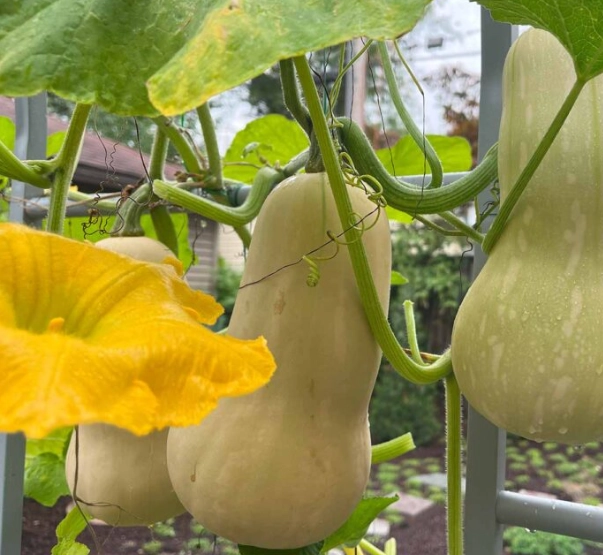
Storing Ripe Butternut Squash for Longevity
Once ripe, you might not use it immediately. Proper storage is key to avoiding waste. A whole, uncut ripe butternut squash can last for months if stored correctly. Keep it in a cool, dark place with good airflow. Ideal conditions are 50-55°F (10-13°C) and 50-70% humidity. A basement or cellar is perfect, but a cool closet works too.
Don't wash it before storage. The natural wax on the skin protects it. Washing removes that barrier and invites decay. I learned this the hard way after ruining a batch by rinsing them off.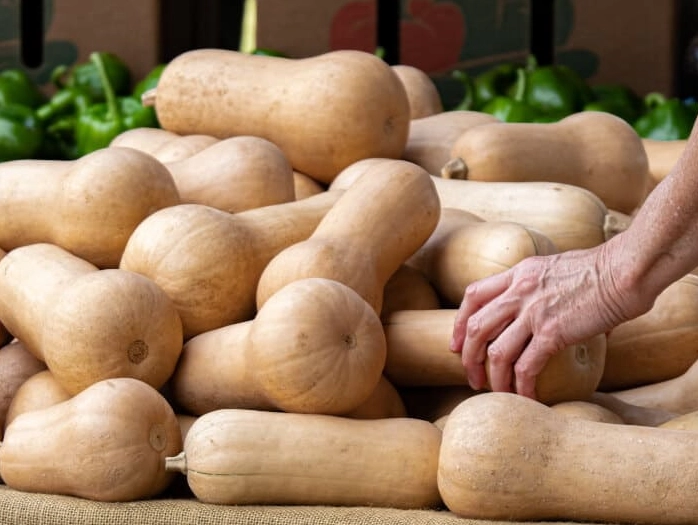
If you've cut into it, wrap the unused portion tightly in plastic wrap or store it in an airtight container in the fridge. It'll last about 5-7 days. For longer storage, cube and freeze it. Blanch the cubes first—boil for 2 minutes, then ice bath—to preserve texture and flavor. Frozen, it keeps for up to a year.
A Personal Storage Hack
I live in a small apartment without a cellar. My solution? I use a ventilated cardboard box in the coolest corner of my kitchen, away from heat sources. I line it with newspaper to absorb excess moisture. It's not perfect, but it extends shelf life by weeks.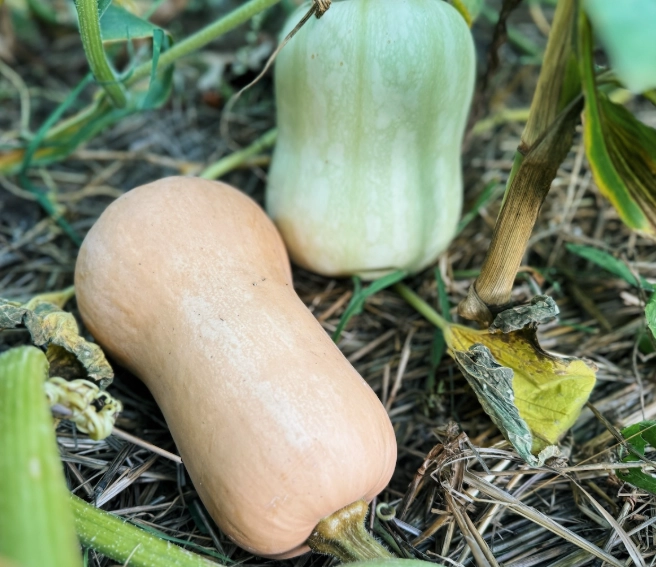
Common Ripening Mistakes to Avoid
Everyone makes errors, but here are a few you can sidestep. First, don't harvest too early. Butternut squash needs full maturity on the vine for best flavor. If you're growing your own, wait until the vine starts to dry and brown. Early harvest leads to poor ripening off-vine.
Another mistake: storing squash near ethylene-producing fruits like apples or bananas after it's ripe. That accelerates decay. Once ripe, keep it separate. I've lost a couple of squashes because I left them in the fruit bowl too long.
Avoid humid environments. High humidity promotes mold and rot. If your storage area feels damp, add a dehumidifier or use silica gel packets. Sounds extreme, but it saves produce.
Lastly, don't ignore minor blemishes. Small scratches or bruises can be entry points for spoilage. Use those squashes first, and save the pristine ones for later.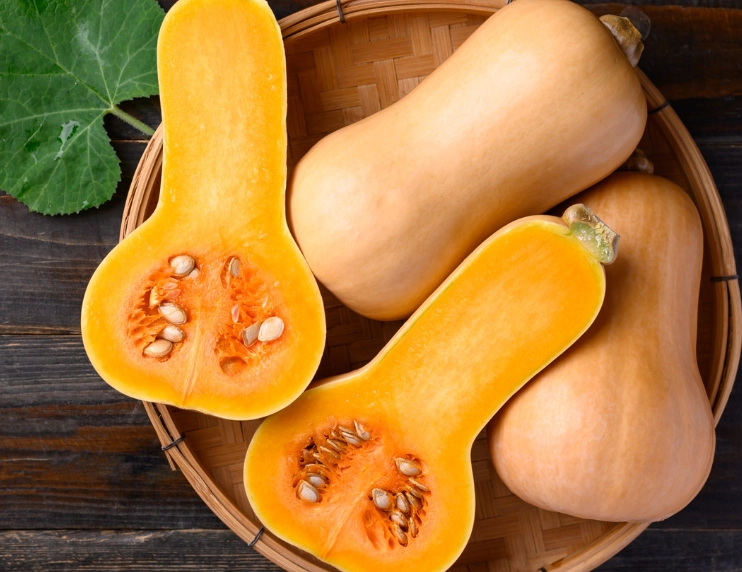
Your Butternut Squash Ripening Questions Answered
Ripening butternut squash isn't rocket science, but it demands attention to detail. Get it right, and you'll unlock a world of flavor. Miss the signs, and you're left with a bland, tough vegetable. Start by checking that color and stem, store it smartly, and avoid the common pitfalls. Your fall recipes will thank you.
Reader Comments